BRI 1335-0417: Astronomers find seismic ripples in oldest known galaxy


Representational image of BRI 1335-0417, the oldest known galaxy.
In a recent study, scientists have unravelled new facets of how galaxies take shape, especially during their early phases. The useof advanced tools like computer simulations and precise observations has become instrumental in comprehending the intricate processes that govern galactic evolution.
The study zeroes in on a particular celestial entity, BRI 1335–0417, positioned more than 12 billion light-years away. This distant galaxy, a snapshot from the early cosmic epochs, provides a captivating view into the initial stages of galactic development. Recent observations have brought to lightdistinctive features, including a spiral structure and a bar-like configuration.
Galactic bars and their impact

Of particular interest is the observed bar in BRI 1335-0417, a factor influencing the flow of gas within the galaxy. This influence contributes to the creation of specific features like a bulge or a nuclear disc.
Among the study's groundbreaking revelations is the observation of a phenomenon akin to a "seismic wave" within the galaxy.
)
Oxford United's new clothing line featured 'United 93' phase
)
Pentagon revives mandatory testosterone testing for male troops aged 30 and above
)
Mark Carney mimics Trump in hilarious moment over C$70 billion clean-energy investment; room erupts in laughter
)
Iran rebuilding nuclear facilities? New satellite images show Tehran may be rapidly restoring bombed Parchin base
)
It's a girl! Deepika Padukone and Ranveer Singh welcome their second child
)
FACT CHECK: Why did PM Modi ask Xi ‘is it okay’ at BRICS Summit? New video reveals...
)
Putin: European leaders using war rhetoric to save falling ratings
)
China may have gained access to US's classified F-35 jets; parts meant for repairs diverted to Hong Kong, sparking Pentagon inquiry
)
Arvind Kejriwal, family members, Delhi CM Rekha Gupta get SIR notices
)
Cochin shipyard starts building Indian Navy's next-gen missile vessels
)
Claude led 26% of Anthropic's AI R&D work
)
Brigitte Bardot’s private collection set for Paris auction; key items and prices revealed
)
Why Ranveer Singh’s Dhurandhar missed India’s Oscar entry; FFI jury member reveals what happened
)
How did an Australian river with 500 crocodiles pass the Olympic test? Here's how
)
‘Will go to any extent’: Pakistan vows to defend Saudi Arabia amid Houthi attacks
&im=FitAndFill=(700,400))
Ananya Panday to Sharvari: 5 actresses serving major princess vibes
66 years of the Indus Waters Treaty: How India and Pakistan settled a bitter river dispute
)
The Verdict | When precision fails: US commits war crime in Minab school strike, UN finds
Russia attacks Ukraine with 174 drones, kills 8; 2 vessels hit in Black Sea
)
Trump signs Russia sanctions bill into law, targets Moscow’s energy sector
)
Pak: A series of counter terrorism operations in Khyber Pakhtunkhwa
)
Ajit Agarkar’s future as chief selector to be decided at right time, says BCCI secretary
)
Flying cars in UAE: Ras Al Khaimah signs deal with Chinese company to test new transport
)
Reacher star Alan Ritchson opens up about alleged blackmail, suicide attempt during difficult period
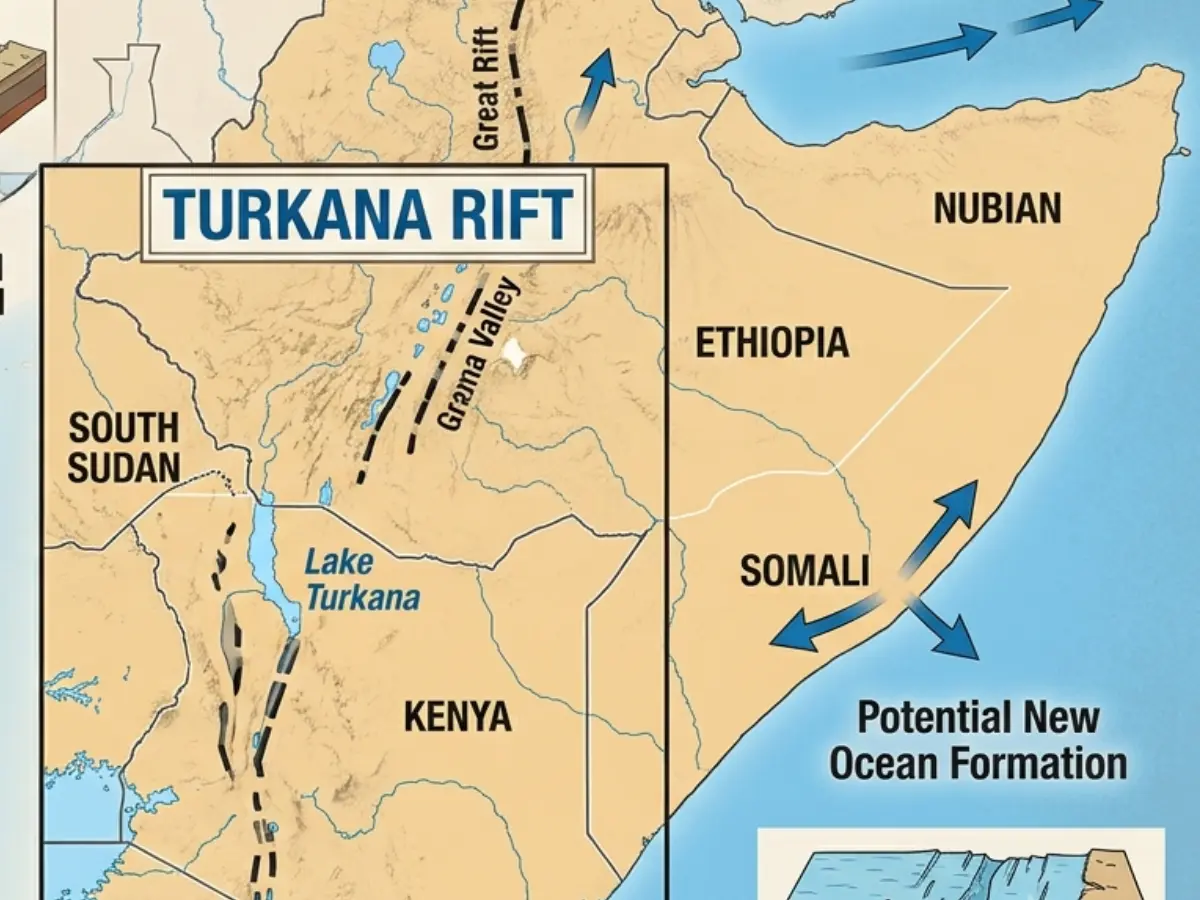)
Africa is splitting, and a lot sooner than estimated, giving way to a new ocean
)
Trump bans CNN, MS NOW and Politico from White House over ‘FAKE NEWS’
)
Trump 2.0: Dark days ahead for America’s ‘imperial presidency’
)
New brain discovery could aid neurological disease studies
&im=FitAndFill=(700,400))
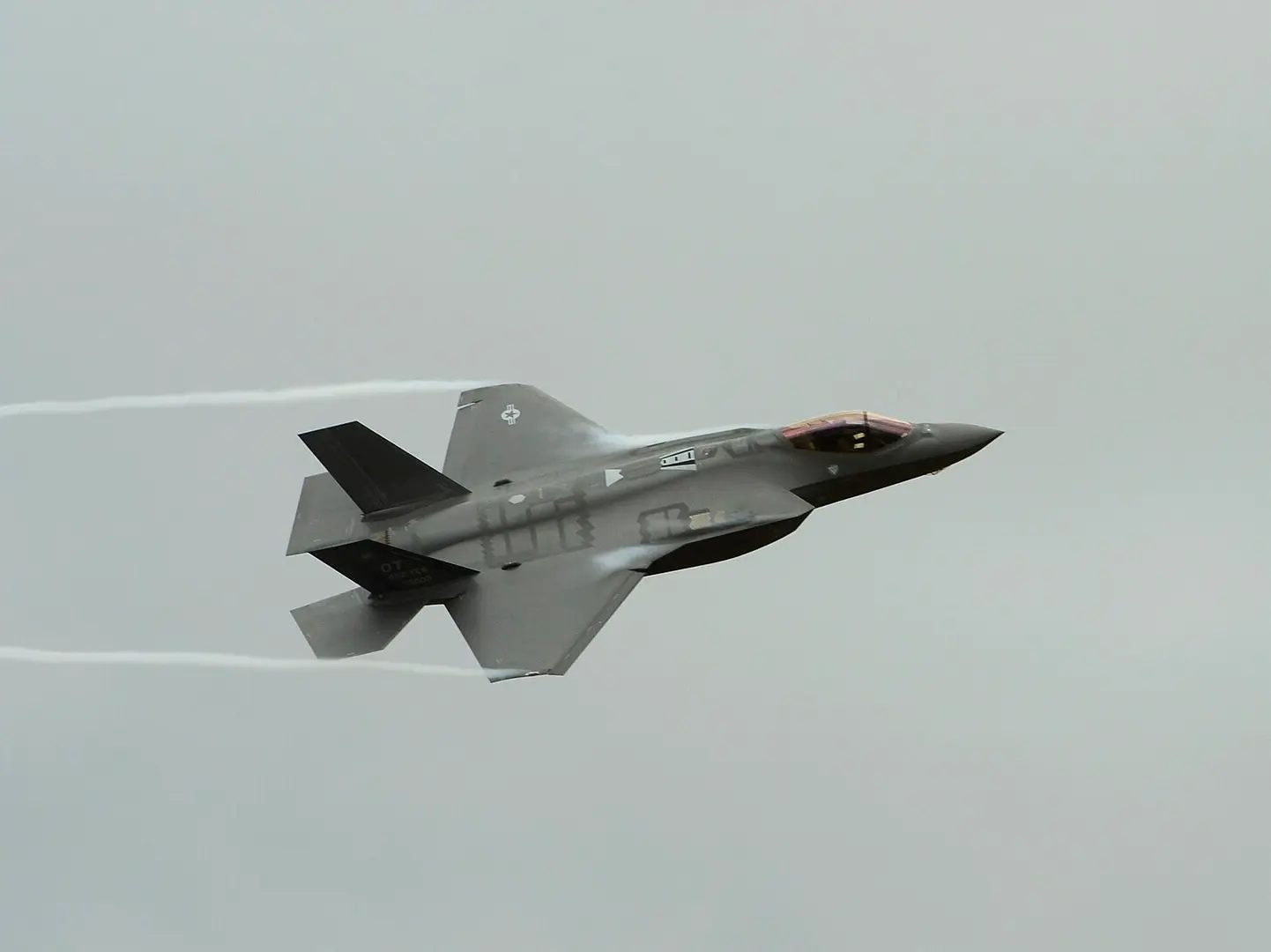
How many F-35s does Britain, Japan and Israel have?
)
Tirupati Laddu ghee adulterated with chemicals, says ED, supplier arrested
)
IIT Bombay student dies by suicide, was caught seeking AI help during exams
)
Trump extends H-1B visa's $100,000 fee until September 2027: What it means for Indians?
)
Russia holds first parliamentary elections since the beginning of the Ukraine war
&im=FitAndFill=(700,400))
Meet top 5 Indian batters with fastest T20I centuries
)
Extreme warming in Indian Ocean added 695 billion tons of ice to Antarctica ice sheet
)
)
This marks the first documentation of such an occurrence in an early galaxy. Researchers stress onthe importance of understanding the movement of gas within the galaxy, recognizing its pivotal role as a key ingredient in the star formation process.
Conceiving the galaxy's disk as a flat, rotating amalgamation of stars, gas, and dust, the study draws parallels with ripples on a pond initiated by a thrown stone.
The motion of these galactic components creates patterns resembling ripples, unlocking clues about the mechanisms propelling star formation within the galaxy.
Positioned at an astonishing distance, BRI 1335-0417 offers a temporal glimpse into the universe when it was merely 10 per cent of its current age.
Despite boasting a mass similar to our Milky Way, this early galaxy displays a star formation rate several hundred times faster. The study aims to unravel the intricacies behind the mechanisms fueling such rapid stellar birth.
Spiral structures, a rarity in the early universe, occupy a central focus in this investigation. The study provides crucial information to decipher the likely scenarios contributing to the formation of these spirals, enhancing our understanding of the cosmic narrative.
(With inputs from agencies)