Race To Power | Can Qatar bridge the gap as US-Iran talks face diplomatic scramble

&imwidth=600&imheight=450&format=webp&quality=medium "Race To Power | Can Qatar bridge the gap as US-Iran talks face diplomatic scramble")
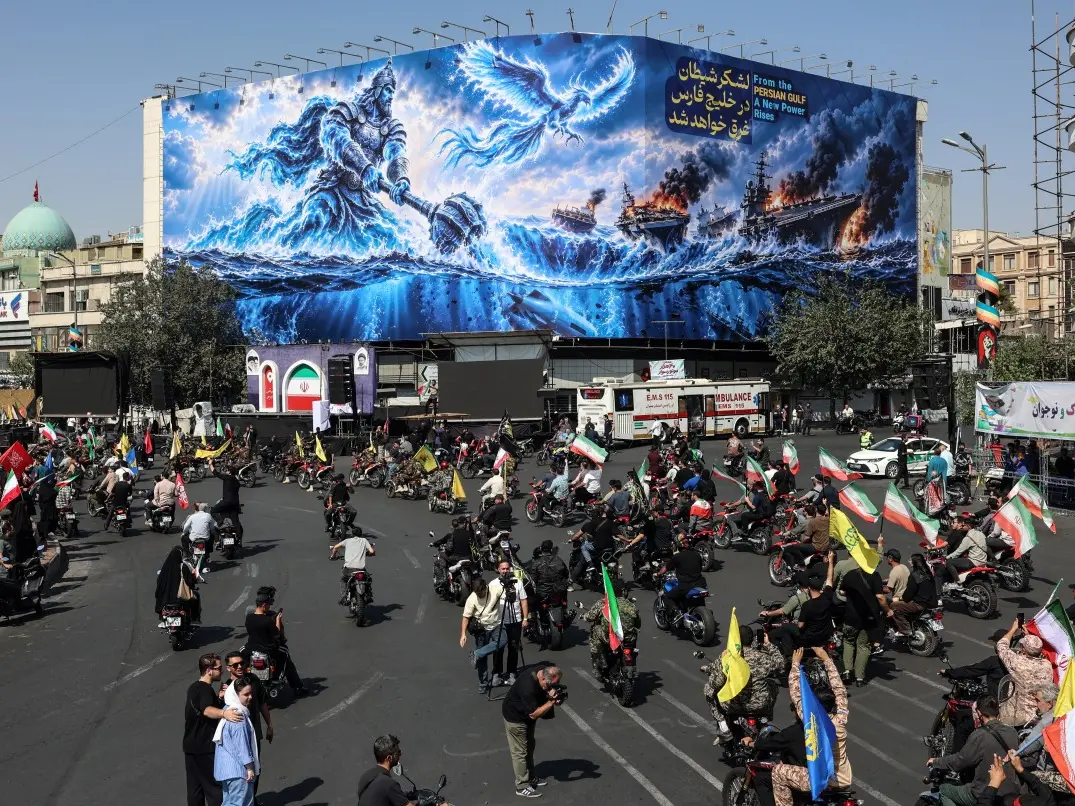
Members of Iran's Basij paramilitary force ride past a large anti-US billboard as they take part in the Jan-Fada ("Those willing to sacrifice their lives") motorcycle rally in Tehran on September 25, 2026. Photograph: (AFP)
Qatar is mediating between Washington and Tehran as the US-Iran war, the Strait of Hormuz and Iran's nuclear programme remain unresolved.
A diplomatic scramble is underway to find a way out of the US-Iran war, but despite renewed talks through mediators, Washington and Tehran still remain at loggerheads.
Iranian Foreign Minister Abbas Araghchi has been meeting Qatari mediators in New York, while American officials are also talking separately with them.
The immediate objective is to stop the fighting, reopen the strategically vital Strait of Hormuz and get the two sides back to negotiations. But there is one issue standing at the centre of the dispute, and that is Iran's nuclear programme.
The latest diplomatic push comes after months of war and two previous ceasefire attempts that collapsed.
Iran had put forward a seven-day proposal, under which hostilities would end, the United States would lift its naval blockade of Iranian ports, some Iranian assets would be unfrozen, and sanctions on Iranian oil would be eased. In return, Iran would reopen the Strait of Hormuz and resume negotiations over its nuclear programme.
But President Donald Trump rejected Iran's proposal publicly over the weekend.
Trending Stories
)
)
)
)
)
)
)
)
)
)
)
)
)
)
)
)
)
)
)
)
)
)
)
)
)
)
)
)
)
)
)
)
)
)
&im=FitAndFill=(700,400))
)
)
)
)
Even so, Washington has continued talking through mediators.
So essentially, the talks have not stopped. Instead, Qatar and other intermediaries are trying to narrow the gap between two fundamentally different positions.
Washington says there can be no comprehensive agreement unless Iran's nuclear programme is addressed. US officials say they want concrete assurances and restrictions designed to prevent Iran from developing a nuclear weapon.
Tehran, however, says it is not seeking a nuclear bomb and insists on its right to a civilian nuclear programme. Iranian officials are making clear that they do not intend to simply surrender their nuclear position as the price for reopening Hormuz.
Foreign Minister Abbas Araghchi said that there has been no change in Iran's position and no compromise on the nuclear issue. He says Tehran has already submitted its proposal and is waiting for Washington's formal response through Qatar.
Iran's Revolutionary Guard said that Iran does not seek nuclear weapons and accused President Trump of misrepresenting Tehran's nuclear ambitions.
So where does the situation stand?
There are essentially three negotiations taking place at the same time.
First, the war itself. Iran wants an end to US military pressure. Washington wants an agreement that, in its view, prevents Iran from rebuilding a nuclear capability.
Second is the Strait of Hormuz. For Iran, reopening the waterway is leverage. But for the United States, restoring unrestricted shipping is a major strategic and economic objective.
The third negotiation taking place is on nuclear arms. Iran says its nuclear rights cannot simply be negotiated away, while America insists nuclear restrictions must be part of any final settlement.
Meanwhile, reports suggest that President Trump was prepared to consider sanctions relief and access to frozen Iranian funds in exchange for concrete nuclear concessions. But Trump himself rejected those reports, saying he had offered Iran nothing.
President Trump entered this conflict promising that American pressure would prevent Iran from obtaining a nuclear weapon and repeatedly presenting military pressure as a path towards a decisive outcome. But seven months into the conflict, Washington is once again relying heavily on diplomacy.
Donald Trump has, at different points, declared the US had effectively won, threatened further military action, rejected Iran's ceasefire proposal, and at the same time signalled that negotiations could continue.
For the moment, however, there is no final deal and no confirmed permanent ceasefire. Qatar and other mediators are shuttling messages between Washington and Tehran.
The next critical test is whether the mediators can turn these indirect conversations into an agreed sequence of steps.
