

&imwidth=800&imheight=600&format=webp&quality=medium "The Verdict | Modi's three-front challenge: Protests at home, pressure from Washington and an economy under strain")
India is confronting an increasingly complicated political and economic moment.
On the streets of New Delhi, young protesters are questioning the integrity of electoral processes. In Washington, trade negotiations remain uncertain as the United States presses India over its relationship with Russia. And at home, a weakening rupee and rising inflation are creating fresh concerns about the cost of living.
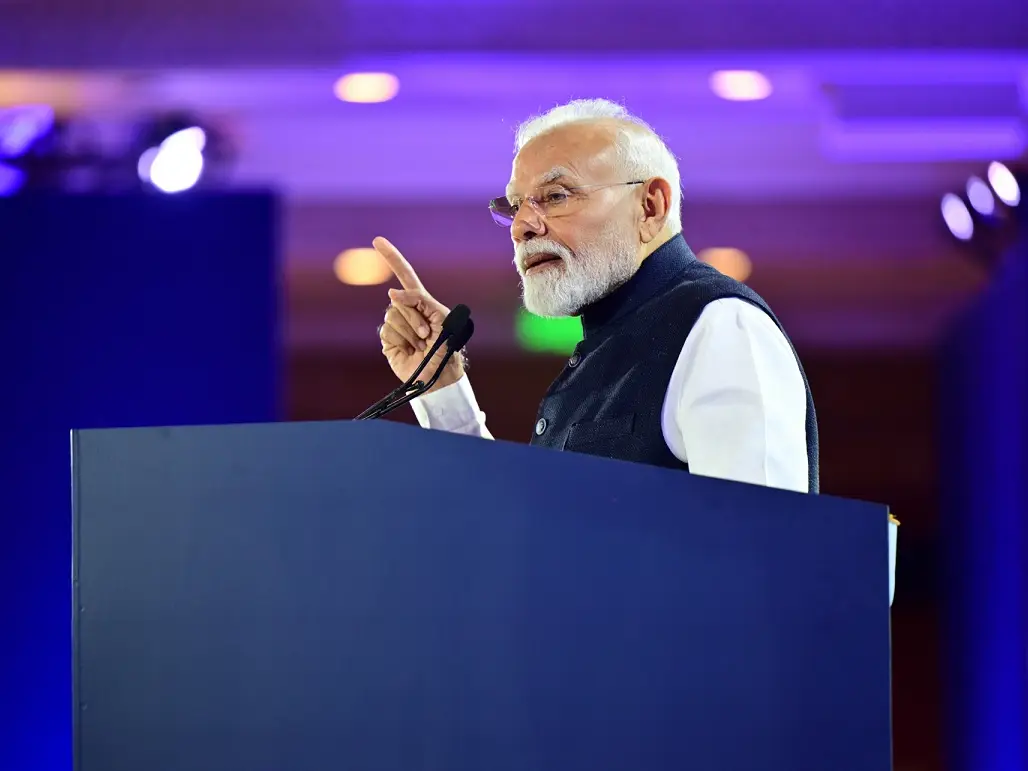
For Prime Minister Narendra Modi, these developments present three distinct challenges with potentially overlapping consequences.
India remains one of the world's fastest-growing major economies and continues to exercise considerable influence internationally. But economic growth, diplomatic ambition and domestic confidence do not always advance together.
Electoral controversy puts institutions under scrutiny
The immediate political controversy concerns a nationwide revision of electoral rolls that has resulted in more than 130 million names being removed from voter lists since last year.
Trending Stories
&imwidth=180&imheight=135&format=webp&quality=medium)
Asian Games 2026: India face Afghanistan in quarterfinal on Sep 28; Pakistan clash with Hong Kong
&imwidth=180&imheight=135&format=webp&quality=medium)
Myanmar training camp case: US national, 6 Ukrainians allowed to meet their families abroad
&imwidth=180&imheight=135&format=webp&quality=medium)
Bigg Boss 20: Salman Khan schools Rhiti Tiwari over Qazi Touqeer clash, compares her to Dolly Bindra
&imwidth=180&imheight=135&format=webp&quality=medium)
Mushtaq Khan dies at 56: When Welcome actor opened up about his salary for iconic role Ballu
&imwidth=180&imheight=135&format=webp&quality=medium)
LPU students go on rampage, vandalise campus amid widespread protest: What's happening
&imwidth=180&imheight=135&format=webp&quality=medium)
'FIRST LOOK from inside Noah’s Ark': Researchers share video from inside mysterious mound in Turkey
&imwidth=180&imheight=135&format=webp&quality=medium)
‘Attack on Mecca a red line for Pakistan’: Shehbaz Sharif warns Houthis at UN
&imwidth=180&imheight=135&format=webp&quality=medium)
Pakistan deploys over 20,000 security personnel as PTI vows march for Imran Khan's release
&imwidth=180&imheight=135&format=webp&quality=medium)
OpenAI AI Agents hacked 4 websites before Hugging Face, researchers reveal
&imwidth=180&imheight=135&format=webp&quality=medium)
'A terrorist country is asking me that question?': Jaishankar hits back at Pakistani journalist at UN; flags attacks on commercial shipping
&imwidth=180&imheight=135&format=webp&quality=medium)
Trump-Xi summit wrap: Big pageantry, Iran talks, few major developments and more meetings planned
&imwidth=180&imheight=135&format=webp&quality=medium)
Did Hitler kill his niece Geli Raubal? Newly found records reopen a 95-year-old mystery
&imwidth=180&imheight=135&format=webp&quality=medium)
Hawaii braces for Hurricane Nolo: NOAA warns of flash flooding and mudslides
&imwidth=180&imheight=135&format=webp&quality=medium)
'What kind of confession is this?': Pakistan PM Shehbaz Sharif’s 'terrorists would be roaming New York' remark goes viral, raises alarm online. Watch
&imwidth=180&imheight=135&format=webp&quality=medium)
US-Iran war: Trump rejects Iran's Hormuz proposal, reports suggest talks expected next week
&imwidth=180&imheight=135&format=webp&quality=medium)
Bollywood x K-pop crossover! LE SSERAFIM’s Kazuha charms fans with Shah Rukh Khan’s ‘Chammak Challo’ steps
&imwidth=180&imheight=135&format=webp&quality=medium)
Gaza's war turned environmental damage into second crisis
&imwidth=180&imheight=135&format=webp&quality=medium)
‘Serial practitioner of terrorism’: Jaishankar calls out Pakistan’s ‘state-sponsored’ terror at UNGA
&imwidth=180&imheight=135&format=webp&quality=medium)
‘It is all possible’: Putin weighs next steps on Ukraine talks, rules out Europe conflict
&imwidth=180&imheight=135&format=webp&quality=medium)
Prince Harry offers rare glimpse into Archie and Lilibet’s life after UK move
&imwidth=180&imheight=135&format=webp&quality=medium)
Nigeria Navy moves to boost oil security, tackle crude theft and infrastructure threats
&imwidth=180&imheight=135&format=webp&quality=medium)
Donald Trump shares image of Xi's arrival in Washington, carries signs of AI
&imwidth=180&imheight=135&format=webp&quality=medium)
Pentagon quietly adds 37 wounded troops to Iran war tally without explaining when or how
&imwidth=180&imheight=135&format=webp&quality=medium)
US court backs Pentagon's decision to exclude Anthropic over Claude AI restrictions
&imwidth=180&imheight=135&format=webp&quality=medium)
US Supreme Court backs Trump administration's use of SAVE database to check voter citizenship
&imwidth=180&imheight=135&format=webp&quality=medium)
‘Could kill billions...’: Bill Gates backs calls to slow AI development amid fears of catastrophe
&imwidth=180&imheight=135&format=webp&quality=medium)
'Countries far from conflict are penalised': Jaishankar calls for Gulf peace, seafarer safety at UN
&imwidth=180&imheight=135&format=webp&quality=medium)
WATCH | As Shehbaz Sharif claims Pakistan’s ‘victory’ during 2025 conflict, Indian diplomat R Srinivas laughs at UN
&imwidth=180&imheight=135&format=webp&quality=medium)
Outrage erupts after 3-year-old is married to 60-year-old man in Pakistan, link to her sister's murder being probed
&im=FitAndFill=(700,400)&imwidth=180&imheight=135&format=webp&quality=medium)
New Friday OTT releases (September 25, 2026): Don’t Be Shy, Hunkkaar: The Roar, Mango Pachcha- 6 movies and TV shows on Netflix, Prime Video and more
&imwidth=180&imheight=135&format=webp&quality=medium)
Global community 'absent' in Gulf crisis: Saudi at UN calls for freedom of navigation, pre war status for Hormuz
&imwidth=180&imheight=135&format=webp&quality=medium)
Farhan, who went viral for AK47 celebration vs India in Asia Cup, hopes to lead Pakistan beyond Asian Games
&imwidth=180&imheight=135&format=webp&quality=medium)
‘I rejected it’: Trump confirms turning down Iran’s proposal to reopen Hormuz, claims Tehran is losing ‘badly’
&imwidth=180&imheight=135&format=webp&quality=medium)
Russia will achieve Ukraine war aims; Europe doing everything to block peace talks: Lavrov at UN
According to official figures reported by Reuters, those removals include approximately 28 million deceased individuals, 63 million people who relocated and 30 million whose whereabouts could not be established.
Opposition parties and the youth-led Cockroach Janta Party movement allege that the exercise has disproportionately affected certain communities and could benefit the ruling Bharatiya Janata Party.
The Election Commission rejects allegations of political bias and maintains that eligible voters removed incorrectly can seek re-enrolment.
The distinction is important. The removal of a name from an electoral roll does not automatically establish wrongful disenfranchisement.
Nevertheless, the scale of the exercise has generated substantial public concern.
Demonstrations have spread through the capital, with protesters demanding the resignation of Chief Election Commissioner Gyanesh Kumar. Police have detained demonstrators, while restrictions on movement and public gatherings have disrupted parts of Delhi.
Opposition leaders have approached the Supreme Court seeking greater scrutiny of the revisions, including safeguards against improper deletions.
At the centre of the controversy is a fundamental democratic question: how can electoral authorities ensure accurate voter lists while protecting every eligible citizen's right to vote?
India's economic resilience faces new pressures
Beyond the political demonstrations, economic developments are presenting another challenge.
India's retail inflation accelerated to 5.54 percent in September, approaching the Reserve Bank of India's upper tolerance limit of 6 percent.
Food inflation has been particularly concerning, reflecting pressures associated with weather conditions, energy costs and supply disruptions.
Meanwhile, the rupee has faced sustained downward pressure as higher oil prices increase demand for dollars and foreign investment flows remain uncertain.
The Reserve Bank of India has introduced measures aimed at stabilising the currency, including arrangements to meet the dollar requirements of major state-owned oil companies.
A weaker rupee can make imports more expensive, particularly crude oil, which remains essential to India's economy.
Those higher costs can eventually affect transportation, manufacturing, food distribution and household spending.
For consumers, the consequences are measured less in macroeconomic indicators than in the prices they encounter every day.
Yet India's growth performance remains an important counterweight.
The challenge for policymakers is to maintain that momentum while preventing inflation and external shocks from eroding purchasing power.
Washington complicates New Delhi's calculations
India's relationship with the United States presents a third challenge.
The two countries remain strategically important partners, particularly in technology, defence, investment and regional security.
But efforts to conclude a comprehensive trade agreement have stalled.
Washington has increased pressure on New Delhi over purchases of Russian oil, arguing that energy revenues contribute to Moscow's ability to sustain its war in Ukraine.
India maintains that its energy procurement decisions are driven by national requirements, affordability and the needs of its population.
The disagreement reflects a broader tension in the relationship.
Washington wants closer strategic coordination.
New Delhi seeks to preserve its freedom to pursue independent economic and diplomatic interests.
That balancing act has become increasingly complicated by uncertainty over American tariffs and the possibility of additional trade restrictions.
Indian exporters require predictable access to international markets. Businesses also need confidence that geopolitical disagreements will not translate into sudden commercial disruptions.
The longer negotiations remain unresolved, the greater the uncertainty surrounding future investment and trade decisions.
Three challenges, one larger question
These pressures are interconnected.
Expensive energy contributes to inflation and currency vulnerability.
Trade uncertainty complicates investment decisions and export planning.
Domestic political controversies, meanwhile, place additional attention on the institutions responsible for maintaining public confidence.
Supporters of Modi's government point to India's economic expansion, infrastructure investment and growing international standing.
Critics argue that institutional accountability, employment opportunities and household affordability require greater attention.
Both perspectives are part of the national debate.
What makes the present moment significant is the convergence of these issues.
India's leadership must navigate domestic demands for accountability while managing international economic pressure and protecting financial stability.
That requires more than responding to individual controversies.
It requires coordination between economic policy, diplomacy and institutional governance.
India's ambition to become a leading global power remains central to its national strategy.
But international influence is most sustainable when supported by economic resilience and public confidence at home.
A growing economy. Credible democratic institutions. Independent foreign policy.
Three important objectives.
And three simultaneous tests of India's ability to balance domestic priorities with global ambitions.