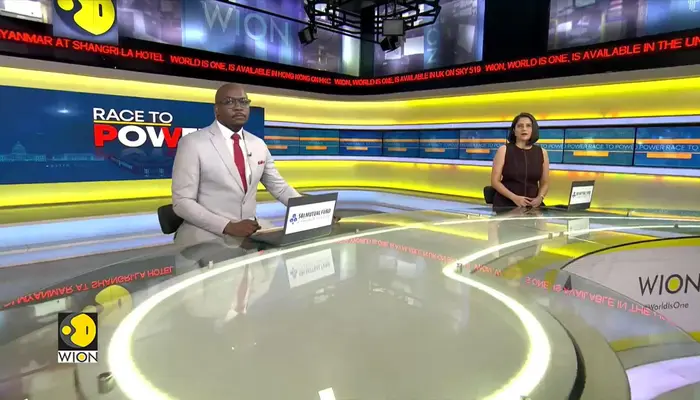
Operation Economic Outcast: Trump rolls out major sanctions against Iran, warns global allies | Race To Power

&imwidth=600&imheight=450&format=webp&quality=medium "Operation Economic Outcast: Trump rolls out major sanctions against Iran, warns global allies | Race To Power")
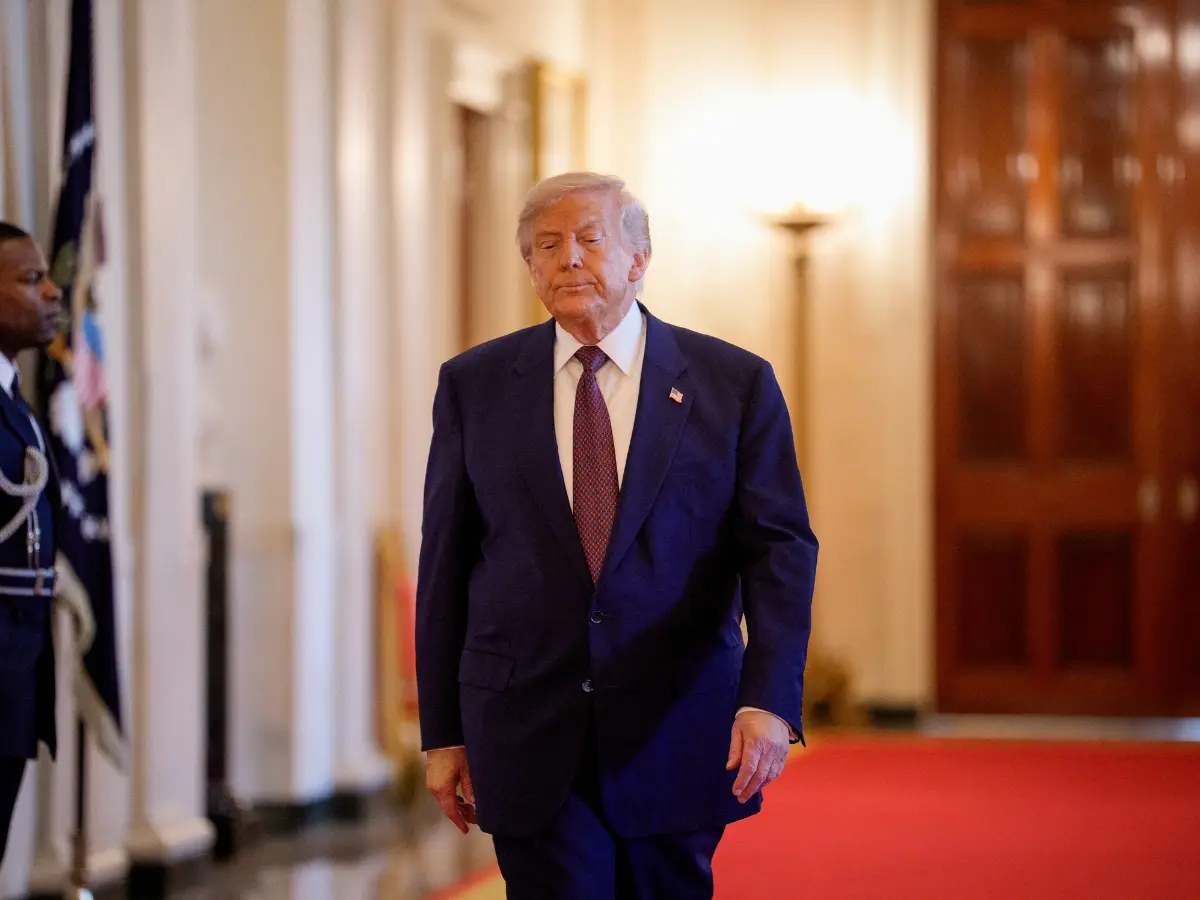
Operation Economic Outcast: Trump rolls out major sanctions against Iran, warns global allies Photograph: (Credit: AFP)
The Trump administration has launched 'Operation Economic Outcast,' hitting Iran with fresh sanctions and warning global economies against trading with Tehran.
The Trump administration rolled out a wave of sanctions against Iran, and has given this new stage of warfare a name: Operation Economic Outcast. But the warnings are not limited to Iran alone. It encompasses countries across the world, as Washington threatens secondary sanctions against anyone having economic ties to Iran. The question this raises is whether America's blanket threat paves the way for a global sanctions war, and if at all Iran can even be outcast.
The US Treasury has sanctioned 60 individuals, entities, and vessels. The list encompasses 5 key sectors: digital assets, technology, gold, aviation, and shipping. Bessent has also threatened to remove entities from the US dollar system if money is moved on behalf of Iran. But the Treasury Secretary's warning has no timeline for threatened penalties against world economies or global organisations. The sanctions notification also stopped short of targeting Chinese financial institutions suspected of facilitating Iran's oil trade. China is the biggest buyer of Iranian oil and serves as a crucial link to the global economy for Tehran. According to the US, Beijing accounts for 90 percent of Tehran's oil exports. Other key trade partners include UAE, Turkiye, Iraq and even India. China has previously warned the US that economic pressure does not resolve disputes. While Scott Bessent mentioned that the US President is quote "making phone calls to world leaders with specific requests to cease their interactions with Iran," he did not clarify if China's President Xi Jinping will also be on the list to receive a call from Trump.
Iran, on its part, continues to dismiss and even mock American sanctions. Tehran has a history of being on the receiving end of Washington's sanctions since 1979. But this time, Iran is leveraging something it has not done before: the geographical and strategic advantage that Iran has over a crucial chokepoint, which we have been hearing and talking about for months: the Strait of Hormuz.
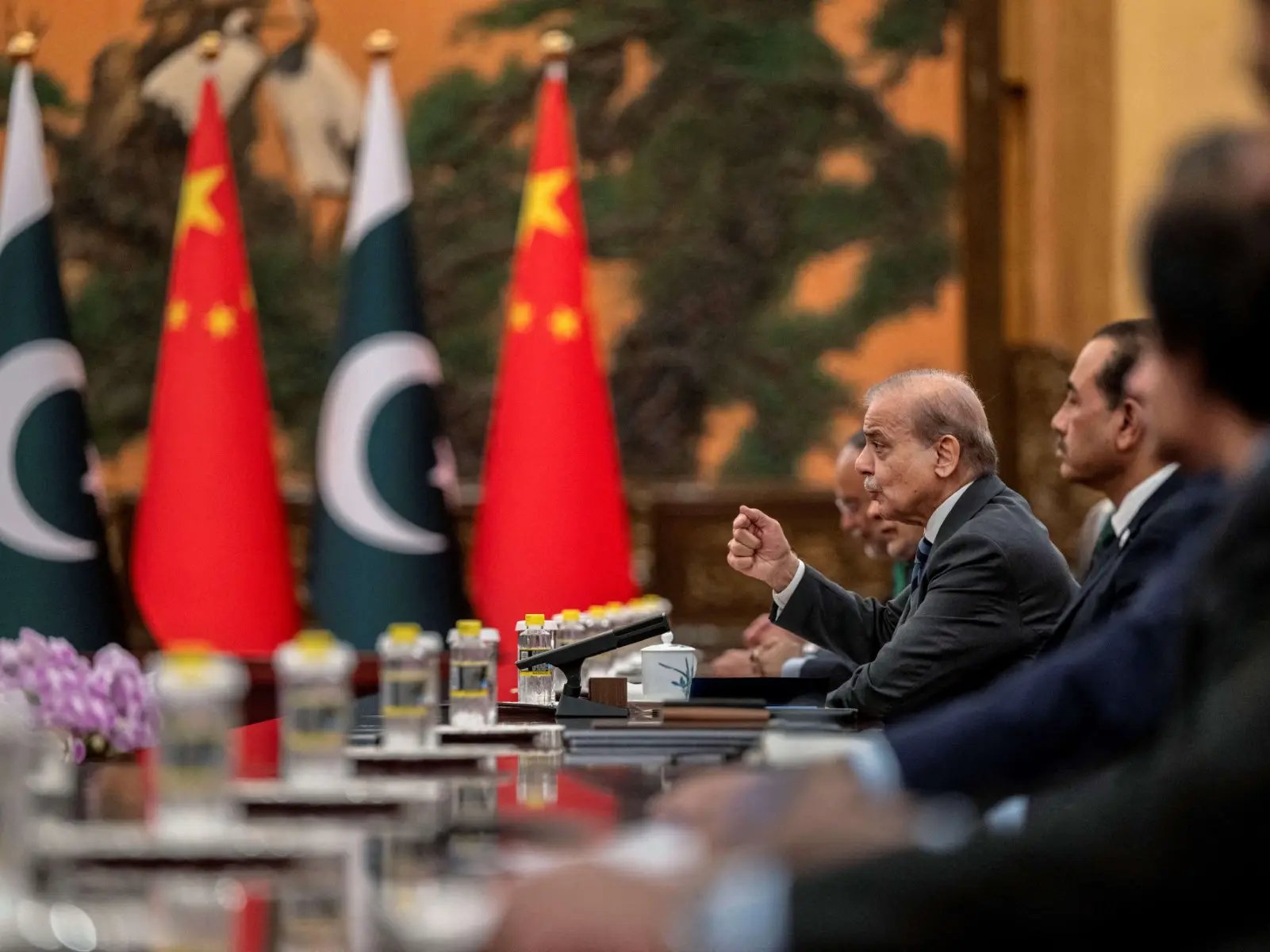
Despite America's big announcements to warn Iran and pressure the country to accept Trump's terms, Washington is aware of Tehran's advantages. And because of these advantages, reports say that the US has nudged Pakistan, through its Army Chief Asim Munir, to bring Iran back to the negotiation table. Munir is already in Iran for talks.
Iran has been doing two things meanwhile. The country's leadership is buying time until midterm elections in the US, and simultaneously, also negotiating an arrangement with Oman to manage the movement of vessels via the Strait of Hormuz.
Trending Stories
&im=FitAndFill=(700,400)&imwidth=280&imheight=210&format=webp&quality=medium)
&imwidth=280&imheight=210&format=webp&quality=medium)
&imwidth=280&imheight=210&format=webp&quality=medium)
&imwidth=280&imheight=210&format=webp&quality=medium)
&imwidth=280&imheight=210&format=webp&quality=medium)
&imwidth=280&imheight=210&format=webp&quality=medium)
&imwidth=280&imheight=210&format=webp&quality=medium)
&imwidth=280&imheight=210&format=webp&quality=medium)
&imwidth=280&imheight=210&format=webp&quality=medium)
&imwidth=280&imheight=210&format=webp&quality=medium)
&imwidth=280&imheight=210&format=webp&quality=medium)
&imwidth=280&imheight=210&format=webp&quality=medium)
&imwidth=280&imheight=210&format=webp&quality=medium)
&imwidth=280&imheight=210&format=webp&quality=medium)
&imwidth=280&imheight=210&format=webp&quality=medium)
&imwidth=280&imheight=210&format=webp&quality=medium)
&imwidth=280&imheight=210&format=webp&quality=medium)
&imwidth=280&imheight=210&format=webp&quality=medium)
&im=FitAndFill=(700,400)&imwidth=280&imheight=210&format=webp&quality=medium)
&imwidth=280&imheight=210&format=webp&quality=medium)
&imwidth=280&imheight=210&format=webp&quality=medium)
&imwidth=280&imheight=210&format=webp&quality=medium)
&imwidth=280&imheight=210&format=webp&quality=medium)
&imwidth=280&imheight=210&format=webp&quality=medium)
&imwidth=280&imheight=210&format=webp&quality=medium)
&imwidth=280&imheight=210&format=webp&quality=medium)
&im=FitAndFill=(700,400)&imwidth=280&imheight=210&format=webp&quality=medium)
&imwidth=280&imheight=210&format=webp&quality=medium)
&imwidth=280&imheight=210&format=webp&quality=medium)
&imwidth=280&imheight=210&format=webp&quality=medium)
&imwidth=280&imheight=210&format=webp&quality=medium)
And so these developments bring back the question: does Trump truly have the leverage he needs to pressurise Iran's leadership, or will the force of this strike be blunted with a new age global sanction war?