Why are cracks appearing in the TVK-Congress alliance in Tamil Nadu?

&imwidth=600&imheight=450&format=webp&quality=medium "Why are cracks appearing in the TVK-Congress alliance in Tamil Nadu?")
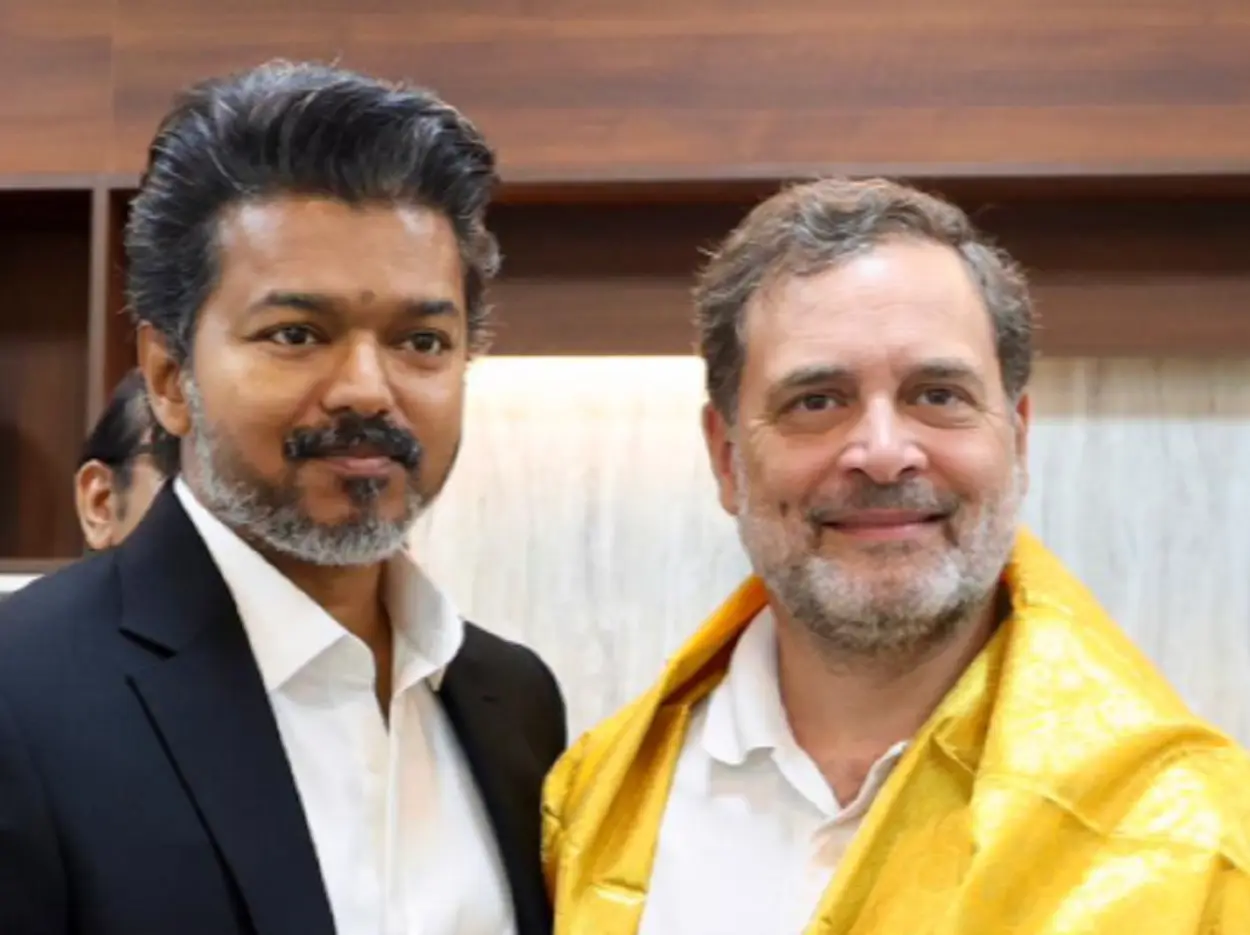
Tamil Nadu CM Vijay with Leader of Opposition in Lok Sabha Rahul Gandhi
The Congress is extremely unhappy over attempts by a section of the TVK to project Vijay as a possible PM candidate. That too, while being in alliance with the Congress, which has been pitching for India's Leader of Opposition Rahul Gandhi as the Prime Ministerial face.
Chief Minister Vijay's TVK-led coalition government in Tamil Nadu is just entering its fourth month at the helm of the state's affairs. Well within what is regarded as the six-month honeymoon period of a new Government, cracks are already appearing between the TVK and its major ally Congress. Despite the warm personal rapport and bonhomie seen between Congress leader Rahul Gandhi and Chief Minister Vijay during the latter’s swearing-in ceremony, TVK Ministers and MLAs have been relentlessly projecting CM Vijay as a possible Prime Ministerial candidate for the 2029 Lok Sabha polls. If the recent remarks of Congress MLA and Tamil Nadu Tourism Minister Rajesh Kumar are any indication, it is clear that the Congress is extremely unhappy over attempts by a section of the TVK to project Vijay as a possible PM candidate. That too, while being in alliance with the Congress which has been pitching for India's Leader of Opposition Rahul Gandhi as the Prime Ministerial face.
Speaking at a Congress party event in his native district Kanyakumari, Tourism Minister and Congress MLA Rajesh Kumar recently made Congress' stance amply clear. "In the 2029 Lok Sabha polls, our leader Rahul Gandhi will be elected as the Prime Minister... If TVK does not accept this, the two Congress Ministers in Tamil Nadu will not continue in these roles. Congress party means everything to us. Without Congress party, I am nothing... the Congress movement is everything. If Congress party wants us to resign tomorrow, we will resign the next moment. Every party can have their own stance and policies. For every one of us in the Congress party, Rahul Gandhi is our face."
Minister Rajesh Kumar's comments and its timing would give the impression that the differences between TVK and Congress are primarily over who would be the Prime Ministerial face. However, there is more to it than meets the eye. Though the TVK-led coalition has been in power for less than four months, a lot of differences and tensions have been simmering under the surface, far beneath the public glare. It would be fair to assume that the comments by Minister Rajesh Kumar carried the weight of all those unheard and unaddressed concerns that the Congress has been having with the TVK.
A coalition that does not have a convenor and grievance redressal mechanism
While the TVK Government celebrated its 100 days in power and is now stepping into its fourth month, there has been minimal progress regarding the structure of the overall TVK-led alliance, which comprises the Congress (five MLAs), VCK (two MLAs), IIUML (two MLAs) and the outside support of the Left parties (four MLAs). In all these months, Chief Minister Vijay chaired only a single meeting involving allied parties.
Even now, a convenor is yet to be appointed to address the differing opinions that are emerging among coalition partners. At a more basic level, this alliance remains without a formal name. It is being known only as the TVK-led coalition.
Trending Stories
&imwidth=280&imheight=210&format=webp&quality=medium)
&imwidth=280&imheight=210&format=webp&quality=medium)
&imwidth=280&imheight=210&format=webp&quality=medium)
&imwidth=280&imheight=210&format=webp&quality=medium)
&imwidth=280&imheight=210&format=webp&quality=medium)
&imwidth=280&imheight=210&format=webp&quality=medium)
&imwidth=280&imheight=210&format=webp&quality=medium)
&imwidth=280&imheight=210&format=webp&quality=medium)
&imwidth=280&imheight=210&format=webp&quality=medium)
&imwidth=280&imheight=210&format=webp&quality=medium)
&imwidth=280&imheight=210&format=webp&quality=medium)
&imwidth=280&imheight=210&format=webp&quality=medium)

&imwidth=280&imheight=210&format=webp&quality=medium)
&imwidth=280&imheight=210&format=webp&quality=medium)
&imwidth=280&imheight=210&format=webp&quality=medium)
&imwidth=280&imheight=210&format=webp&quality=medium)
&imwidth=280&imheight=210&format=webp&quality=medium)
&imwidth=280&imheight=210&format=webp&quality=medium)
&im=FitAndFill=(700,400)&imwidth=280&imheight=210&format=webp&quality=medium)
&imwidth=280&imheight=210&format=webp&quality=medium)
&imwidth=280&imheight=210&format=webp&quality=medium)
&imwidth=280&imheight=210&format=webp&quality=medium)
&imwidth=280&imheight=210&format=webp&quality=medium)
&imwidth=280&imheight=210&format=webp&quality=medium)
&imwidth=280&imheight=210&format=webp&quality=medium)
&imwidth=280&imheight=210&format=webp&quality=medium)
&im=FitAndFill=(700,400)&imwidth=280&imheight=210&format=webp&quality=medium)
&imwidth=280&imheight=210&format=webp&quality=medium)
&im=FitAndFill=(700,400)&imwidth=280&imheight=210&format=webp&quality=medium)
&imwidth=280&imheight=210&format=webp&quality=medium)
&imwidth=280&imheight=210&format=webp&quality=medium)
&im=FitAndFill=(700,400)&imwidth=280&imheight=210&format=webp&quality=medium)
&imwidth=280&imheight=210&format=webp&quality=medium)
&imwidth=280&imheight=210&format=webp&quality=medium)
&imwidth=280&imheight=210&format=webp&quality=medium)
So far, there have been no discussions regarding a common minimum programme to reflect the electoral promises of the coalition partners. As a result, the alliance may appear directionless. This situation has led to feelings of dissatisfaction among the Congress party members, and party cadre have started to express their grievances with this new government.
Congress was given 2 Ministers and 1 MP. Is that it?
For the support provided by the five MLAs, TVK granted two Ministerial berths and a Rajya Sabha MP seat to the Congress. However, questions remain within the Congress on whether the party has gotten its due share in several other politically appointed roles within Tamil Nadu.
The Tamil Nadu Government has completed the appointments of government pleaders and public prosecutors, chairpersons for various boards across government departments, with opportunities predominantly being extended to members of Vijay's TVK, while those from allied parties are being kept at bay.
It is noteworthy that there has been a lack of adequate negotiations or consultations between the TVK and its coalition partners in this regard. Many senior and junior workers of the Congress who had been awaiting fair opportunities within the legal system have expressed significant disappointment regarding the outcomes of this process. The growing discontent among the Congress party members is becoming increasingly apparent.
Several inquiries regarding the fairness of recent decisions are being directed towards the senior leadership of the Tamil Nadu Congress. When a potential candidate for a significant position approached the Congress ministers or the state leadership, they were unable to provide satisfactory responses.
Furthermore, Parliamentarian Praveen Charavarthy, who was once considered an adroit negotiator with the TVK, now appears to lack a voice in these discussions. There is currently a lack of clarity regarding the reasons for the delay in appointing a convenor for the alliance and the rationale behind the approach of the TVK in filling government positions with only their own people.
Is it to be perceived that the TVK leadership has conveyed to the Congress High Command in Delhi, as well as to the leadership of the other coalition parties, that their due share in power has already been allocated?
How to seal the cracks? The way ahead for the TVK-led coalition...
Chief Minister Joseph Vijay's electoral victory represents a significant milestone in the political landscape of Tamil Nadu. This achievement is noteworthy as it has contributed to liberating the Congress Party and other political entities from the popular perception among Dravidian parties that coalition governments are ill-suited for the state.
Meanwhile, it is essential to recognize the potential risks associated with presenting the TVK as the preeminent force within the coalition, while characterizing allies (Congress, VCK, IUML) as mere numerical supporters. This imbalance in representation could jeopardize the integrity of the significant alliance-related commitments outlined by Chief Minister Vijay during his election campaigns.
It is crucial to confront and address these issues and differences promptly. Tackling these issues will facilitate a more equitable recognition of all parties as valuable contributors to the coalition's objectives, particularly in anticipation of the forthcoming local body elections and the 2029 parliamentary elections.
Therefore, the adoption of the longstanding Kerala model of coalition governance, along with the establishment of a structured alliance framework, is essential and should be prioritized. It is necessary to establish a new name for the alliance, appoint conveners at the state, district, and block levels, facilitate an equitable allocation of power, and advance discussions and consultations among all coalition partners in preparation for the local body elections.
These actions are critical for promoting unity in the face of challenges posed by the Dravidian parties, within the state assembly and in the broader context. This strategy is not merely a choice; it is a vital commitment for coalition parties, particularly the Congress party in Tamil Nadu, to embrace the aspirations of their supporters and to celebrate the shared enthusiasm inspired by the leadership of the TVK.
(Disclaimer: The views of the writer do not represent the views of WION or ZMCL. Nor does WION or ZMCL endorse the views of the writer.)