

&imwidth=800&imheight=600&format=webp&quality=medium "Under Trump 2.0, US slides back to the 19th century")
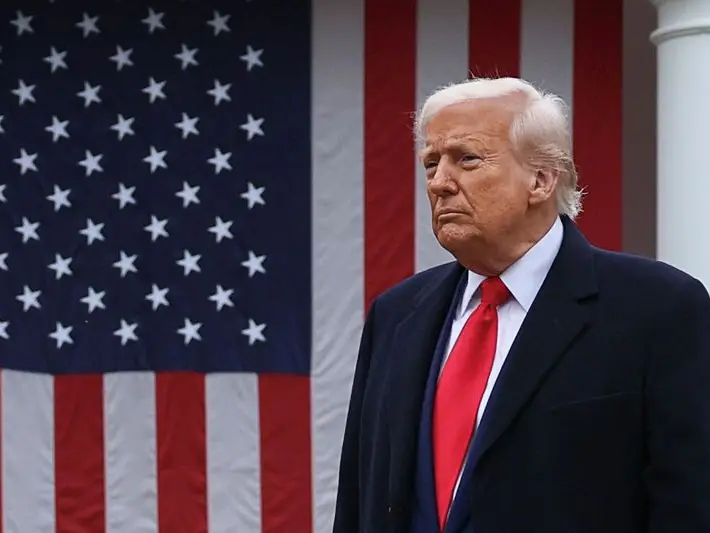
Statements, comments, social media posts by U.S. President Donald Trump could fill a vast library, m ore so because they usually prompt learned analyses of what they mean what they say. Many seem so bizarre that Trump watchers scour the Internet to see whether they are authentic.
The latest case in point is an exchange between Norwegian Prime Minister Jonas Gahr Store and Trump after the American president threatened to impose a 10 per cent tariff on eight European countries, including Norway, if they failed to back his plan to acquire – “one way or the other” – Greenland.
In a polite text message, the Norwegian suggested a telephone call to de-escalate the tension and shock the tariff threat has caused among the members of the European Union and NATO. Within 17 minutes, Trump replied with a text that shed light on reasons that go beyond Washington’s official rationale – that Greenland if essential for the national security of the United States.
“Dear Jonas,” Trump wrote, “Considering your Country decided to not give me the Nobel Peace Prize for having stopped 8 Wars PLUS, I NO LONGER feel an obligation to think purely of Peace, although it will always be predominant, but now can think what is good an proper for the United States of America. Denmark cannot protect that land from Russia or China and why do they have a “right of ownership” anyway? There are no written documents…”
Trump statements are a fact-checker’s dream, but this one in particular highlights the spin and omissions that are standard procedure of the Trump White House. Greenland is an autonomous self-governing country within the Kingdom of Denmark, and a 1951 treaty with Denmark allows the U.S. to operate as many U.S. bases as Washington thinks necessary.
Trump’s complaint about Norway failing to give him the Nobel Peace Prize fails to mention that the Prize committee is an independent entity and the Norwegian government plays no role in the selection of its prizes.
Trending Stories
&imwidth=180&imheight=135&format=webp&quality=medium)
Tu Hai Meri Kiran box office: Sonakshi Sinha and Zaheer Iqbal's film fails to take off, mints Rs 15 Lakh on day 1
&imwidth=180&imheight=135&format=webp&quality=medium)
'Already tired of his 9-to-5': Baby born with a moustache becomes internet sensation, video goes viral | Watch
&imwidth=180&imheight=135&format=webp&quality=medium)
French Open: PV Sindhu storms into final with win over Hina Akechi
&imwidth=180&imheight=135&format=webp&quality=medium)
Viral video shows cross falling on Colombia priest, no official confirmation | WATCH
&imwidth=180&imheight=135&format=webp&quality=medium)
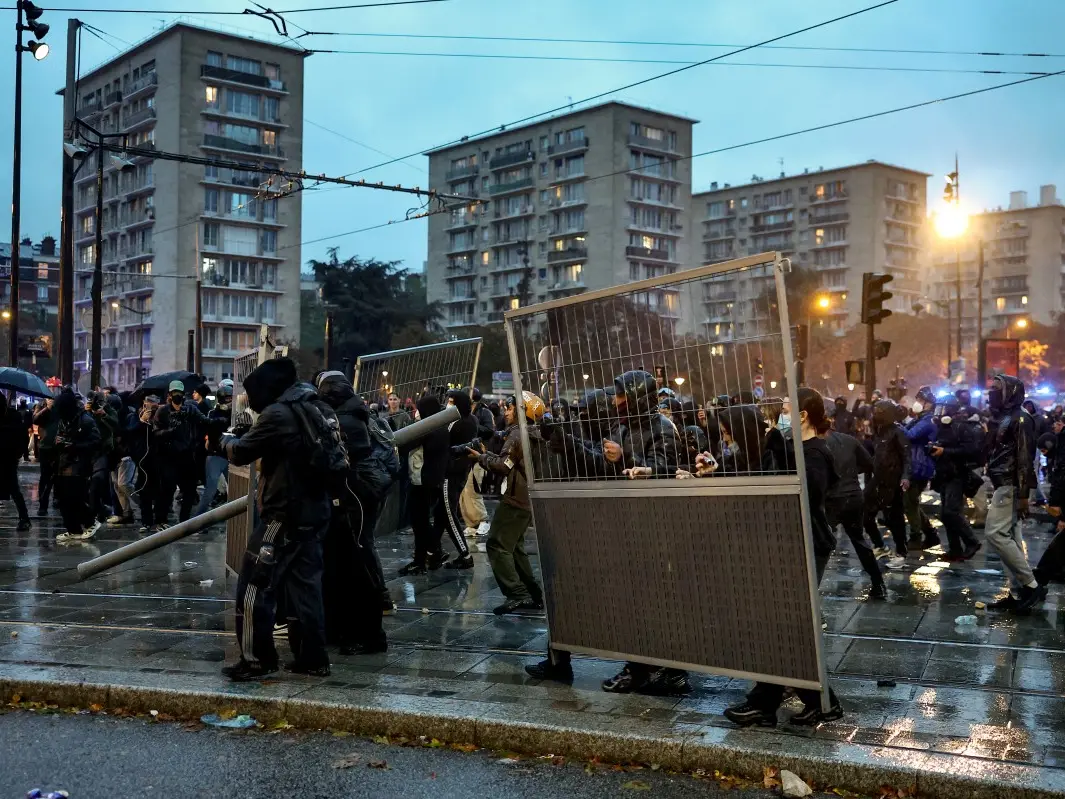
France protests: Clashes erupt between police and protesters in Paris as nearly 410,000 take to streets across country
&imwidth=180&imheight=135&format=webp&quality=medium)
Global cybersecurity alert: PHP flaws trigger website shutdowns as hack attempts surge into millions
&imwidth=180&imheight=135&format=webp&quality=medium)
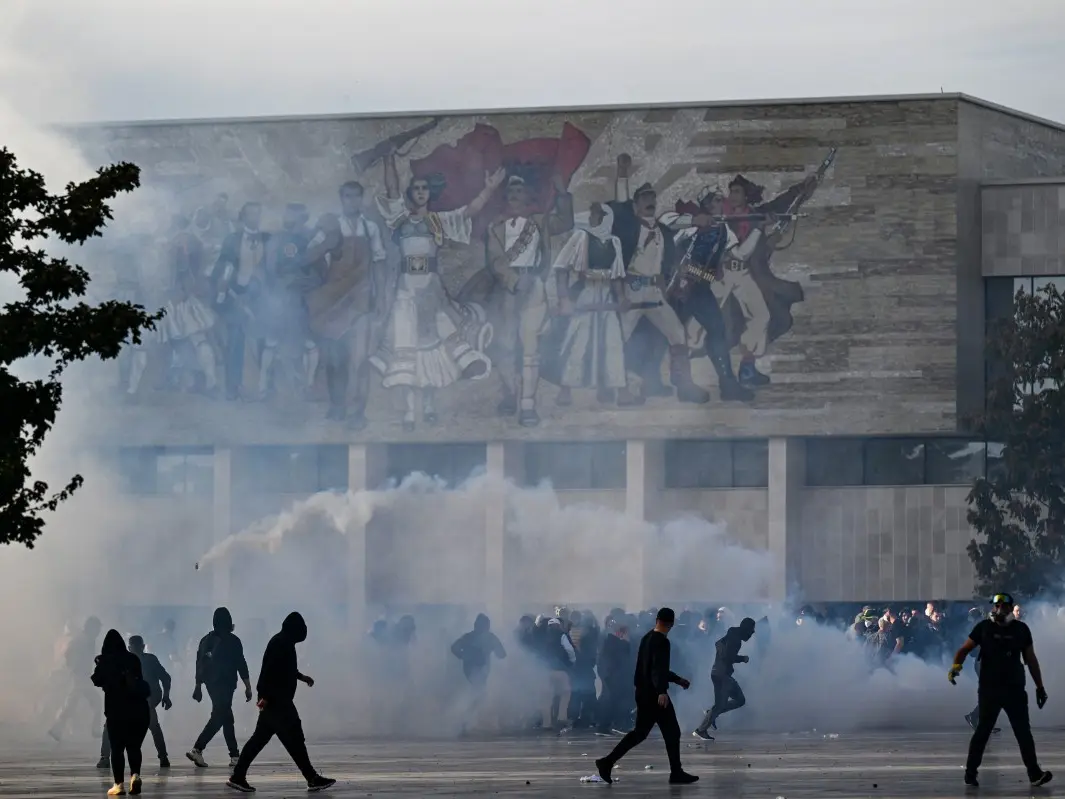
Albania protests enter 12th day as students clash with police, demand Rama's exit
&imwidth=180&imheight=135&format=webp&quality=medium)
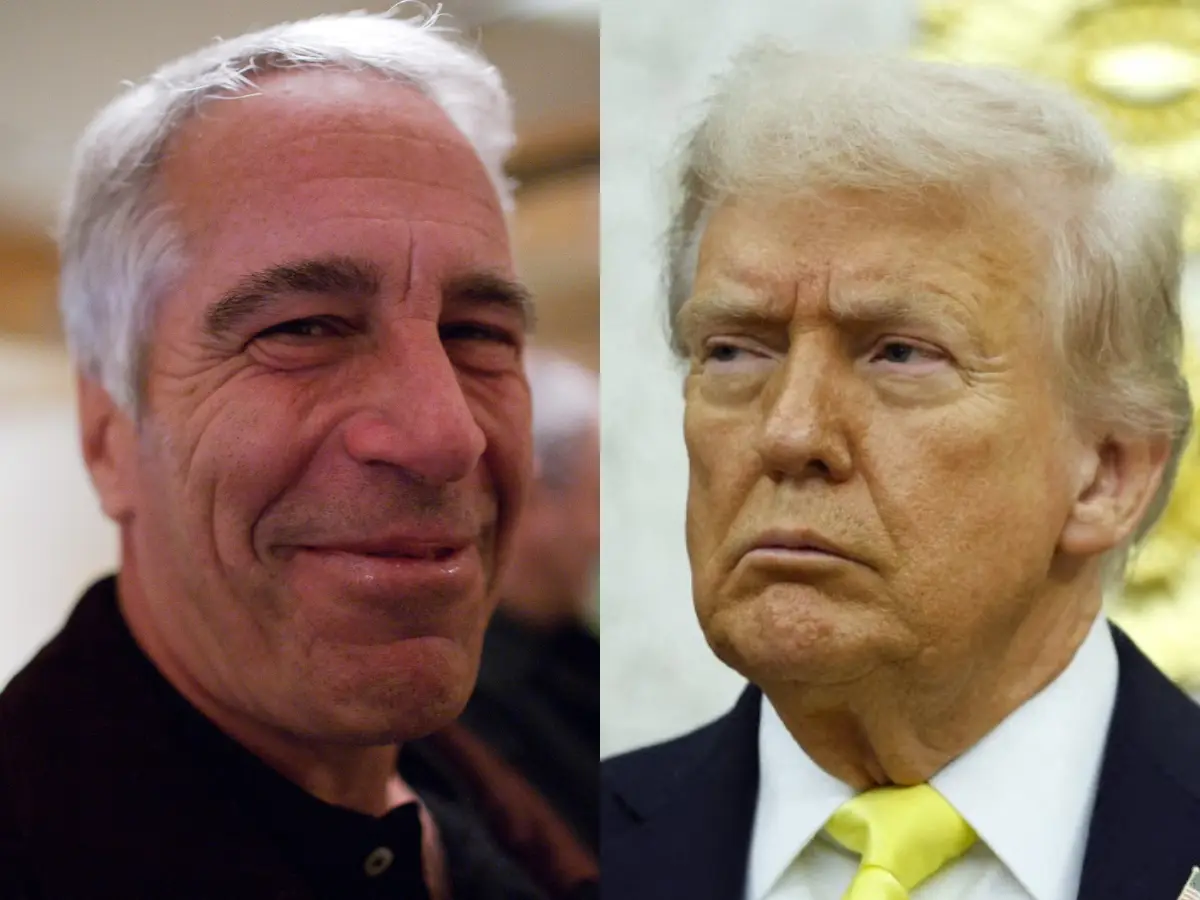
US Midterms 2026: Dead for years, paedophile Jeffrey Epstein finds mention in over 500 campaign ads; Texas alone spent $10 million
&imwidth=180&imheight=135&format=webp&quality=medium)
Could you survive 3 days without power? UK tells households to prepare now
&imwidth=180&imheight=135&format=webp&quality=medium)
After France and Italy, protests erupt in Spain: What’s fueling the anger?
&imwidth=180&imheight=135&format=webp&quality=medium)
Pezeshkian says Iranians ‘struggling to put food on the table’ as war with US drags on
&imwidth=180&imheight=135&format=webp&quality=medium)
Negotiators from Ukraine, Russia, United States to meet in Abu Dhabi: Zelensky
&imwidth=180&imheight=135&format=webp&quality=medium)
Horrific video shows the moment 18-year-old fell to her death from Mexico amusement park ride
&imwidth=180&imheight=135&format=webp&quality=medium)
Farooq Abdullah says Pakistan’s raising of Kashmir issue keeps pressure on Delhi
&imwidth=180&imheight=135&format=webp&quality=medium)
Trump invokes Operation Sindoor at US midterm rally, claims 250% tariffs stopped India-Pakistan war
&imwidth=180&imheight=135&format=webp&quality=medium)
AI deepfakes are spreading online: Why is removing them so difficult?
&imwidth=180&imheight=135&format=webp&quality=medium)
India-China face-off continues near Arunachal’s Taksing, reveals ITBP chief in first official confirmation of tensions
&imwidth=180&imheight=135&format=webp&quality=medium)
'You’re a horrible little reporter, aren’t you?': Trump snaps at NBC reporter questioning his support for Ramaswamy's campaign ad
&imwidth=180&imheight=135&format=webp&quality=medium)
Rising Asia Cup 2026 schedule announced, India-Pakistan clash set for Nov 22
&im=FitAndFill=(700,400)&imwidth=180&imheight=135&format=webp&quality=medium)
Watched Manoj Bajpayee’s Gajab Raat on Netflix? 5 movies and TV shows to watch next on OTT
&im=FitAndFill=(700,400)&imwidth=180&imheight=135&format=webp&quality=medium)
US midterm elections 2026: Minnesota heads to polls in the shadow of Minneapolis ICE shootings
&im=FitAndFill=(700,400)&imwidth=180&imheight=135&format=webp&quality=medium)
New Friday OTT releases (October 23, 2026): Gajab Raat, Dorothy, Chaar Yaar- Watch these 6 new movies and TV shows on Netflix, Prime Video and more
&imwidth=180&imheight=135&format=webp&quality=medium)
Can Putin cheat death? All about his daughter’s billion-dollar quest for immortality
&imwidth=180&imheight=135&format=webp&quality=medium)
Tu Hai Meri Kiran film review: Sonakshi Sinha and Zaheer Iqbal's thriller gets tangled in its own twists
&imwidth=180&imheight=135&format=webp&quality=medium)
Hitler’s ‘Eagle’s Nest’ mountain retreat wrecked by fire, suspect detained: What to know about the Nazi-era site
&imwidth=180&imheight=135&format=webp&quality=medium)
Scientists make digital nose that can sniff and send scents over the internet
&imwidth=180&imheight=135&format=webp&quality=medium)
France protests: 135 arrested, weapons seized as fresh demonstrations erupt amid heavy security
&imwidth=180&imheight=135&format=webp&quality=medium)
Bodies of 2 missing Japanese climbers recovered from Himalayan peak
&imwidth=180&imheight=135&format=webp&quality=medium)
UK Police confirm receiving letter containing number of claims about Meghan Markle's father in 2019, not 2018
&imwidth=180&imheight=135&format=webp&quality=medium)
16-foot doomsday fish in Chile triggers fears that the next earthquake is coming
&imwidth=180&imheight=135&format=webp&quality=medium)
AI slop or smart strategy? South African author Coral Hart defends Her 370 AI- assisted books in 20 months
&imwidth=180&imheight=135&format=webp&quality=medium)
'My name has always been Ilhan Omar': Congresswoman hits back at Trump, calls him a 'creep'
&imwidth=180&imheight=135&format=webp&quality=medium)
Pakistan airline PIA unveils new crew uniforms, faces online criticism
&im=FitAndFill=(700,400)&imwidth=180&imheight=135&format=webp&quality=medium)
What is the real meaning behind Pete Hegseth's tattoos?
&imwidth=180&imheight=135&format=webp&quality=medium)
Saudi says debris fell in Mecca, Medina after missile interceptions; Houthis deny targeting holy cities
No matter. Trump says he is determined to impose a 10 per cent tariff on Denmark, Sweden, France, Germany, Britain, the Netherlands and Finland unless they bend to his will and stop opposing his plans to own Greenland. The tariffs will jump to 25 percent by June 1 and stay at that level as long as the country remains part of Denmark.
Denmark is a founding member of NATO and military intervention by the U.S., which Trump has not taken off the table, would prompt the collapse of one of the world’s most effective military alliances.
Trump is likely to address the issue on Wednesday at the annual meeting of the World Economic Forum (WEF) on Wednesday (Jan. 21). Whether he and the large delegation he is taking along will be able to convince that Trump’s 19th century worldview – might makes right – fits the 21st century remains to be seen.
Both the president and some of his closest aides have been unambiguous of how they see the world since Trump took office exactly a year ago.
Stephen Miller, who is White House chief of staff for policy, put I bluntly in a television interview in which the host referred to the network of international alliances and rules promoted by the U.S. after World War Two.
“You cane talk all about you want about international niceties and everything else,” Miller said. “But we live in te real world that is governed by strength, that is governed by force, that is governed by power. These are the iron laws of the world.”
His boss, Trump, went one step further in an interview with the New York Times, whose reporters asked him whether he saw any limits on his global powers. “Yeah, there is one thing, “Trump replied, “my own morality, my own mind. It’s the only thing that can stop me. I don’t need international law. I’m not looking to hurt people.”
This mindset is reflected in America’s new National Security Strategy, published on December 4. A voluminous document, it differs from previous strategic guidelines by an emphasis on regional balances of power. It stresses that America’s fundamental interest is in the Western Hemisphere, which includes Greenland.
The document makes clear that America wants to shift to a new world order of spheres of influence. The strategy invokes the Monroe Doctrine, a policy vision first articulated in 1823 by then-President James Monroe, who warned European powers to stay out of Latin America, where several countries had just broken free from Spanish and Portuguese empires.
“The Monroe Doctrine is a big deal, Trump told reporters at Mar-a-Lago. “But we superseded it by a lot, a whole lot, by a real lot. They now call it the Donroe Doctrine.”
Its first application was a spectacular military success when U.S. Special Forces, in an intricate operation supported by 150 aircraft, snatched Venezuela’s long-time dictator, Nicolas Maduro, from his home in Caracas and brought him and his wife to New York to stand trial for drug smuggling and “hosting foreign adversaries in our region.”
That referred to Cubans who served as part of the security detail of Maduro – 32 were killed in the attack –and Iranian electronic intelligence experts. Their presence, according to Trump, violated the core principles of U.S. foreign policy.
Carving out spheres of influence by big powers is an idea shared by Russian President Vladimir Putin, whose unprovoked war on Ukraine, now nearing its fifth year, is an attempt to recreate the Kremlin-dominated Soviet Union as his sphere of influence. Perhaps that helps understand Trump’s apparent affinity for the Russian dictator.
Historians point out that the 19th-century concept of spheres of influence dominated by leaders who believed that might makes right helped the world to slide into two devastating world wars.
