Raging deadly conflict in Sahel: The challenge of juntas

&imwidth=600&imheight=450&format=webp&quality=medium "Raging deadly conflict in Sahel: The challenge of juntas")
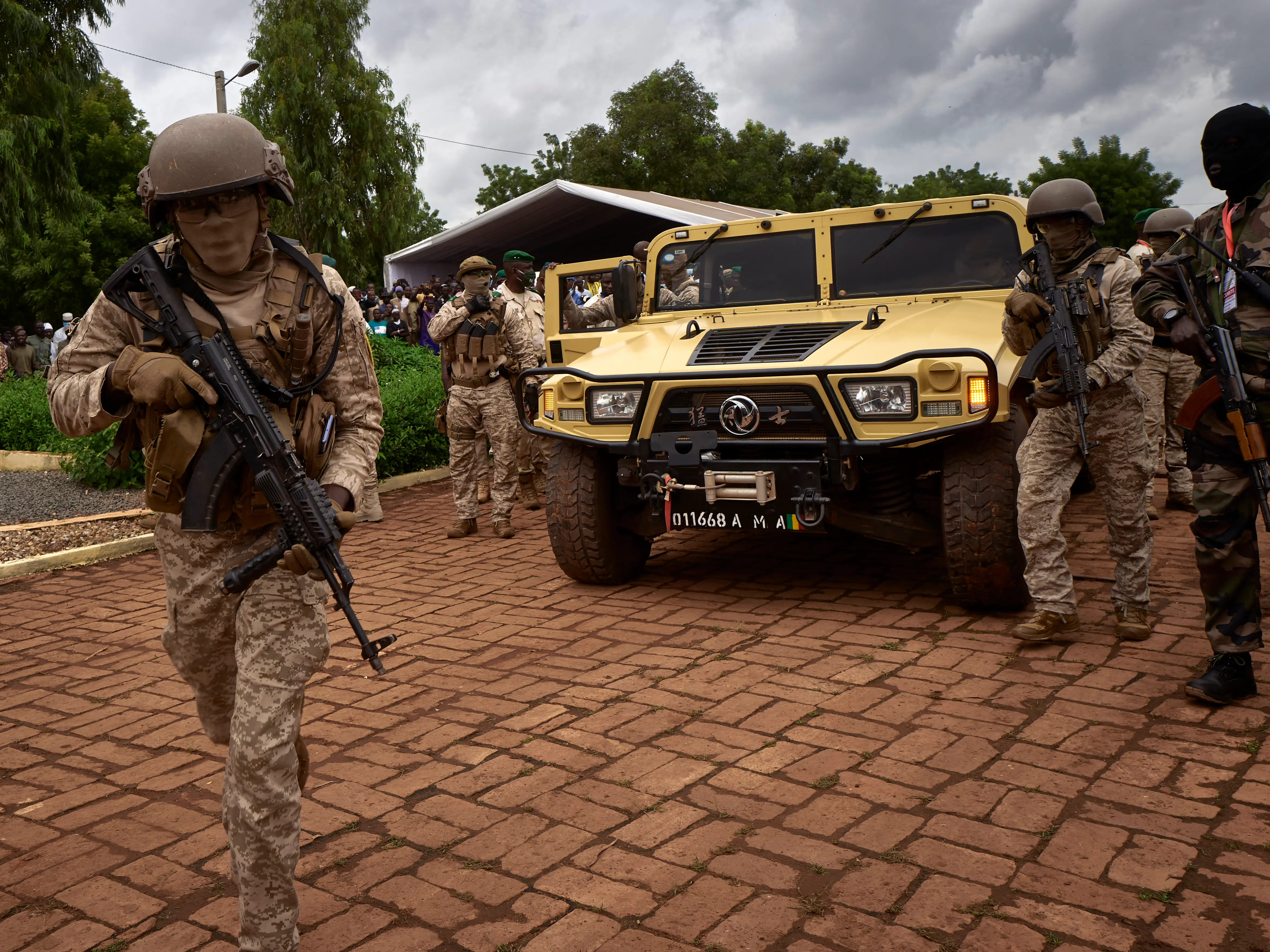
Jihadist groups control vast areas of Burkina Faso, Mali, & Niger, making central Sahel world's deadliest terror hub Photograph: (Credit: AFP/File Photo)
An analysis of the escalating conflict across Africa's Sahel region and how military juntas in Mali, Burkina Faso, and Niger struggle to contain rising jihadist violence.
Conflict remains rampant across junta-led Mali, Burkina Faso, and Niger, collectively organised as the Alliance of Sahel States (AES), despite the formation of a joint military force to combat jihadists alongside Russian security forces. Data-tracking groups report more than 800 political violence and terrorist events across the three countries so far this year, disappointing citizens who had hoped for improved security following the expulsion of French and Western troops.
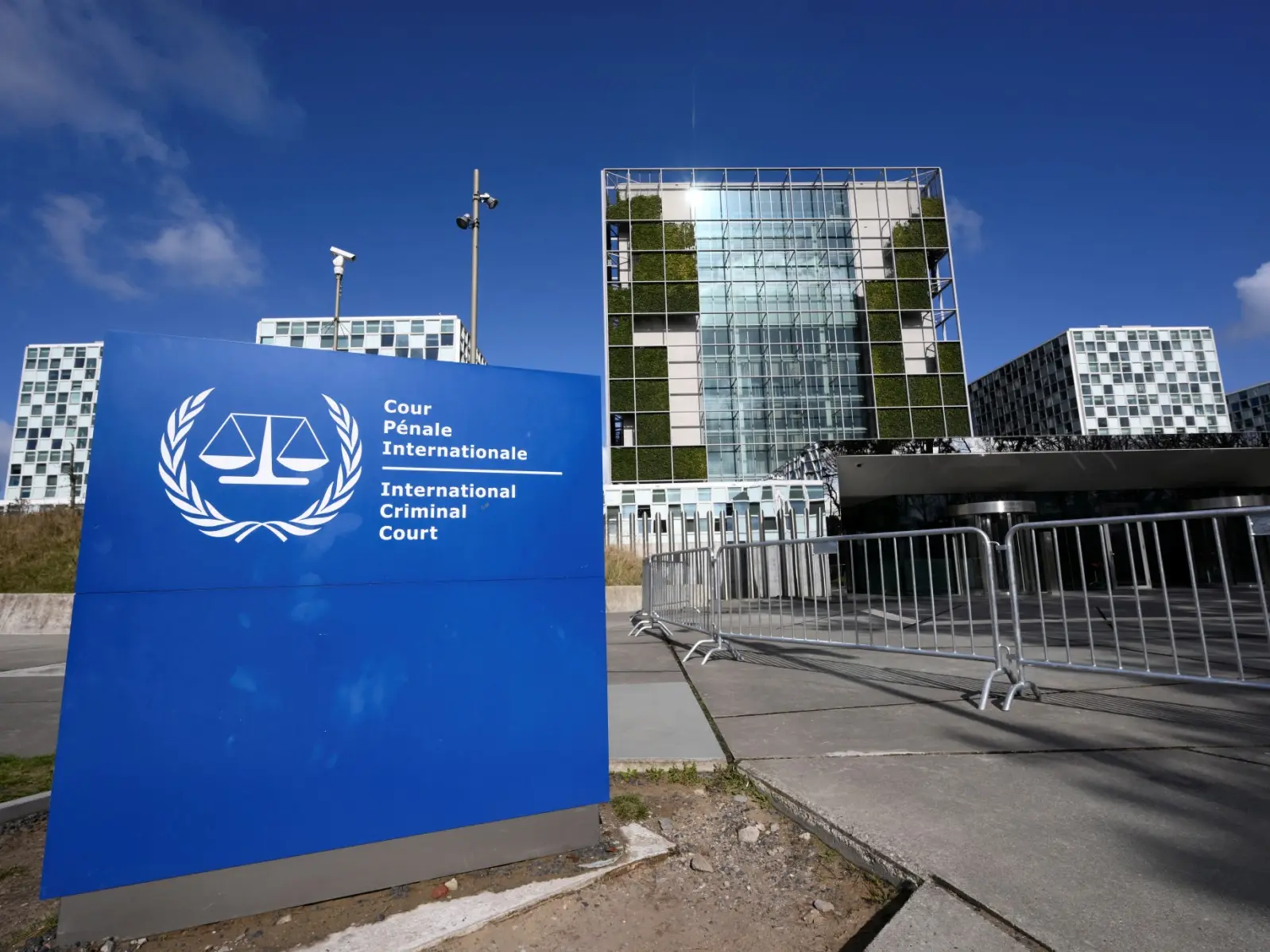
Jihadist groups control vast swathes of Burkina Faso, Mali, and Niger, turning the central Sahel into the world's deadliest epicentre for terrorism, accounting for over half of all global terrorism-related deaths, according to foreign relations and security monitoring groups. All three nations have withdrawn from the Economic Community of West African States (ECOWAS) and remain suspended from the African Union (AU), leaving them uncommitted to regional assistance frameworks. Furthermore, their ongoing efforts to withdraw from the International Criminal Court (ICC) have deepened their international isolation.
Also read: Nigeria 2027 Elections: Presidential candidates, party leaders sign National Peace Accord in Abuja
An attack on August 29, described as a military mutiny, marked the third major assault in Niger this year. The violence targeted key infrastructure near the presidential palace, Diori Hamani International Airport, and Base 101 air force base. Although authorities report that normalcy has been restored, the clashes resulted in an unspecified number of casualties. The strategic airport had previously suffered major attacks in January and late June.
The government reported that 20 assailants were killed during the January assault, while 11 soldiers and 22 attackers died in June. No official communiqués regarding Saturday's clashes have been issued by regional organisations such as ECOWAS or the AU, nor by neighbouring states, with Algeria being the sole African nation to publicly condemn the attack and express support for the Nigerien government. These extremist networks pose a threat to the entire continent, increasingly spilling into neighbouring countries that already face distinct security crises, such as Nigeria's struggle against Boko Haram and ISWAP.
Trending Stories
&im=FitAndFill=(700,400)&imwidth=280&imheight=210&format=webp&quality=medium)
&imwidth=280&imheight=210&format=webp&quality=medium)
&imwidth=280&imheight=210&format=webp&quality=medium)
&imwidth=280&imheight=210&format=webp&quality=medium)
&imwidth=280&imheight=210&format=webp&quality=medium)
&imwidth=280&imheight=210&format=webp&quality=medium)
&imwidth=280&imheight=210&format=webp&quality=medium)
&imwidth=280&imheight=210&format=webp&quality=medium)
&imwidth=280&imheight=210&format=webp&quality=medium)
&imwidth=280&imheight=210&format=webp&quality=medium)
&imwidth=280&imheight=210&format=webp&quality=medium)
&imwidth=280&imheight=210&format=webp&quality=medium)
&imwidth=280&imheight=210&format=webp&quality=medium)
&imwidth=280&imheight=210&format=webp&quality=medium)
&imwidth=280&imheight=210&format=webp&quality=medium)
&imwidth=280&imheight=210&format=webp&quality=medium)
&imwidth=280&imheight=210&format=webp&quality=medium)
&imwidth=280&imheight=210&format=webp&quality=medium)
&imwidth=280&imheight=210&format=webp&quality=medium)
&imwidth=280&imheight=210&format=webp&quality=medium)
&imwidth=280&imheight=210&format=webp&quality=medium)
&imwidth=280&imheight=210&format=webp&quality=medium)
&imwidth=280&imheight=210&format=webp&quality=medium)
&imwidth=280&imheight=210&format=webp&quality=medium)
&im=FitAndFill=(700,400)&imwidth=280&imheight=210&format=webp&quality=medium)
&imwidth=280&imheight=210&format=webp&quality=medium)
&imwidth=280&imheight=210&format=webp&quality=medium)
&imwidth=280&imheight=210&format=webp&quality=medium)
&imwidth=280&imheight=210&format=webp&quality=medium)
&imwidth=280&imheight=210&format=webp&quality=medium)
&imwidth=280&imheight=210&format=webp&quality=medium)
&imwidth=280&imheight=210&format=webp&quality=medium)
&imwidth=280&imheight=210&format=webp&quality=medium)
&imwidth=280&imheight=210&format=webp&quality=medium)
&imwidth=280&imheight=210&format=webp&quality=medium)
While Sahelian jihadist factions occasionally battle one another for territorial dominance, their primary objective remains establishing Islamic governance. Their aggression impacts both military personnel and civilians alike. The al-Qaeda-linked coalition Jama'at Nusrat al-Islam wal-Muslimin (JNIM) is responsible for approximately 76% of all militant-linked fatalities in the region, while the Islamic State in the Greater Sahara (ISGS), the Islamic State in the Sahel (EIS), and affiliated groups account for the remainder.
