
&imwidth=800&imheight=600&format=webp&quality=medium "PM Narendra Modi skipped key global summits recently: Strategy, symbolism or scheduling?")
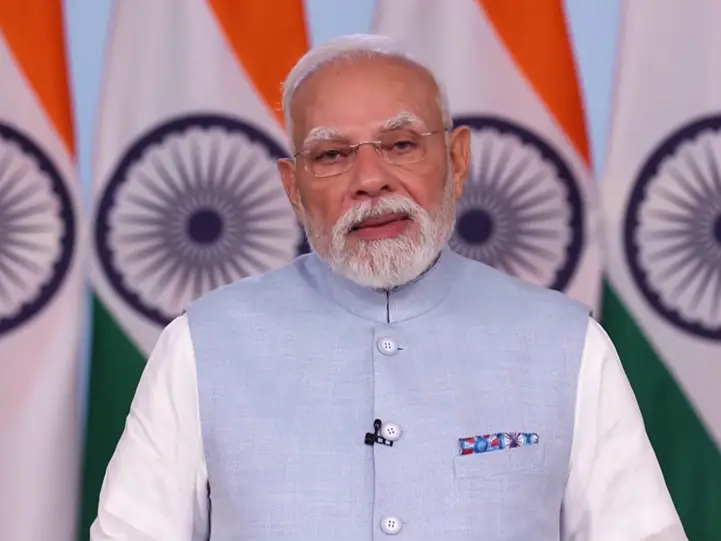
Prime Minister Narendra Modi's leadership has been a significant factor in the global acceptance of India as a key player in international affairs. He is considered one of the most prominent leaders. His foreign trips are marked by personal rapport including hugs and handshakes with leaders and diaspora events . But in recent months, Modi was missing from some major global meetings, where India was represented by officials or ministers. Particularly noteworthy are the Gaza Peace Summit in Egypt and the ASEAN–India Summit in Kuala Lumpur. Is India re-evaluating its diplomatic tactics, or is it just trying to stay away from awkward situations?
The Gaza Peace Summit: A calculated absence?
India was represented at the landmark event by the Minister of State for External Affairs Kirti Vardhan Singh when the world leaders met in Sharm el-Sheikh to discuss the Gaza peace plan. The summit, co-chaired by Egypt’s President Abdel Fattah el-Sisi and US President Donald Trump, brought together more than 20 heads of state, which included Pakistan’s Prime Minister Shehbaz Sharif.

Was Modi's absence intentional?As per the reports in the Indian media, New Delhi was concerned about the political fallout caused by Pakistan's participation in the discussions, given that relations remain strained in the wake of Operation Sindoor. The fact that Trump was the prominent figure in the summit may have led Modi's team to exercise caution, given the US president's unpredictable rhetoric or claims of having mediated to resolve India-Pakistan tensions. The likes of Shashi Tharoor in the opposition were quick to condemn the decision as “a missed opportunity for India to play a central role in shaping West Asia’s peace architecture.”
ASEAN Summit: Priorities vsOptics
In October, Modi also decided against in-person participation at the ASEAN–India Summit, choosing instead to attend via video link. This summit was viewed as an opportunity for India to further its “Act East Policy” — especially given China’s expanding influence in the Indo-Pacific. The Prime Minister’s Office (PMO) officially said that scheduling conflicts and the proximity of the Diwali festival were the reasons for his virtual participation.
Trending Stories
)
Mushtaq Khan dies at 56: When Welcome actor opened up about his salary for iconic role Ballu
)
US Supreme Court backs Trump administration's use of SAVE database to check voter citizenship
)
Heart of the Beast review: Brad Pitt leads a gripping tale of survival and loyalty
)
Outrage erupts after 3-year-old is married to 60-year-old man in Pakistan, link to her sister's murder being probed
)
Pakistan deploys over 20,000 security personnel as PTI vows march for Imran Khan's release
)
Asian Games: Shooting spree continues as India win silver in women’s 50m rifle 3P team event
)
‘Not just a local tragedy’: Nepal PM Shah warns UN of growing climate threat, says Nepal floods were 'a warning to the world'
)
OpenAI AI Agents hacked 4 websites before Hugging Face, researchers reveal
)
Pentagon quietly adds 37 wounded troops to Iran war tally without explaining when or how
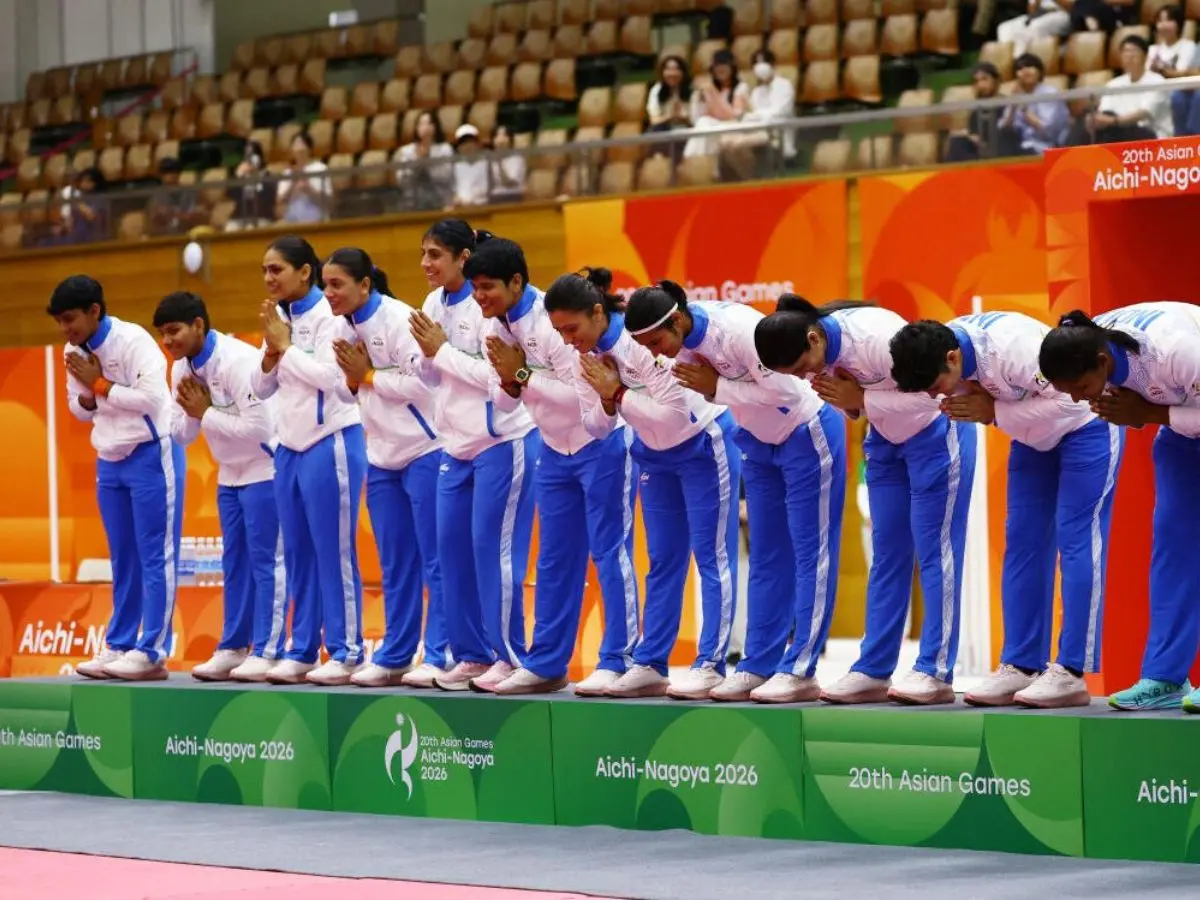)
Asian Games 2026: India women’s kabaddi team edge Iran 37-34 to clinch 3rd gold medal
)
Saudi Arabia still harbours intent to develop nuclear weapons, reveals US intelligence: Report
&im=FitAndFill=(700,400))
New Friday OTT releases (September 25, 2026): Don’t Be Shy, Hunkkaar: The Roar, Mango Pachcha- 6 movies and TV shows on Netflix, Prime Video and more
)
Yemen's war escalates: Saudi-backed leader calls for general mobilisation against the Houthis
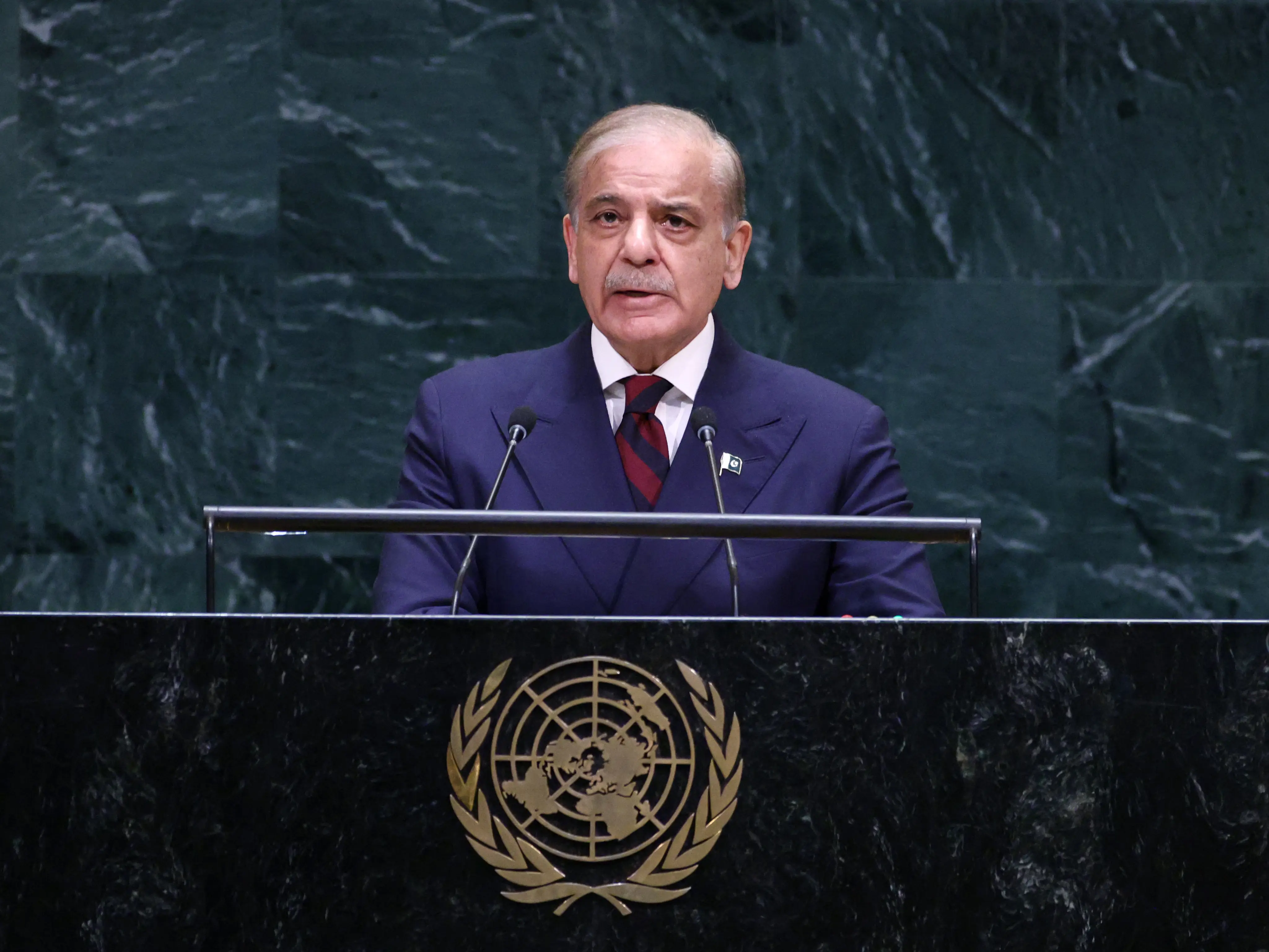)
‘Attack on Mecca a red line for Pakistan’: Shehbaz Sharif warns Houthis at UN
)
Tesla is preparing something big for Optimus: new Gen 3 models surface in app
)
Did Hitler kill his niece Geli Raubal? Newly found records reopen a 95-year-old mystery
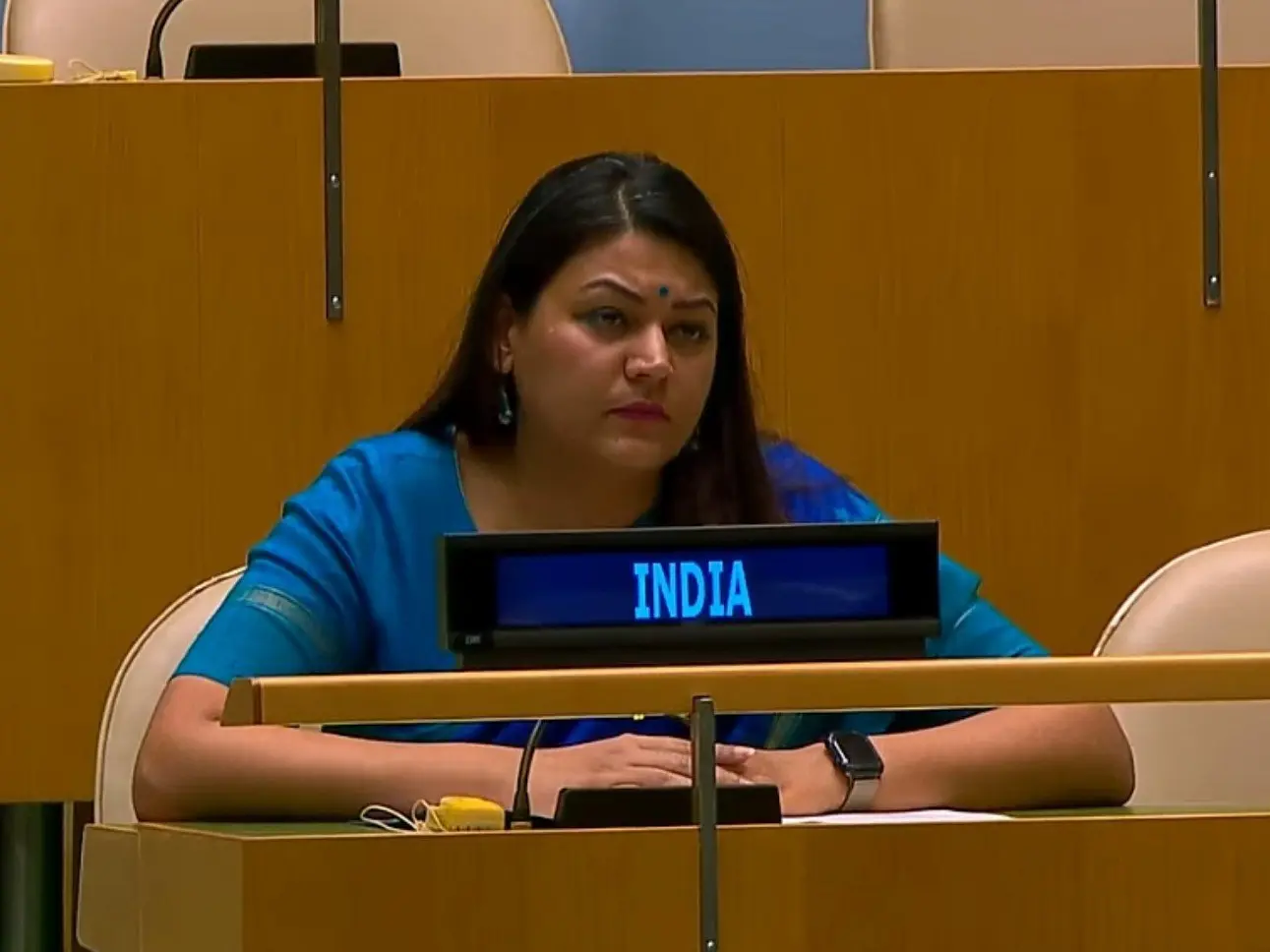)
Indian diplomat Petal Gahlot raises deteriorating situation in Pakistan-occupied Kashmir in right of reply at UN
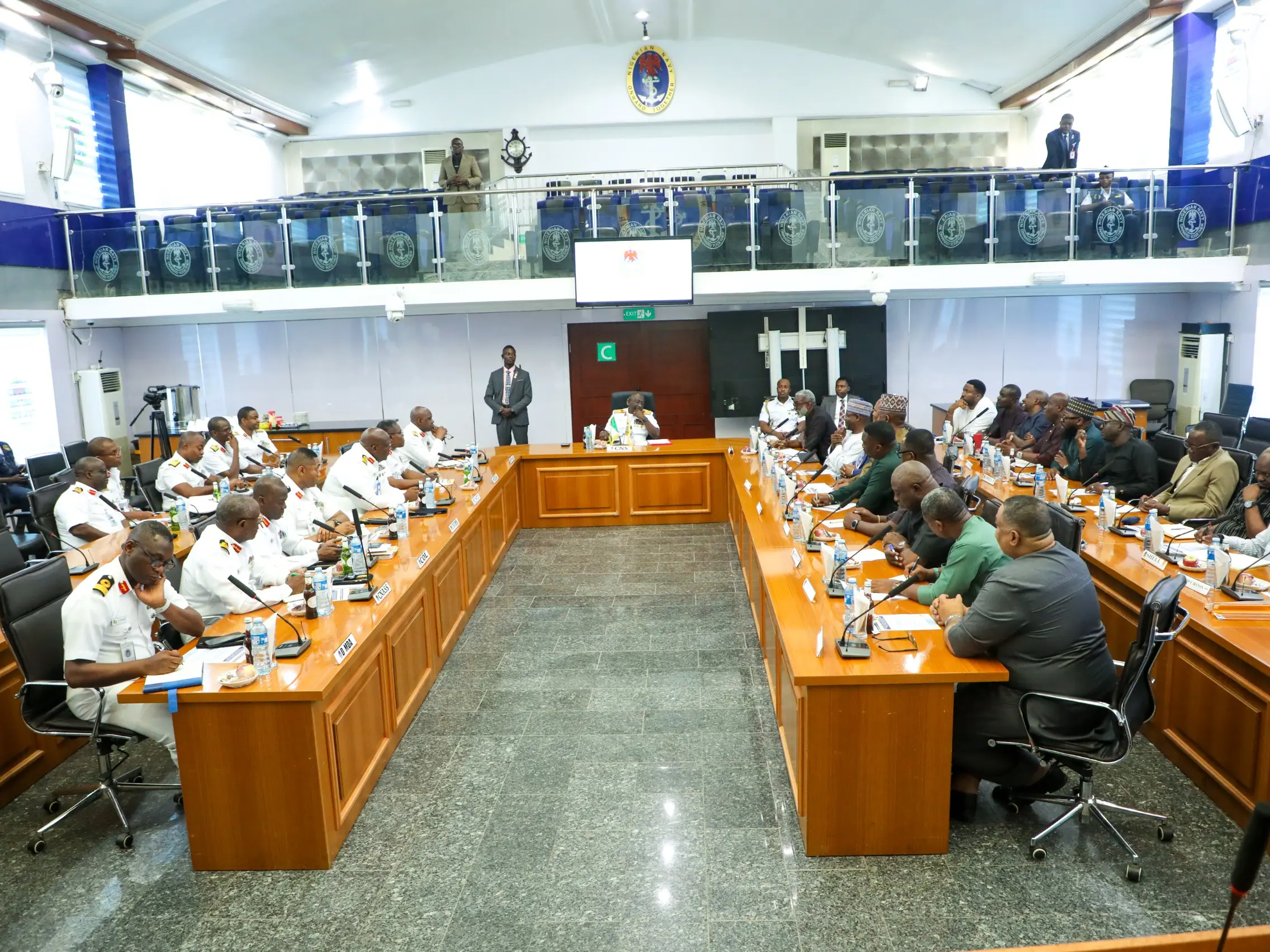)
Nigeria Navy moves to boost oil security, tackle crude theft and infrastructure threats
)
Scientists detect first radio signals directly from faraway planet
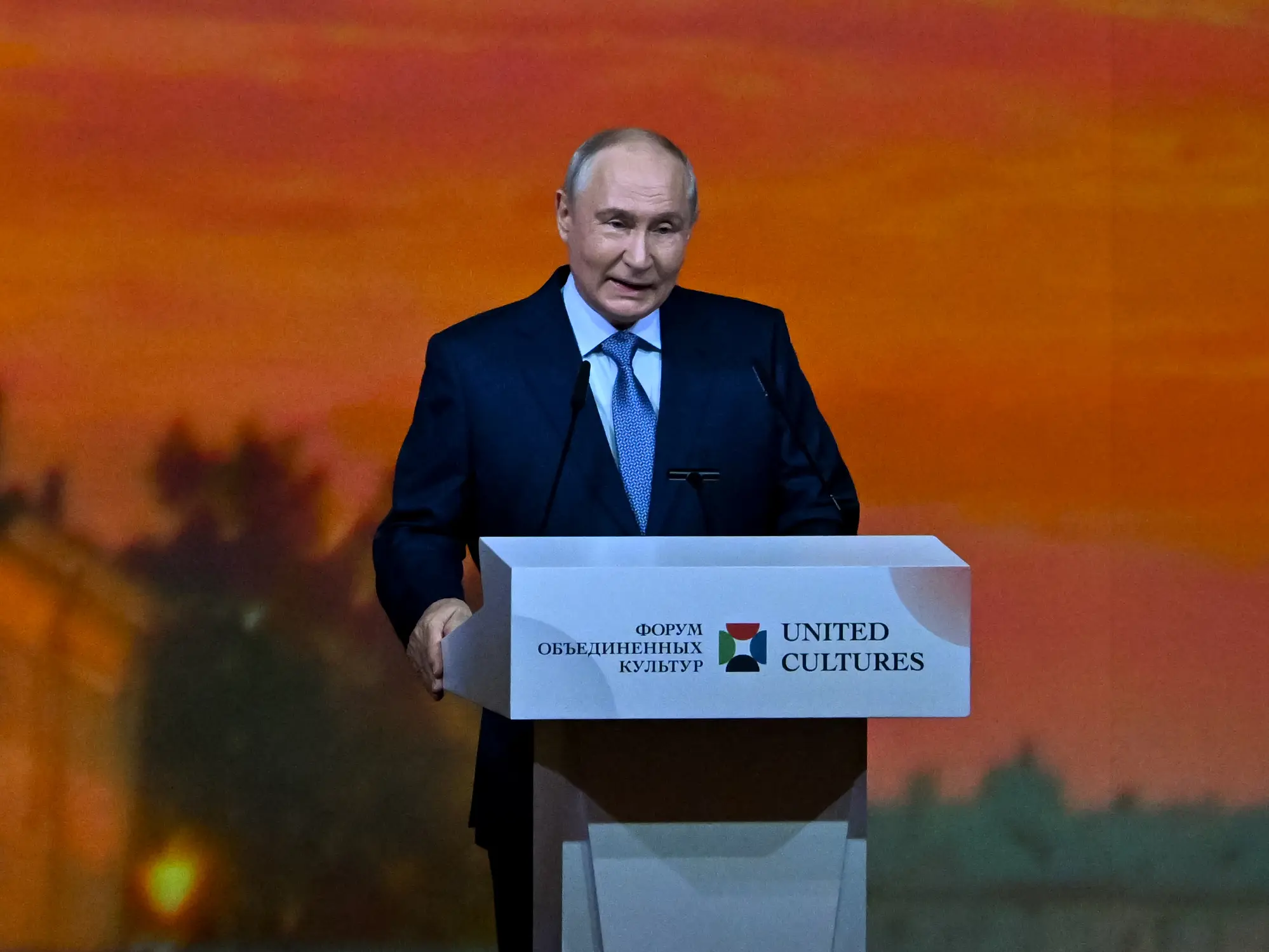)
‘It is all possible’: Putin weighs next steps on Ukraine talks, rules out Europe conflict
)
10,000 gather in support of 87-year-old forcefully evicted from home of 71 years
)
India flags brutal violence in Pak-occupied Jammu Kashmir
)
Trump rejects Iran's 7-day ceasefire proposal as US weighs renewed bombing after midterms: Report
)
Gaza's war turned environmental damage into second crisis
)
Saudi oil exports surge despite Iran war
)
Trump-Xi summit wrap: Big pageantry, Iran talks, few major developments and more meetings planned
)
'Making history': Xi Jinping praises Trump as US-China leaders dine at White House
)
India's UN Envoy slams Pakistan: 'They claim security by day, terrorism by night'
)
Jay-Z rape case: Accuser says allegations were false, never met rapper
)
Myanmar training camp case: US national, 6 Ukrainians allowed to meet their families abroad
)
Trump-Xi summit: Xi wraps up us visit with 21-gun salute as Trump, Xi lock in 'strategic stability'
)
'FIRST LOOK from inside Noah’s Ark': Researchers share video from inside mysterious mound in Turkey
)
Cindy Crawford’s son Presley Gerber cremated as death probe continues
)
India's insurance regulator overhauls policies
)
WATCH | As Shehbaz Sharif claims Pakistan’s ‘victory’ during 2025 conflict, Indian diplomat R Srinivas laughs at UN
)
‘Goal is to win it’: Virat Kohli confirms 2027 ODI World Cup will be his final tournament for India
)
'A terrorist country is asking me that question?': Jaishankar hits back at Pakistani journalist at UN; flags attacks on commercial shipping
)
US court backs Pentagon's decision to exclude Anthropic over Claude AI restrictions
But reports pointed to a more nuanced scenario: one reason could be wanting to avoid a meeting with Trump on the sidelines of the ASEAN summit in Kuala Lumpur, which Modi’s team may have wanted to postpone until trade talks were concluded. External Affairs Minister S Jaishankar attended the summitand thus, India was still represented, without the risks of any high-stakes confrontations. Analysts such as Brahma Chellaney commented that the move was indicative of “the growing trend of selective diplomacy — putting engagements with tangible outcomes in the first place and over visibility through ceremonies.”
Pattern or coincidence?
The rapid succession of these two incidents has already led to speculation about a major strategic recalibration in India’s foreign policy. If we look at the past, Modi was everywhere, very often present at global events, which were mainly G20, COP summits, BRICS and the Quad. Therefore, his absence at several events in late 2025 is a striking contrast. The pattern does not suggest withdrawal, but rather, planned selectivity. “India is claiming that it will be the master when it comes to negotiations,” said Pinak Ranjan Chakravarty, a former diplomat. “Power doesn’t necessarily mean being present at every forum — sometimes, staying away is a form of indicating.”
Strategic Motivations
1. Avoiding Unfavourable Optics
New Delhi is extremely conscious of the optics related to Modi possibly meeting - or being even seen in the same room with - Pakistan’s leaders, or taking part in the summits that are dominated by the Western narrative. Participating in a peace conference that has Islamabad as one of the parties risks media interpretations of “equivalence” — a matter that is delicate for a government that has very clearly labelled Pakistan as a terrorist supporter.
2. Domestic and Political Priorities
With some important state elections - particularly Bihar - right around the corner and some major Hindu holidays being celebrated, Modi’s domestic calendar is really crowded. The government might also want to show “India-first” optics at home, and give preference to domestic lead over global appearances, especially when the international forums provide very little policy gains.
3. Strategic autonomy and control
India’s current diplomatic posture emphasises multi-alignment — engaging with the US, Russia, and the Global South simultaneously. Skipping or limiting participation in some summits allows Modi’s team to control the narrative and avoid being boxed into predefined positions, particularly on contentious global issues like Gaza or Ukraine.
Risks and repercussions
The selective engagement strategy, while providing a fallback, still has its unwelcome side effects. Giving up attendance at such events may initially lead to lost dominance over rivals—particularly if such a rival happens to be China, which uses these platforms for extracting dominance.
The bigger picture
The method used by Modi is probably a new development in Indian diplomacy: One that's mature, focused more on results than on appearances. India has gained worldwide attention by hosting the G20 summit and Quad diplomacy, among others. The focus may now be shifting from “loud power” to “quiet power”—inferring from the backside rather than trying to be at the forefront of the situation.
What have we learned?
The decision of Prime Minister Modi not to attend the Gaza Peace Conference and ASEAN meetings, and some other major summits, was not merely a matter of conflicting schedules but rather a tactical move to exercise restraint.
Through selective attending, Modi is changing the game of Indian diplomacy—he is giving up the principle of being always seen and recognised. He is possibly using the power of being recognised, but not visible.
The question of whether this selective engagement will enhance or weaken India’s power will depend on the results: if India can still play a significant role in regional and global political affairs despite fewer photo-ops, the strategy used may prove to be wise. The most famous prime minister in the world appears to be trading visibility for accuracy—a clear indication of how India’s leader and its diplomacy are gradually adapting to a more complicated world.
Disclaimer: The views of the writer do not represent the views of WION or ZMCL. Nor does WION or ZMCL endorse the views of the writer.

