'Rs 25,000 fine for charging at home': Nitin Gadkari’s EV revolution in collapse as housing societies deny personal EV chargers

&imwidth=600&imheight=450&format=webp&quality=medium "'Rs 25,000 fine for charging at home': Nitin Gadkari’s EV revolution in collapse as housing societies deny personal EV chargers")
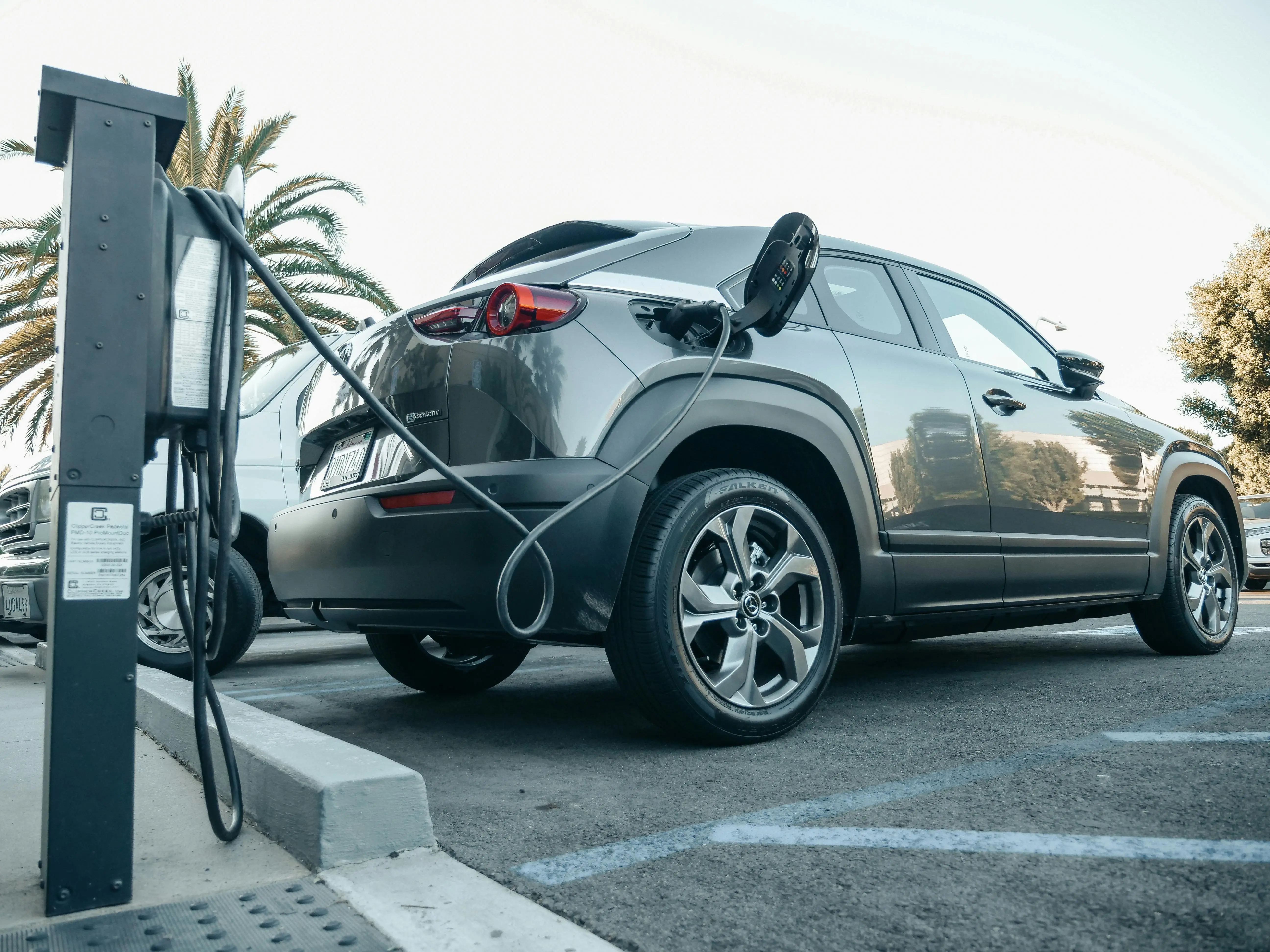
'Rs 25,000 fine for charging at home': Nitin Gadkari’s EV revolution in collapse as housing societies deny personal EV chargers Photograph: (Pexels)
The society, with a poor safety record and zero infrastructure upgrades, is flatly refusing to allow the installation of a personal EV chargers, even when the wiring is taken from the flat owner’s own electricity meter.
When I bought my new EV, I imagined the convenience of having my own personal petrol pump in the form of a home EV charger. No more standing in long queues at fuel stations. No more Rs 10,000 credit card bills for petrol every month. However that vision quickly shattered.
India’s ground-level infrastructure is nowhere close to supporting the EV revolution we are being promised. Jaypee Wishtown in Noida is a prime example. The society, with a poor safety record and zero infrastructure upgrades, is flatly refusing to allow the installation of a personal EV chargers, even when the wiring is taken from the flat owner’s own electricity meter.
The result? An EV owner here must park their car 3 km away plug into a society commissioned charging station by Tata Power, that will cost double the price, leave it to charge for six hours, walk back home on foot and then repeat the same 3 km trek to retrieve the vehicle. What’s supposed to be the future of mobility feels like a punishment. It's a nightmare.
Question arises, is the society’s FMG also taking a commission from the revenue generated at those charging points?
Union Road Transport and Highways Minister Nitin Gadkari has pushed hard for India’s electric mobility dream, introducing subsidies, tax breaks, and incentives for manufacturers. However, on the ground, there’s a glaring oversight: residents in apartment complexes across India are being blocked from installing personal EV chargers. And car companies? They’re powerless to intervene.
Without a legal and infrastructural framework that guarantees home charging rights, India’s EV dream is running on empty.
Trending Stories
)
)
)
)
)
)
)
)
)
)
)
)
)
)
)
)
)
)
)
)
)
)
)
)
)
)
)
)
)
)
)
)
)
)
&im=FitAndFill=(700,400))
)
)
)
)
Apartment Societies: The Silent Roadblock
From Mumbai to Noida, scores of EV owners living in gated societies report being denied permission to install chargers, even when tapping power lines from their own domestic meters. In Noida’s Amrapali Princely Estate, one Mahindra XUV400 owner was slapped with a Rs 25,000 fine for charging at home. The new Owners Association imposed a penalty and demanded residents use only society-appointed commercial chargers, negating electricity savings and convenience.
In Mumbai, the Bombay High Court ruled in February 2025 that societies cannot arbitrarily refuse EV charger installations, and directed Maharashtra authorities to formalise rules mandating NOCs within seven days of request. Yet enforcement remains lax in many states.
Society Safety Excuses Hide Structural Gaps
Society committees often justify their refusals citing safety issues or lack of fire‑safety SOPs, infrastructure limitations, or concerns about sanctioned load. For instance, high‑rise residents in Bengaluru and Hyderabad report being denied permits over single entry/exit corridors, absence of separate pathways, or insufficient meter wiring, even if sprinklers and extinguishers are in place.
Automakers Are Watching from the Sidelines
Car companies like Maruti Suzuki, Tata, MG, Mahindra and others have tried to alleviate infrastructure concerns by pledging more public fast‑charging stations, battery rental services, and city‑wide networks. However, these efforts can’t help customers who can’t charge at home and they remain effectively “helpless” when direct society resistance blocks home installations.
A Policy-Promise vs Ground Reality Gap
India’s central EV strategy hinges heavily on home charging: lower tariffs, convenience, reduced grid strain. Yet builders and societies rarely incorporate EV‑ready provisions, wiring, meter access, infrastructure planning. As analysts from IEEFA observe, lack of common guidelines, opposition from non‑EV owners within societies, and poor infrastructure are severely undermining adoption efforts.
Verdict: Gadkari’s Vision Crashing Against Society Walls
Gadkari may be pushing ambitious sales numbers and highway charging corridors, but residential EV charging, the backbone of adoption is crumbling at the grassroots. Until states enforce rules uniformly, utilities simplify sanctioned‑load upgrades, and societies honour legal rulings, EV owners in flats will remain collateral damage in India’s green push.
Automakers, policymakers, and civic bodies need to shift from PR pledges to enforcing home charging rights, or risk seeing EV adoption stay stuck in traffic not roads.
Disclaimer: The views of the writer do not represent the views of WION or ZMCL. Nor does WION or ZMCL endorse the views of the writer.
