Jantar Mantar, CJP & resignation -- Will this momentum exterminate the ‘cockroaches’ in India’s education system?

&imwidth=600&imheight=450&format=webp&quality=medium "Jantar Mantar, CJP & resignation -- Will this momentum exterminate the ‘cockroaches’ in India’s education system?")
The protests must not become another chapter in India’s familiar political script. Photograph: (ANI)
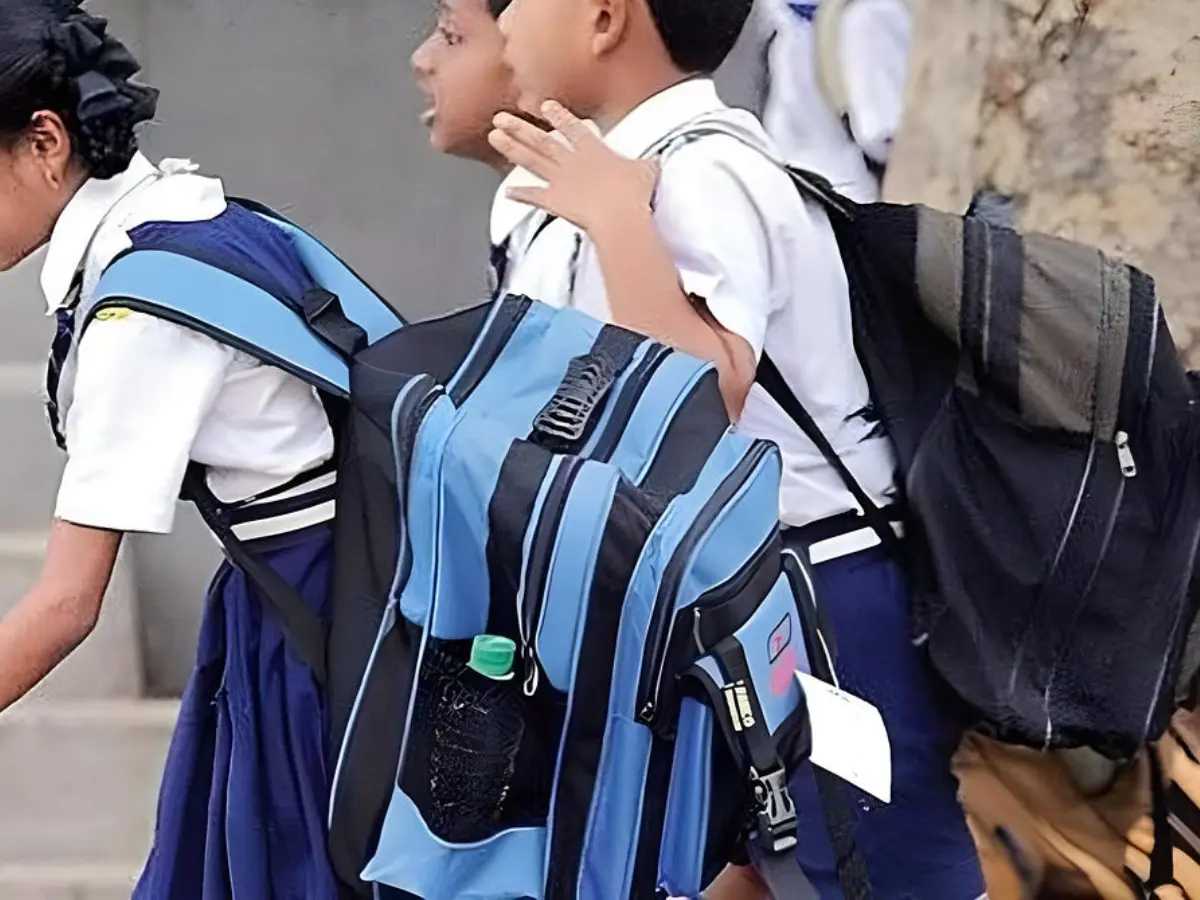
Paper leaks, opaque examination processes, institutional complacency, and administrative lapses are the cockroaches of India’s education system. India needs a professionally managed, technology-driven and legally accountable assessment architecture.
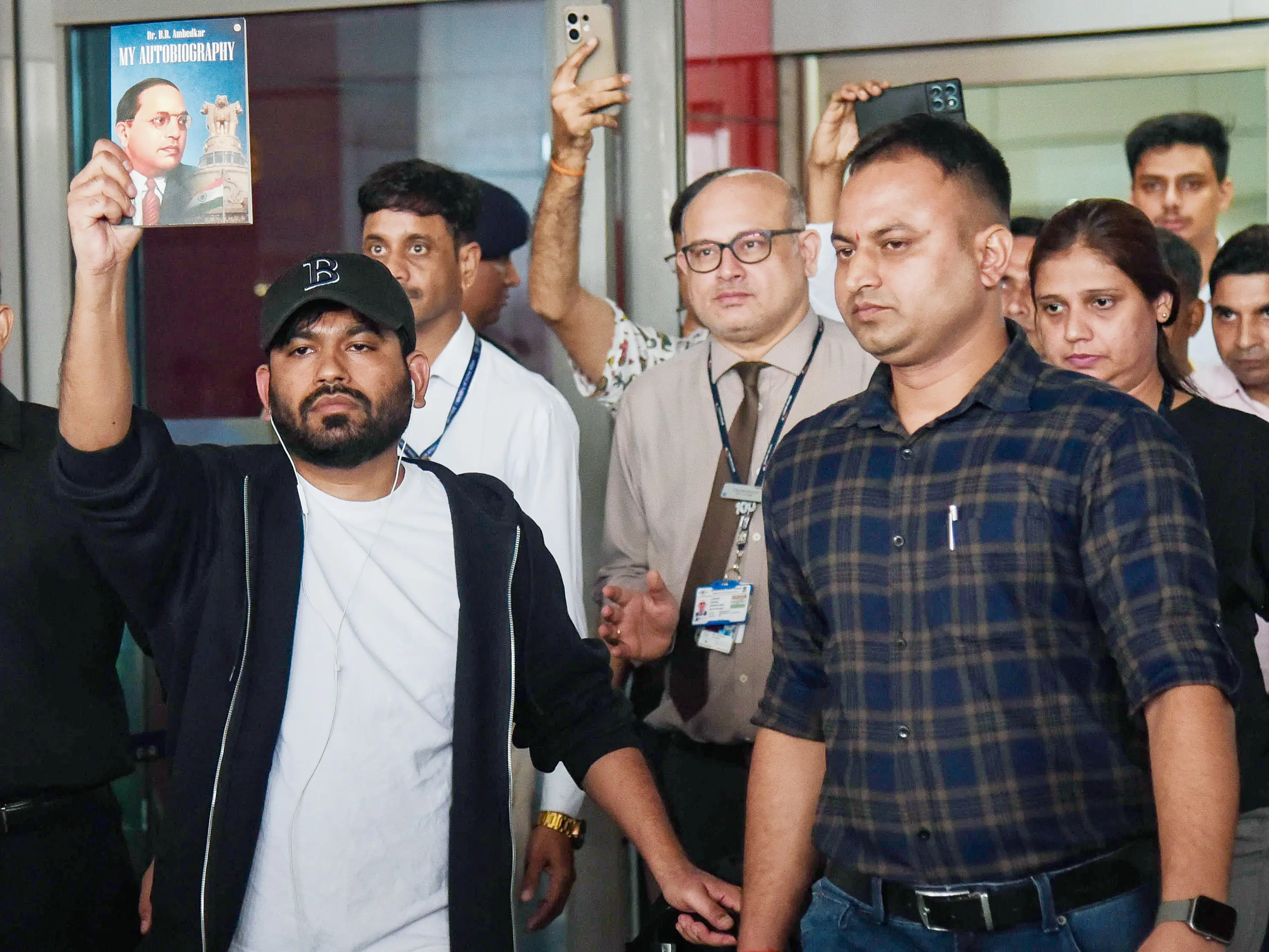
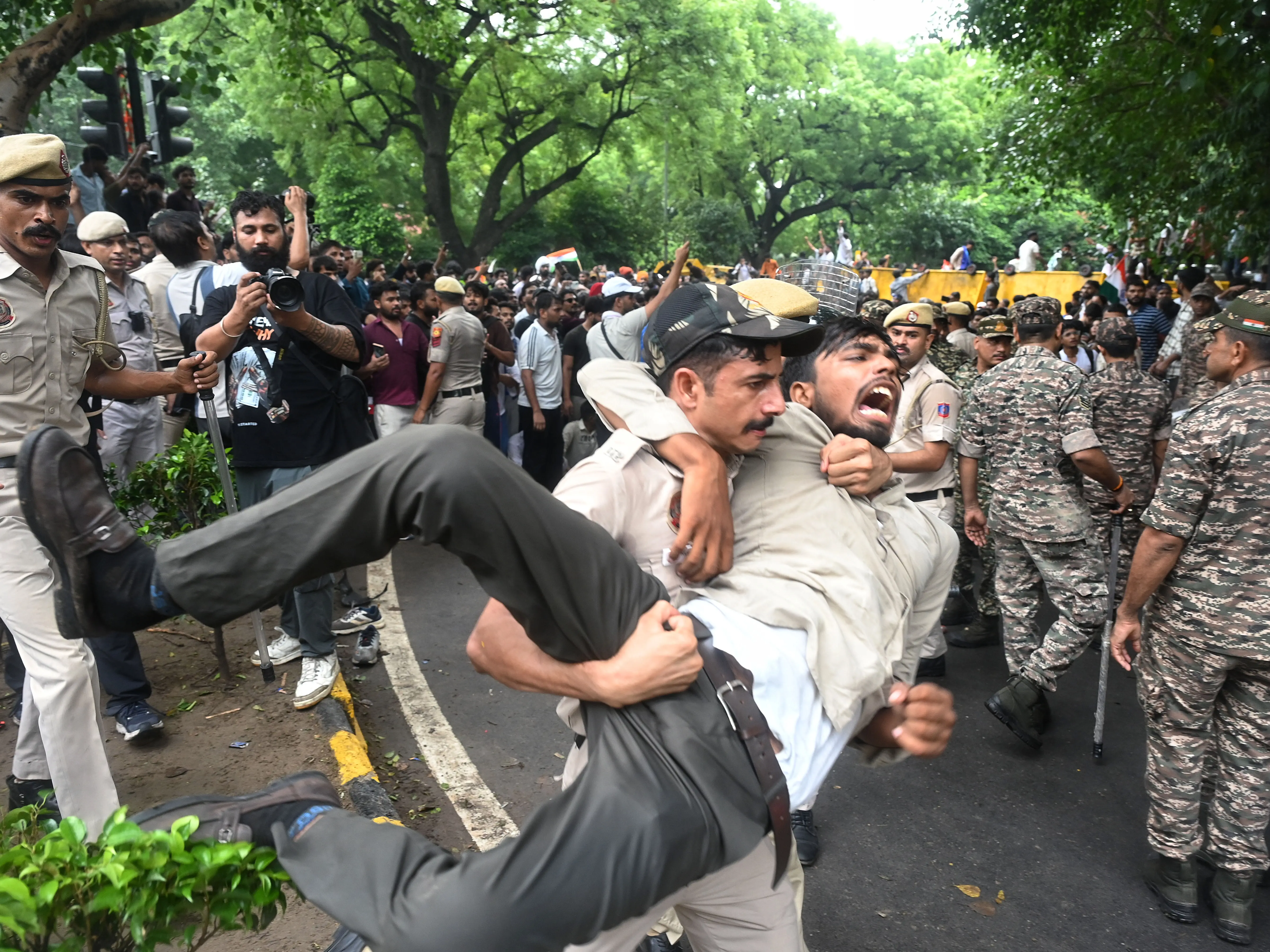
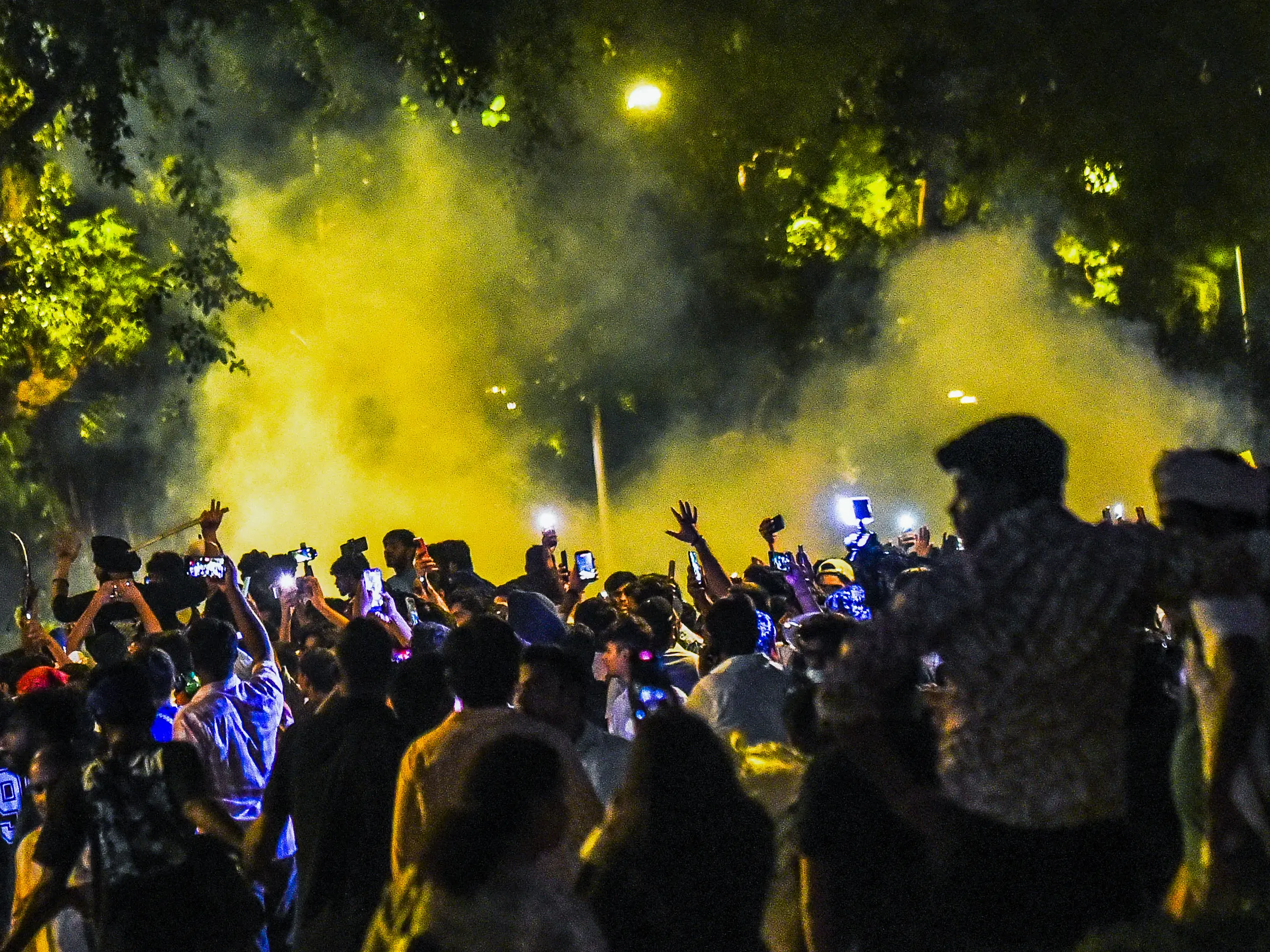
The images from Jantar Mantar, the rise of the Cockroach Janta Party (CJP) as a symbol of student anger, and the resignation of the Union Education Minister have together created a rare national moment. The immediate political objective may have been achieved, but the larger question remains: Will India settle for a resignation, or will it demand a transformation?
There is an old saying that “cockroaches survive where cleanliness and accountability fail.” The metaphor is strikingly relevant today. Paper leaks, opaque examination processes, institutional complacency and administrative lapses are the cockroaches of India’s education system. Eliminating one individual without disinfecting the ecosystem merely allows the infestation to return in another form.
The protests, therefore, must not become another chapter in India’s familiar political script. If the movement is genuinely about educational justice—and not merely about political optics—then every stakeholder, from students and parents to teachers, policymakers, universities and civil society, must come together to shape structural reforms. India does not need another cycle of outrage; it needs legislation that restores trust in examinations and strengthens public education.
The timing could not be more significant. India is home to nearly 1.4 billion people, with one of the world’s youngest populations. A demographic dividend can become a demographic disaster if educational institutions fail to inspire confidence. Every compromised examination is not merely an administrative failure; it is a breach of the social contract between the State and its youth.
Ironically, the country already possesses a broad blueprint for reform. The National Education Policy (NEP) 2020 envisions holistic learning, multidisciplinary education, foundational literacy, technology-enabled classrooms, vocational exposure from Class VI and greater flexibility in higher education. It also seeks to raise public investment in education to 6% of GDP and improve access, equity and quality. These are ambitious and necessary goals.
Implementation, however, is where policy meets reality. Government data through UDISE+ points to improvements in enrolment and school infrastructure, while recent policy assessments by NITI Aayog recognise progress in access and governance but also underline persistent gaps in learning outcomes, teacher capacity and regional disparities. The lesson is simple: reforms announced from New Delhi must ultimately succeed in classrooms across rural Bihar, tribal Odisha, urban Maharashtra and every district in between.
Trending Stories
)
)
)
)
)
)
)
)
)
)
)
)
)
)
)
)
)
)
)
)
)
)
)
)
&im=FitAndFill=(700,400))
)
)
)
)
The present crisis should therefore become an opportunity to revisit examination governance. India needs a professionally managed, technology-driven and legally accountable assessment architecture. Question paper security, encrypted digital logistics, independent audit mechanisms, faster prosecution of organised leak networks and time-bound compensation mechanisms for affected students should become statutory requirements rather than administrative discretion. Equally important is strengthening the mental health support system for students who increasingly carry the burden of high-stakes examinations.
Every generation has, during its halcyon days, contributed to nation-building. Today’s Gen Z, roughly those aged 14 to 29 years, is carrying that responsibility with fresh ideas, energy and technological confidence. The generations before them built institutions, expanded literacy and strengthened democracy. The present generation now seeks institutions that are transparent, accountable and fair. Nation-building is not the responsibility of Gen Z alone; it is a shared obligation across generations. “Mera Desh Mahan” must evolve from a slogan into a collective national commitment.
India has witnessed examination controversies under governments of different political persuasions. Paper leaks, administrative failures, resignations and political blame games are not exclusive to one regime. Governments change; the systemic weaknesses often remain. That is precisely why this movement must resist being hijacked for electoral mileage or partisan mobilisation. Students deserve policy outcomes, not political theatre.
The resignation may have addressed the immediate demand on the streets, but history rarely remembers resignations. It remembers reforms. The Right to Education transformed access. NEP 2020 attempted to redefine learning. The next milestone should be a robust legal framework that guarantees integrity in examinations and accountability in educational governance.
Jantar Mantar has often amplified public sentiment. This time, it has amplified a generation’s demand for credibility. If policymakers listen beyond the slogans, this moment can become the beginning of India’s next education revolution.
The real victory will not lie in who resigned, but in whether the ‘cockroaches’ of corruption, complacency and incompetence are finally driven out of India’s education system. Politics may win elections, but only education can secure the Republic’s future.
(Disclaimer: The views of the writer do not represent the views of WION or ZMCL. Nor does WION or ZMCL endorse the views of the writer.)