India's Chabahar dilemma: Navigating between strategic interests and US sanctions

&imwidth=600&imheight=450&format=webp&quality=medium "India's Chabahar dilemma: Navigating between strategic interests and US sanctions")
Representative Image Photograph: (AFP)
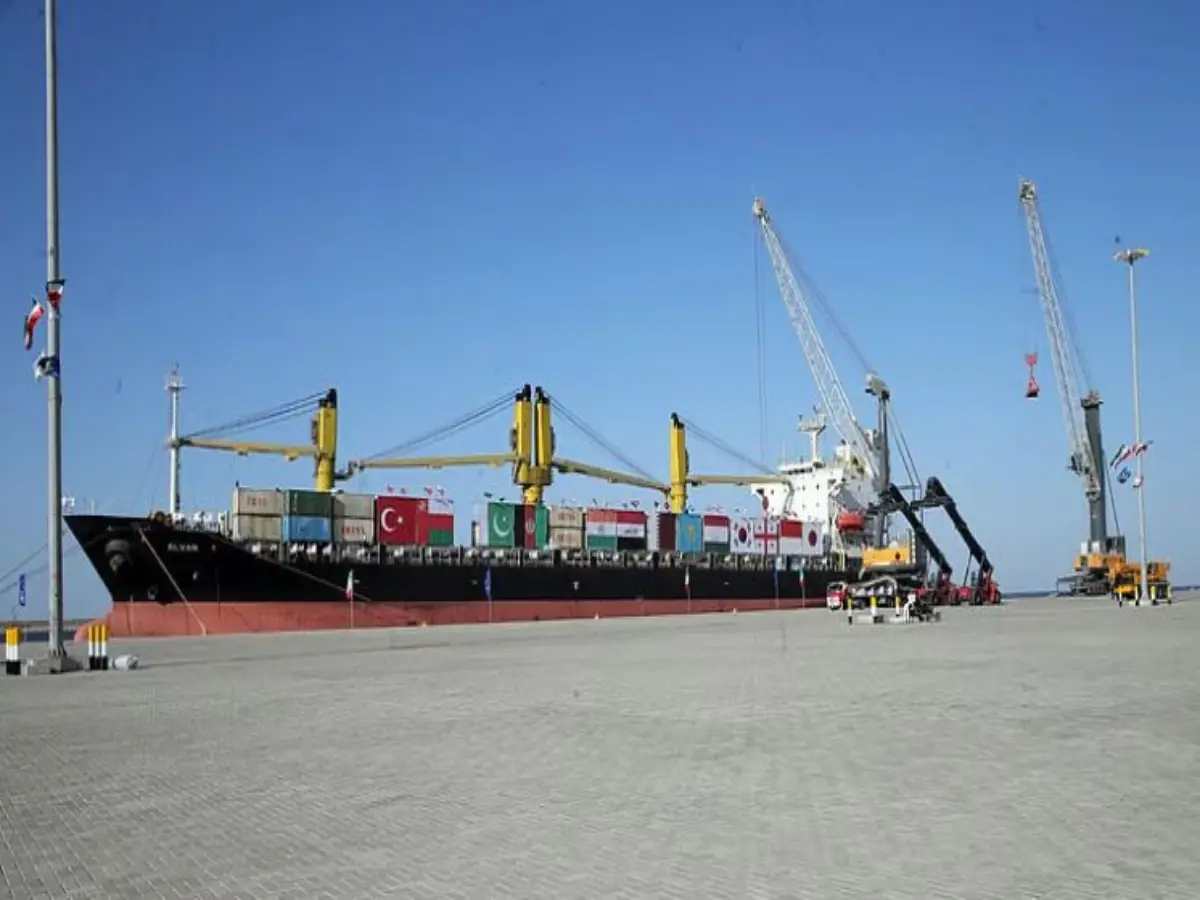
Chabahar serves as a vital link in the International North-South Transport Corridor (INSTC), a multi-modal transportation network designed to connect India with Russia and Europe through Iran.
The United States has delivered a significant blow to India's strategic ambitions by announcing the cancellation of the special sanctions waiver for Iran's Chabahar Port, effective September 29, 2025. This decision, part of Washington's renewed "maximum pressure" campaign against Tehran, places New Delhi in an uncomfortable position between its economic interests and diplomatic relationships.
The Strategic Importance of Chabahar
For India, Chabahar Port represents far more than a commercial venture—it is a gateway to geopolitical influence in Central Asia. Located on Iran's southeastern coast along the Gulf of Oman, this port offers India a crucial alternative trade route to Afghanistan and the Central Asian republics of Kazakhstan, Uzbekistan, Turkmenistan, Kyrgyzstan, and Tajikistan, completely bypassing Pakistan.
The port's significance becomes even more apparent when viewed through the lens of India's broader connectivity ambitions. Chabahar serves as a vital link in the International North-South Transport Corridor (INSTC), a multi-modal transportation network designed to connect India with Russia and Europe through Iran. This corridor promises to reduce shipping time and costs significantly compared to traditional routes through the Suez Canal.
Since 2003, when India first conceived the Chabahar development plan, the project has evolved from a trade facilitation initiative to a cornerstone of India's regional strategy. The port has already proven its worth by enabling the delivery of wheat aid to Afghanistan and other essential supplies, demonstrating its humanitarian importance alongside commercial benefits.
India's Investment at Stake
Trending Stories
)
)
)
)
)
)
)
)
)
)
)
)
)
)
)
)
)
)
)
)
)
)
)
)
)
)
)
)
)
)
)
)
)
)
&im=FitAndFill=(700,400))
)
)
)
)
The timing of the US decision is particularly challenging for India. Just last year, on May 13, 2024, New Delhi signed its first long-term overseas port management agreement—a 10-year deal with Iran's Port and Maritime Organisation to operate Chabahar Port. Indian Ports Global Limited (IPGL) committed to investing approximately $120 million (₹10,560 crore) directly, with additional plans to arrange $250 million (₹22,000 crore) in credit for surrounding infrastructure development.
This substantial financial commitment reflects India's confidence in Chabahar's long-term potential. The investment was expected to modernize port facilities, enhance cargo handling capabilities, and establish India as a key player in regional trade networks. Now, with the sanctions waiver's cancellation, these investments face uncertainty.
The Trump Factor and Maximum Pressure
The US State Department's September 16 announcement explicitly linked the decision to President Trump's maximum pressure policy aimed at isolating Iran. This approach seeks to cut off financial networks that allegedly fund Iran's government and military operations. The warning is clear: any entity engaging in activities at Chabahar Port after the waiver expires could face US sanctions.
This development marks a significant shift from the previous understanding between Washington and New Delhi. During Trump's first presidency in 2018, the US had recognized Chabahar's importance to Afghanistan and granted India an exemption from certain sanctions. The port and its associated railway were considered strategically important for humanitarian aid and legitimate trade.
Navigating Complex Geopolitics
India now faces a delicate balancing act. On one hand, abandoning Chabahar would mean losing a strategically vital asset and potentially ceding influence in Central Asia to competitors like China. On the other hand, risking US sanctions could jeopardize India's broader relationship with Washington, including defense partnerships, technology transfers, and economic cooperation.
The situation is further complicated by regional dynamics. With Taliban-controlled Afghanistan and an increasingly assertive China expanding its Belt and Road Initiative influence, India cannot afford to lose its foothold in the region. Chabahar represents one of the few remaining avenues for India to maintain meaningful engagement with Central Asian markets and energy resources.
The Road Ahead
As the September 29 deadline approaches, India must explore diplomatic solutions while preparing contingency plans. The government may need to negotiate with Washington for alternative arrangements or find creative ways to maintain Chabahar's operations without violating US sanctions.
The Chabahar challenge ultimately reflects the broader complexities of India's multi-aligned foreign policy in an increasingly polarized world. How New Delhi navigates this crisis will significantly impact its regional influence and future strategic partnerships.
