UAE bats for collaborative space governance as the sector continues to grow rapidly

UAE and its space sector ambitions
Over the last decade, the space sector has witnessed accelerating activity driven by technological advancements, and transforming commercial and public objectives, with a much larger number of stakeholders influencing the rapid development of the sector.
These developments present significant opportunities for space agencies, governments, research bodies, and businesses across the globe, with enormous potential for encouraging international collaborations and fueling innovation.
The rapidly evolving landscape of the sector has reached an inflection point where commercialisation is beginning to outpace governance with players forging cost-effective and smarter ways to reach and operate in space.

As the ‘gates’ have opened for private sector companies, interest levels are at an all-time high with cutting-edge innovation accelerating progress.
A steady rise in the number of applications of space technologies is evident in international and cross-sector collaboration in several areas including meteorology, energy, telecommunications, insurance, transport, maritime, aviation and urban development.
With this surge, the sector is set to deliver key economic benefits along with the integration of high-value services, the creation of jobs, and fostering of scientific innovation in the near future.
)
IND vs JPN one-off T20I: India survive scare from Japan to win five-over a side match by 2 runs
)
Putin's United Russia party wins 355 seats in Duma election; 4 other parties cross threshold to enter parliament
)
AI models chose to harm humans to stop ‘pain,’ alarming study raises fresh safety questions
)
‘0% chance’: Nvidia CEO Jensen Huang dismisses AI extinction fears by 2030
)
Samay Raina-Mukesh Chhabra controversy explained: What happened over girlfriend joke on India's Got Latent?
)
Trump's helipad event overshadowed by audio failure as major TV networks suspend pool coverage
)
Russia-Ukraine war: Russian strikes knock out three of Ukraine's largest steel plants
)
'Needs time away from the international scene': England white-ball captain Brook on pacer Brydon Carse's future
)
Glitch in the matrix caught on camera: Woman vanishes after talking to reporter
)
Anti-AI activists storm summit, say 'incompetent' leaders are leading us into a disaster - 'We need a vote'
)
Samsung raises Galaxy S26 prices by Rs 20,000: Here’s what each model now costs
)
J&K Assembly Session begins amid chaos: BJP, ruling alliance clash as statehood demand dominates
)
Randeep Hooda arrives in Gujarat for his first National Film Award: ‘Very grateful’
)
US and China vie for AI dominance as calls grow for regulation | Gravitas
&im=FitAndFill=(700,400))
Anant Nag to recieve Dadasaheb Phalke Award: From Ankur to Nishant- Revisit his best films and iconic performances on OTT
)
FIFA chief Infantino wants to reform governing body with consultation from federations
)
The Verdict | The Mecca Agreement is under scrutiny as Houthis attack Saudis
)
India at UNGA81: Jaishankar warns global order under 'growing stress', pushes for ‘reformed multilateralism’
)
Raaka creates history! Allu Arjun’s film secures Guinness World Record ahead of release
)
Saudi Arabia exits China-led mBridge digital currency platform amid Saudi-Houthi conflict
)
'Lot of things to learn from experienced players': Jayasuriya backs Rohit, Virat for 2027 ODI World Cup
)
$110 billion Warner Bros merger: Paramount reaches settlement with 12 US states
&im=FitAndFill=(700,400))
New OTT releases this week (September 21-27, 2026): Shaque: Trust No One, Hunkkaar, Don’t Be Shy- 5 new titles coming to Netflix, Prime Video and more
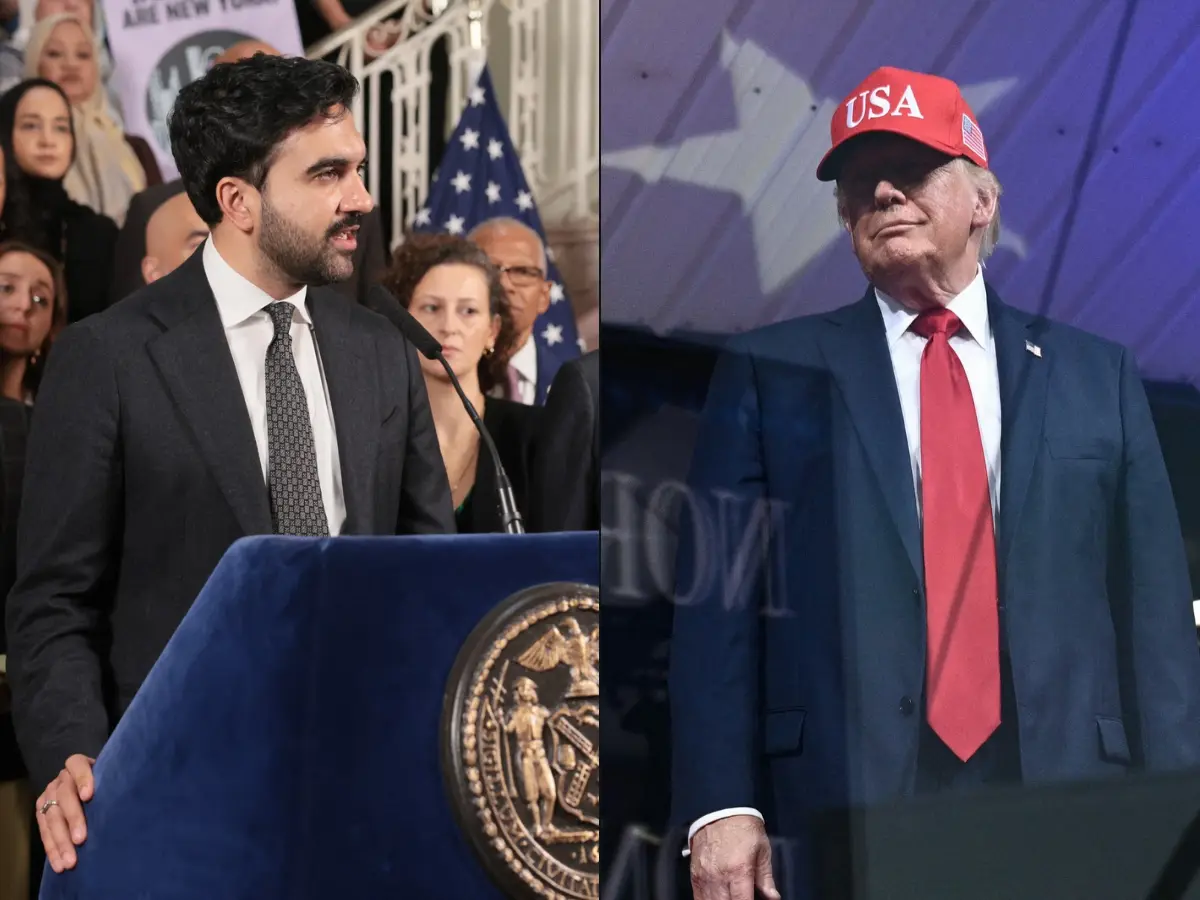)
From ‘communist’ to ‘great mayor’: Trump praises Mamdani after New York meeting, discusses immigration and housing
)
Report: Zelensky meets CIA chief Ratcliffe at Shannon airport, weeks after his secret Moscow trip
)
How Zaheer Khan came to be CSK's head coach of IPL 2027
)
Pilot recreates Mona Lisa in sky over Oklahoma and Arkansas in four-hour flight: VIDEO
)
UK PM Burnham agrees to 'defensive' military support for Saudi Arabia against Houthis
)
Jailer 2: Vidya Balan joins Rajinikanth's upcoming film as Kantha | Watch
)
Microsoft executive called AI training the ‘largest theft of labour in human history’
)
40-foot waves crash into cruise ship in dangerous stretch near Antarctica. Watch
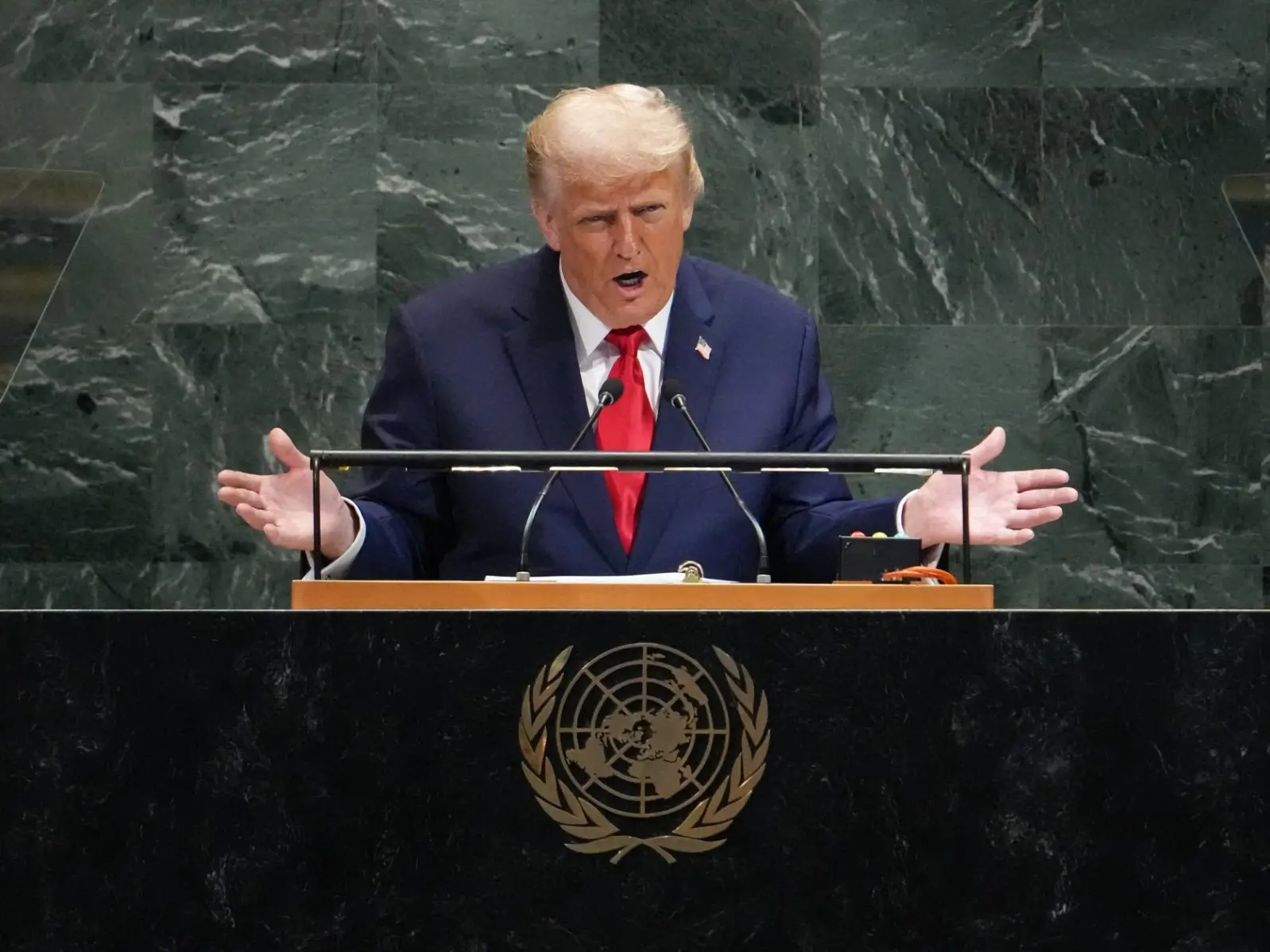)
US-Iran war, peace deals and more: What to expect from Trump's UNGA 2026 speech
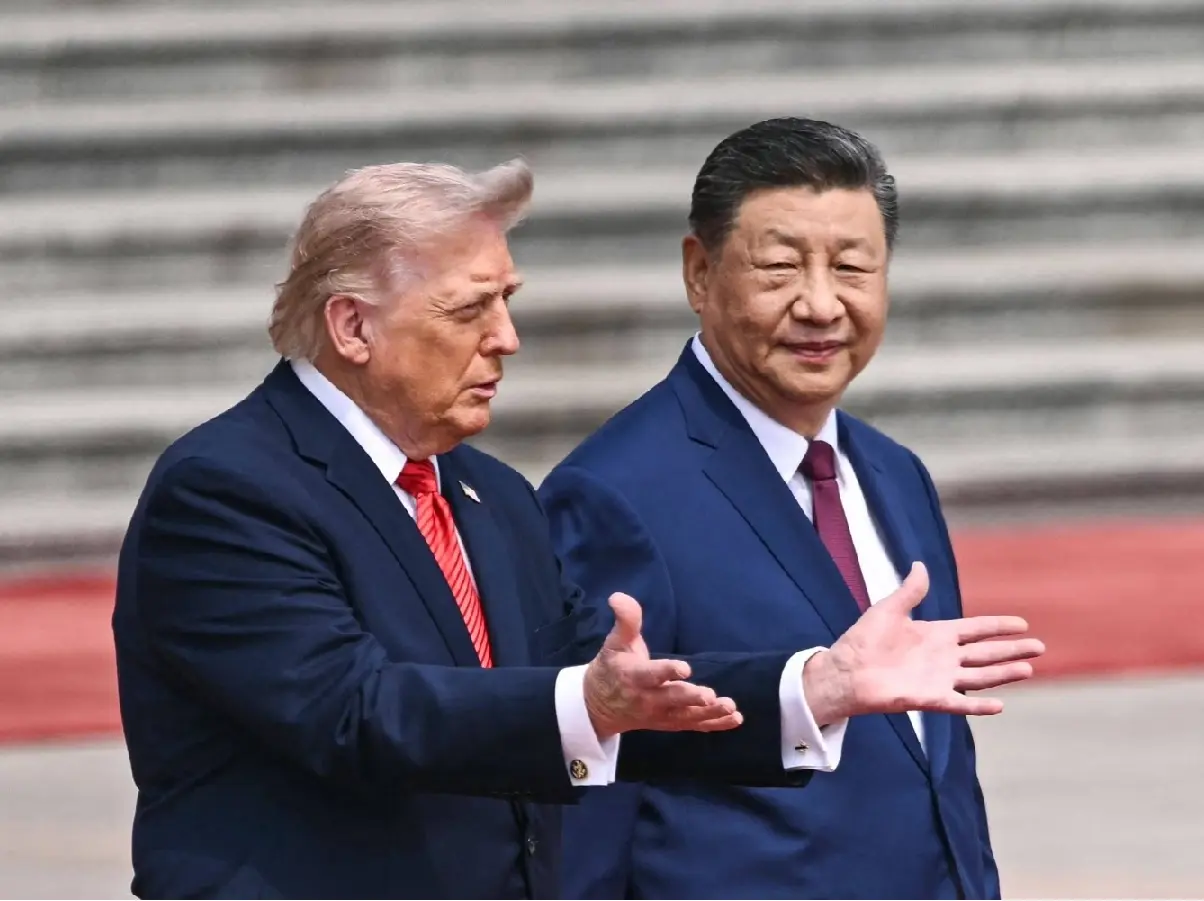)
Explainer: Why rare-earth export licences and Board of Trade are US priorities ahead of Trump-Xi summit
)
Two infants die after fire breaks out at RIMS newborn care unit in Telangana's Adilabad
)
BTS fans mock iHeartRadio’s day 2 turnout after short set controversy
However, for the sector to succeed, there is a real need for all actors to effectively collaborate, better organise the ecosystem, address a number of key and known challenges as well as integrate the activities of the private sector with existing and upcoming national space programs.
It is important that all stakeholders collectively contribute to turning this into a prospering, high-growth sector. This can only be done through sharing different perspectives and quickly forming mutual agreements and lasting coalitions.
Furthermore, the international community must seize the far-reaching socio-economic benefits of space, so that it can remain an arena of collaboration and cooperation rather than geopolitical competition or conflicts.
The Dawn of a New Space Age
We believe that the world is standing at the dawn of a "New Space Age" — that from just two space-capable actors in the world in the 1960s, the USA and USSR, there are now no less than 70 nations who have space initiatives and programs.
Alongside this boom in actors are private sector players taking the roles as satellite funders, launch providers, and space station builders. A Citigroup report has estimated that the market for global space systems, services, engineering, and exploration will grow to $1 trillion by 2040. Some in the sector think this is a conservative estimate.
However, to establish a robust and sustainable space economy, a framework needs to be set up to ensure participation from large and small commercial players from diverse countries and to open up access to space in a fair and equitable manner.
That includes a deep commitment to addressing the issue of space debris, currently a potentially existential future threat for the popular and strategically important low earth orbit (LEO) segment.
UAE’s Role Toward Unlocking Collaboration
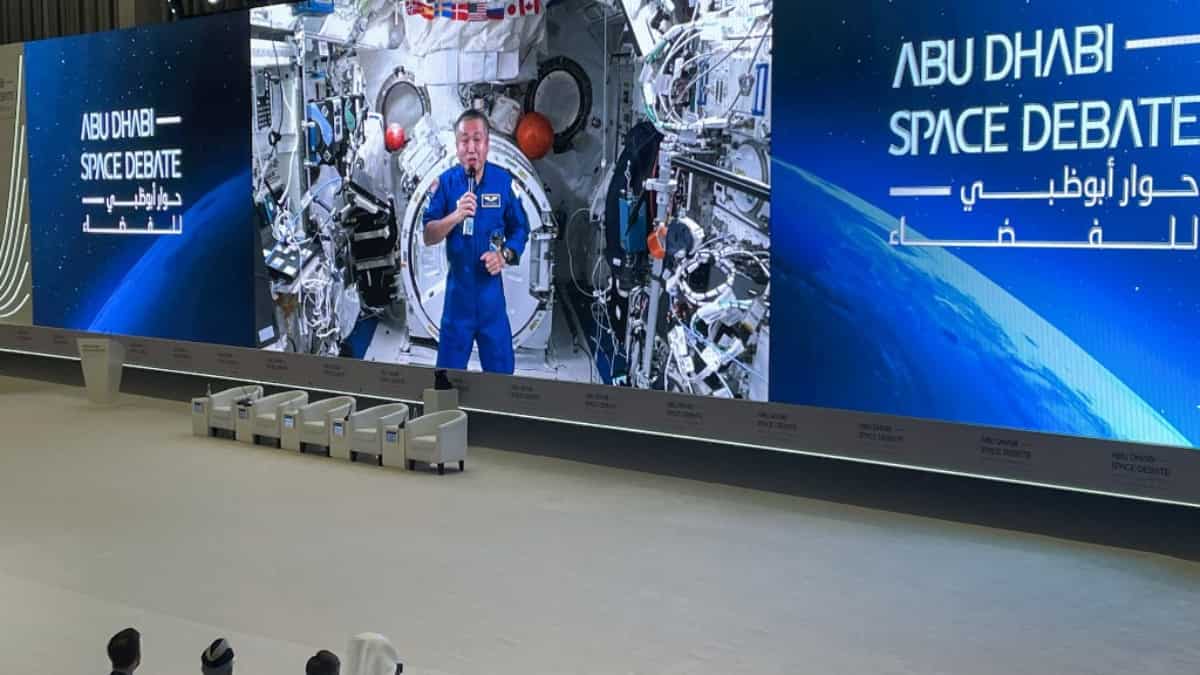
With a strong emphasis on collaborative space governance, the UAE has held the inaugural Abu Dhabi Space Debate as part of an ongoing program designed to share information and resources between the various actors who bring influence to policy and decision-making in the sector.
The Debate serves as a convening platform for global participation in space, bringing together global representatives from space agencies, governments, research bodies, and businesses.
We have conceptualised this forum to forge a path to leverage the space sector to foster entrepreneurship, encourage R&D, balance private sector interests with a fair and equitable space economy, and boost diversity in high-technology industries.
In addition to this, the Abu Dhabi Space Debate will underscore the need for additional and revised legal and regulatory measures in the space sector.
The Playthrough
Through a global coalition, the space sector can also lead to solutions to counter threats posed by climate change, ensuring that the sector lends its voice as a critical stakeholder at COP28.
Multinational cooperation can also prove to be instrumental by providing a deep experience in providing international accountability to environmental commitments.
Global collaboration is important for improving and implementing global regulations and agreements to address the safety and security of all space assets.
One of the most enthralling aspects of space governance is how multinational alliances are converging breaking the shackles of siloed approaches to the civilian, commercial, and military utilisation of space.
Another point of paramount importance is to mitigate the impact of political turmoil or uncertainty on space commands and keeping safe and secure space operations as an imperative.
Following the success of the inaugural Abu Dhabi Space Debate, we now have outcomes to focus on, including research papers derived from the workshops held at the event as well as side gatherings intended to further the significant progress made.
It has not been a single event as much as a global signal towards a movement that will have a positive and accelerating influence on our human exploration of the opportunities lying in wait for us in space.
(Disclaimer: The views of the writer do not represent the views of WION or ZMCL. Nor does WION or ZMCL endorse the views of the writer.)
You can now write for wionews.com and be a part of the community. Share your stories and opinions with ushere.
WATCH WION LIVE HERE