Can Ukraine sustain the fight against Russia?

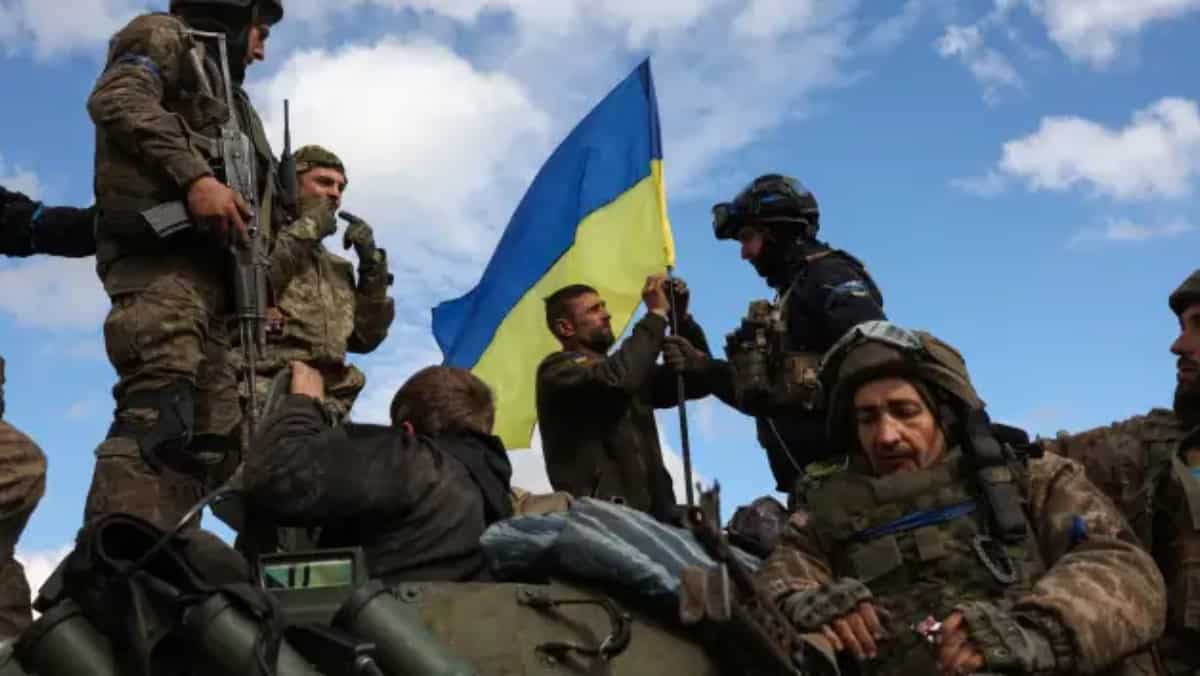
Ukrainian soldiers with their flag near Lyman, in the Donetsk region, on Oct. 4, 2022
On the frontlines of Ukraine, the snow is slowly melting but the battle is getting intense. Long faces, hunkered in the trenches, Ukrainian troops are growing weary as the war completes its second grim anniversary. The initial shock and disbelief have faded, replaced by a deep-seated weariness and the harsh realities of a protracted conflict. The initial narrative of valiant Ukrainian resistance against a clumsy Russian invasion has morphed into a complex and brutal war of attrition, where every inch gained comes at a heavy cost.
On February 24th, 2022, the world watched in disbelief as Russian tanks rolled into Ukraine, aiming for a swift regime change. However, the initial euphoria of the Russian blitzkrieg soon dissipated. Ukrainian forces, underestimated and outgunned, surprised the world with their fierce resistance. Ukraine was seen as a defiant nation in this David vs. Goliath battle against Vladimir Putin's Russia. Ukrainian President Volodymyr Zelensky was hailed as a hero against West's villain Vladimir Putin. Armed with Western anti-tank weapons like Javelins and NLAWs, they inflicted significant losses on the Russian armoured columns. Images of damaged Russian Tanks forced Moscow to retreat, regroup, and change tactics.
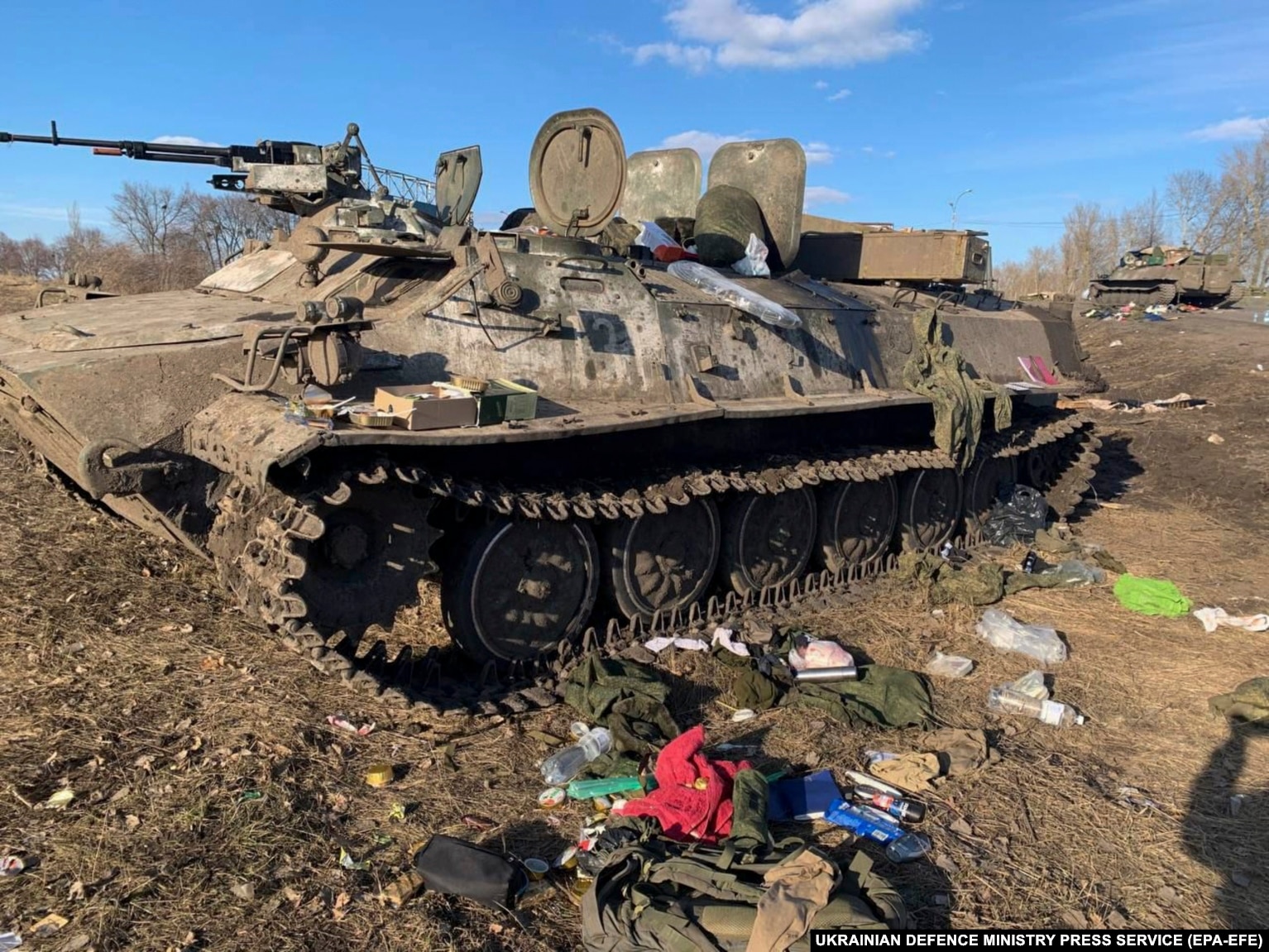

(Pic: A damaged Russian armored personnel carrier near Kharkiv)
Learning from their early mistakes, Moscow adopted a more methodical approach. They shifted their focus to the Donbas region in eastern Ukraine, employing heavy artillery barrages and siege tactics. While Ukrainian forces continued to resist fiercely, the imbalance in firepower and manpower slowly started to tell. Cities like Mariupol were reduced to rubble, and the human cost of the war mounted relentlessly.
Western support for Ukraine has been crucial in its continued resistance. Ukraine has received over $230 billion in aid since the Russian invasion in 2022. Billions of dollars in military aid, including advanced weaponry like HIMARS rocket systems, and Patriot missile systems gave Ukrainian forces the firepower to hit back at Russian forces. However, at the moment the flow of aid has turned into a trickle. The West's reluctance is often tied to complex political calculations and bureaucratic hurdles. This has left Kyiv with a constant sense of teetering on the brink, where every weapon delivery feels like a reprieve, but never a solution.
)
No Pandya as Auqib Nabi earns maiden ODI call-up; Mayank returns for WI T20Is| check full squads
)
Chiefs tight end Travis Kelce named one of the victims in $35 million ponzi scheme
)
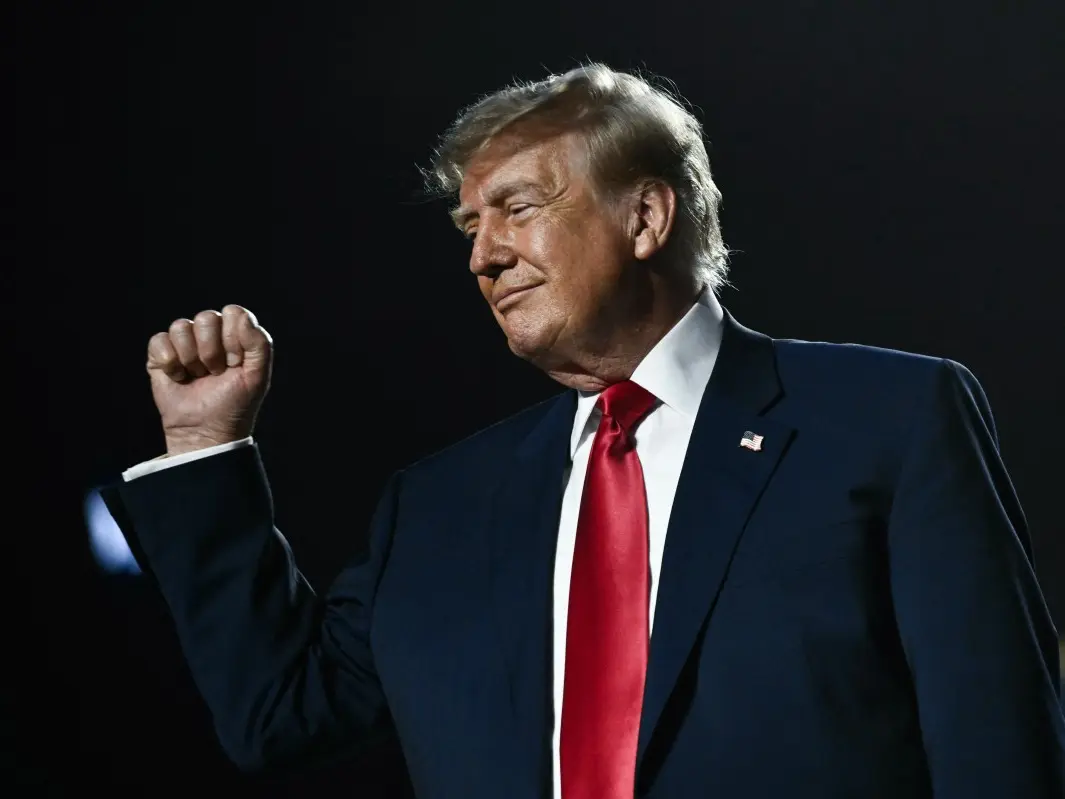
Trump praises India’s Opium crackdown, hails anti-drug efforts
)
Sydney Sweeney defends provocative ad choice, the internet is still not impressed
)
Former India player Diana Edulji wants Smriti Mandhana to replace Harman as skipper at the earliest
)
Trump calls Canada-EU associate membership plan ‘laughable’ and threatens 'very serious tariffs'
)
Protests erupt over migrant housing plan in Piddington
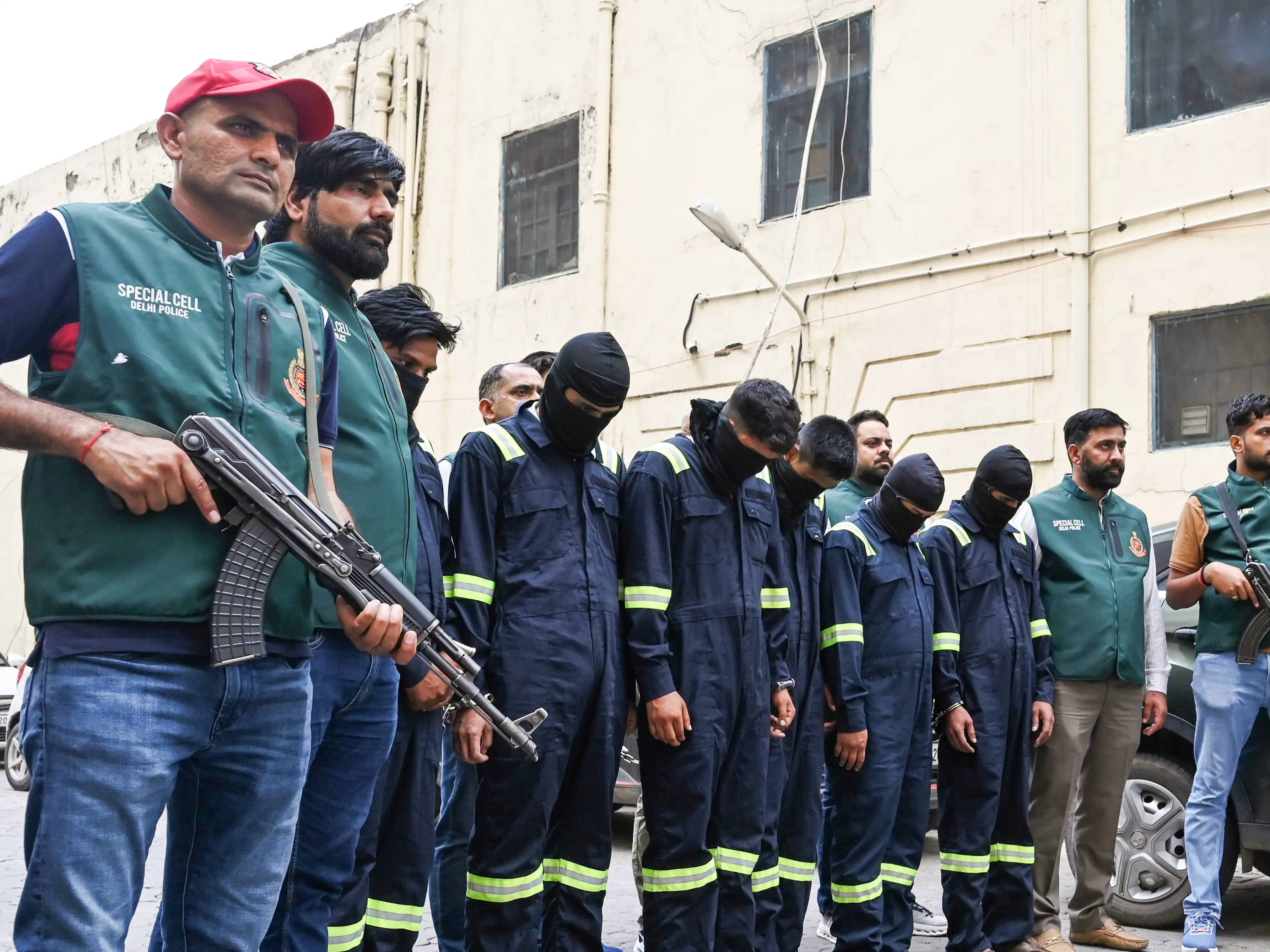)
Shahzad Bhatti Network declared terrorist organisation under UAPA: Govt order
)
Europe wants a common playbook for security threats, seeks security beyond NATO
)
Formula One reveals the 2027 race calendar; Monaco to host sprint race for the first time
)
All Indian goods to get duty-free access to New Zealand
)
Bigg Boss 20: Mahhi Vij reveals she lost Yuva role to Kareena Kapoor; 'didn’t work out in my favour'
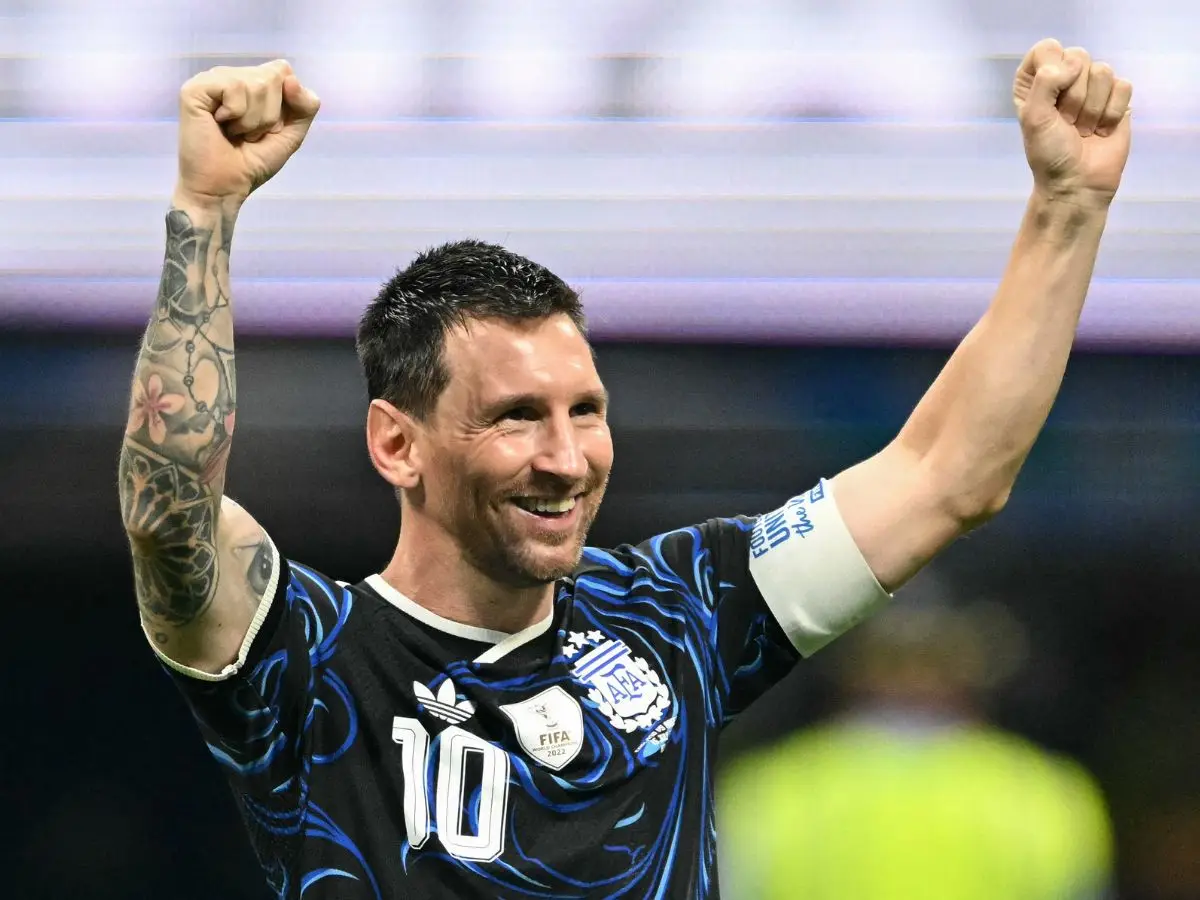)
Lionel Messi for 2026 Ballon d’Or over Mbappe and Yamal, says Diego Simeone
)
US House votes 417-3 to pass Ratepayer Protection Act targeting AI data center electricity costs
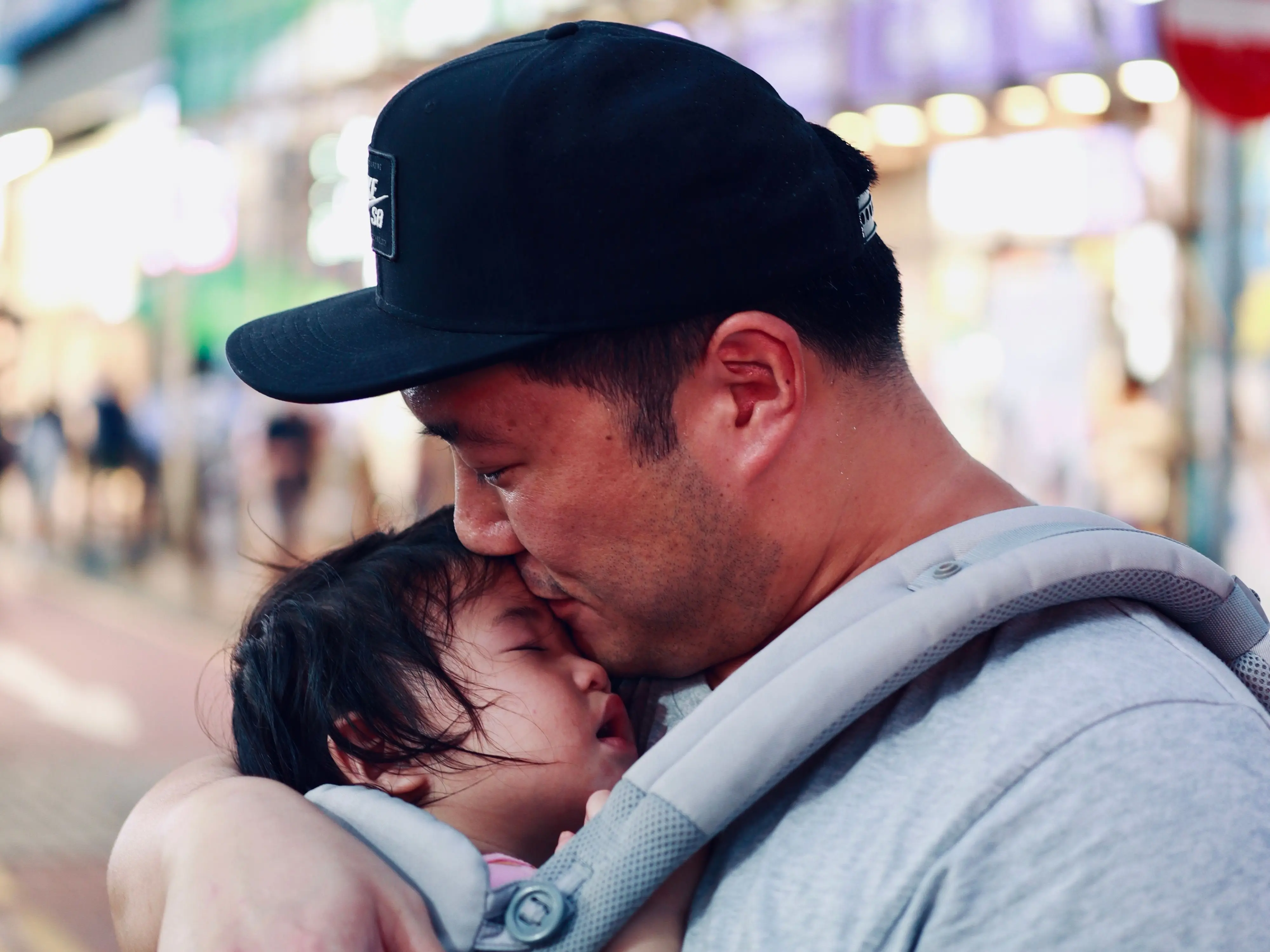)
Hong Kong unveils 11 new measures to boost birth rates, offers higher cash bonuses and housing perks
)
Former OpenAI researcher warns of growing risks from Artificial Intelligence
)
Veteran actor Anant Nag honoured with Indian cinema’s highest award
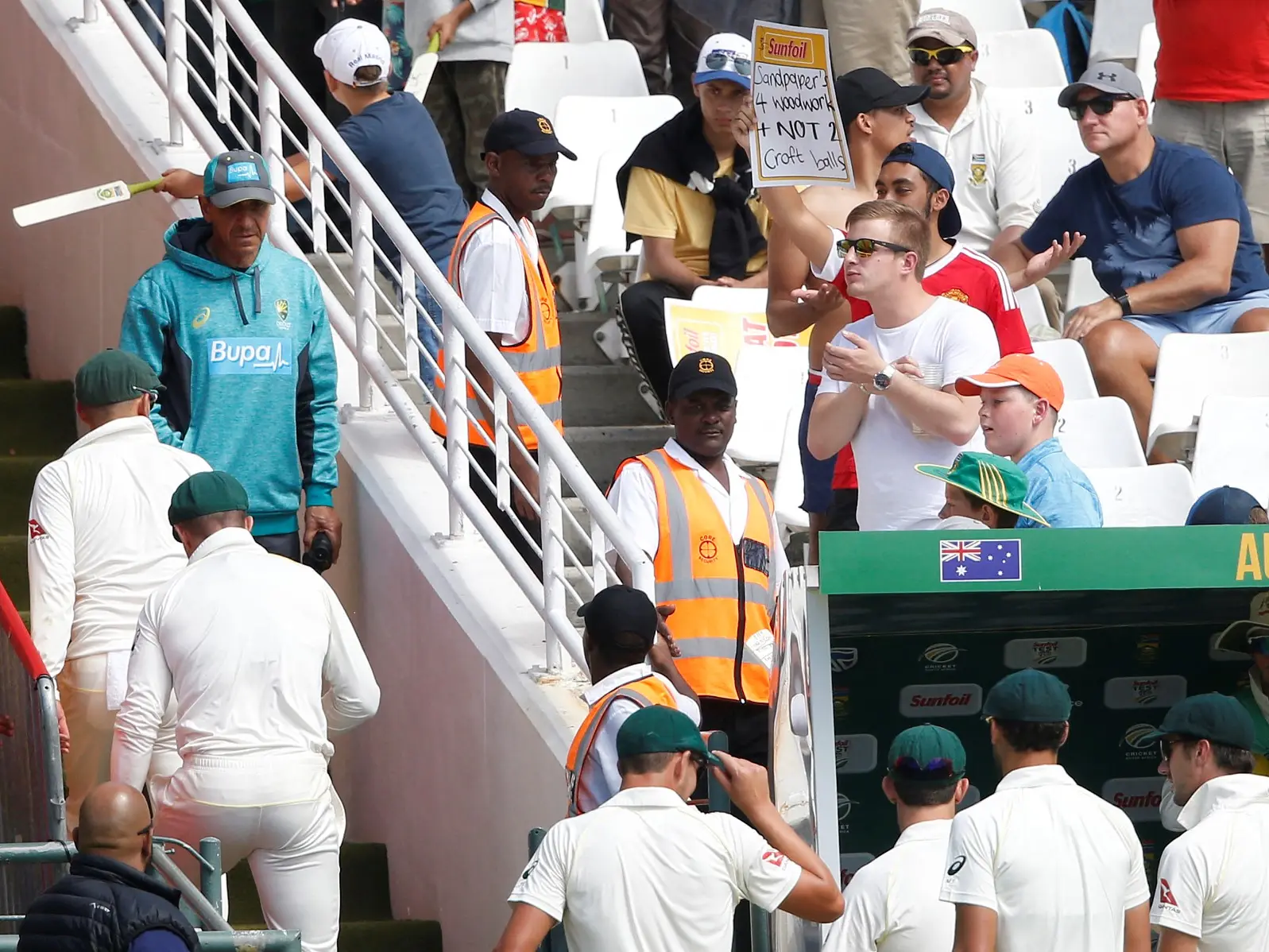)
AUS vs SA: Steve Smith still gets 'little flashbacks' from sandpaper gate
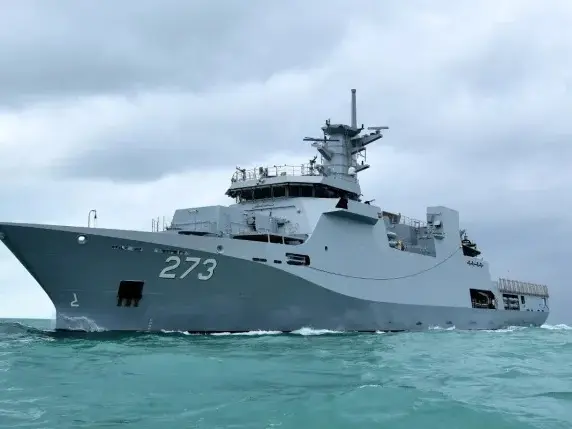)
Pakistan naval vessel returns to harbour with 'severe damage' after collision with Indian warship in Arabian Sea
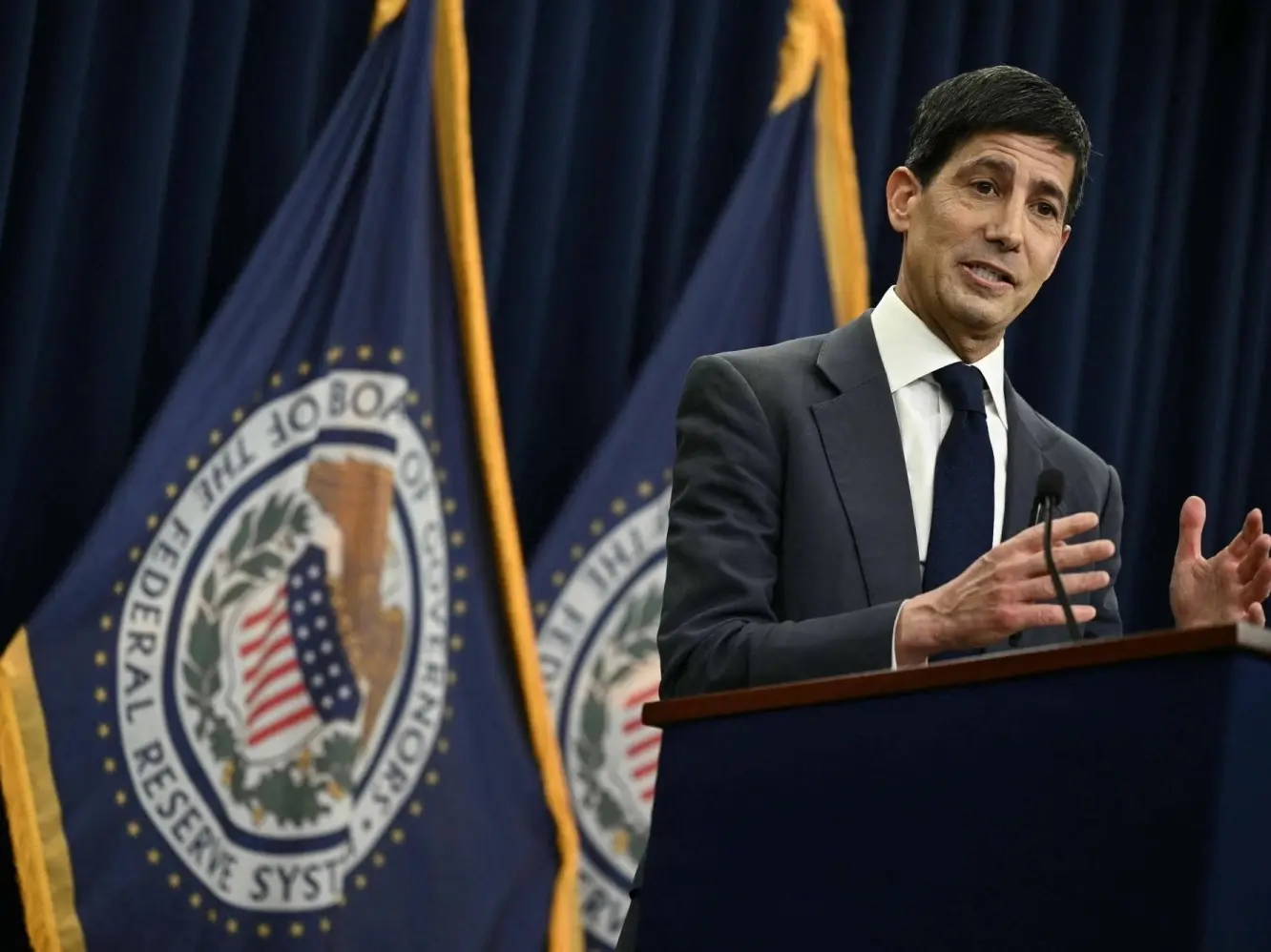)
Fed raises rates for first time in 3 years, Kevin Warsh defies Trump as inflation mounts
)
Katrina Kaif’s postpartum weight is not the problem; your gaze is
)
Taiwan seeks deeper India ties as direct flights restart soon and chip projects advance
)
Daayra movie review: Kareena Kapoor, Prithviraj Sukumaran shine in Meghna Gulzar’s cop-versus-cop crime thriller
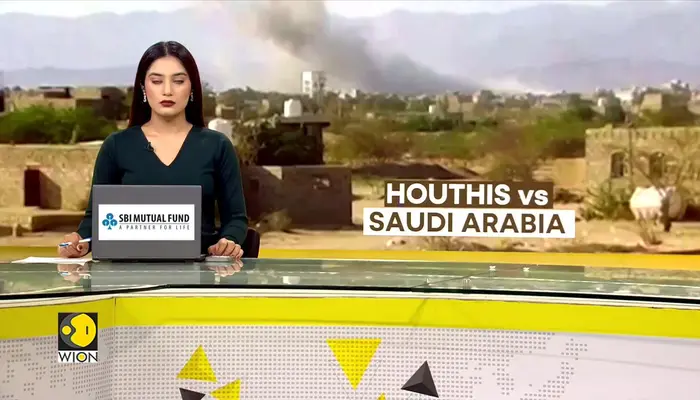)
Saudi Vs Houthis: Yemeni military rebels clash with Houthis
)
Pak batter Rizwan's petition against being questioned by cyber crime agency rejected by court
)
US trade tariff: 100% tariff targets Russian buyers amid trade tensions
)
Pakistan: Imran Khan's sons Kasim & Sulaiman claim their father is 'tortured' in jail
&im=FitAndFill=(700,400))
New OTT releases this week (September 14-20, 2026): Lust Stories 3, Waiting Hai, Irumudi- 5 new titles coming on Netflix, Prime Video and more
)
Trump gets new power to hit India, China with up to 100% tariffs as US Senate clears Russia sanctions bill
)
Prime Minister Narendra Modi's birthday: Italian PM Meloni sends birthday wishes
)
‘Imagine 50 AI fighters cornering one manned jet’: India’s mobbing doctrine eyes a new era of air warm
)
Saudi vs Houthis: Riyadh claims to have shot Houthi drone targeting Mecca
)
US Treasury rallies global financial institutions for Op Economic Outcast to isolate Iran
)
India breaks silence on US Russia sanctions bill, 100% tariff threat: ‘Committed to energy security’ for 1.4 billion
)
Pakistan boycotts chess match against Israel at Olympiad
)
Want to get married within a year? Why 18 lakh people rush to Jaipur for ‘sacred henna’
&im=FitAndFill=(700,400))
Suriya and Jyothika say ‘I do’ again after 20 years! See their dreamy wedding pics
)
Abhishek Sharma rises to No. 2 in T20Is; ENG’s Robinson 3rd after record Pakistan Tests
)
The Early Spring season 2 is happening, but fans have one request - 'don't change the actors'
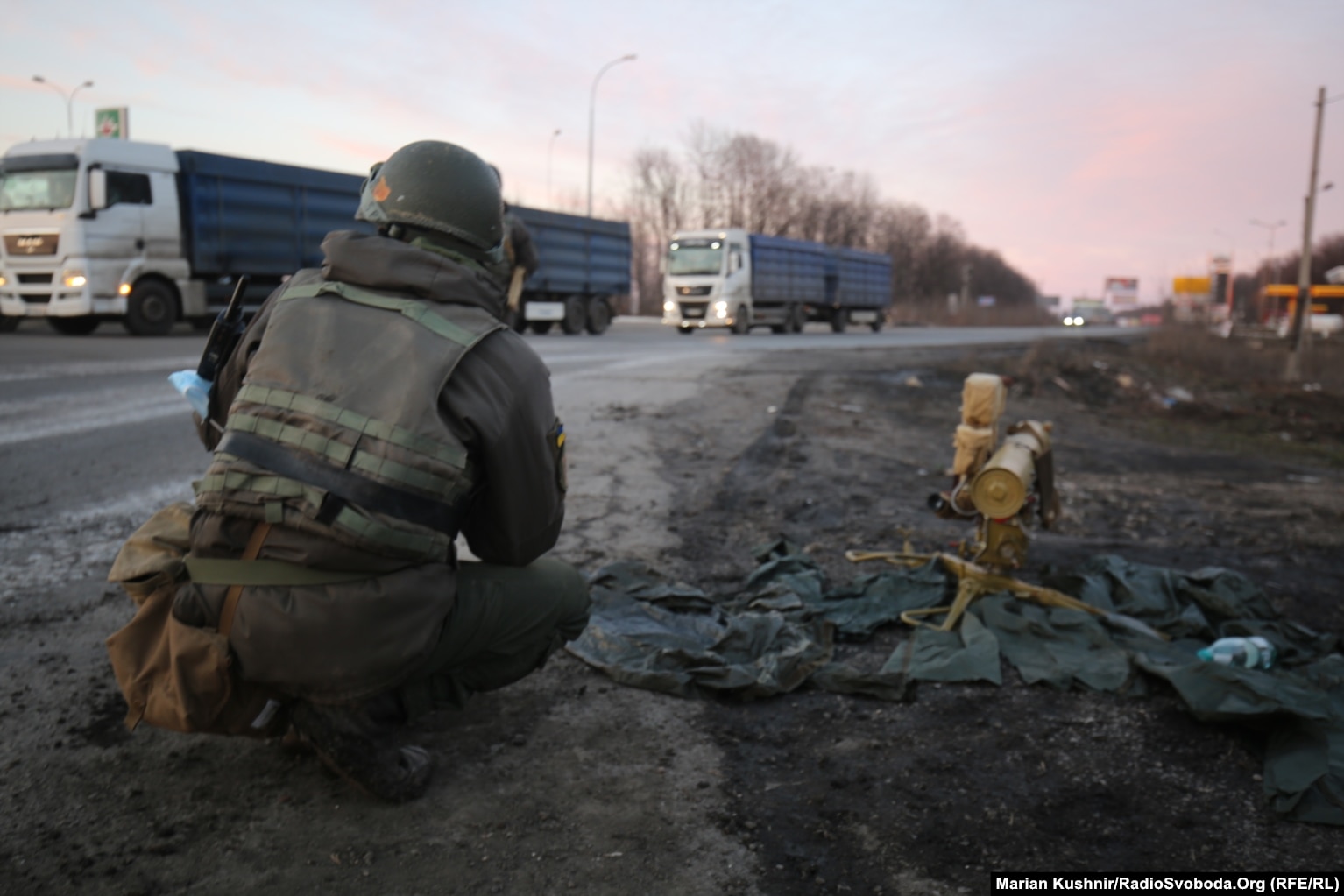
(Pic: Ukrainian soldier sitting near an anti-tank missile)
Two years into the war, the situation on the ground is grim. Russia has captured significant territory in the east, focusing on consolidating its hold on the Donbas region. Ukrainian forces, though showing remarkable resilience, are increasingly stretched thin, facing manpower shortages and dwindling ammunition supplies. The initial euphoria of early victories has given way to a desperate struggle for survival, with no clear end in sight.
While Russia currently holds the upper hand in terms of territory and firepower, its own problems are undeniable. Sanctions have crippled its economy, morale is low, and the true cost of the war in lives and resources is starting to bite. The question remains: can Russia sustain this level of aggression indefinitely, and at what cost?
A $95 billion aid package in potential American aid to Ukraine is stuck in limbo on Capitol Hill. The US President Joe Biden is pushing for it but former president Donald Trump has instructed Republicans to hold it back, and Zelensky is feeling jittery. This uncertainty adds another layer of frustration for Ukraine, already struggling with shortages and facing a critical juncture in the war. Ukrainian President has now called for Western countries to accelerate deliveries of promised air defence systems and fighter jets.
There is a sense of urgency in Kyiv's plea as ammunition is running desperately low. US President Joe Biden renewed his call on Republican lawmakers in Congress to unblock additional funding for Ukraine. Biden said: "We can't walk away now."
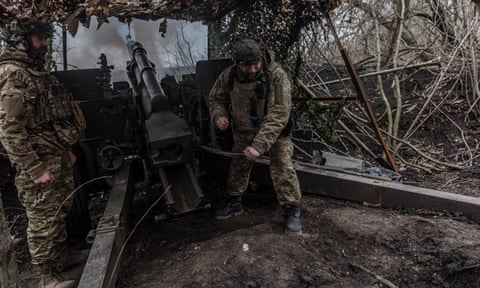
(Pic: Ukrainian soldiers fire artillery towards Avdiivka)
Beyond the military developments, the human cost of this war is staggering. Thousands of civilians have been killed, millions displaced, and the infrastructure of entire cities lies in ruins. The scars of this conflict will resonate for generations to come, leaving behind a legacy of trauma, grief, and a deep sense of loss.
The war in Ukraine has entered a dangerous and unpredictable phase. On the second anniversary, the West faces a complex dilemma. How much support can be provided without escalating into a wider conflict? Can diplomacy find a path to peace, or is this destined to be a long, bloody stalemate? The answers remain elusive, shrouded in the fog of war and the uncertainty of the future. But one thing is clear: the cost of inaction is just as high as the cost of war.
(Disclaimer: The views of the writer do not represent the views of WION or ZMCL. Nor does WION or ZMCL endorse the views of the writer.)
