

&imwidth=800&imheight=600&format=webp&quality=medium "Who is Padma Jaiswal? Why it took nearly two decades to dismiss the IAS officer for a 2007-08 offense | WION Explains")
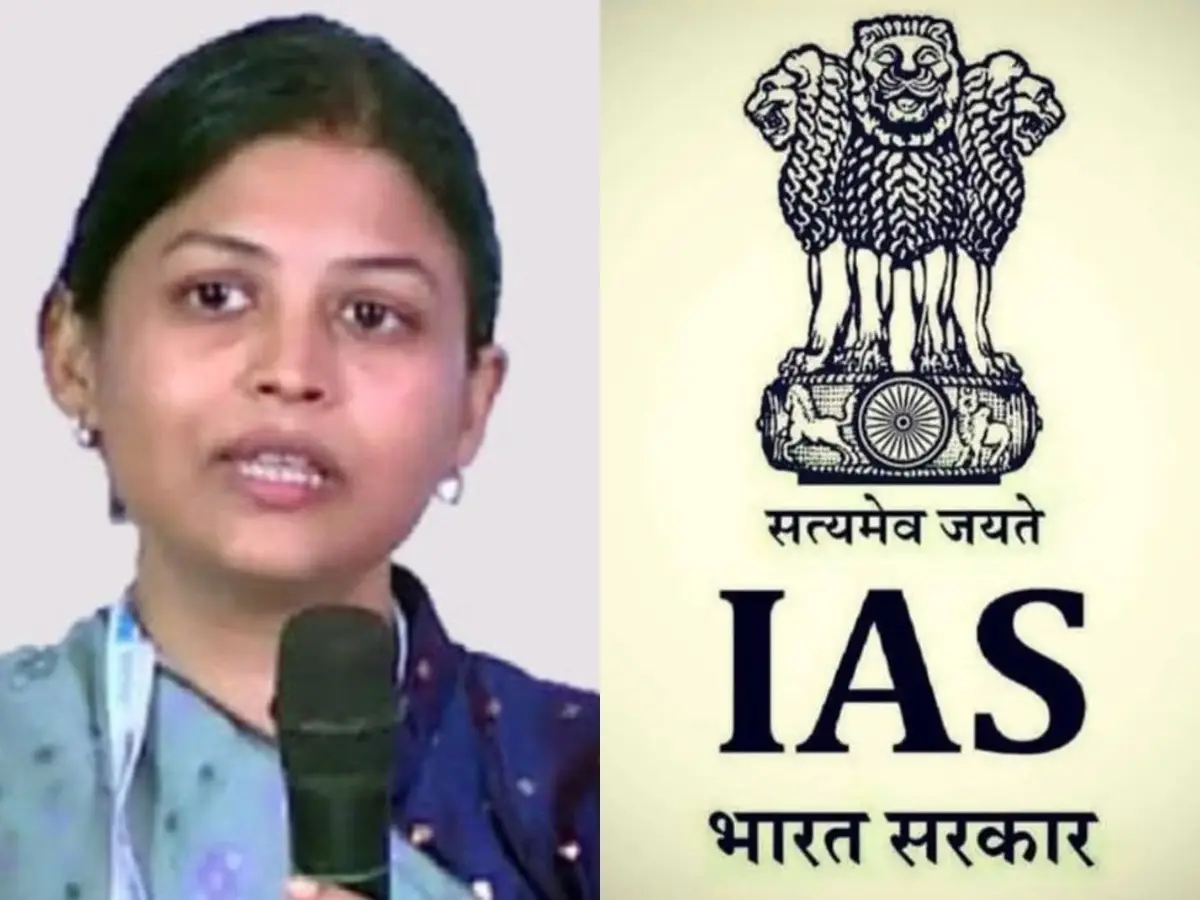
Padma Jaiswal, a 2003-batch IAS officer, has been dismissed by the Government of India over corruption charges that date back to 2007-08. The stringent action was taken based on a recommendation from the Department of Personnel and Training and final approval from the President of India. While in the upper echelons of Indian bureaucracy, the wheels of justice are notoriously slow, why did it take 18 years for her dismissal? Here's all you need to know about IAS Padma Jaiswal's dismissal.
Also read | How does India's petrol, diesel price hike compare to global rates? BJP provides 'context'
Who is Padma Jaiswal?
On paper, Padma Jaiswal was the quintessential high-achiever. A 2003-batch officer, her academic and professional portfolio was formidable:
According to her LinkedIn profile, she is an alumna of St. Xavier's School and University Business School, Panjab University. She holds an MBA, is a certified Company Secretary (ICSI), and served as a UGC Research Fellow.
Over two decades, she held key administrative posts across Delhi, Goa, Puducherry, and Arunachal Pradesh. However, the stellar trajectory of the 2003-batch IAS officer of the AGMUT cadre was permanently shadowed by events during her tenure as the Deputy Commissioner of West Kameng district in Arunachal Pradesh between 2007 and 2008.
Trending Stories
&imwidth=180&imheight=135&format=webp&quality=medium)
Horrific video shows the moment 18-year-old fell to her death from Mexico amusement park ride
&imwidth=180&imheight=135&format=webp&quality=medium)
US charges two former FBI officials with lying to Congress about Hunter Biden probes. 'Politically motivated' Trump grievance or something else?
&imwidth=180&imheight=135&format=webp&quality=medium)
IND-W vs ZIM-W, 1st ODI: Rawal, Charani star in India’s nine-wicket win over Zimbabwe
&imwidth=180&imheight=135&format=webp&quality=medium)
Emmanuel Macron calls Paris suburb shooting a 'racist terrorist attack' after one killed, several injured
&im=FitAndFill=(700,400)&imwidth=180&imheight=135&format=webp&quality=medium)
How smart robots and AI assemble vehicles in 20 hours
&imwidth=180&imheight=135&format=webp&quality=medium)
Did Neha Bora call for Bangladesh-like GenZ protest, 'anarchy' in India? WION Fact-checks viral claim
&imwidth=180&imheight=135&format=webp&quality=medium)
Massive 7.2 magnitude quake off Vanuatu triggers tsunami warning for coasts within 300 km
&imwidth=180&imheight=135&format=webp&quality=medium)
First Lady Melania Trump secures ceasefire between Russia, Ukraine in Oleshky: White House
&imwidth=180&imheight=135&format=webp&quality=medium)
Viral video shows cross falling on Colombia priest, no official confirmation | WATCH
&imwidth=180&imheight=135&format=webp&quality=medium)
US midterms 2026: Viral video claims Lindsey Graham paid underage men for sex; clip released weeks before his sister's Senate race
&imwidth=180&imheight=135&format=webp&quality=medium)
'Already tired of his 9-to-5': Baby born with a moustache becomes internet sensation, video goes viral | Watch
&imwidth=180&imheight=135&format=webp&quality=medium)
Google Fitbit Air’s new health guardian feature tracks trends: How it works
&imwidth=180&imheight=135&format=webp&quality=medium)
Tu Hai Meri Kiran film review: Sonakshi Sinha and Zaheer Iqbal's thriller gets tangled in its own twists
&imwidth=180&imheight=135&format=webp&quality=medium)
China's dancing robot turns violent bodyguard, lifts cars and fights intruders - Watch
&imwidth=180&imheight=135&format=webp&quality=medium)
Global cybersecurity alert: PHP flaws trigger website shutdowns as hack attempts surge into millions
&imwidth=180&imheight=135&format=webp&quality=medium)
AI deepfakes are spreading online: Why is removing them so difficult?
&imwidth=180&imheight=135&format=webp&quality=medium)
US midterms 2026: Trump revises Canada tariffs as Susan Collins faces tight re-election race in Maine
&imwidth=180&imheight=135&format=webp&quality=medium)
Fauzi teaser out: Prabhas takes on the British Empire in patriotic avatar | Watch
&imwidth=180&imheight=135&format=webp&quality=medium)
Will the US attack Iran this weekend? Trump's envoy says, 'absolutely'
&im=FitAndFill=(700,400)&imwidth=180&imheight=135&format=webp&quality=medium)
New Friday OTT releases (October 23, 2026): Gajab Raat, Dorothy, Chaar Yaar- Watch these 6 new movies and TV shows on Netflix, Prime Video and more
&imwidth=180&imheight=135&format=webp&quality=medium)
Farooq Abdullah says Pakistan’s raising of Kashmir issue keeps pressure on Delhi
&imwidth=180&imheight=135&format=webp&quality=medium)
Chemical warehouse explosion in Mexico: Several injured in multiple blasts, 1,000 evacuated in León
&imwidth=180&imheight=135&format=webp&quality=medium)
India-China face-off continues near Arunachal’s Taksing, reveals ITBP chief in first official confirmation of tensions
&imwidth=180&imheight=135&format=webp&quality=medium)
Negotiators from Ukraine, Russia, United States to meet in Abu Dhabi: Zelensky
&imwidth=180&imheight=135&format=webp&quality=medium)
IND vs NZ 2nd T20I: Shreyas Iyer on brink of breaking Rohit Sharma’s record
&imwidth=180&imheight=135&format=webp&quality=medium)
'My name has always been Ilhan Omar': Congresswoman hits back at Trump, calls him a 'creep'
&imwidth=180&imheight=135&format=webp&quality=medium)
'Black triangle' UFO flying at 1,800mph spotted over sensitive US site: Latest Trump admin UFO file dump
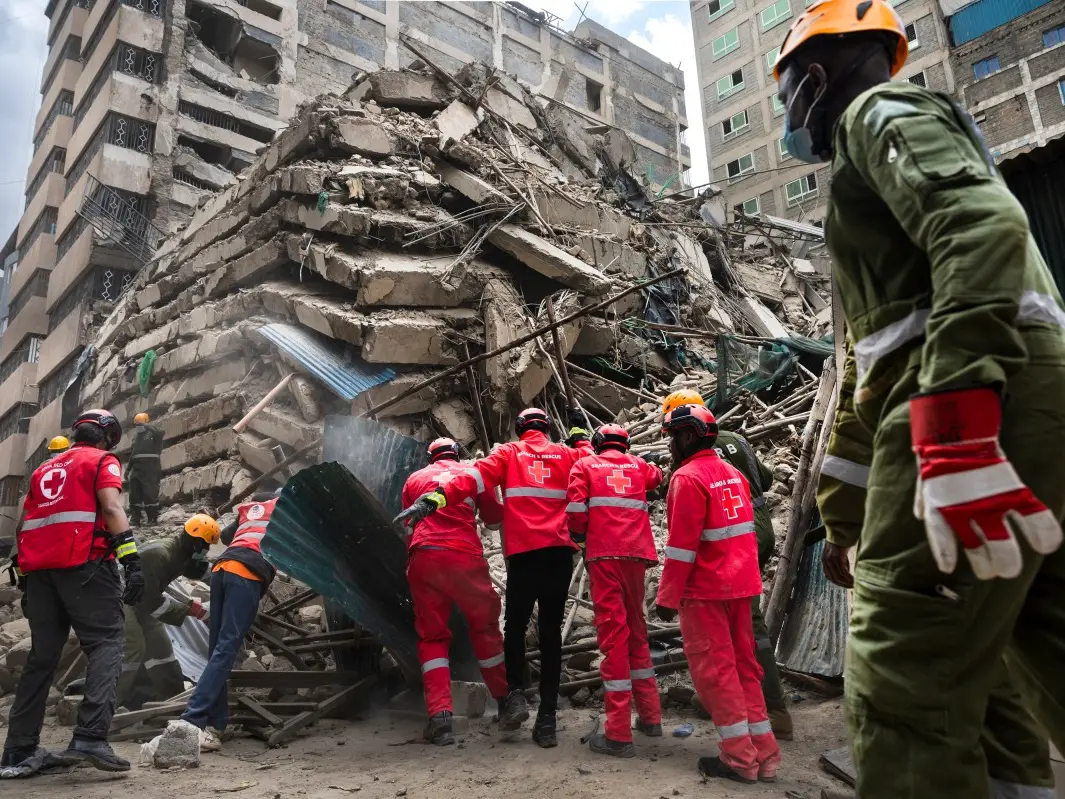&imwidth=180&imheight=135&format=webp&quality=medium)
Nairobi building collapse: Several feared trapped after 16-storey structure crumbles; rescue operation underway
&imwidth=180&imheight=135&format=webp&quality=medium)
Anthropic security chief issues grim cyberattack warning: ‘It’s going to get a lot worse’
&imwidth=180&imheight=135&format=webp&quality=medium)
Gravitas | US attack could trigger WW III: Russian planes in Tehran, Israeli jets, US warships in action
&imwidth=180&imheight=135&format=webp&quality=medium)
Pakistan airline PIA unveils new crew uniforms, faces online criticism
&imwidth=180&imheight=135&format=webp&quality=medium)
'You’re a horrible little reporter, aren’t you?': Trump snaps at NBC reporter questioning his support for Ramaswamy's campaign ad
&imwidth=180&imheight=135&format=webp&quality=medium)
US Navy, Marine Corps boards defy Trump's transgender military ban, vote to retain troops
&imwidth=180&imheight=135&format=webp&quality=medium)
French Open: PV Sindhu storms into final with win over Hina Akechi
The charges: What happened in 2007-08?
The case centres on allegations of "misutilisation and misappropriation" of significant public funds. In February 2008, local residents filed a complaint accusing Jaiswal of abusing her official position to divert government money.
The investigation found her in violation of the All India Service (Conduct) Rules, specifically citing a failure to maintain "absolute integrity and devotion to duty." While the specific financial figures remain part of the internal inquiry, the Ministry of Home Affairs (MHA) deemed the breach serious enough to warrant a major penalty.
The glacial timeline: Why the 18-year delay?
The most pressing question surrounding Jaiswal’s dismissal is the timeline. How does a "zero tolerance" policy reconcile with a two-decade wait?
Any action against an AGMUT cadre (Arunachal Pradesh-Goa-Mizoram and Union Territories cadre) officer, involves a complex relay between the Ministry of Home Affairs (MHA), the Department of Personnel and Training (DoPT), and the Union Public Service Commission (UPSC), before reaching the President’s desk.
Notably, Jaiswal was suspended in April 2008 following the initial complaints. However, in a move that allowed her to continue her career for another 16 years, that suspension was revoked in October 2010. In 2009, an official chargesheet was filed against the IAS officer. Following this, the MHA initiated disciplinary proceedings under Rule 8 of the All India Services (Discipline & Appeal) Rules, 1969.
However, it was only in May 2026 that the MHA’s recommendation for "removal from service" was finalised and approved.
A rare and stringent penalty
Dismissing a serving IAS officer is an administrative death penalty. Unlike "compulsory retirement," where an officer might retain pension benefits, a removal from service is a more severe sanction that terminates current employment immediately.
While Jaiswal told the Indian Express as recently as this week, "I am not aware of any such development," the official notification marks a significant escalation in the Centre’s crackdown on administrative corruption.

