How does India's petrol, diesel price hike compare to global rates? BJP provides 'context' | In Pics

India’s ₹3 fuel hike has sparked backlash, but the BJP argues that compared with the global fuel shock unleashed by the Iran war and Hormuz disruption, India’s increase is relatively small. How much of the world is already paying? Let’s break down the global context.
The context behind India's Rs 3 per litre hike — and how it compares globally
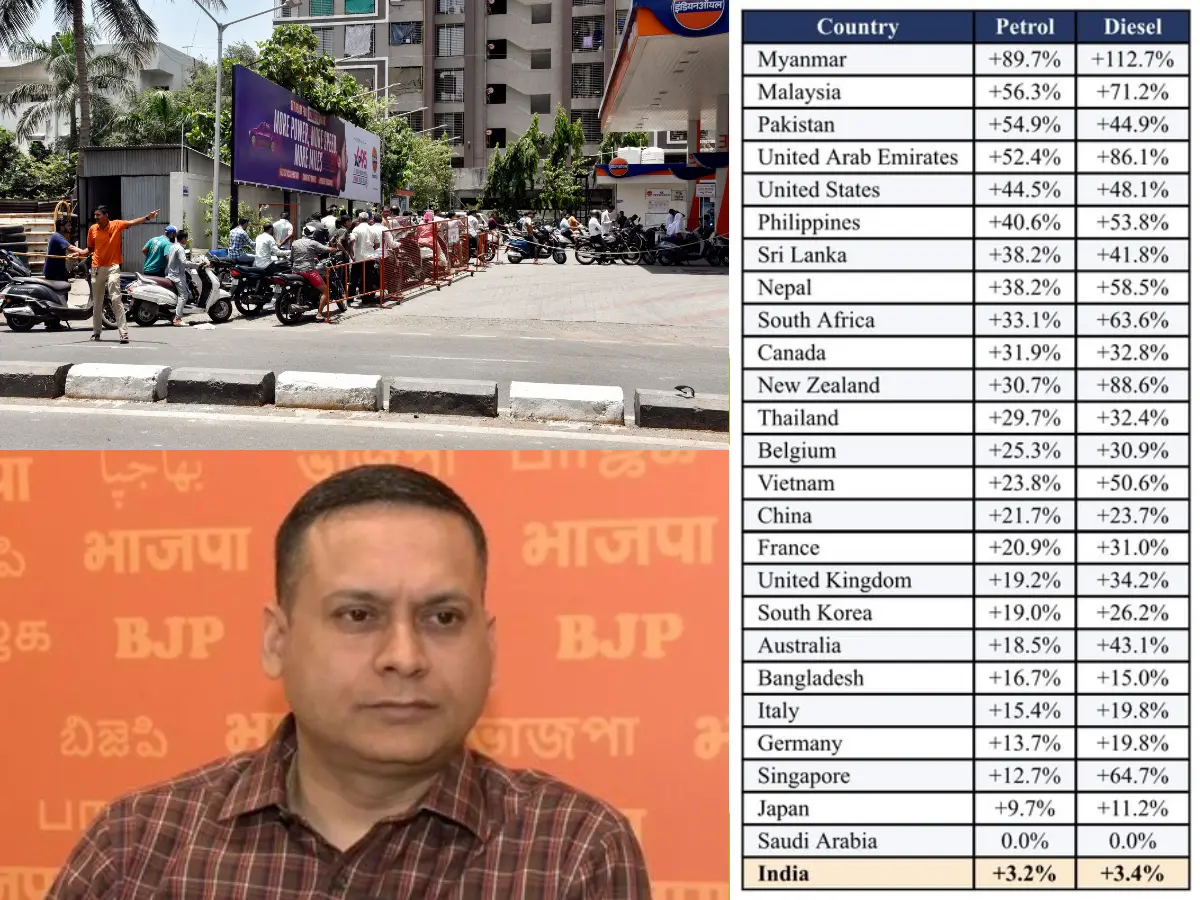
Hours after India hiked petrol and diesel prices across the country by INR 3/litre, the Prime Minister Narendra Modi-led BJP party sought to defend the widely criticised move. On X, BJP IT cell chief Amit Malviya shared a detailed post giving "context behind the numbers". According to the post, while the rest of the world paid up to 90 per cent more for fuel amid the US-Israel-Iran war in West Asia, India now has to pay a mere three per cent. Let's take a look at how much more the world, including India's neighbours like Pakistan, is paying for petrol and diesel, according to the BJP.
The global picture: Brent crude price reach new heights
When the US-Israel campaign against Iran began on February 28, and the Strait of Hormuz effectively closed, it set off one of the sharpest fuel price surges in years. Brent crude stayed above $100 a barrel for most of April and May, said BJP's Malviya. At petrol pumps across the world, that pain was passed on quickly and sharply. Between February 23 and May 15, 2026, fuel prices rose dramatically in nearly every major economy, in some cases by double digits, in others by more than 50 or even 100 per cent, he claimed, adding “But India has emerged as a distinct and remarkable exception in this entire picture.”
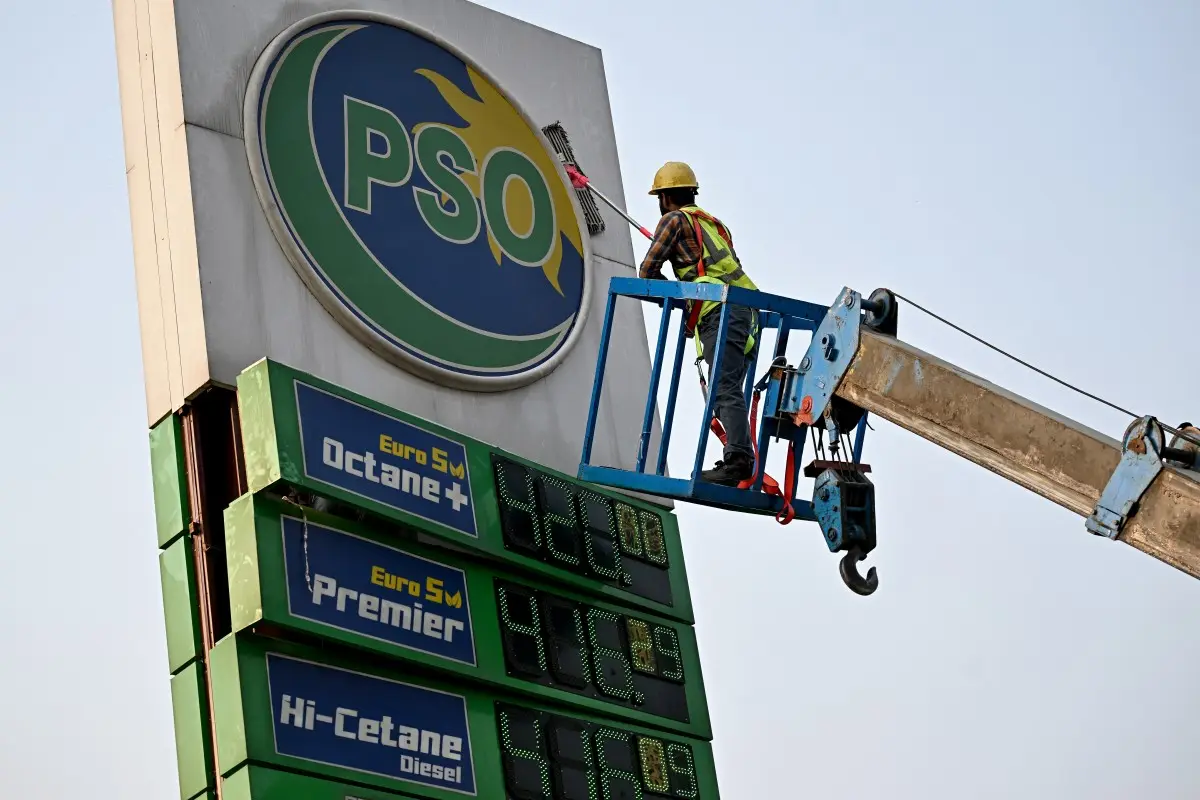
Pakistan vs India: fuel price hike
The data shared by Malviya show that the countries closest to India tell a particularly striking story about how the regional fuel shock played out.
According to it, Pakistan saw petrol rise 54.9 per cent and diesel 44.9 per cent, compounding economic pressures the country was already managing before the conflict began.
Meanwhile, India, he said, witnessed a nominal price increase of 3.2 per cent for petrol and 3.4 per cent for diesel.
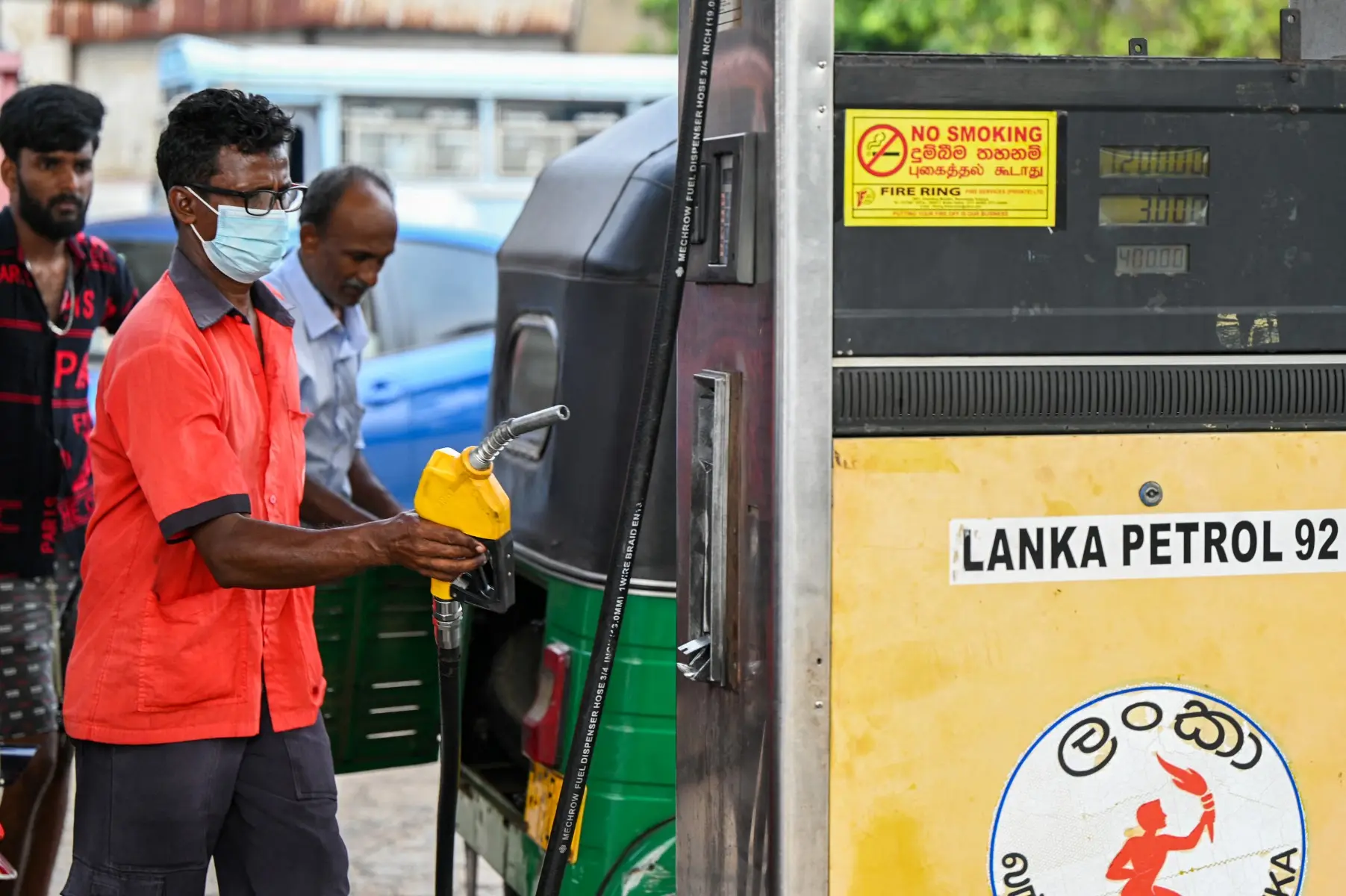
India's neighbours: Myanmar, Sri Lanka
Myanmar, as per the BJP, was hit hardest of any country tracked, with petrol up 89.7 per cent and diesel up 112.7 per cent.
Sri Lanka, which only recently emerged from a devastating fuel crisis, saw petrol climb 38.2 per cent and diesel 41.8 per cent.
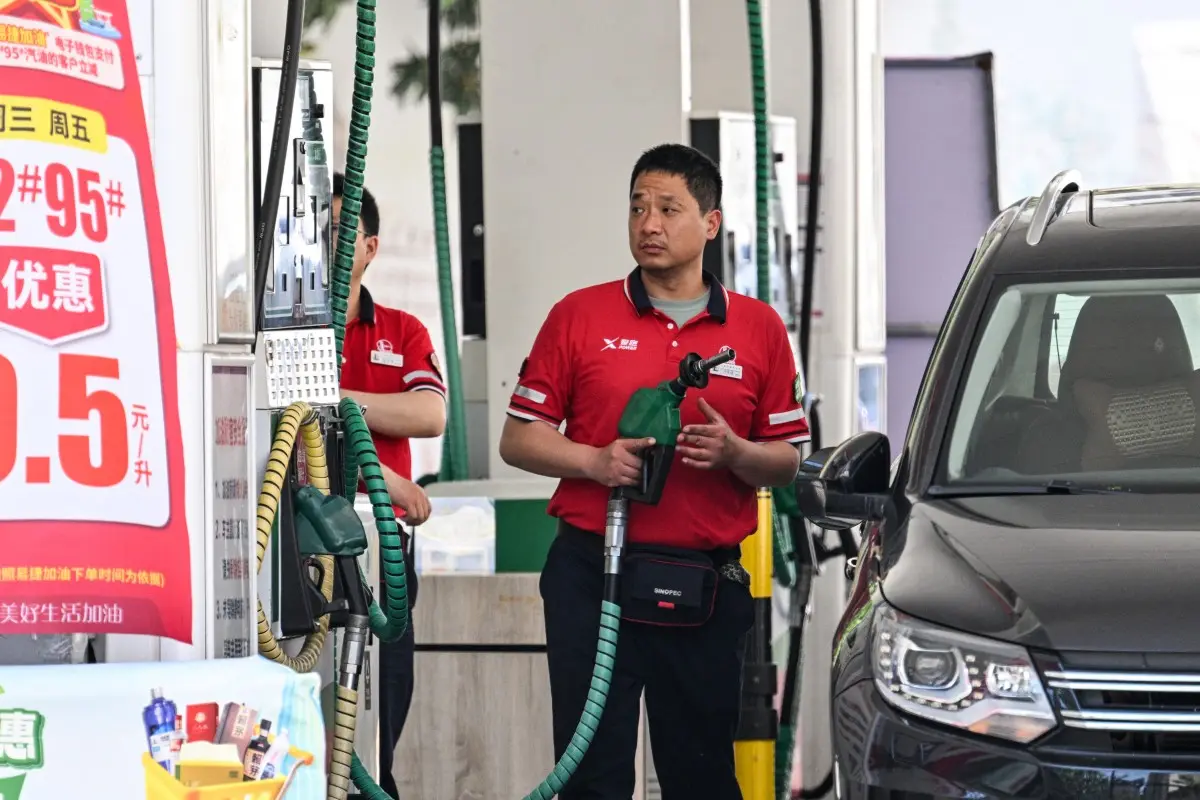
How much did fuel prices in China?
China's increases were relatively contained at 21.7 per cent for petrol and 23.7 per cent for diesel.
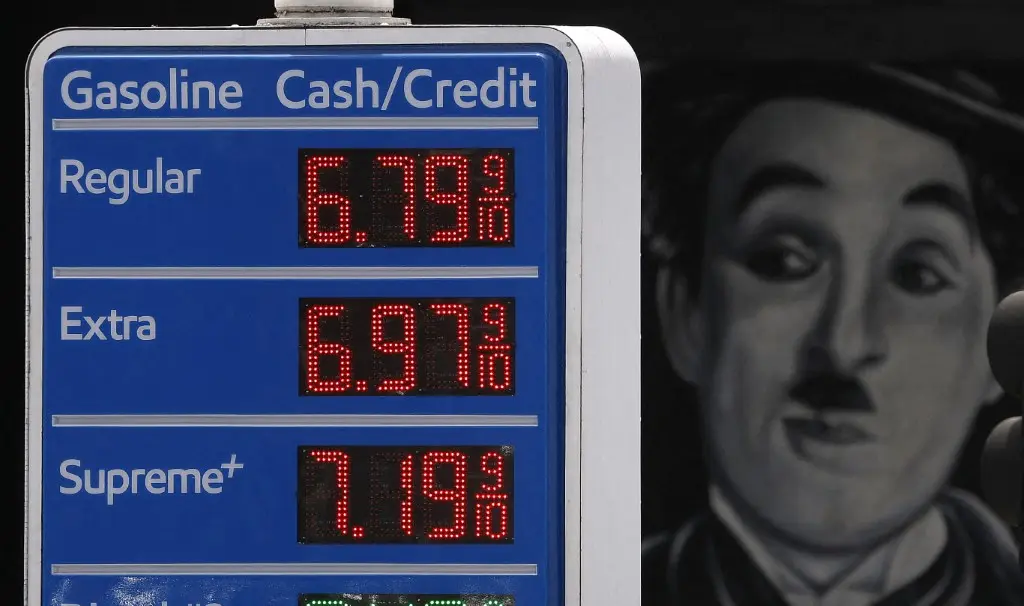
What about Trump's America?
The US saw petrol rise 44.5 per cent and diesel 48.1 per cent over the same period, one of the steeper increases among developed economies. The national average crossed $4.50 a gallon for the first time since 2022, with analysts warning of further increases into the summer driving season. For a country heading into midterm elections, the pump price has become one of the most visible economic flashpoints of the Iran conflict.
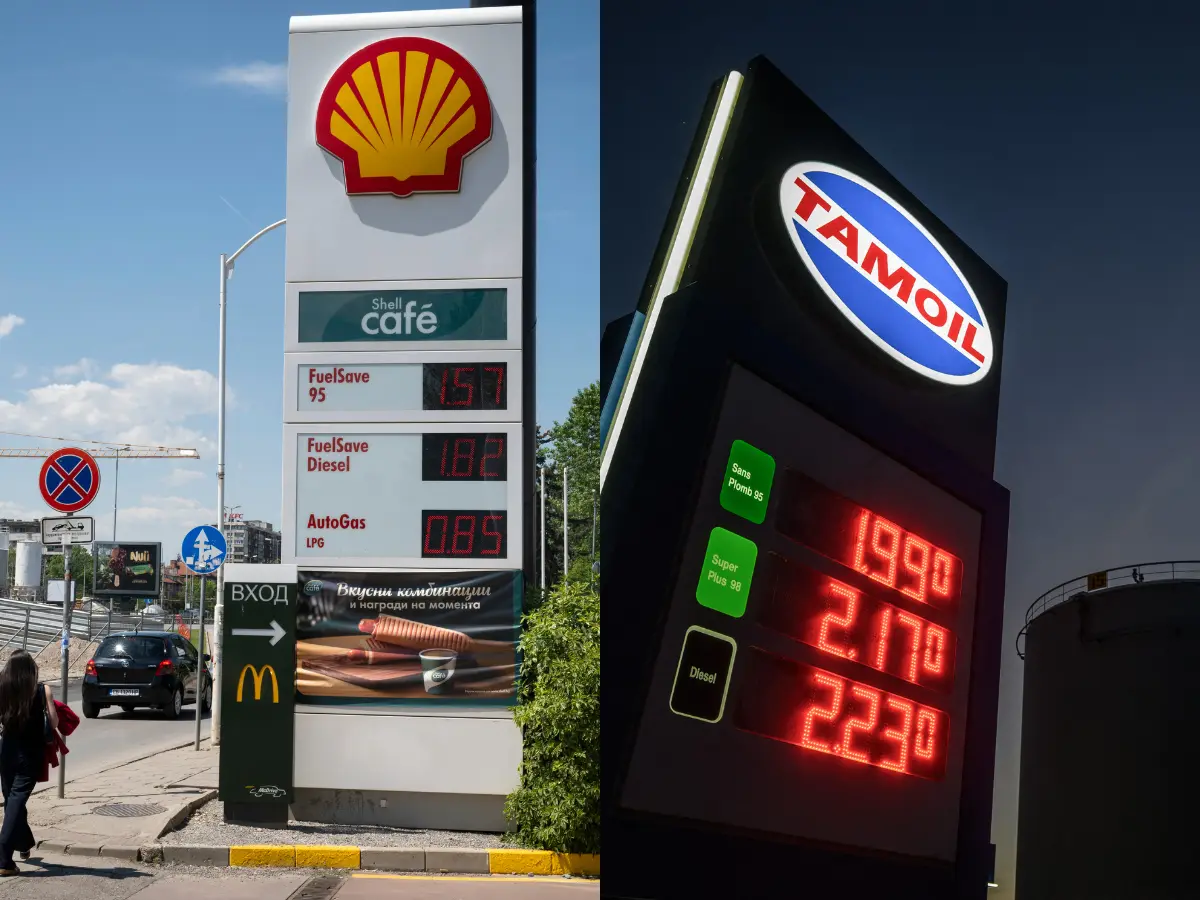
The rest of the world
Across the broader global picture, the divergence is just as sharp:
- United Arab Emirates (UAE): Petrol +52.4%, Diesel +86.1%
- Malaysia: Petrol +56.3%, Diesel +71.2%
- South Africa: Petrol +33.1%, Diesel +63.6%
- Singapore: Petrol +12.7%, Diesel +64.7%
- New Zealand: Petrol +30.7%, Diesel +88.6%
- France: Petrol +20.9%, Diesel +31.0%
- United Kingdom (UK): Petrol +19.2%, Diesel +34.2%
- Germany: Petrol +13.7%, Diesel +19.8%
- Australia: Petrol +18.5%, Diesel +43.1%
- South Korea: Petrol +19.0%, Diesel +26.2%
- Japan: Petrol +9.7%, Diesel +11.2%
- Only Saudi Arabia recorded zero increase, sustained by direct government fuel subsidies.
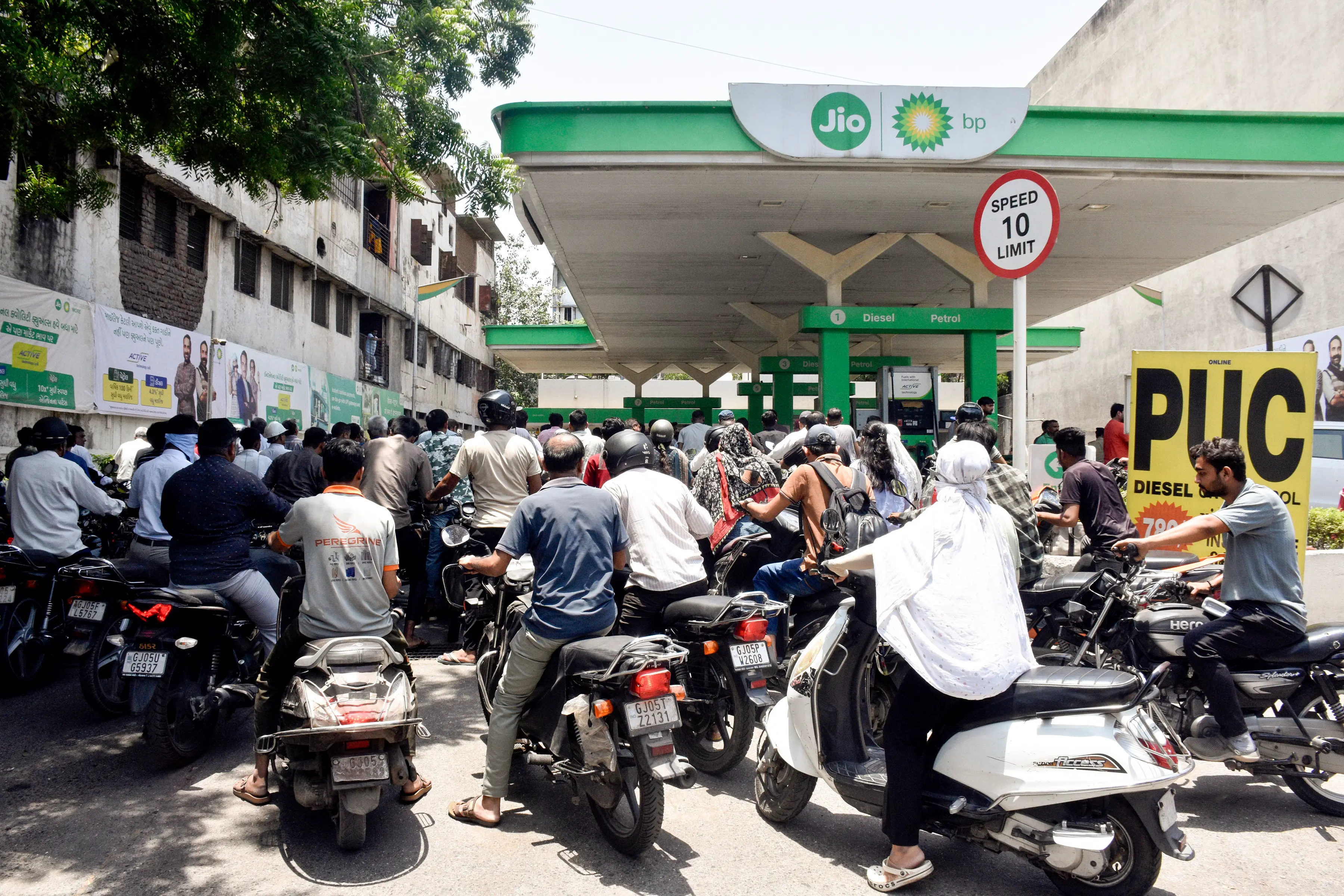
How did India avoid fuel price hike till now?
Malviya noted that India's public sector oil marketing companies, which control roughly 90 per cent of the retail fuel market, absorbed the rising cost of international crude for 76 consecutive days rather than passing it on to consumers. According to the BJP IT cell chief, the under-recovery during this period ran to approximately Rs 1,000 crore per day.
The Rs 3 per litre increase announced on May 15, the first price hike in nearly four years, amounts to roughly 3.5 per cent on a base price of around Rs 95 per litre.
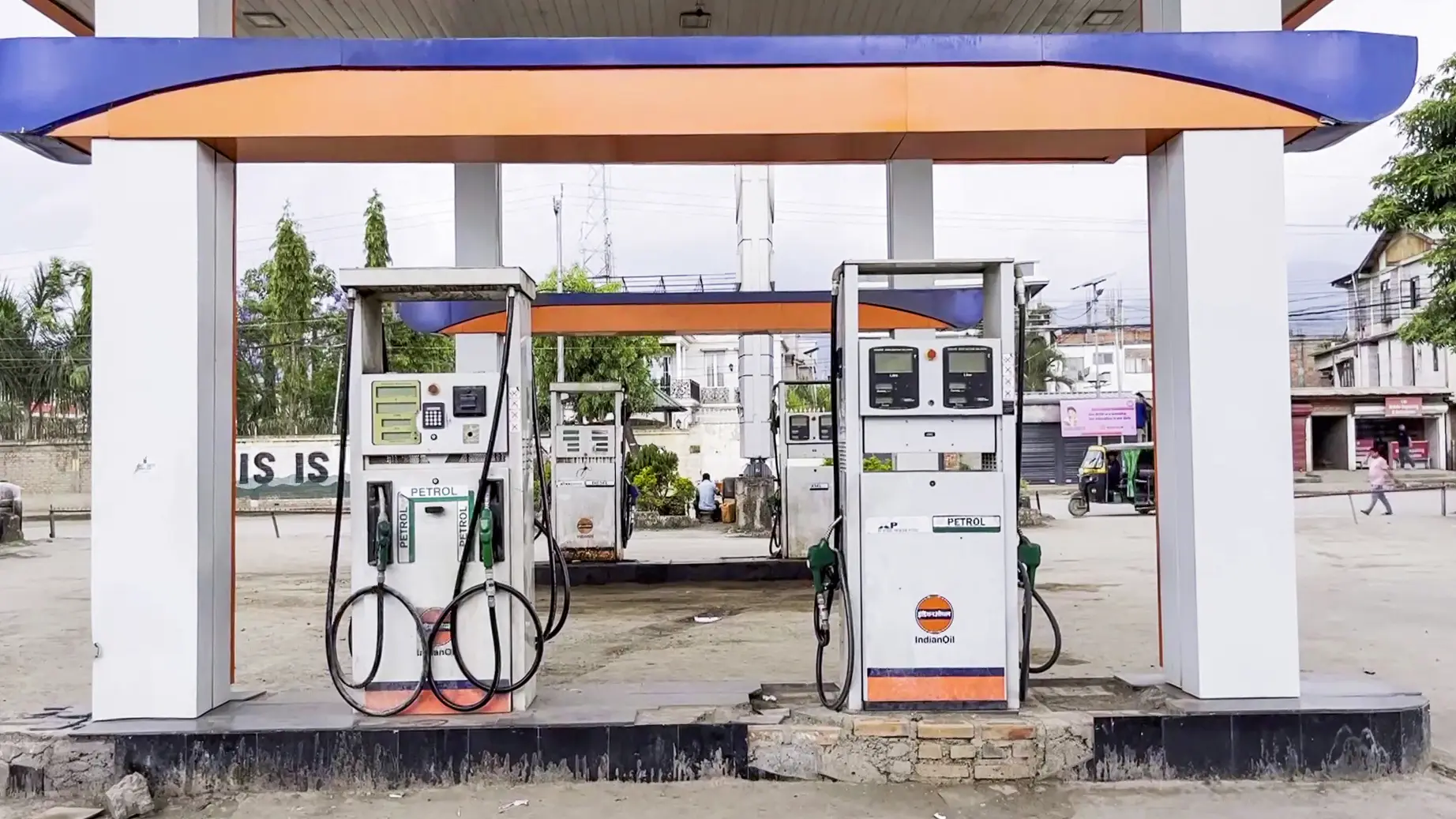
Why it matters beyond the pump
Fuel prices don't just affect what people pay when they fill their tanks. They feed directly into transportation costs, food prices, logistics, construction and household budgets across the economy. Containing fuel prices is, in significant measure, a way of containing inflation. The BJP argues that India's managed approach to the global oil shock shielded ordinary citizens from the full force of an energy crisis that has destabilised economies far larger and more insulated than its neighbours.
)
)
)
)
)