Gyanesh Kumar: Who is the CEC at centre of ECI rift over voter rolls?

&imwidth=600&imheight=450&format=webp&quality=medium "Gyanesh Kumar: Who is the CEC at centre of ECI rift over voter rolls?")
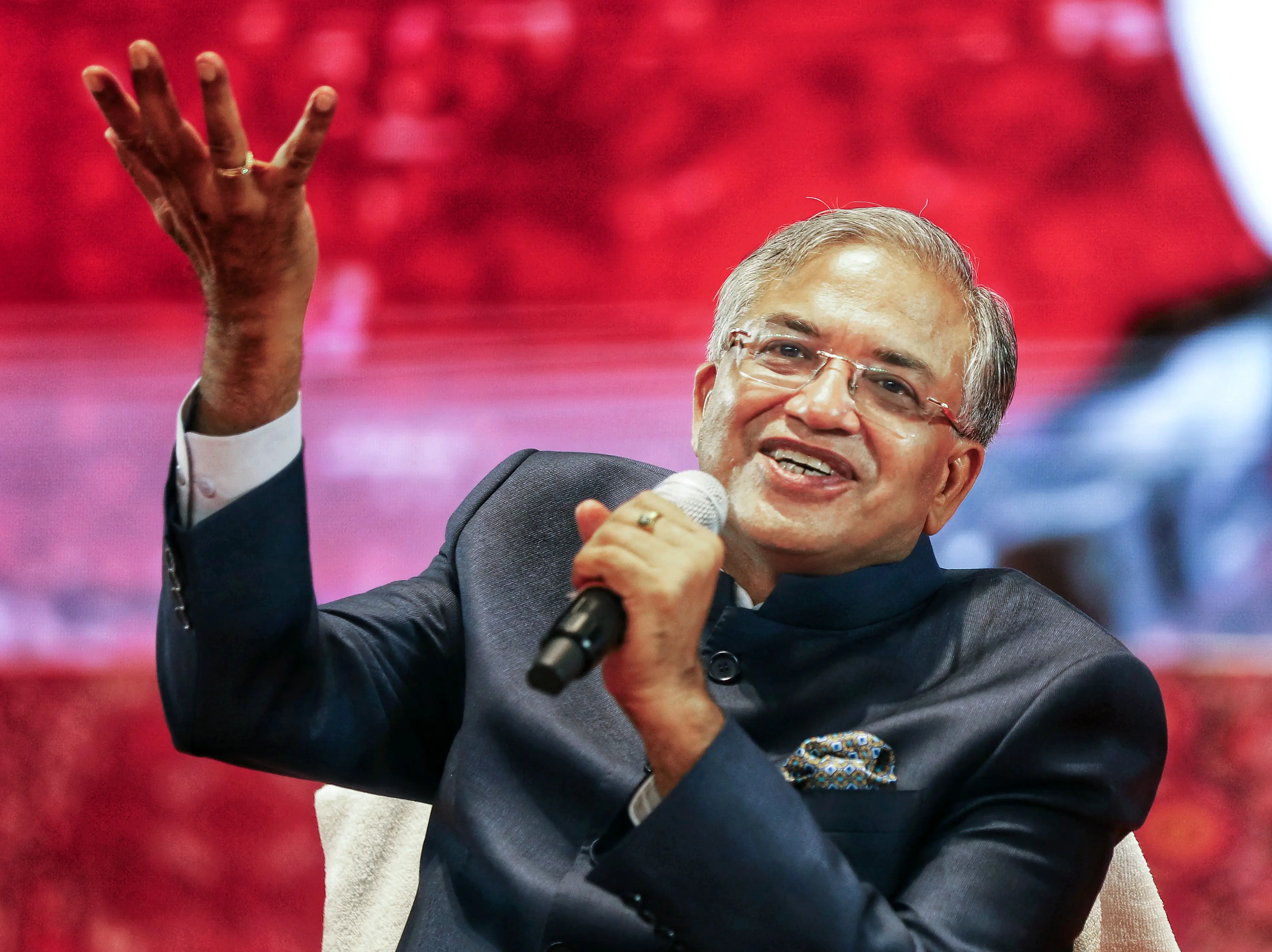
Gyanesh Kumar (File picture) Photograph: (ANI)
Who is Gyanesh Kumar? Here is a look at the CEC’s career, appointment and the reported ECI rift over voter rolls, Form 6 and SIR.
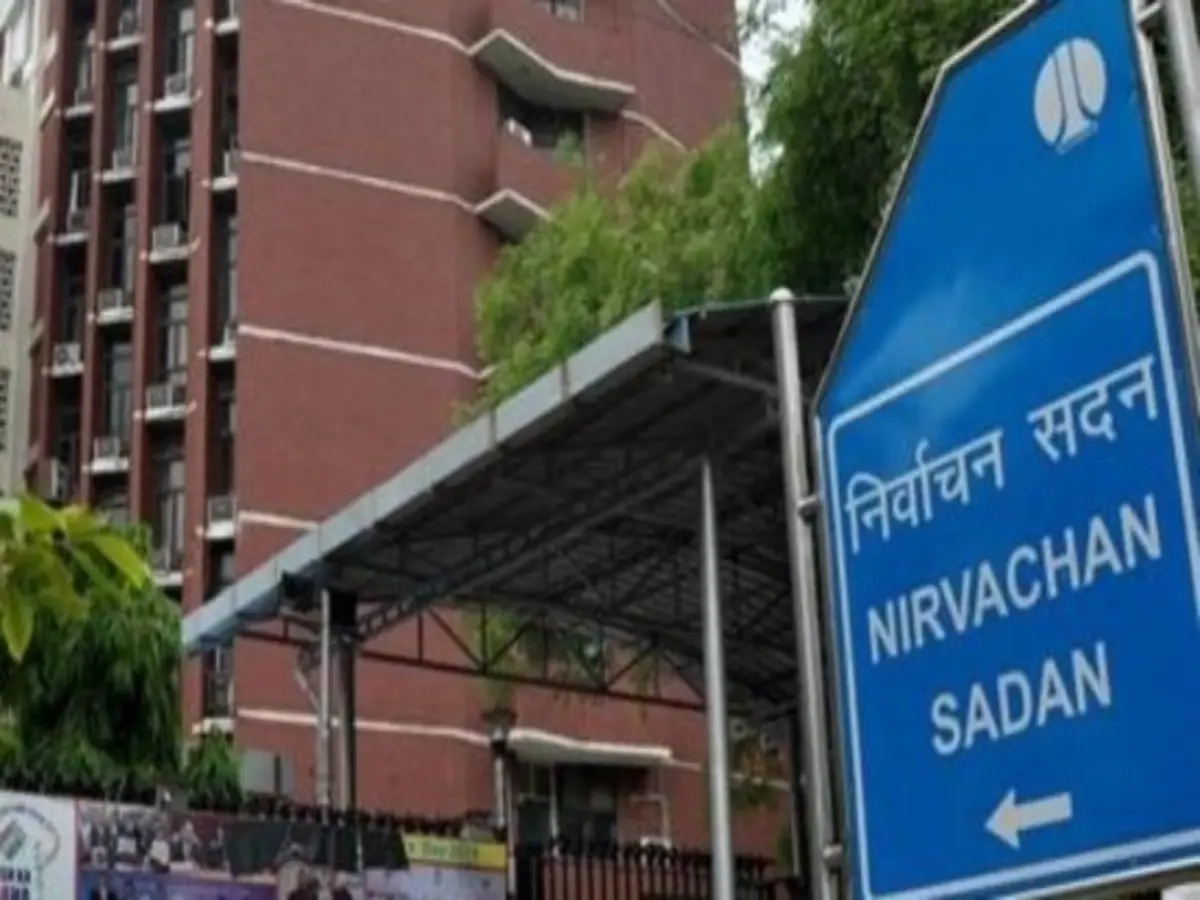
Chief Election Commissioner, Gyanesh Kumar, finds himself in the eye of the storm following reports alleging a rift between two other election commissioners, Sukhbir Singh Sandhu and Vivek Joshi. They have reportedly objected 14 times within 10 months to several key decisions of the ECI, including developing new modules and portals for centralising the electoral database without their prior approval, alteration of Form 6 for new voter registration without any formal government notification and disenfranchisement of voters in Special Intensive Revision.
All three Election Commissioners are completely equal in power, status, and decision-making authority. The Chief Election Commissioner is the one amongst equals to head the institution as chairman, but it does not grant him overruling powers. So, once again, the Election Commission in the world's largest democracy is facing serious credibility challenges, and discussion surrounds one man, Gyanesh Kumar Gupta.
Who is Gyanesh Kumar Gupta?
Gyanesh Kumar was born in Agra in 1964, and studied at IIT Kanpur (BTech) and did coursework in environmental economics at Harvard. He was a 1988 batch in the IAS cadre and served in Kerala with both Left and Congress governments. His last role as administrator was under Amit Shah as Cooperation Secretary. He then retired in January 2024 and joined as the Chief Election Commissioner within two months. He took the reins of the Indian apex polling body as the 26th Chief Election Commissioner of India on February 19, 2025.
The appointment was controversial not only because the Government amended provisions of the Chief Election Commissioner and Other Election Commissioners (Appointment, Conditions of Service and Term of Office) Act, 2023, which changed the selection committee, but also because, just before his appointment, Election Commissioner Arun Goel resigned without completing his tenure. He cited “personal reasons” for his resignation. But several reasons fuelled immense turmoil: firstly, he resigned just ahead of the 2024 General Assembly Election. Secondly, out of the three commissioners, another commissioner, Anup Chandra Pandey, had already retired in February 2024, so he would have known that his resignation would lead to thinning of leadership just ahead of a crunch election. Thirdly, media reports widely pointed to an internal rift between Goel and then CEC Rajiv Kumar. Gyanesh Kumar and Sukhbir Singh Sandhu joined on March 14 to fill the empty seats.
Trending Stories
)
)
)
)
)
)
)
)
)
)
)
)
)
)
)
)
)
)
)
)
)
)
)
&im=FitAndFill=(700,400))
)
)
)
)
)
)
)
)
)
&im=FitAndFill=(700,400))
)
)
&im=FitAndFill=(700,400))
)
Another notable mention in Gyanesh Kumar's portfolio is that he was part of the ‘crack team’ tasked with mapping the legal and administrative framework for removing Article 370, according to a Newslaundry profile which cites a book published by BlueKraft Digital Foundation, an organisation which has interviews with Modi, Union Home Minister Amit Shah, National Security Advisor Ajit Doval and several bureaucrats, and “offers a largely hagiographical account of the planning.” As Joint Secretary and Additional Secretary in the Ministry of Home Affairs and Secretary in the Ministry of Cooperation, he was also helping with the formation of Ram Mandir Trust, which became extremely controversial after the recent embezzlement scam.
Currently, Gyanesh Kumar's daughter, Medha Roopam, District Magistrate of Gautam Buddh Nagar, is in the middle of a legal battle for the preventive detention of a 24-year-old Delhi University student and activist, Akriti Chaudhary, under the stringent National Security Act (NSA) following labour protests in Noida. The Allahabad High Court has already ruled against her and slammed her for being “despotic” and turning UP into an Orwellian dystopia. She then immediately appealed to the Supreme Court, which stayed the ₹5 lakh fine to be paid from her salary to the student and the adverse remarks made against her; however, it quashed the NSA against Akriti.
Now Gyanesh Kumar is facing calls for resignation, criminal investigation from opposition leaders, with the newly formed satirical Cockroach Janta Party threatening a nationwide protest.

