'What has the Makkah pact done?': Jaishankar questions significance of Pakistan-Turkey-Saudi defence deal

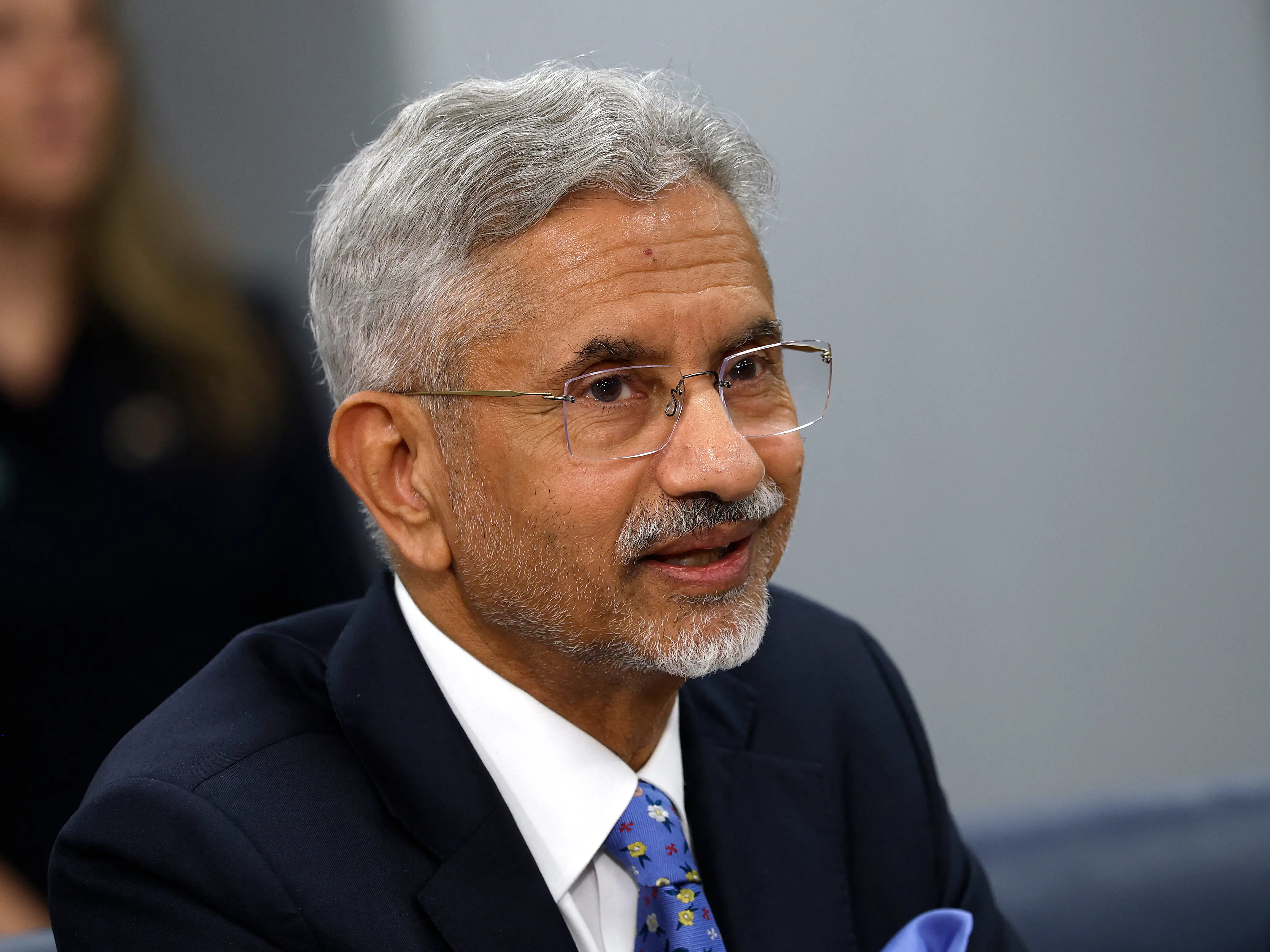&imwidth=600&imheight=450&format=webp&quality=medium "'What has the Makkah pact done?': Jaishankar questions significance of Pakistan-Turkey-Saudi defence deal")
S Jaishankar Photograph: (Others)
Jaishankar questioned the Makkah defence pact’s impact while saying India will factor every move by unfriendly players into its security calculus
External Affairs Minister S Jaishankar has played down the immediate significance of the Makkah Joint Defence Agreement between Pakistan, Saudi Arabia and Türkiye, questioning what the pact has achieved amid the ongoing military situations confronting its three signatories. “There are live military situations which each of the signatories face, what has the Makkah pact done in response to that?” he said when asked about India’s reaction to the agreement at an event in Delhi.
At the same time, Jaishankar made it clear that New Delhi would not ignore the development. He said India would factor the agreement into its broader security assessment, particularly when it involves countries whose policies are viewed as unfavourable towards India. “In my calculus, everything counts, everything will have a weight…and sometimes things need to play out,” he said. “Everything which happens on the part of any player who’s not well disposed towards me, of course counts in my calculation.”
What is the Makkah joint defence agreement?
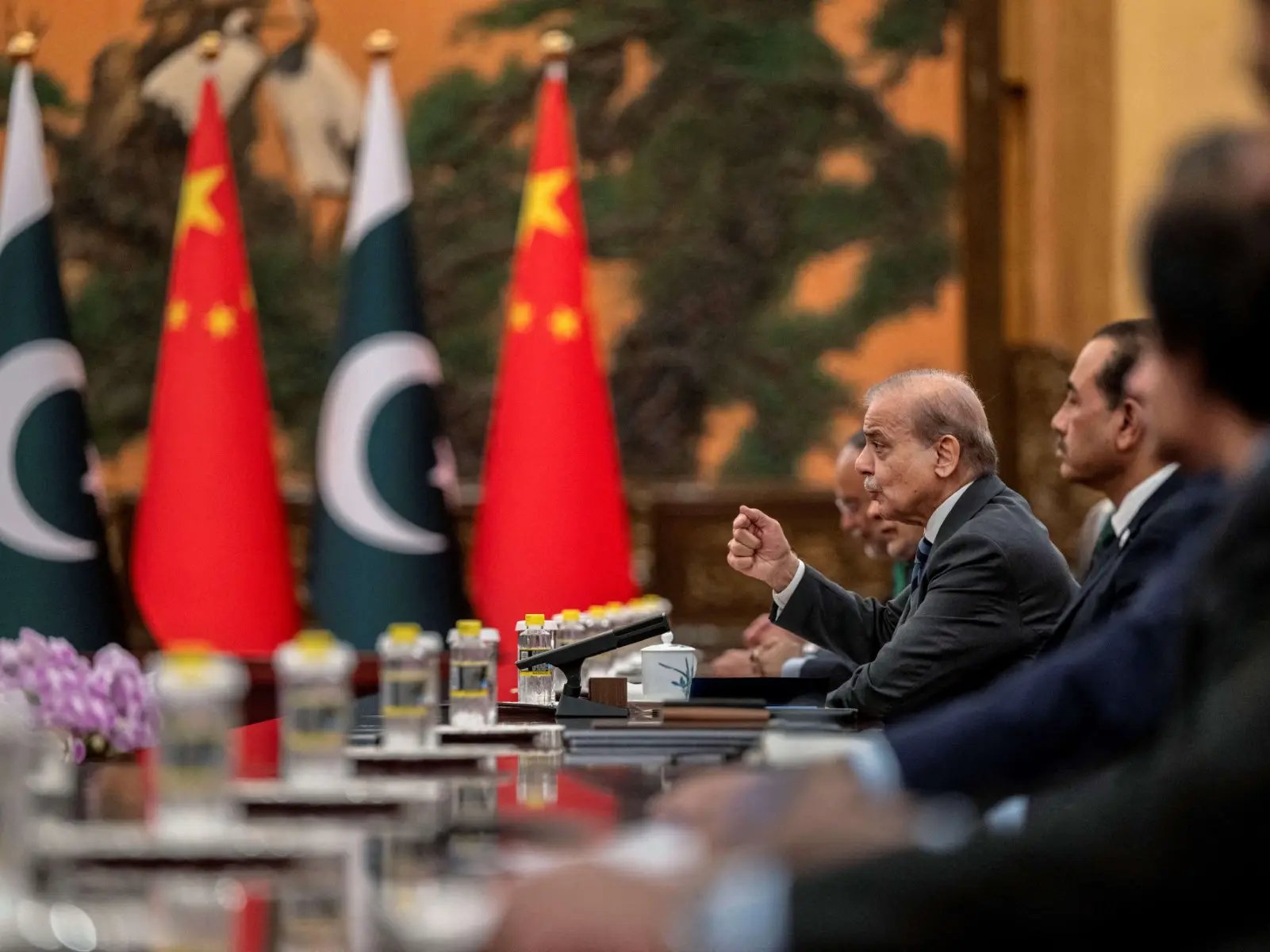
Pakistan, Saudi Arabia and Türkiye signed the Makkah Joint Defence Agreement on August 7 after talks involving Pakistan Prime Minister Shehbaz Sharif, Saudi Crown Prince Mohammed bin Salman and Turkish President Recep Tayyip Erdogan. A joint statement issued by the three countries said the agreement is rooted in shared strategic interests and longstanding defence cooperation. “The agreement is intended to strengthen collective deterrence against any act of aggression, and stipulates that any armed attack against any one of the three states shall be regarded as an attack against them all,” it said.
“It further provides for the enhancement of all aspects of defence cooperation among the three states,” the joint statement said.
The pact establishes a framework for collective defence and deeper military cooperation among the three countries. It also builds on the expanding defence relationship between Pakistan and Saudi Arabia.
Trending Stories
&imwidth=280&imheight=210&format=webp&quality=medium)
&imwidth=280&imheight=210&format=webp&quality=medium)
&im=FitAndFill=(700,400)&imwidth=280&imheight=210&format=webp&quality=medium)
&imwidth=280&imheight=210&format=webp&quality=medium)
&imwidth=280&imheight=210&format=webp&quality=medium)
&imwidth=280&imheight=210&format=webp&quality=medium)
&imwidth=280&imheight=210&format=webp&quality=medium)
&imwidth=280&imheight=210&format=webp&quality=medium)
&imwidth=280&imheight=210&format=webp&quality=medium)
&imwidth=280&imheight=210&format=webp&quality=medium)
&imwidth=280&imheight=210&format=webp&quality=medium)
&imwidth=280&imheight=210&format=webp&quality=medium)
&imwidth=280&imheight=210&format=webp&quality=medium)
&im=FitAndFill=(700,400)&imwidth=280&imheight=210&format=webp&quality=medium)
&imwidth=280&imheight=210&format=webp&quality=medium)
&imwidth=280&imheight=210&format=webp&quality=medium)
&im=FitAndFill=(700,400)&imwidth=280&imheight=210&format=webp&quality=medium)
&imwidth=280&imheight=210&format=webp&quality=medium)
&imwidth=280&imheight=210&format=webp&quality=medium)
&imwidth=280&imheight=210&format=webp&quality=medium)
&imwidth=280&imheight=210&format=webp&quality=medium)
&imwidth=280&imheight=210&format=webp&quality=medium)
&imwidth=280&imheight=210&format=webp&quality=medium)
&imwidth=280&imheight=210&format=webp&quality=medium)
&imwidth=280&imheight=210&format=webp&quality=medium)
&imwidth=280&imheight=210&format=webp&quality=medium)
&imwidth=280&imheight=210&format=webp&quality=medium)
&imwidth=280&imheight=210&format=webp&quality=medium)
&imwidth=280&imheight=210&format=webp&quality=medium)
&imwidth=280&imheight=210&format=webp&quality=medium)
&imwidth=280&imheight=210&format=webp&quality=medium)
&imwidth=280&imheight=210&format=webp&quality=medium)
What did the MEA say about the pact?
India initially responded cautiously to the agreement. On August 7, the Ministry of External Affairs said it was closely monitoring the development. MEA spokesperson Randhir Jaiswal said, “Regarding your question about the trilateral pact, this is a development we are monitoring closely, and we will keep you updated.”
On August 11, the MEA offered a more detailed assessment, saying New Delhi was examining the agreement from the perspective of national security and regional peace and stability. “As far as this agreement is concerned, we are examining its implications both from the perspective of India's national security and considerations of regional peace and stability,” External Affairs Ministry spokesperson Randhir Jaiswal said at his bi-weekly media briefing.
Jaiswal also said India remained committed to safeguarding its national interests and would take all necessary measures in this regard. He added that New Delhi was continuing to closely monitor “all developments in the West Asia conflict.” Jaishankar's latest comments suggest that while India is taking the pact seriously as part of its strategic assessment, New Delhi is not necessarily viewing it as an immediate game-changing military development.
Also Read: Dan Driscoll to leave US Army secretary post amid tension with Hegseth? Here's what report claims
Jaishankar calls Pakistan ‘unique’ over terrorism
Jaishankar also sharply criticised Pakistan while discussing its relationship with the United States. Describing Pakistan as a “unique” country, he argued that no other nation uses terrorism as systematically and continuously to pressure a neighbouring state. “Pakistan is unique not because it is a neighbour of India. We have other neighbours. There are other countries who have problems between them.
“It is unique because in this day and age, there is no other country which uses terrorism so systematically and in such a sustained manner to attack and pressurise another neighbour, and that has an impact on public opinion in this country,” he said. Jaishankar was responding to a question about Pakistan-US relations. He noted that Washington and Islamabad have a long history of ties, while emphasising that India has developed its own relationship with the United States.
Jaishankar on India-China ties
The external affairs minister also discussed India-China relations, saying both countries have an interest in maintaining a stable relationship, while stressing that the border situation remains central to the broader relationship. “China industrialised much faster and much earlier than India. We missed an opportunity to industrialise and manufacture for 50 years from the 1960s onwards,” he said. “I think we went through a particularly bad patch between the summer of 2020 and the autumn of 2024, and that was primarily an outcome of the situation in the border areas,” he said.
Jaishankar said India and China are “very big economies” and important markets for each other, while arguing that India must continue doing business with the entire world, including China. “The world is competitive. We must build up our strengths. We have to do business with the entire world. That includes China too. But it is important we deal with them confidently and we stand our ground as we have stood in the the border,” he said.

