No more memes or ads on courtroom videos: Supreme Court bars unauthorised sharing and monetisation

&imwidth=600&imheight=450&format=webp&quality=medium "No more memes or ads on courtroom videos: Supreme Court bars unauthorised sharing and monetisation")
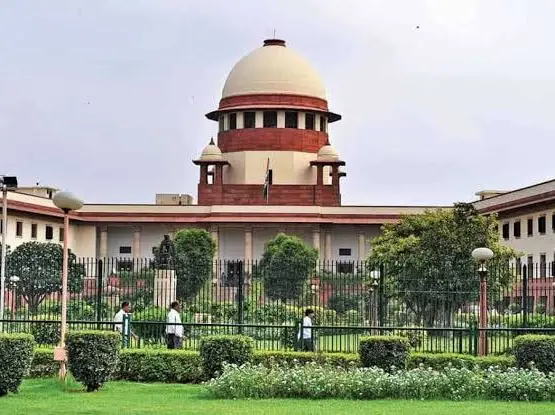
Supreme Court bars unauthorised sharing and monetisation of courtroom audio-video footage Photograph: (Credit: File photo)
The Supreme Court bars unauthorised sharing, editing, and monetisation of courtroom videos on social media without prior permission.
In a major move to curb the sensationalism and commercialisation of legal proceedings, the Supreme Court of India on Friday (July 24) issued a strict order prohibiting the unauthorised distribution of court audio and video recordings. Under the new directive, any posting, reposting, uploading, manipulation, or monetisation of official courtroom footage on social media and digital platforms without explicit judicial consent is strictly forbidden. The bench, headed by Chief Justice of India Surya Kant, delivered this interim order during a hearing on a public interest litigation (PIL) that raised serious concerns over the misuse of live-streamed and recorded court hearings.
To maintain the dignity and decorum of the judicial system, the apex court ruled that no audio or video recording of proceedings may be shared or published without prior authorisation. Going forward, anyone seeking to use official footage must obtain explicit permission from the Secretary General of the Supreme Court or the Registrar General of the concerned High Court.
Unauthorised publication, altering, or generating revenue from court video clips across digital channels is now a punishable violation of judicial guidelines.
Combating out-of-context social media clips
While the initiative to livestream court proceedings was introduced to foster transparency and increase public access, it simultaneously created unintended side effects. Viral reels and meme edits have frequently taken judicial exchanges out of context. Judges, lawyers, and litigants have increasingly found their observations edited into sensational clips designed to drive social media views and advertisement revenue.
Trending Stories
&imwidth=280&imheight=210&format=webp&quality=medium)
&imwidth=280&imheight=210&format=webp&quality=medium)
&imwidth=280&imheight=210&format=webp&quality=medium)
&imwidth=280&imheight=210&format=webp&quality=medium)
&imwidth=280&imheight=210&format=webp&quality=medium)
&im=FitAndFill=(700,400)&imwidth=280&imheight=210&format=webp&quality=medium)
&imwidth=280&imheight=210&format=webp&quality=medium)
&imwidth=280&imheight=210&format=webp&quality=medium)
&imwidth=280&imheight=210&format=webp&quality=medium)
&imwidth=280&imheight=210&format=webp&quality=medium)
&imwidth=280&imheight=210&format=webp&quality=medium)
&imwidth=280&imheight=210&format=webp&quality=medium)
&imwidth=280&imheight=210&format=webp&quality=medium)
&imwidth=280&imheight=210&format=webp&quality=medium)
&imwidth=280&imheight=210&format=webp&quality=medium)
&imwidth=280&imheight=210&format=webp&quality=medium)
&imwidth=280&imheight=210&format=webp&quality=medium)
&imwidth=280&imheight=210&format=webp&quality=medium)
&imwidth=280&imheight=210&format=webp&quality=medium)
&imwidth=280&imheight=210&format=webp&quality=medium)
&imwidth=280&imheight=210&format=webp&quality=medium)
&imwidth=280&imheight=210&format=webp&quality=medium)
&imwidth=280&imheight=210&format=webp&quality=medium)
&imwidth=280&imheight=210&format=webp&quality=medium)
&imwidth=280&imheight=210&format=webp&quality=medium)
&imwidth=280&imheight=210&format=webp&quality=medium)
&imwidth=280&imheight=210&format=webp&quality=medium)
&imwidth=280&imheight=210&format=webp&quality=medium)
&imwidth=280&imheight=210&format=webp&quality=medium)
&imwidth=280&imheight=210&format=webp&quality=medium)
&imwidth=280&imheight=210&format=webp&quality=medium)
&imwidth=280&imheight=210&format=webp&quality=medium)
&imwidth=280&imheight=210&format=webp&quality=medium)
&im=FitAndFill=(700,400)&imwidth=280&imheight=210&format=webp&quality=medium)
&imwidth=280&imheight=210&format=webp&quality=medium)
&im=FitAndFill=(700,400)&imwidth=280&imheight=210&format=webp&quality=medium)
&imwidth=280&imheight=210&format=webp&quality=medium)
By restricting unauthorised reuse and monetisation, the Supreme Court aims to protect privacy of litigants, witnesses, and legal professionals. Further, it prevents misinterpretation caused by sensationalised or truncated footage. Also aims at preserving courtroom decorum, ensuring that legal debates remain focused on justice rather than online entertainment.
This interim ruling marks a decisive step toward safeguarding the integrity of India's judicial process while balancing the line between transparent public access and responsible digital dissemination.

