SAREX-2026: India flexes maritime rescue muscle in Bay of Bengal as 30 nations watch

&imwidth=600&imheight=450&format=webp&quality=medium "SAREX-2026: India flexes maritime rescue muscle in Bay of Bengal as 30 nations watch")
SAREX-2026: India flexes maritime rescue muscle in Bay of Bengal
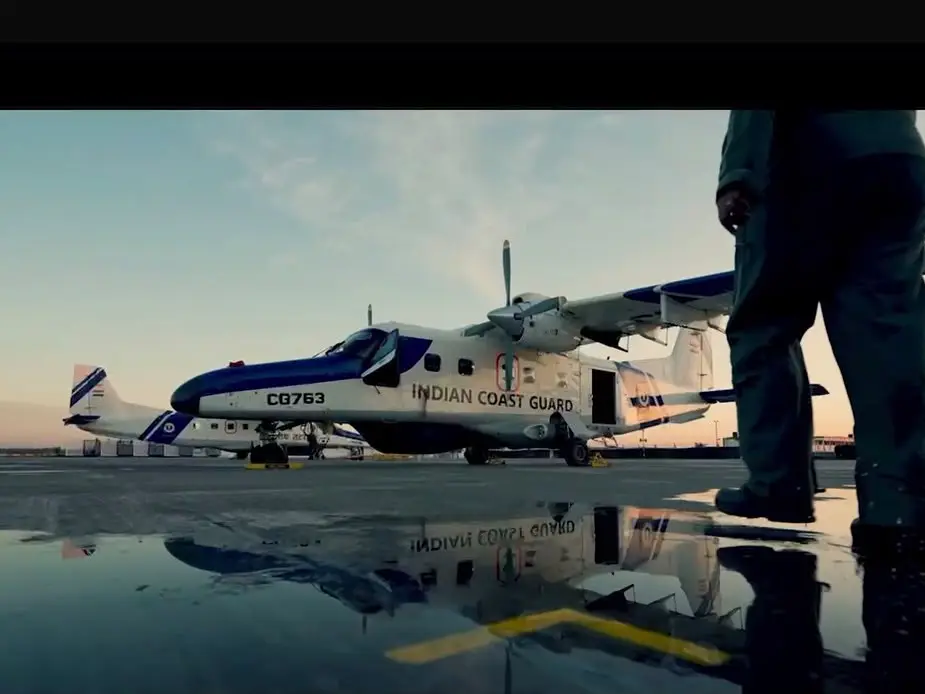
The Indian Coast Guard will stage SAREX-2026 off Odisha’s Paradip coast, simulating a passenger aircraft crash and container-ship collision involving hundreds of people. The exercise will test multi-agency rescue, evacuation, and international coordination across the Indian Ocean.
A passenger aircraft crashes into the sea. A container ship is damaged in the collision. Hundreds of people are suddenly in the water, while rescue teams race against time to locate survivors, evacuate them and coordinate air, sea and medical support. That is the scenario India will rehearse off the Odisha coast on Thursday, as the Indian Coast Guard stages the 12th National Maritime Search and Rescue Exercise, or SAREX-2026, to be inaugurated by Union Minister of State for Defence Sanjay Seth, at Paradip.
Less than two weeks ago, the Coast Guard responded to a flooding Belize-flagged tanker, MT Seagull 9, about 37 nautical miles east-southeast of Paradip. ICGS Vishwast moved to the vessel, a Dornier aircraft from Bhubaneswar monitored the operation from the air, and a Paradip Port tug eventually took the tanker under tow. The incident offers a reminder of why the waters off Odisha matter. The Bay of Bengal carries dense commercial shipping and fishing traffic and remains exposed to cyclones and other maritime emergencies.
SAREX-2026 will test how quickly different agencies can respond when several emergencies unfold at once. Fifteen Coast Guard ships, two Dornier aircraft and four helicopters will participate, alongside Indian Navy ships and Indian Air Force aircraft, including C-130J and Mi-17s. Civil and state agencies will also be involved. The simulated disaster involves a passenger aircraft carrying 228 people ditching at sea and colliding with the container ship MV Zumba. The challenge is not simply rescuing survivors. It is managing an air disaster and a maritime emergency simultaneously, while multiple agencies compete for the same rescue and medical resources.
The exercise also has a diplomatic dimension. Thirty-two observers from 30 countries are expected to attend. In the Indian Ocean, a distress call can quickly become an international operation, with the vessel, crew, rescuers and nearest available assistance potentially coming from different countries. That makes SAREX as much about coordination and trust as technology. India coordinates maritime search-and-rescue operations across a large part of the Indian Ocean, making interoperability with neighbouring and partner countries critical.
Trending Stories
&imwidth=280&imheight=210&format=webp&quality=medium)
&imwidth=280&imheight=210&format=webp&quality=medium)
&imwidth=280&imheight=210&format=webp&quality=medium)
&imwidth=280&imheight=210&format=webp&quality=medium)
&imwidth=280&imheight=210&format=webp&quality=medium)
&imwidth=280&imheight=210&format=webp&quality=medium)
&imwidth=280&imheight=210&format=webp&quality=medium)
&imwidth=280&imheight=210&format=webp&quality=medium)
&imwidth=280&imheight=210&format=webp&quality=medium)
&imwidth=280&imheight=210&format=webp&quality=medium)
&imwidth=280&imheight=210&format=webp&quality=medium)
&imwidth=280&imheight=210&format=webp&quality=medium)
&imwidth=280&imheight=210&format=webp&quality=medium)
&imwidth=280&imheight=210&format=webp&quality=medium)
&imwidth=280&imheight=210&format=webp&quality=medium)
&imwidth=280&imheight=210&format=webp&quality=medium)
&imwidth=280&imheight=210&format=webp&quality=medium)
&imwidth=280&imheight=210&format=webp&quality=medium)
&imwidth=280&imheight=210&format=webp&quality=medium)
&imwidth=280&imheight=210&format=webp&quality=medium)
&imwidth=280&imheight=210&format=webp&quality=medium)
&imwidth=280&imheight=210&format=webp&quality=medium)
&imwidth=280&imheight=210&format=webp&quality=medium)
&imwidth=280&imheight=210&format=webp&quality=medium)
&imwidth=280&imheight=210&format=webp&quality=medium)
&imwidth=280&imheight=210&format=webp&quality=medium)
&imwidth=280&imheight=210&format=webp&quality=medium)
&imwidth=280&imheight=210&format=webp&quality=medium)
&imwidth=280&imheight=210&format=webp&quality=medium)
&imwidth=280&imheight=210&format=webp&quality=medium)
&imwidth=280&imheight=210&format=webp&quality=medium)
&imwidth=280&imheight=210&format=webp&quality=medium)
&imwidth=280&imheight=210&format=webp&quality=medium)
&imwidth=280&imheight=210&format=webp&quality=medium)
&im=FitAndFill=(700,400)&imwidth=280&imheight=210&format=webp&quality=medium)
&imwidth=280&imheight=210&format=webp&quality=medium)
&imwidth=280&imheight=210&format=webp&quality=medium)
&imwidth=280&imheight=210&format=webp&quality=medium)
&imwidth=280&imheight=210&format=webp&quality=medium)
Alongside the exercise, the Coast Guard will convene the 24th National Maritime Search and Rescue Board meeting in Bhubaneswar, chaired by the Director General. Discussions will cover national preparedness, handling of distress alerts and faster mobilisation of rescue assets through technology and closer coordination between agencies.
Holding the exercise in Odisha also sends a message about the eastern seaboard's growing maritime importance. The real measure of SAREX, however, will come after the ships return to harbour: whether the procedures rehearsed off Paradip can make the next real emergency faster, more coordinated and more likely to end with survivors coming home.
