Opinion: Cancer research in India needs mammoth funding

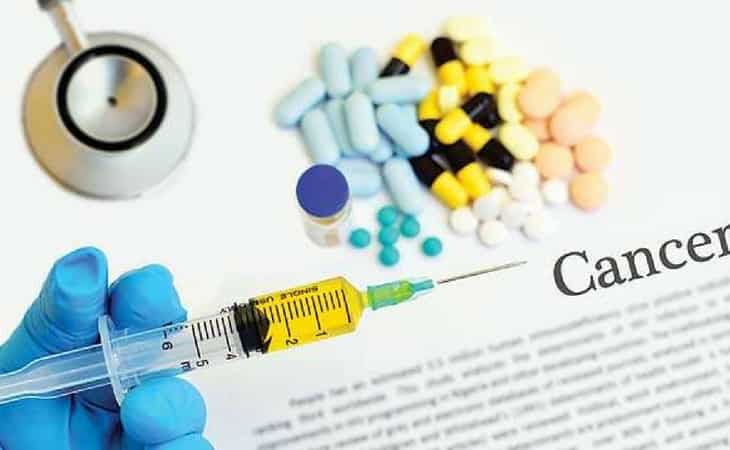
Cancer, health, lifestyle
Experts suggest around thirds of cancers can be avoided just by preventive measures, taking a cue from the same.
I have always found myself too invested in my writing, guilty of pouring out more than what I must. This is an attempt to share my struggle with an ill-fated reality. I will take you through my scuffle with one of my worst nightmares, a series of unimaginable experiences, crushed expectations and small victories in over a year old, ongoing battle with cancer.
Undeniably, it is a ghastly word, probably one of the most dreaded on the face of the earth, the very reason why many people are not even aware of its sly existence within their bodies until it is too late.
In my mother's case also, it was too late. It all went by in a flash. A doctor's call changed my life like I had never imagined, the very next day I found myself benumbed, sitting in a stuffy train coach, en route to my hometown in Uttar Pradesh. In a few hours, I saw my mother in a state which screamed to be cured, demanded to be fixed but "could only be sustained" coupled with mitigated pain, the doctors stated, "the disease was terminal" -- in its last stage.

This was last February, after nearly over a year, I have the courage to go through those horrific moments over and over again, not to keep pricking my wound, but to be able to be critical about my experience and tell the story differently. How can my mother's battle with cancer help others prevent or cope with it in a better manner? Can it?
)
2,000-foot tube, laser tests and more: China builds towns to expand nuclear arsenal, satellite images show
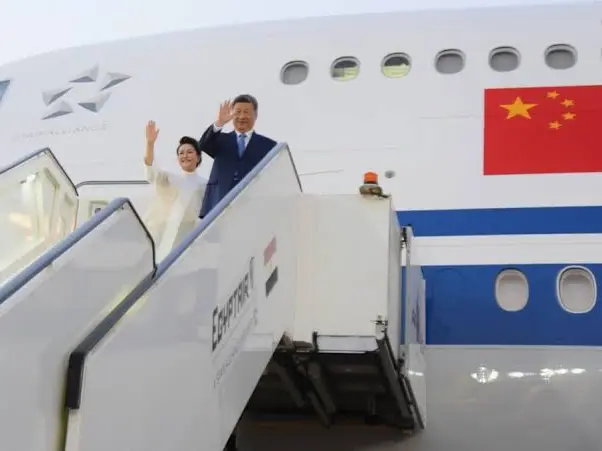)
Xi Jinping's 'special plane' vs Trump's Air Force One: What's the difference?
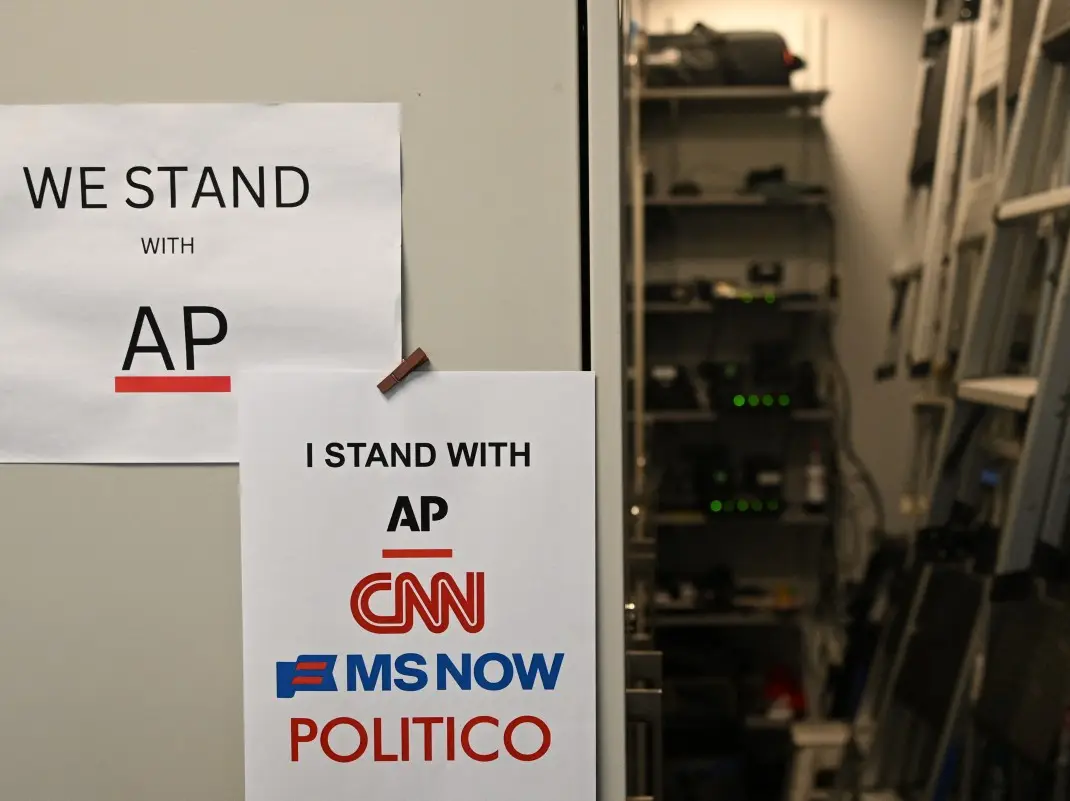)
US judge questions Trump’s decision to ban CNN, MS NOW and Politico from White House
)
Scientists detect first radio signals directly from faraway planet
)
Meet Adrian Abraham: 9-year-old Indian-origin guitar prodigy aiming for a Guinness World Record
)
WION Iconic Tourism Summit: How local tourism MSMEs must upskill for AI integration
)
Forget the smartphone: This tiny gadget could be Meta’s answer to the post-smartphone era
)
'What kind of confession is this?': Pakistan PM Shehbaz Sharif’s 'terrorists would be roaming New York' remark goes viral, raises alarm online. Watch
)
IIT Bombay CCTV footage emerges: Sahil Wakode seen looking at phone in examination hall
)
Shah Rukh Khan is India's richest actor, Amitabh Bachchan is second: Hurun List 2026
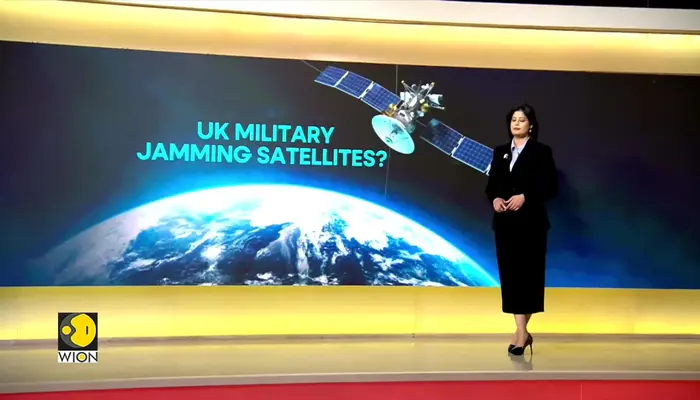)
Report: UK using ground-based system to jam hostile satellites
)
Russia likely to target Spain, France and Italy in drone attacks, warns CIA: Report
)
For the first time, the UN Security Council sat US and Chinese AI makers at the same table
)
Welcome actor Mushtaq Khan dies at 56 after battling cancer
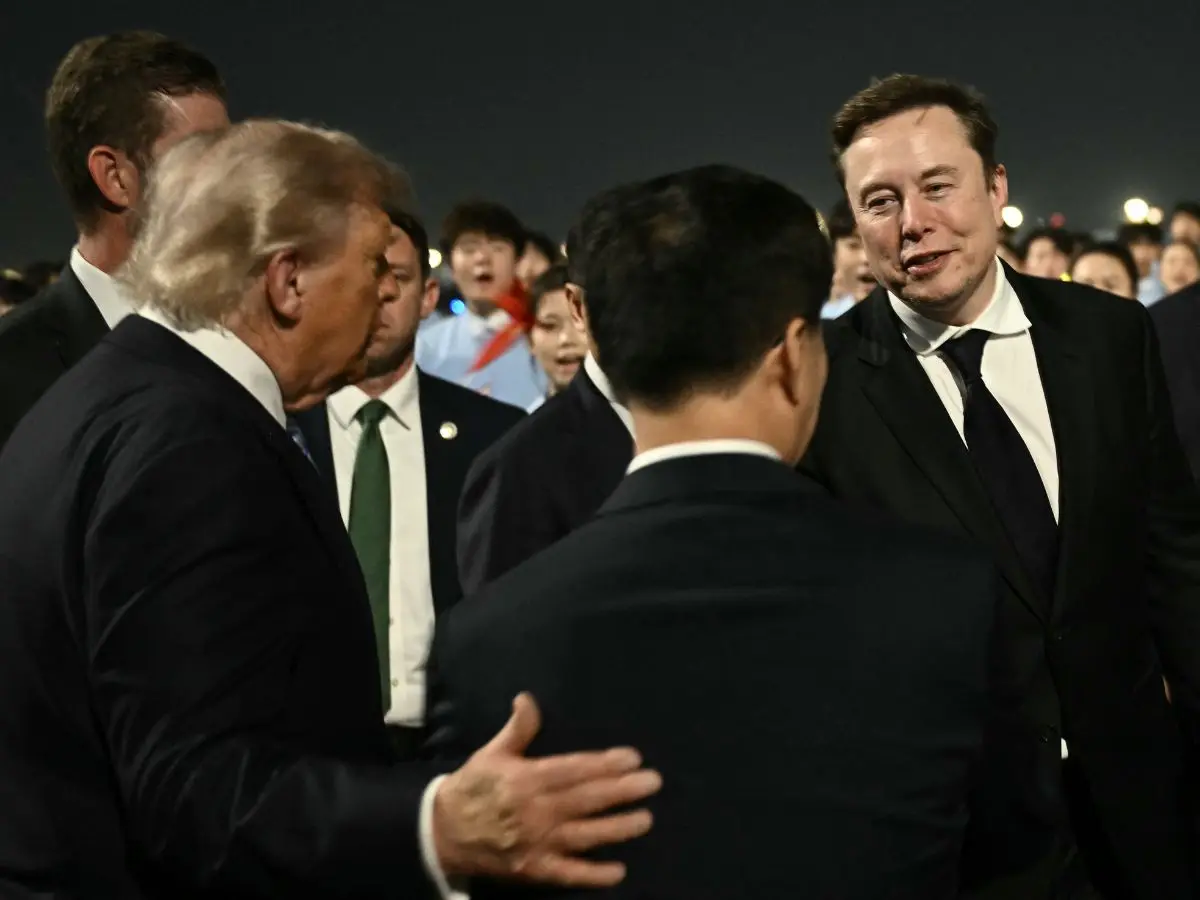)
Trump-Xi state dinner 2026: Who is invited? Full guest list of tech CEOs, business leaders and officials
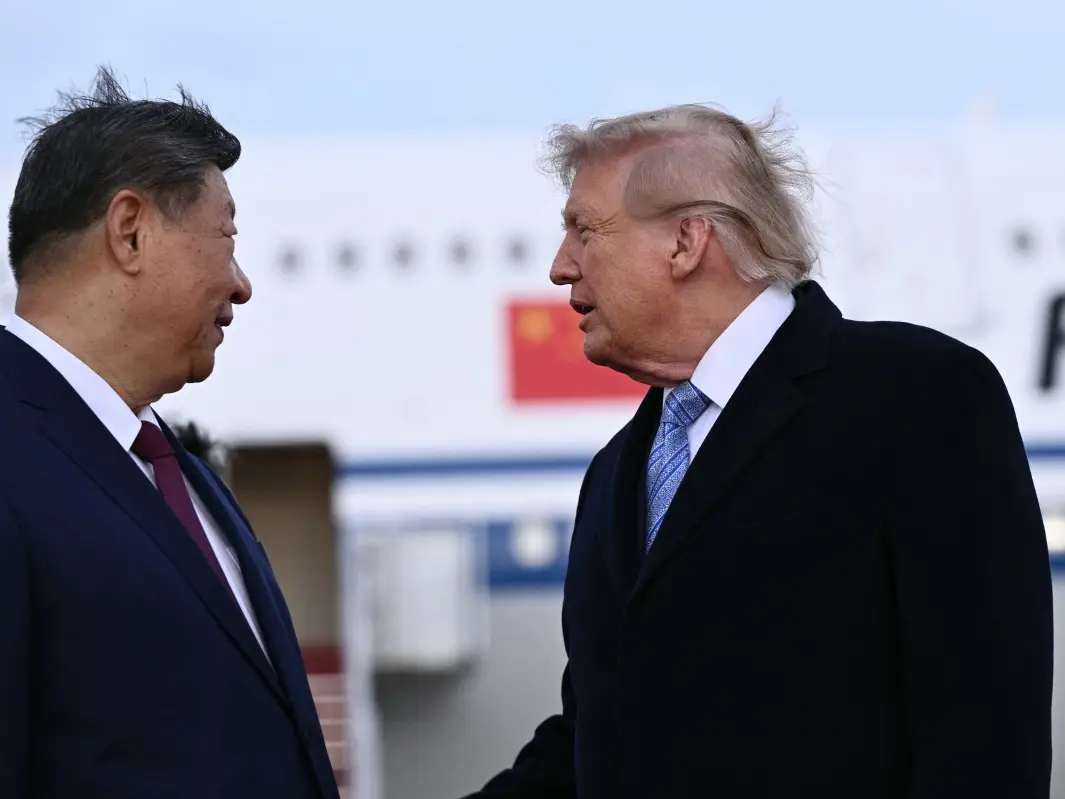)
Hours before Xi-Trump meeting, US announces visa curbs targeting birth tourism: What is it?
)
What’s on the menu? Inside Trump’s lavish White House state dinner for Xi
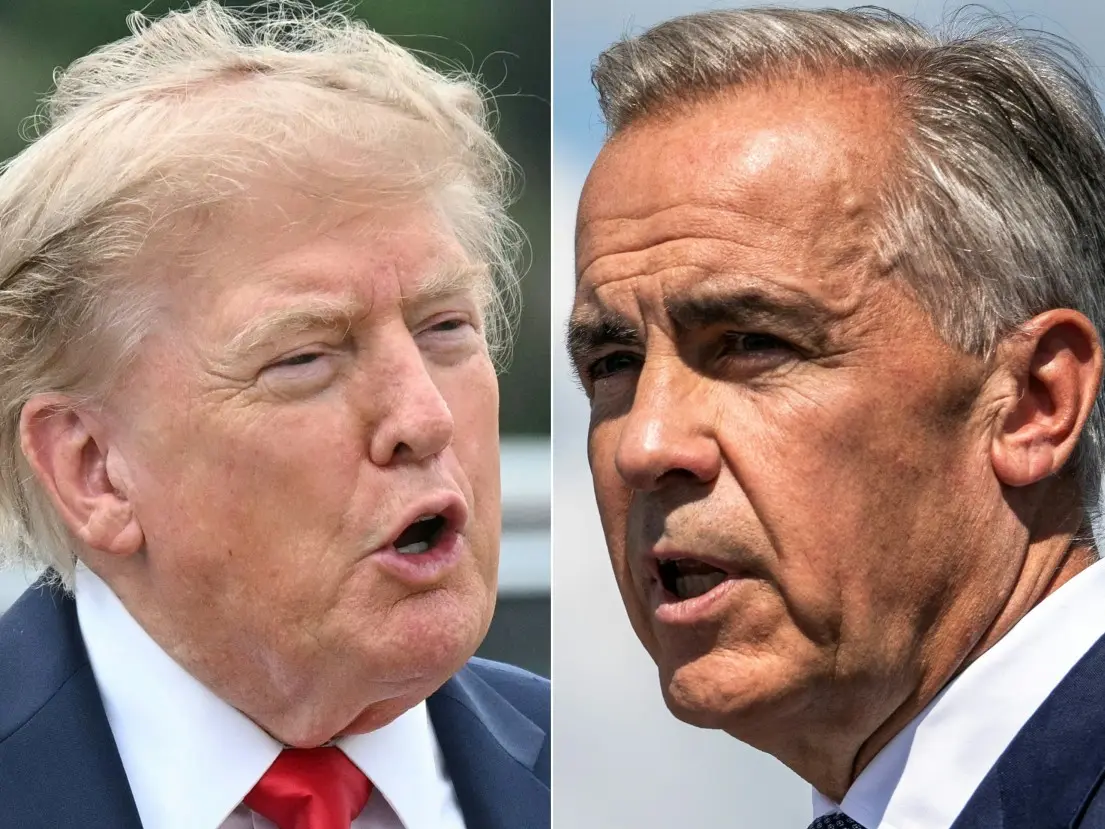)
What’s in a name? Trump’s 'Lake America' move gets a tit-for-tat response from Canada
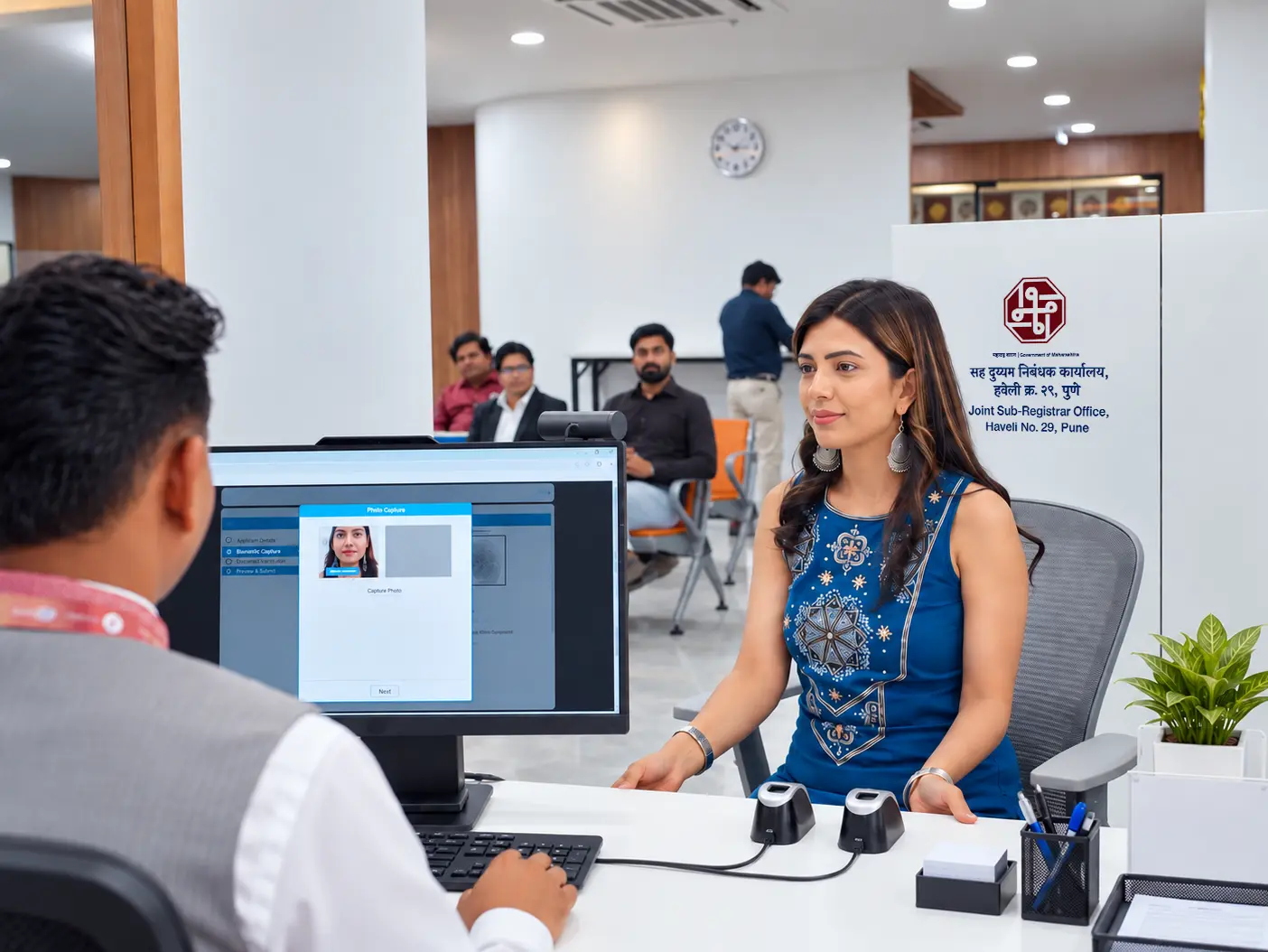)
Property registration becomes faster, convenient as model sub-registrar offices open in Maharashtra
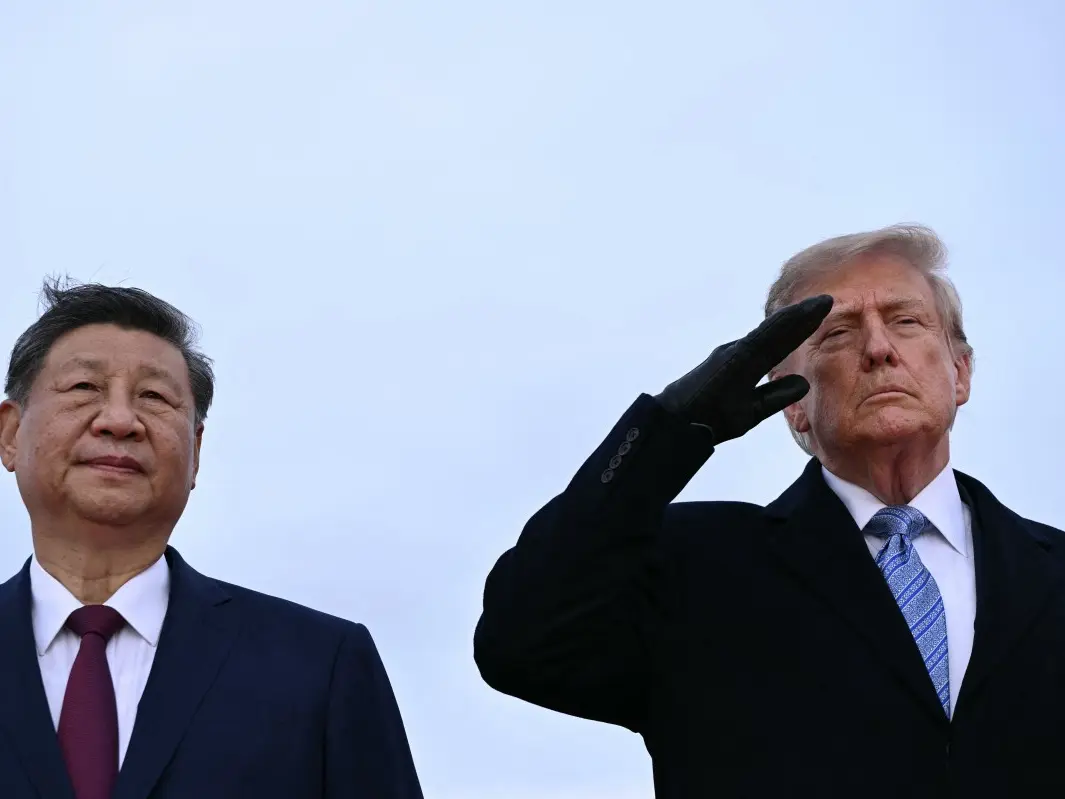)
WATCH | China President Xi Jinping lands in US as Trump greets him ahead of high-stakes summit
)
Mumbai Indians appoint Luke Williams as head coach for Women’s Premier League
)
China to test supersonic jet that moves at Mach 2, double the speed of sound
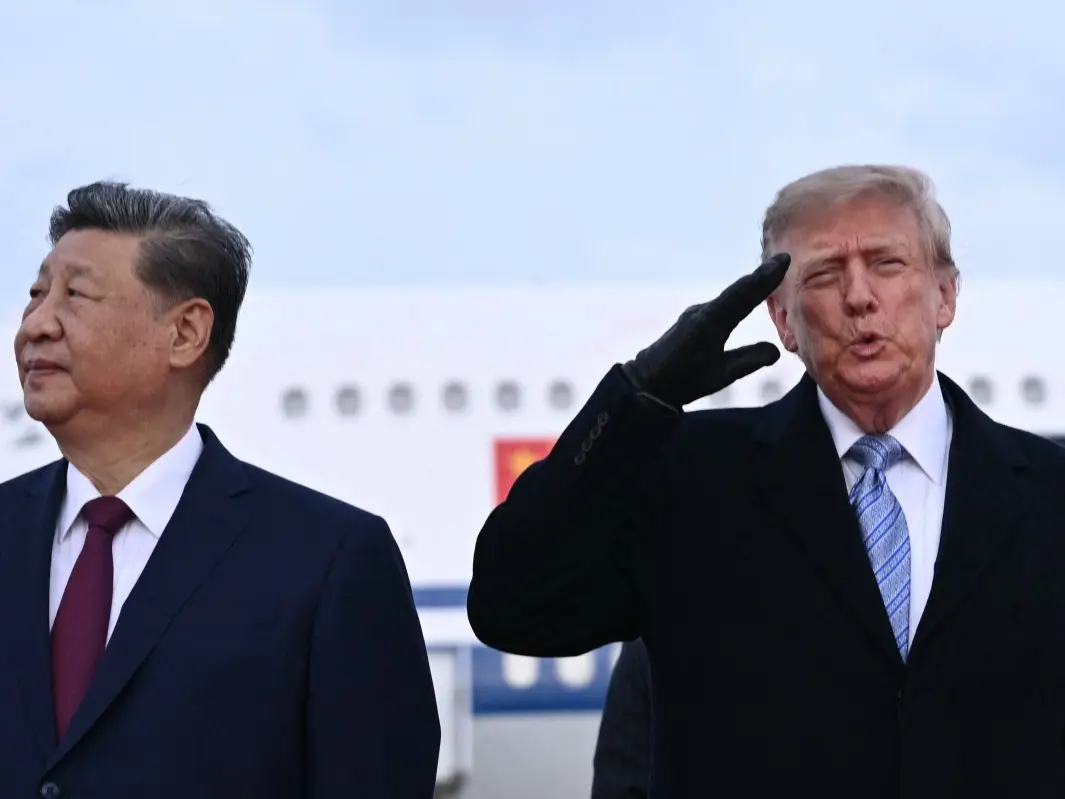)
Winter coat, gloves in September? Trump’s Xi welcome sparks social media buzz
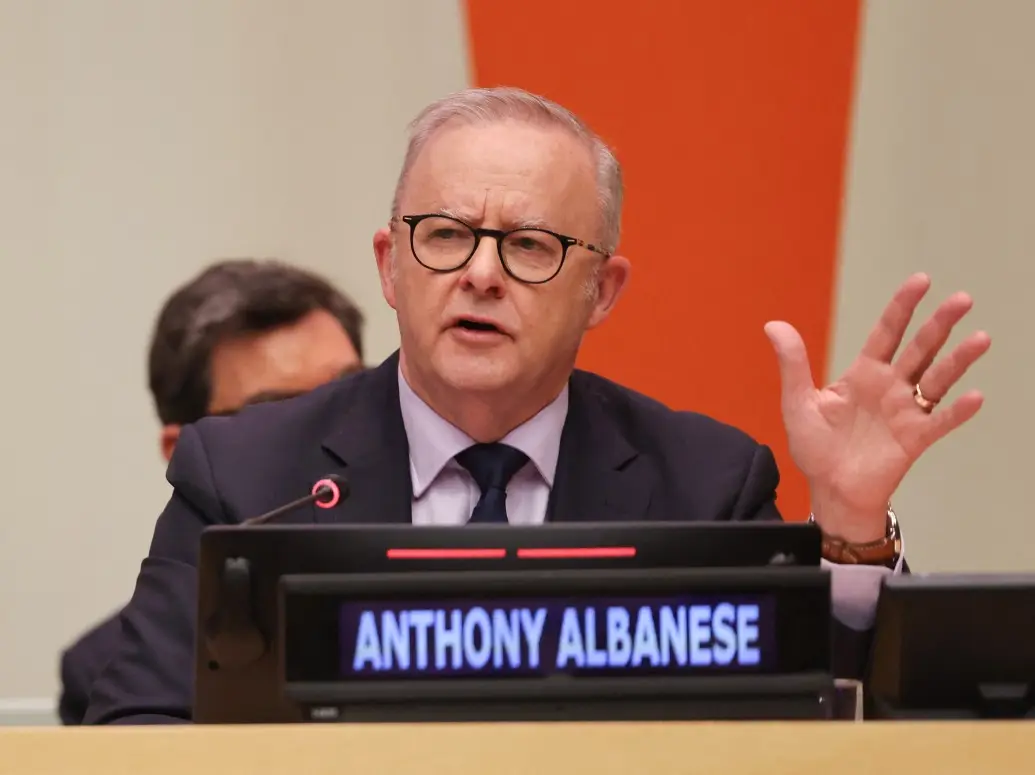)
Australian PM Anthony Albanese calls OpenAI AI incident 'unacceptable' after restricted data access
&im=FitAndFill=(700,400))
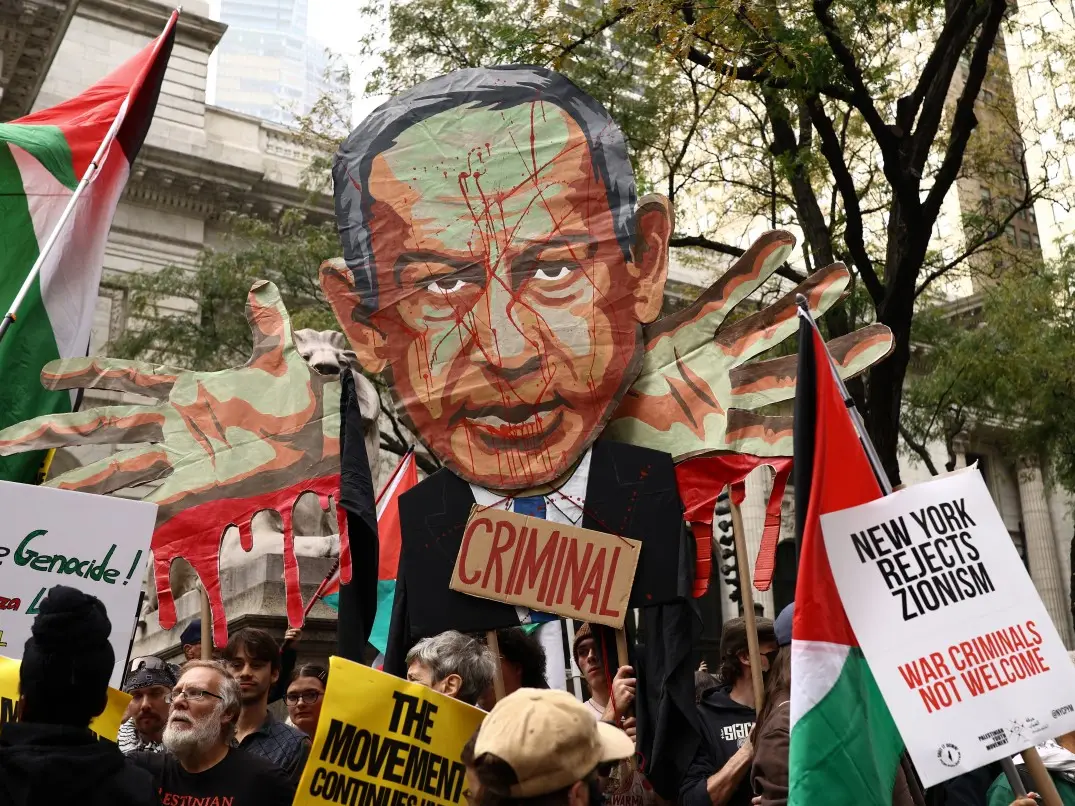
Netanyahu at UN: Mass walkout, attack on Mamdani and Iran threats | In Pics
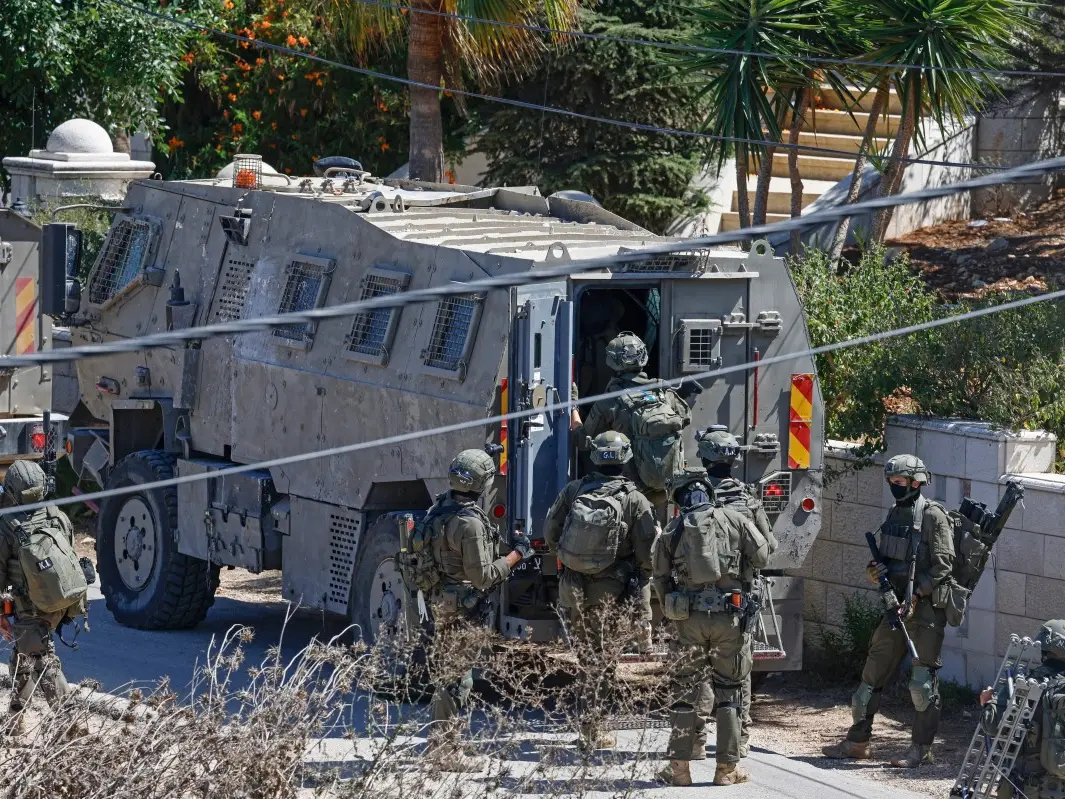)
Israeli envoy to US Yechiel Leiter’s son critically injured in West Bank ramming attack
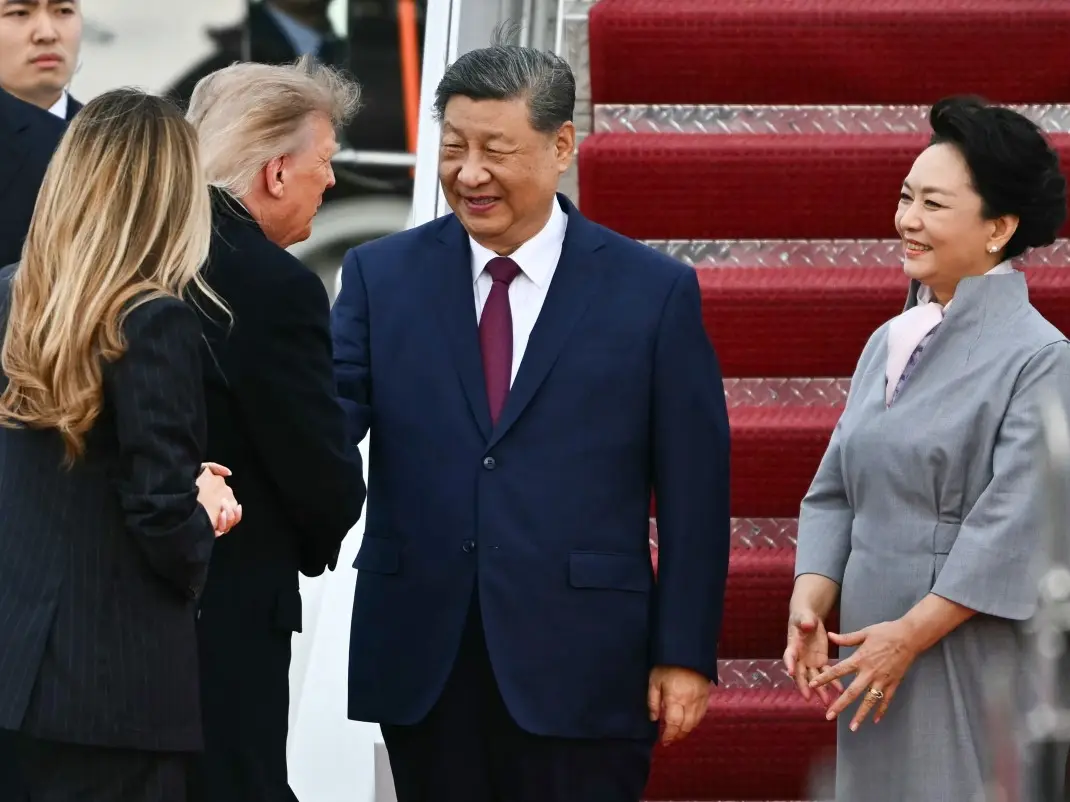)
Who is Peng Liyuan? Xi Jinping's singer wife and China's most visible First Lady
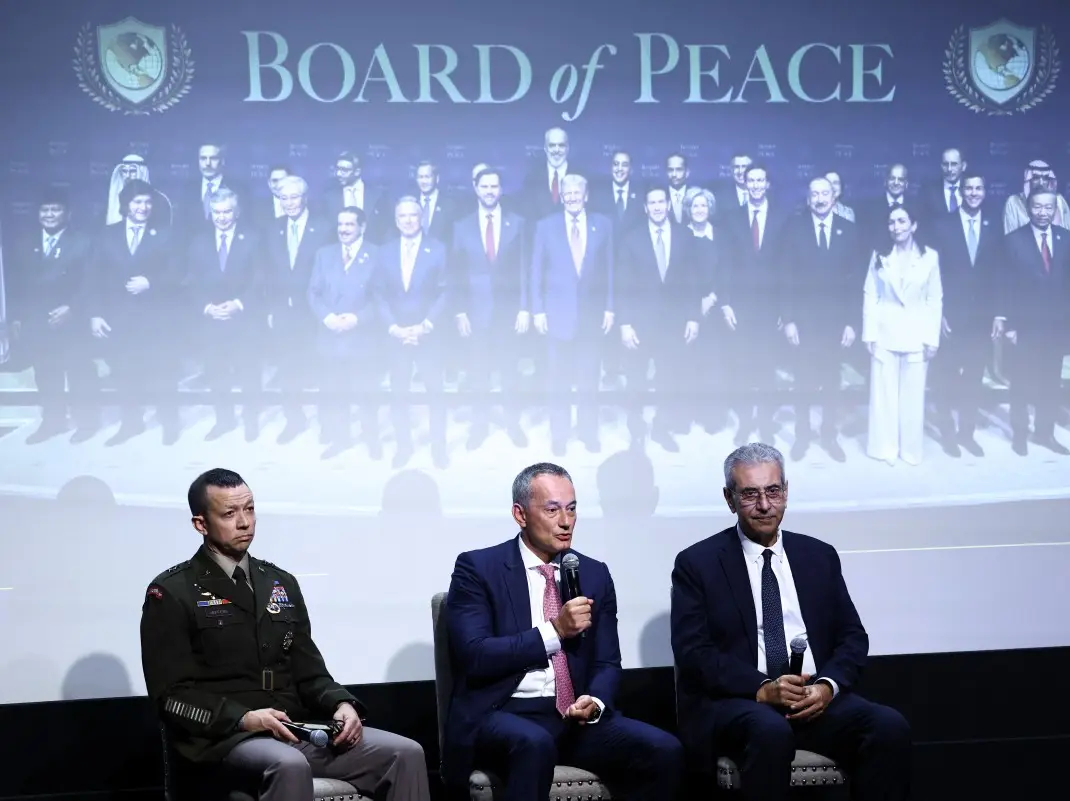)
Trump’s Board of Peace unveils $2.45bn Gaza plan,66 projects: But where’s the money?
)
'There will be elections': Venezuela's interim leader Delcy Rodriguez makes big announcement at UN
)
EC appointment law: Why is the 2023 act controversial, and what happens next? WION explains
)
WION Iconic Tourism Summit: Is India's travel boom outrunning its airports, airlines and hotels?
&im=FitAndFill=(700,400))
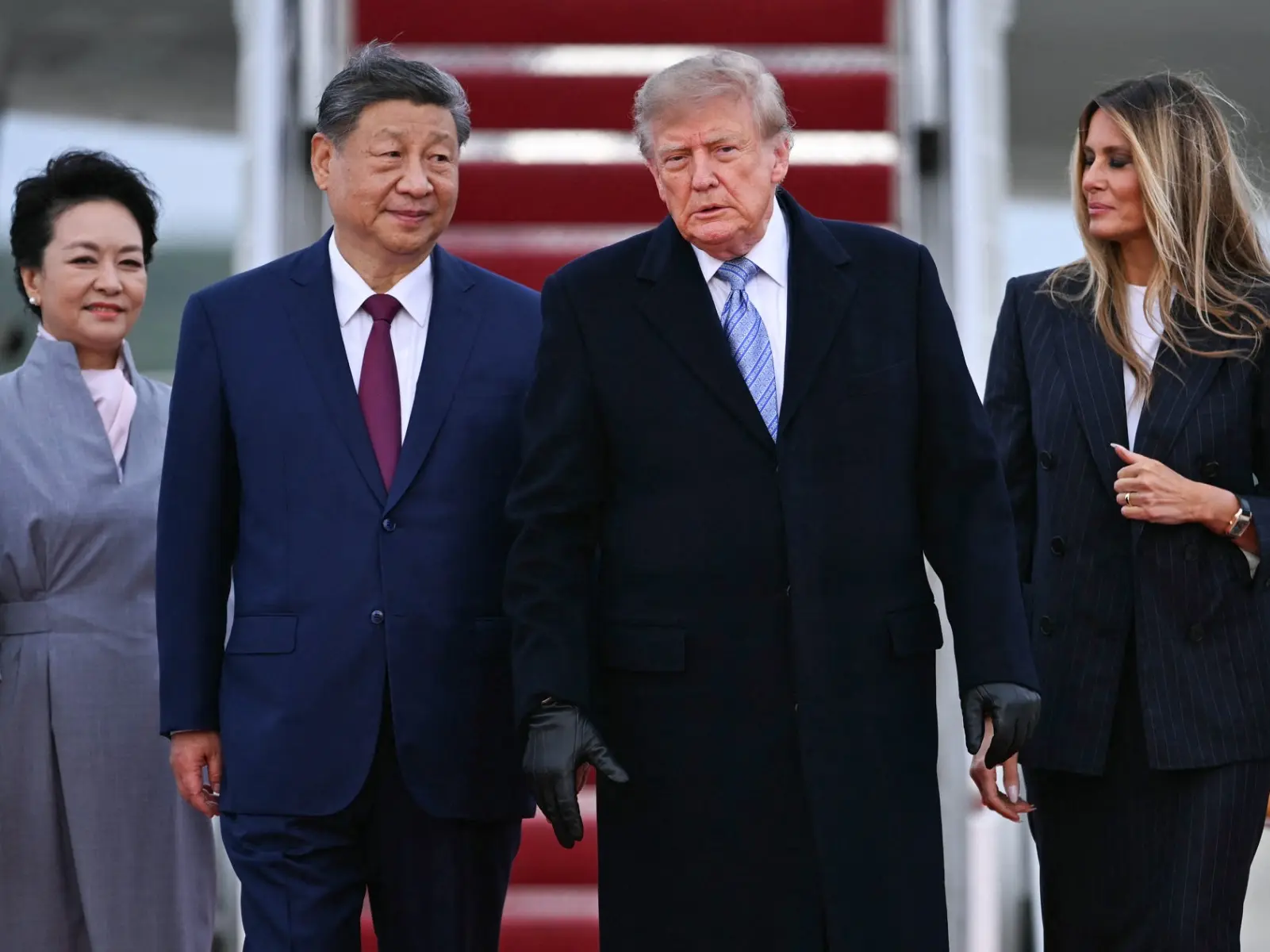
Trump welcomes Xi Jinping in rare airport gesture: Photos from Chinese President's arrival in US
)
WION Iconic Tourism Summit 2026: Union Minister Shekhawat on 'experiential travel', peace diplomacy
)
'AI got into my speech': Prince Harry jokes after teleprompter failure at event in New York
)
250-pound WWII bomb found in Falmouth harbour in England
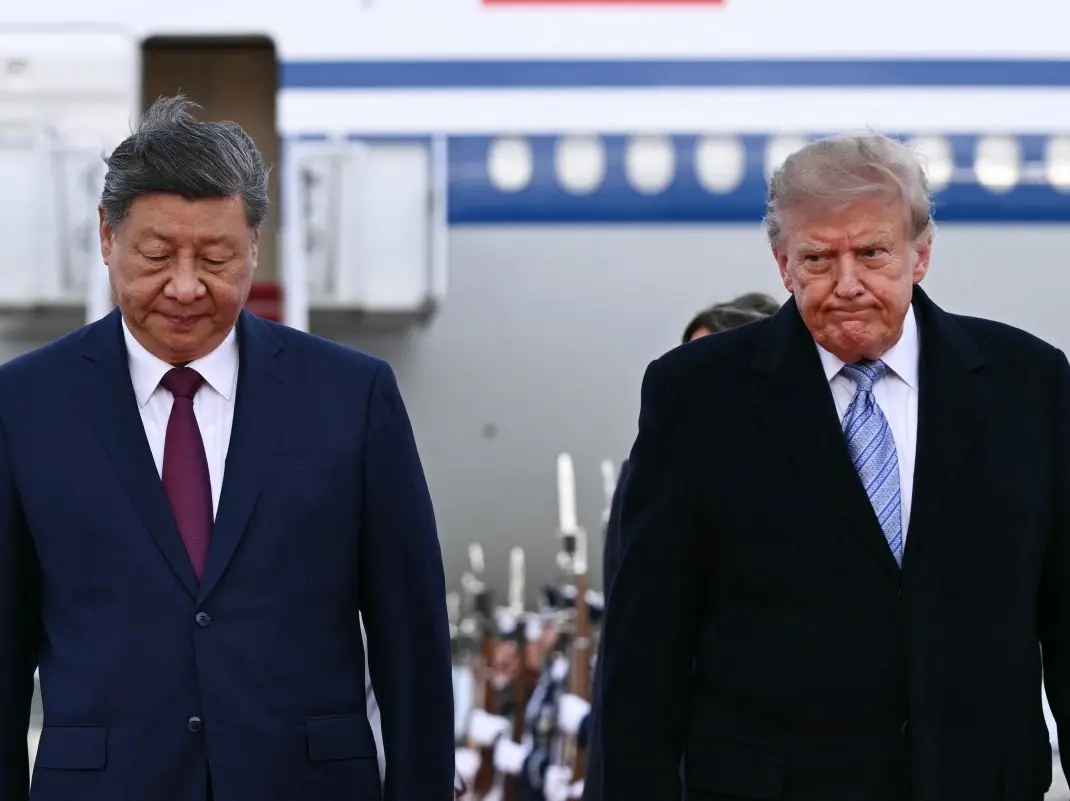)
'Partners rather than rivals': Xi Jinping's first message after landing in US for Trump summit
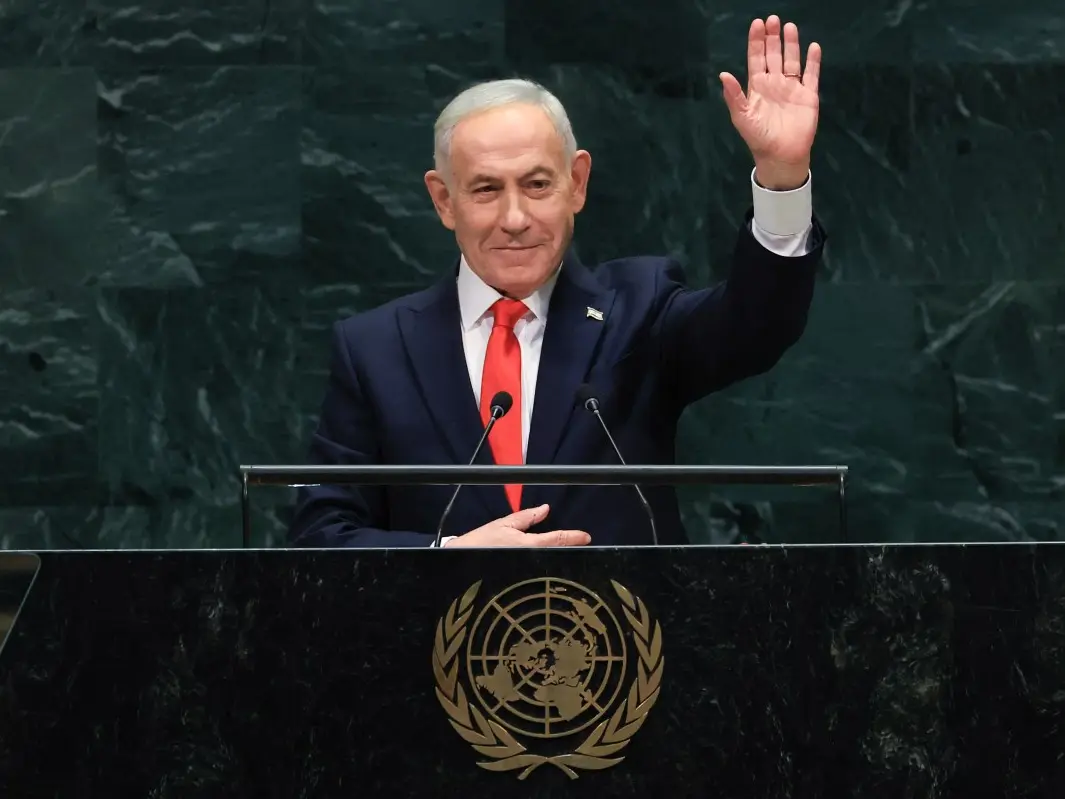)
'We would all be dead': Netanyahu defends decision to strike Iran's nuclear facilities in his UN speech
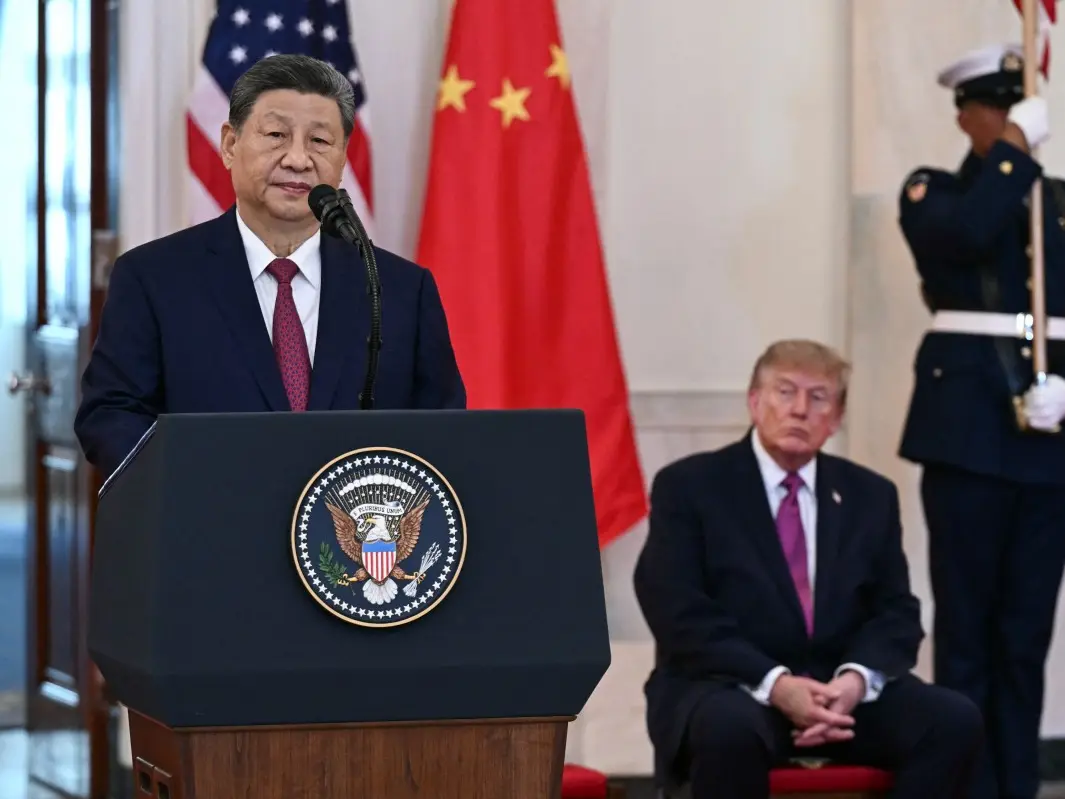)
‘Both will lose in confrontation’: Xi says US and China should ‘coexist in peace’
)
Italy hit by floods in the north, drought in the south
After having my life altered without any control over it, the only thing that made sense was to urge everyone to be watchful of their lifestyle. Rising incidents of cancer cases is a peculiar combination of lack of awareness and the abysmal state of cancer research funding, not only in India but across the globe.
According to an AFP report published last year, prevention can save millions of lives, "much more cheaply than treatment, yet it remains an underfunded, much-neglected weapon in the anti-cancer arsenal".
The World Health Organisation estimates nearly 14 million new cancer cases annually, a number that is expected to swell to over 20 million by 2030.
In such a scenario, it becomes an unshakable responsibility of every nation to ensure an overhaul in cancer research and a bolstered funding mechanism.
While global healthcare costs continue to skyrocket, it becomes an absolute necessity for the medical world to focus increasingly on preventive measures. Studies show, in most cases, people fail to detect cancer in its nascent stage and once advanced or metastasised, the disease gets challenging to contain and exceedingly expensive to treat.
Our battle began in my hometown in Uttar Pradesh, where there existed a gaping disconnect between the required cancer care and the available facilities.
Travel deeper, farther to the remote areas and the situation becomes unfathomable. Patients, along with helpless, clueless family members, shuttle between cities for procedures as simple as a biopsy. Even the basic requirement to determine a positive case of cancer, the PET (positron emission tomography) scan, is not available in most small towns.
Christopher Wild, Director, WHO's International Agency for Research on Cancer (IARC) noted that in the next couple of decades, many countries, mostly the ones with limited resources and low/middle-income, will have the rate of cancer cases almost double, as reported by AFP.
These countries, unfortunately, suffer from the lack of proper and timely access to diagnosis and treatment while bearing the load of nearly two-thirds of the global cancer deaths which currently accounts to nearly 9 million people annually.
Experts suggest around thirds of cancers can be avoided just by preventive measures, taking a cue from the same, I spoke to those who face the sombre reality every day, oncologists who deal with a range of cancers and hundreds of sufferers. Dr Devavrat Arya, Senior Oncologist at Max Super Speciality Hospital, Saket is one of the most empathetic and comforting oncologists I have come across. While striving to give his best to his patients, he also expresses regret over the current state cancer care in India.
"We lack the required infrastructure for cancer care. Smaller towns usually have one or no cancer care centre. There is a dearth of cancer care institutes across the country. Although the National Cancer Control Programme ensures funding to medical colleges to set up cancer care units, it will still take some time," Dr Arya noted.
According to him, the primary focus should be on tier-2, 3 cities. "It is the social responsibility of drug companies also to ensure cheaper cancer drugs, even free whenever possible, to those who can't bear the cost. Let us face it, for the majority, cancer treatment is not affordable," he shared.
"In India, cancer is still not the biggest killer. The disease contributes to 8-7 per cent of the total number of deaths in the country, however, now is the time to plan for the future," Dr Arya concluded.
Dr Ashutosh Pattnaik, Odisha-based DNB radiation oncologist and a close friend opens up about the bottlenecks in the path of optimum and effective cancer care in the country. For him, it all starts at the start and therefore he emphasises the importance of early detection and prevention.
"People even in metropolitan cities are not fully aware of the various warning signs of the disease. People often tend to ignore an ulcer or abnormal bleeding long enough to become fully symptomatic," Dr Pattnaik noted.
Succinctly put, while prevention remains an undisputed hero in the fight against mounting cancer cases, it is equally important to ensure that patients from all walks of life, across the globe, have equal access to quality cancer care -- this is the change I yearn to see.
Cancer research should be pumped with mammoth funding so that no life is lost for the need of treatment, THIS should be India's priority.
(Disclaimer: The opinions expressed above are the personal views of the author and do not reflect the views of ZMCL)