Odisha train tragedy: CBI arrests three Indian railway officials


Odisha train accident
India’s premier investigating agency, the Central Bureau of Investigation (CBI), on Friday, arrested three people responsible for the Odisha train accidents that caused the death of 293 people and left over 1,000 injured.
The three railway officials who have been arrested are senior section engineer Arun Kumar Mohanta, section engineer Mohammad Amir Khan and technician Pappu Kumar.
According to reports, these three were aware that their actions might lead to this tragedy.

They have been arrested under Indian Penal Code sections 304 (Punishment for culpable homicide not amounting to murder) and 201 (causing disappearance of evidence of offence, or giving false information to screen offender).
Last week, the Commission ofRailway Safety (CRS) that was probing the incident flagged that human error in railway signalling system led to one of the deadliest railway crashes in India's history.
The committee foundthat the train accident occurred after workers repairing the railroad barrier made faulty connections in the automated signalling system on the network. It also found “lapses at multiple levels” which led to the death of at least 293 people and injured more than 1,000.
&im=FitAndFill=(700,400)&imwidth=180&imheight=135&format=webp&quality=medium)
Navratri 2026: 9 days, 9 forms of Goddess Durga and 9 colours- Check the complete list
&imwidth=180&imheight=135&format=webp&quality=medium)
US troop deaths in Iran war on rise? Pentagon reveals latest toll
&imwidth=180&imheight=135&format=webp&quality=medium)
Trump claims ‘energy ceasefire’ between Russia and Ukraine; Zelensky says ‘news for me’
&im=FitAndFill=(700,400)&imwidth=180&imheight=135&format=webp&quality=medium)
Is sending robots to Mars easier than sending humans?
&imwidth=180&imheight=135&format=webp&quality=medium)
‘If Russia stops…’: Zelensky says Ukraine ready to halt oil refinery strikes on THIS condition
&imwidth=180&imheight=135&format=webp&quality=medium)
Amitabh Bachchan celebrates birthday with fans at Jalsa during Sunday darshan | Watch
&imwidth=180&imheight=135&format=webp&quality=medium)
1,500 drones illuminate Mumbai sky as Cordelia Cruises unveils second ship, Cordelia Sky
&imwidth=180&imheight=135&format=webp&quality=medium)
‘Please tell Putin...’: Zelensky says Ukraine will hold elections if Russia agrees to 60-day ceasefire
&imwidth=180&imheight=135&format=webp&quality=medium)
Delhi Sikh Gurudwara Committee files complaint against Kejriwal, AAP leaders for ‘violating sanctity’ of Bangla Sahib
&imwidth=180&imheight=135&format=webp&quality=medium)
CJI Surya Kant declines INDIA bloc leaders’ request for meeting ahead of march to SC, asks them to file petition
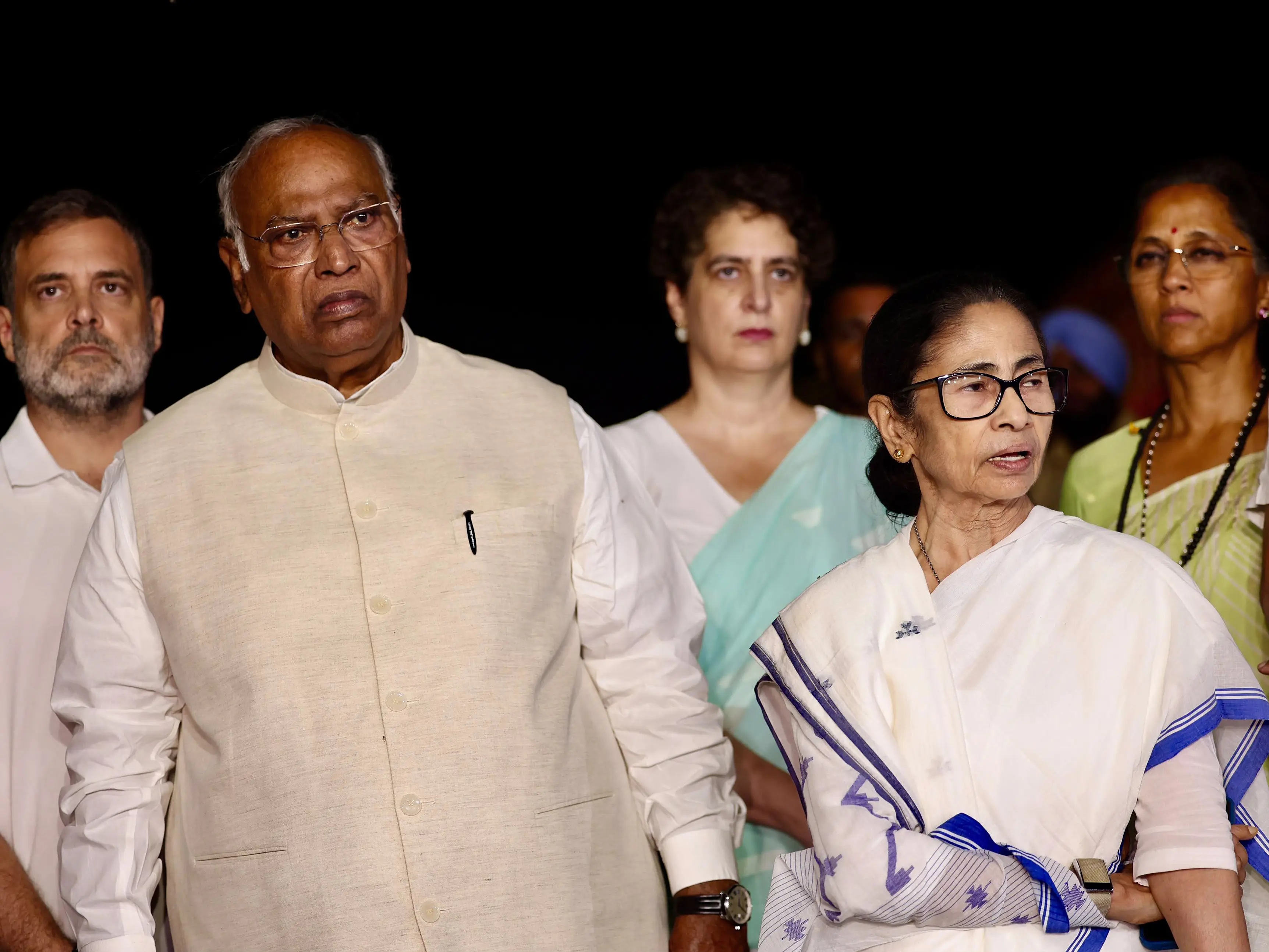&imwidth=180&imheight=135&format=webp&quality=medium)
After crackdown on CJP, opposition to march to Supreme Court Monday over ‘vote chori', removal of CEC
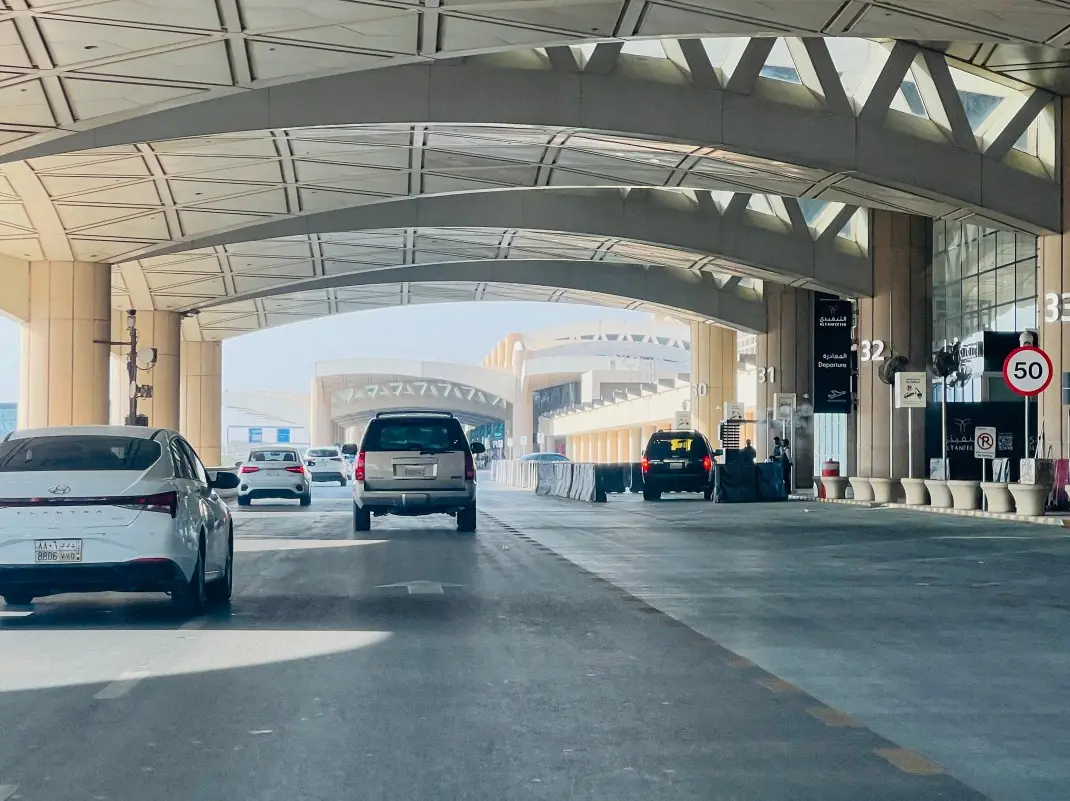&imwidth=180&imheight=135&format=webp&quality=medium)
One Indian killed in Riyadh airport attack; 11 others injured : MEA
&imwidth=180&imheight=135&format=webp&quality=medium)
Cordelia cruises unveils second ship | CEO Jurgen Bailom hails momentous occasion
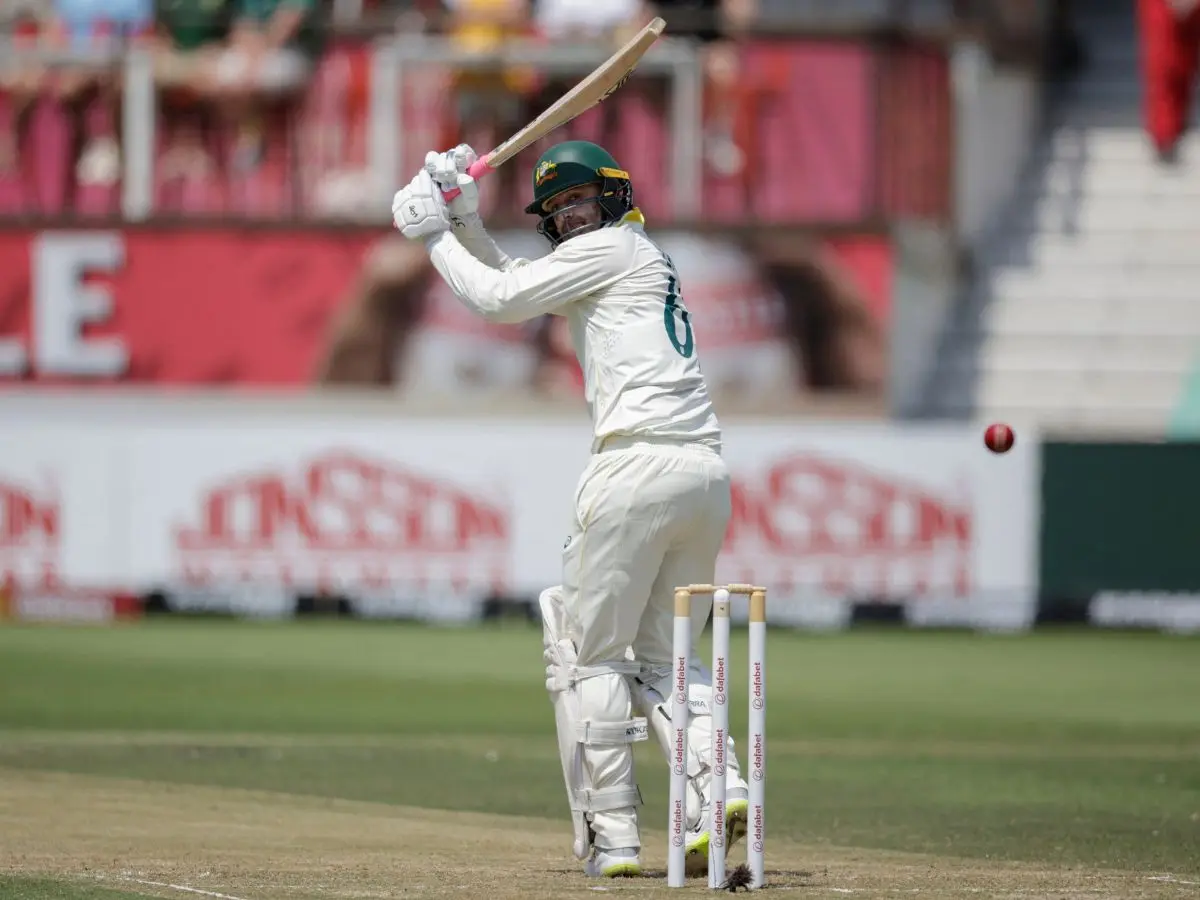&imwidth=180&imheight=135&format=webp&quality=medium)
Nathan Lyon completes 1,000 Test runs at No. 10 to script rare cricket feat
&imwidth=180&imheight=135&format=webp&quality=medium)
The Dirty Picture 2: Ektaa Kapoor confirms sequel to Vidya Balan's 2011 film
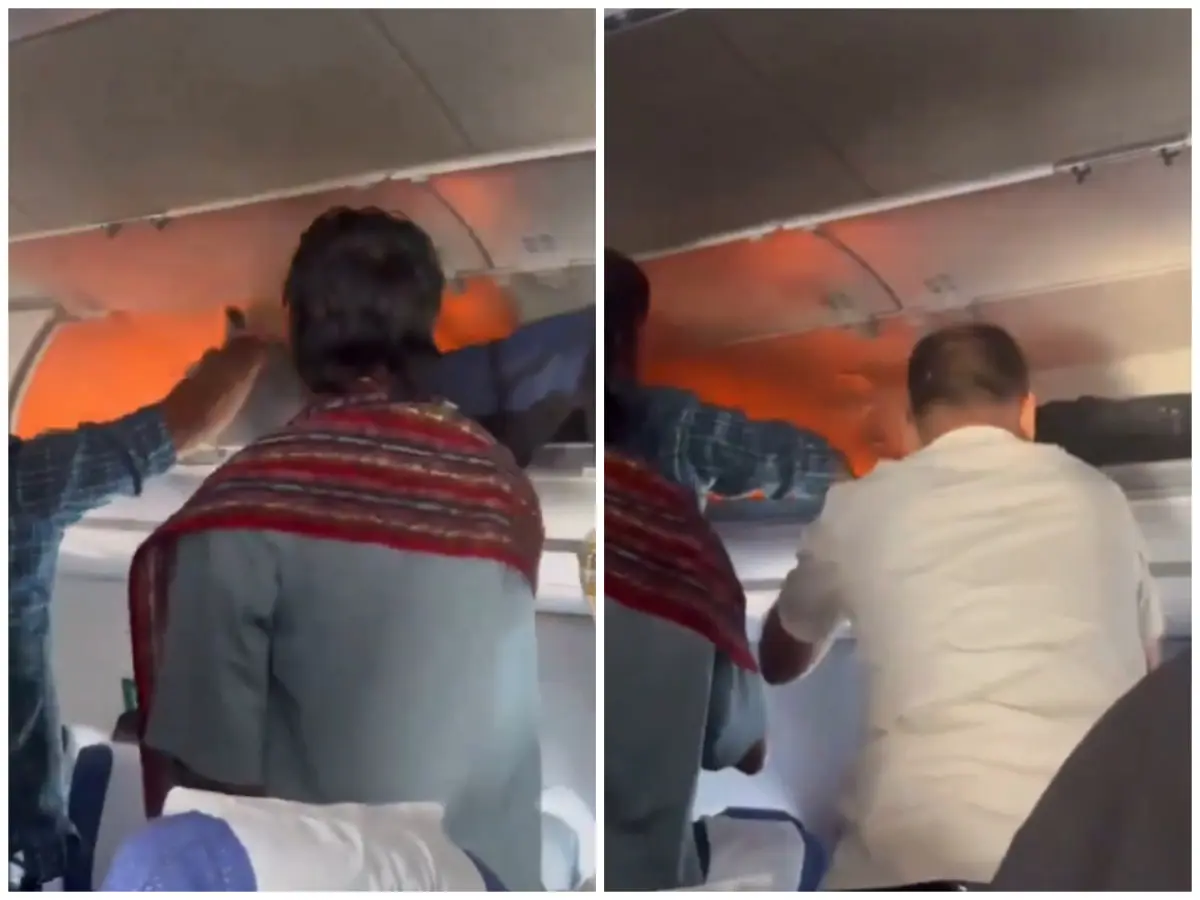&imwidth=180&imheight=135&format=webp&quality=medium)
On cam: IndiGo flight en route to Chennai diverted to Hyderabad as power bank catches fire - Here’s what happened next
&imwidth=180&imheight=135&format=webp&quality=medium)
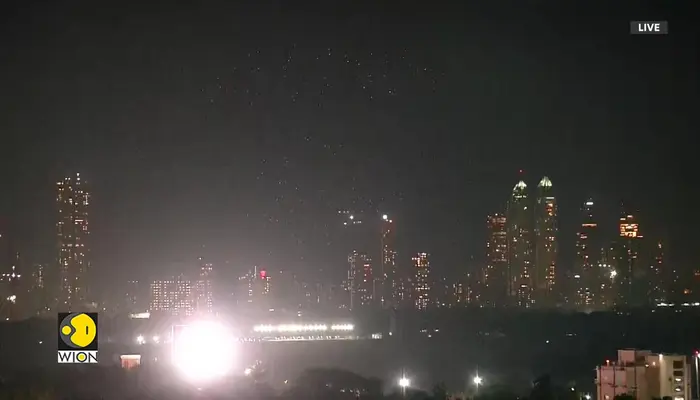
Cordelia cruises unveils second ship | drone formations depict Mumbai, India & the new ship
&imwidth=180&imheight=135&format=webp&quality=medium)
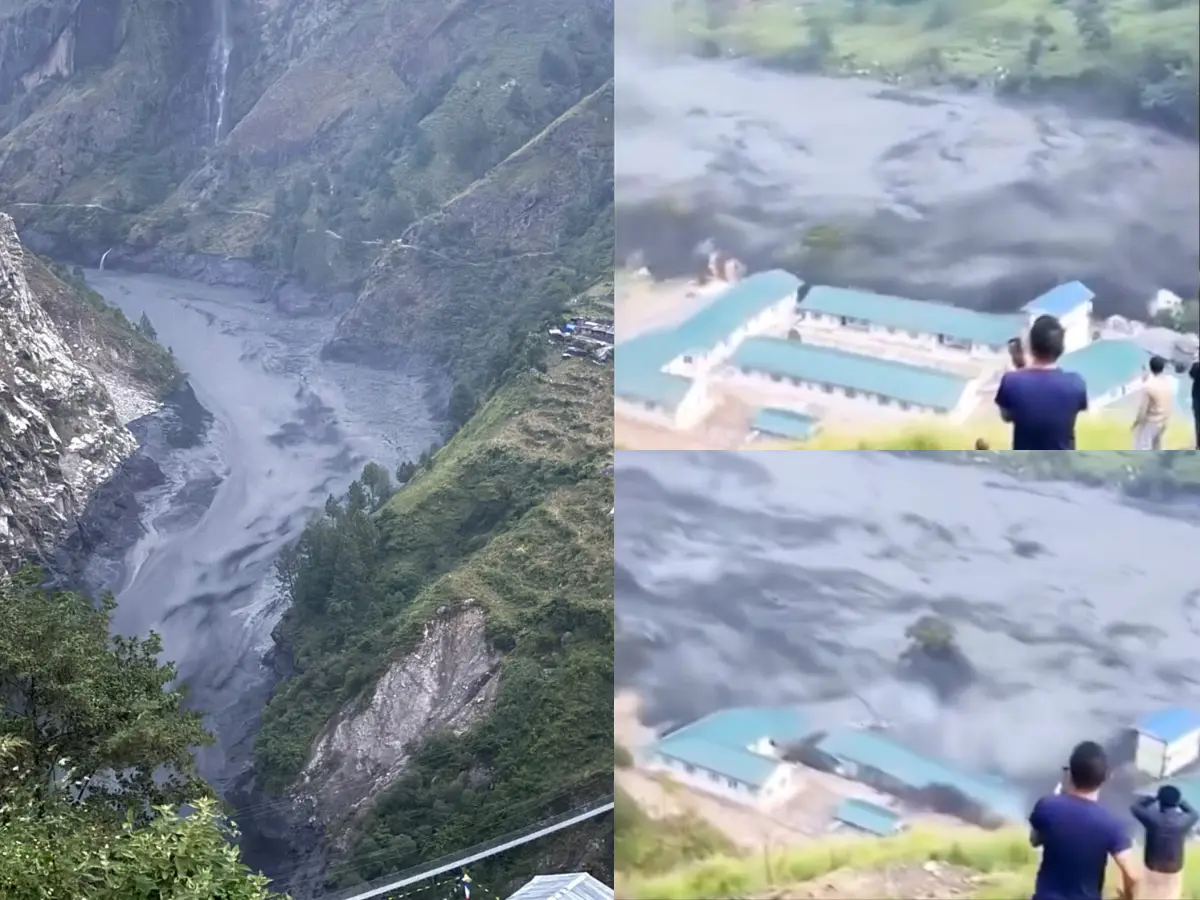
Nepal flash floods swallow homes and bridges a month after devastating disaster
&imwidth=180&imheight=135&format=webp&quality=medium)
'Ouch!!! That must hurt': Kangana Ranaut hails Kamal Haasan's sharp reply to Elon Musk over Starlink row
&imwidth=180&imheight=135&format=webp&quality=medium)
Sidhu Moose Wala’s younger brother wins hearts by recreating late singer’s signature move at Toronto Hologram Show
&imwidth=180&imheight=135&format=webp&quality=medium)
IND vs WI, 3rd T20I: Arshdeep, Abhishek star as India secure 14-run win over West Indies
&imwidth=180&imheight=135&format=webp&quality=medium)
IND vs WI, 3rd T20I: Abhishek Sharma smashes 18-ball fifty, sets record for fastest to 2,000 T20I runs
&imwidth=180&imheight=135&format=webp&quality=medium)
UK school ditches technology, shifts from screen to pen and paper for learning
&imwidth=180&imheight=135&format=webp&quality=medium)
Apple strikes deal with AI audio startup Huxe after shutdown, raising questions over future podcasts
&imwidth=180&imheight=135&format=webp&quality=medium)
Houthis claim Riyadh airport attacks, Aramco strikes; issue fresh warning to airlines, travellers and workers
&imwidth=180&imheight=135&format=webp&quality=medium)
Portugal Federation confirms Cristiano Ronaldo’s return to national team despite suspension
&imwidth=180&imheight=135&format=webp&quality=medium)
US taps strategic petroleum reserve, releasing 4 million barrels after hurricane isaias disruption
&imwidth=180&imheight=135&format=webp&quality=medium)
Anthropic AI safety test uncovers website exploits, unpaid database access and fake police tip
&imwidth=180&imheight=135&format=webp&quality=medium)
The street cannot govern India, but the government cannot ignore it either
&imwidth=180&imheight=135&format=webp&quality=medium)
3 students killed as allegedly drunk 19-year-old rams Mini Cooper into scooter
&imwidth=180&imheight=135&format=webp&quality=medium)
Nana Patekar's cause of death confirmed; here's what his postmortem report says
&imwidth=180&imheight=135&format=webp&quality=medium)
Microsoft CEO Satya Nadella says AI models need an ‘emergency brake’ to prevent loss of control
What caused the Odisha train crash?
Human error
The report said thatthe wires in the level-crossing location box were labelled incorrectly and remained undetected for years that led to a mix-up during maintenance work and added that the accident could have been avoided if the red flags had not been ignored.
The Indian Railways’ Signal and Telecommunication (S&T) department has reportedly been found primarily responsible for the incident.
Additionally, the report found the station master, a part of the operations department, responsible for not being able to detect the “abnormal behaviour” of the automated signalling system.
The CRS investigators also said that the first of the three collisions that occurred on June 2 was due to the recent repair work conducted at the signalling circuit to fix frequent problems at a nearby railroad.
They also highlighted negligence on the part of a few ground officials who did not follow adequate safety procedures of inspection, particularly after changes were made in the design due to safety concerns three years ago.
Also read |Here’s how Odisha trains collision occurred: Indian railway officials give minute-by-minute details
Thereport, which wassubmitted to the Railway Board, pointed out that regardless of the lapses in the signalling system, the S&T department could have spotted "repeated unusual behaviour" of switches connecting two parallel tracks provided they were reported by the station manager of Bahanaga Bazar, the spot of the accident.
This is a developing story. More updates will be added soon.
WATCH WION LIVE HERE