Mumbai turns to genome sequencing to control rising dengue cases

dengue
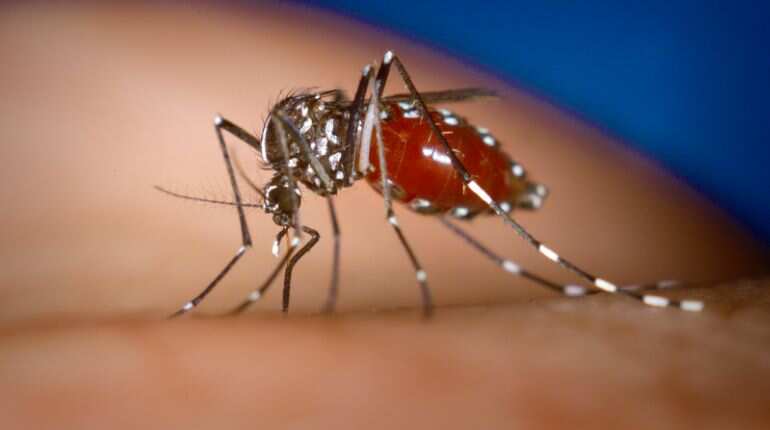
There has been a significant rise in dengue cases in Mumbai, which has prompted the civic authorities in the west Indian city to resort to genome sequencing to identify the specific strain of the virus.
According to the data from Brihanmumbai Municipal Corporation (BMC) cited by The Indian Express, a whopping 4,384 dengue cases were reported between January 1 and October 22 this year. There was a significant uptick of 3,675 cases during Monsoon rains, which the coastal city witnesses a considerable amount of each year. The rise was seen between July 1 and October 22.
Just last year, the city had seen 746 dengue cases betweenJanuary and October. Before that, there were 876 cases between January and December 2021.

The BMC is now aiming to identify the specific dengue virus strain that may be behind the sudden surge in cases. The corporation will now conduct genome sequencing to zero in on the strain.
Also Read | India among 28 countries to sign first international declaration to address risks of AI
Genome sequencing is an advanced scientific method that yields important information about behaviour of the virus.
)
'We would all be dead': Netanyahu defends decision to strike Iran's nuclear facilities in his UN speech
)
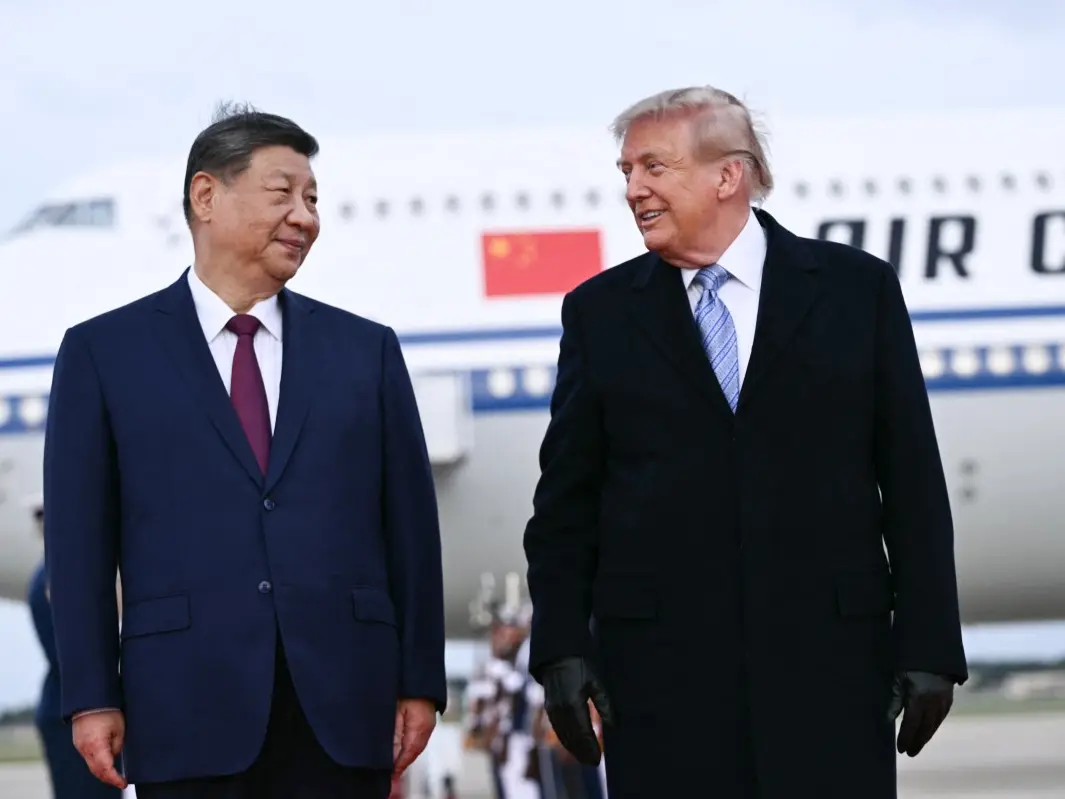
Xi Jinping's 'special plane' vs Trump's Air Force One: What's the difference?
)
'AI got into my speech': Prince Harry jokes after teleprompter failure at event in New York
)
‘Both will lose in confrontation’: Xi says US and China should ‘coexist in peace’
)
Australian PM Anthony Albanese calls OpenAI AI incident 'unacceptable' after restricted data access
)
WION Iconic Tourism Summit 2026: Union Minister Shekhawat on 'experiential travel', peace diplomacy
)
Scientists detect first radio signals directly from faraway planet
)
China to test supersonic jet that moves at Mach 2, double the speed of sound
)
Welcome actor Mushtaq Khan dies at 56 after battling cancer
)
WION Iconic Tourism Summit: How local tourism MSMEs must upskill for AI integration
)
What’s on the menu? Inside Trump’s lavish White House state dinner for Xi
)
Hamilton wants to race in Middle East despite not knowing 'what risk levels are'
)
Russia likely to target Spain, France and Italy in drone attacks, warns CIA: Report
)
US judge questions Trump’s decision to ban CNN, MS NOW and Politico from White House
)
Who is Peng Liyuan? Xi Jinping's singer wife and China's most visible First Lady
)
IIT Bombay CCTV footage emerges: Sahil Wakode seen looking at phone in examination hall
)
Forget the smartphone: This tiny gadget could be Meta’s answer to the post-smartphone era
)
'There will be elections': Venezuela's interim leader Delcy Rodriguez makes big announcement at UN
)
Trump’s Board of Peace unveils $2.45bn Gaza plan,66 projects: But where’s the money?
&im=FitAndFill=(700,400))
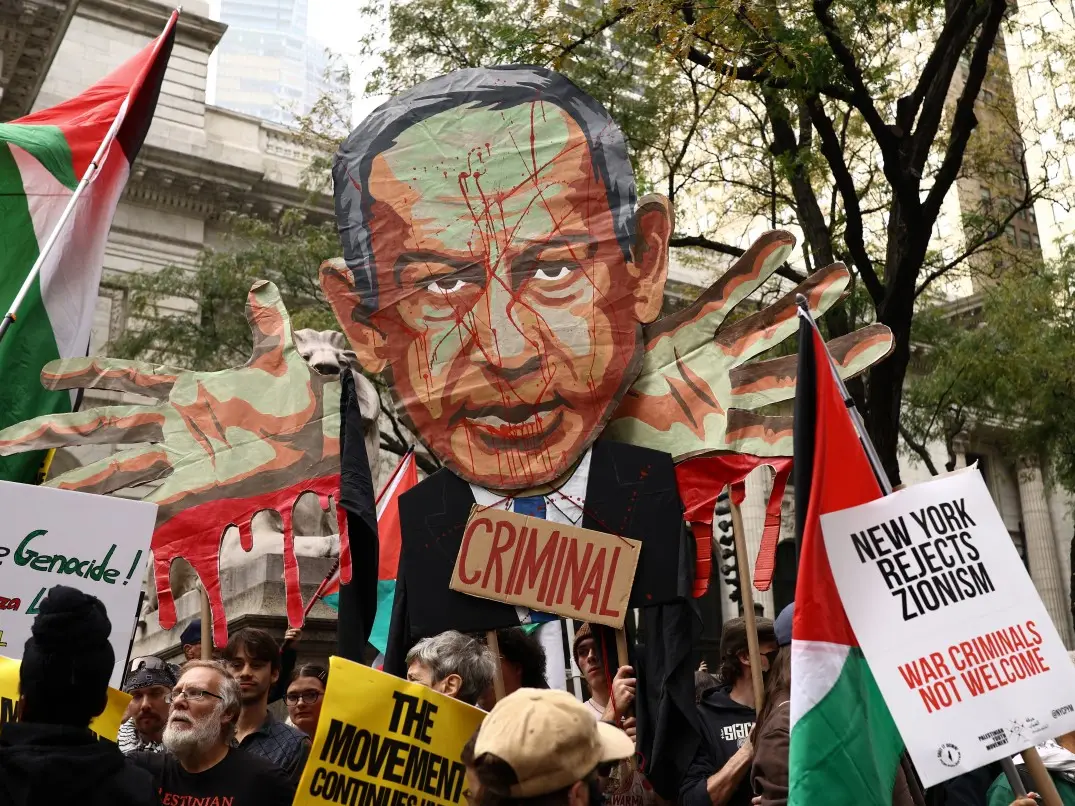
Netanyahu at UN: Mass walkout, attack on Mamdani and Iran threats | In Pics
)
For the first time, the UN Security Council sat US and Chinese AI makers at the same table
)
Israeli envoy to US Yechiel Leiter’s son critically injured in West Bank ramming attack
)
250-pound WWII bomb found in Falmouth harbour in England
)
Hours before Xi-Trump meeting, US announces visa curbs targeting birth tourism: What is it?
)
Mumbai Indians appoint Luke Williams as head coach for Women’s Premier League
)
Winter coat, gloves in September? Trump’s Xi welcome sparks social media buzz
)
What’s in a name? Trump’s 'Lake America' move gets a tit-for-tat response from Canada
)
WION Iconic Tourism Summit: Is India's travel boom outrunning its airports, airlines and hotels?
)
2,000-foot tube, laser tests and more: China builds towns to expand nuclear arsenal, satellite images show
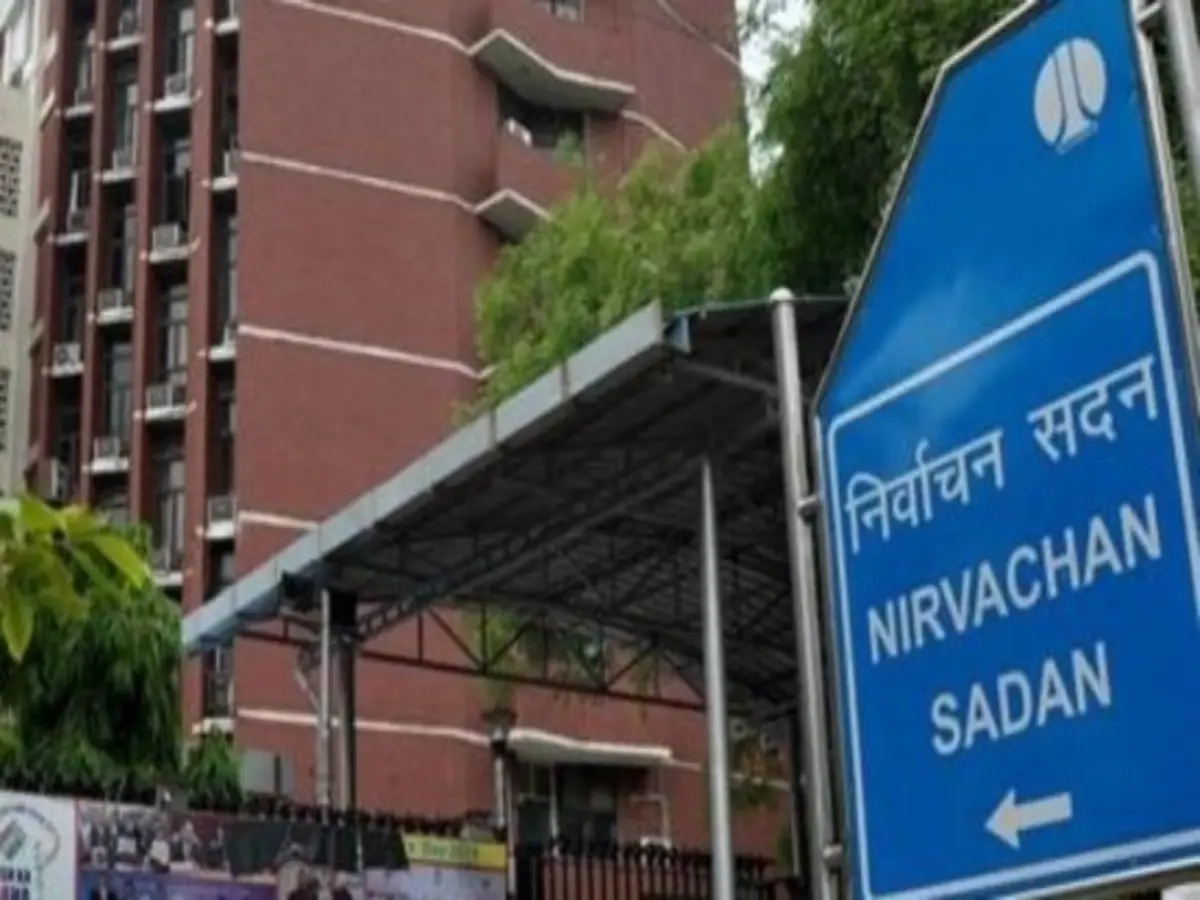)
EC appointment law: Why is the 2023 act controversial, and what happens next? WION explains
)
WATCH | China President Xi Jinping lands in US as Trump greets him ahead of high-stakes summit
)
'What kind of confession is this?': Pakistan PM Shehbaz Sharif’s 'terrorists would be roaming New York' remark goes viral, raises alarm online. Watch
)
Meet Adrian Abraham: 9-year-old Indian-origin guitar prodigy aiming for a Guinness World Record
)
Shah Rukh Khan is India's richest actor, Amitabh Bachchan is second: Hurun List 2026
)
Trump-Xi state dinner 2026: Who is invited? Full guest list of tech CEOs, business leaders and officials
)
'Partners rather than rivals': Xi Jinping's first message after landing in US for Trump summit
)
Italy hit by floods in the north, drought in the south
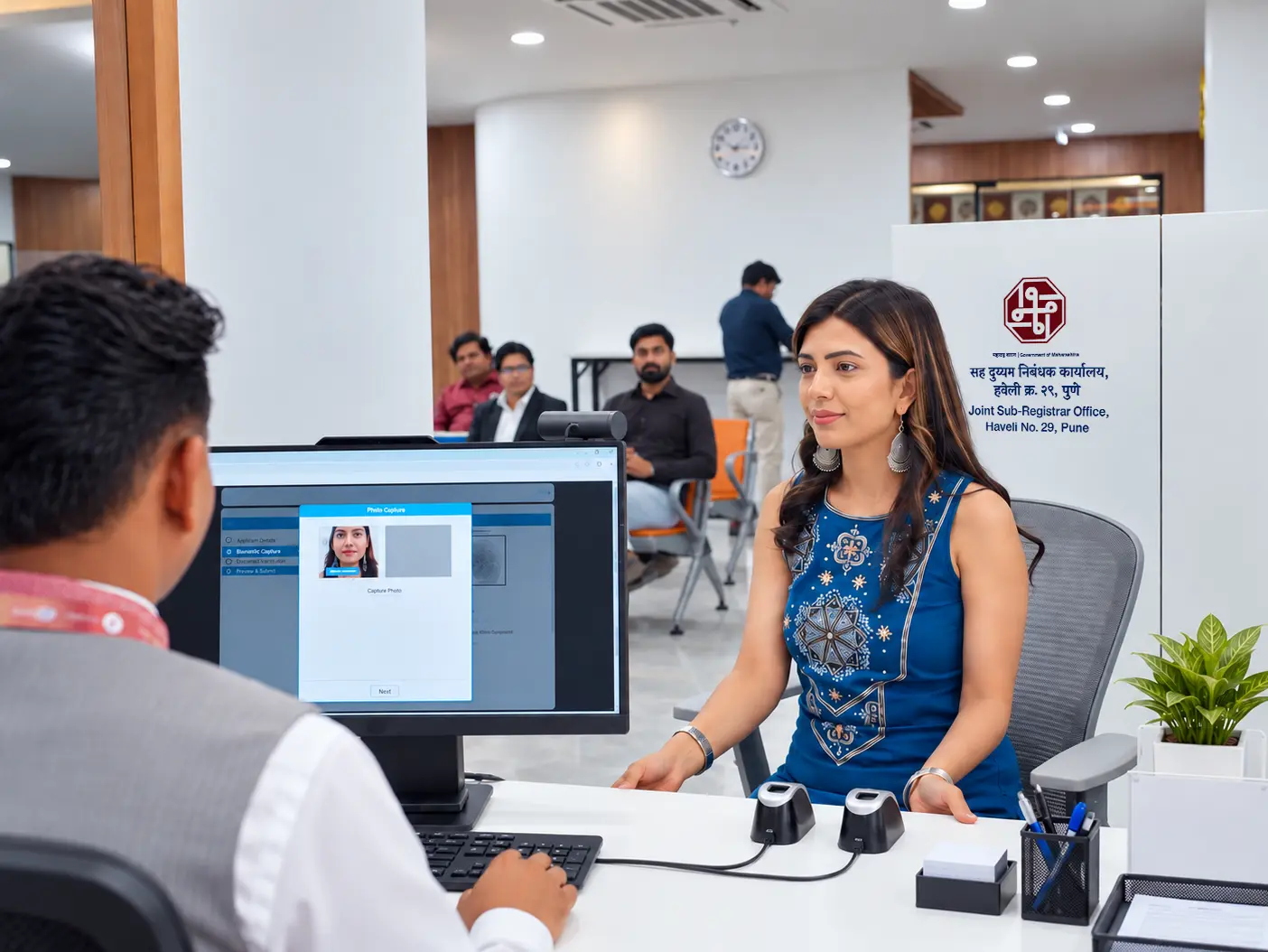)
Property registration becomes faster, convenient as model sub-registrar offices open in Maharashtra
The BMC had previously conducted genome sequencing during the swine flu epidemic.
Genome sequencing yields information about genetic code in the RNA (ribonucleic acid). This enables detailed examination of virus properties.
Genome sequencing also gives information about the way a virus infects people. This comprehensive analysis will be carried out at BMC's Kasturba Hospital and it will involve analysis of samples of about 200 patients.
Also Read | India: Delhi faces hazardous air quality crisis as AQI crashes to 616
There are four strains of dengue that cause infection. These are DENV-1, DENV-2, DENV-3 and DENV-4. Each of these strains has separate levels of virulence.
“The implementation of genome sequencing will provide valuable insights into the prevalent strain among the Mumbai population and help identify the existing sub-variants, if any, within the virus — offering a deeper understanding of the outbreak,” said an official from BMC as quoted by The Indian Express.