Multi-billion rupee plan targets: Why Delhi is investing Rs 9,585 crore to replace ageing commercial vehicles

&imwidth=600&imheight=450&format=webp&quality=medium "Multi-billion rupee plan targets: Why Delhi is investing Rs 9,585 crore to replace ageing commercial vehicles")
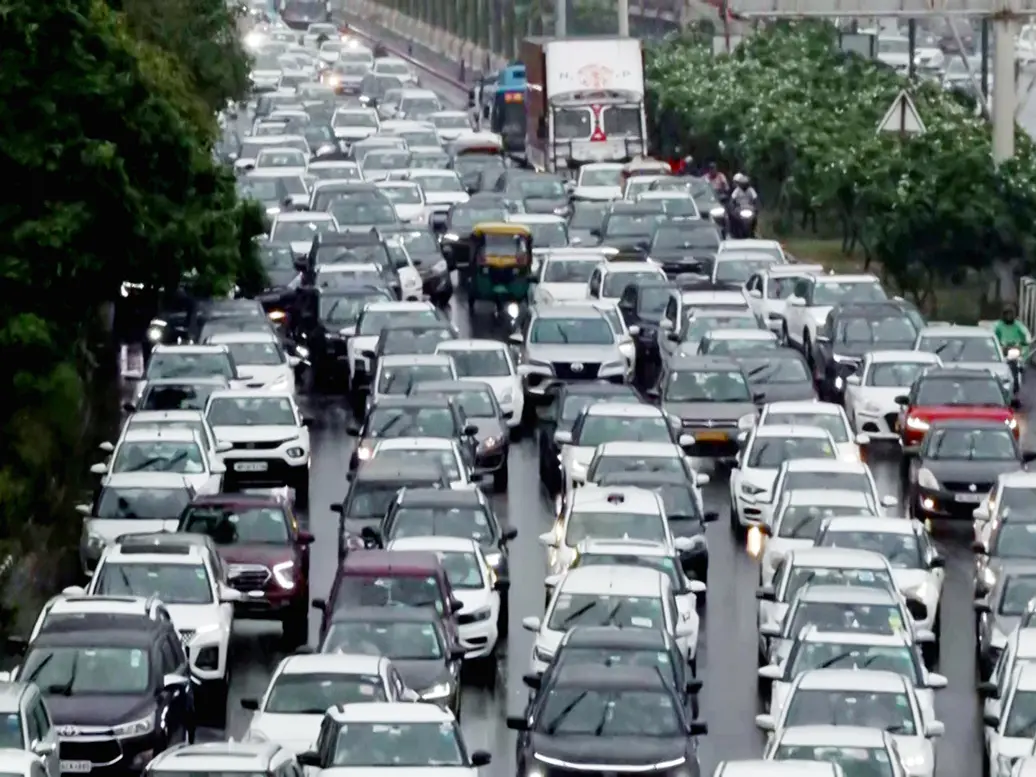
Representative image. Photograph: (ANI)
The government's moves aim to counter the pollution levels in the national capital, which frequently remains a hotspot of poor air quality despite a series of measures and initiatives.
The Central government has approved the Rs 9,585 crore Naya Safar Yojana, a two-year scheme aimed at replacing old trucks and buses across Delhi-NCR with cleaner vehicles. The approved scheme covers nearly 2.07 lakh commercial vehicles, which include 1.91 lakh trucks and 16,329 buses. The government's moves focuses to counter the pollution levels in the national capital, which frequently remains a hotspot of poor air quality despite a series of measures and initiatives.
What does Naya Safar Yojana offer
The programme aims to accelerate the replacement of older commercial vehicles with BS-VI or electric models by offering a range of financial incentives. Vehicle owners will be eligible for a five per cent interest subsidy on vehicle loans for up to five years, monthly fuel vouchers of up to Rs 4,800, exemption from registration fee and concessions on motor vehicle tax.
In addition, State governments will grant a 100 per cent tax concession on new vehicles and a 50 per cent concession on used vehicles for 10 years, while pending dues on participating old vehicles under this scheme will also be waived.
The policy also specifies replacement guidelines. BS-III and older vehicles must be scrapped, whereas BS-IV vehicles may either be scrapped or sold outside the National Capital Region (NCR) and non-NCAP cities. In Delhi, all new buses purchased under the scheme must run on BS-VI CNG or electric technology, while all new light goods vehicles will be required to be electric.
Trending Stories
&im=FitAndFill=(700,400))
)
)
)
)
)
)
)
)
)
)
)
)
)
)
&im=FitAndFill=(700,400))
)
)
)
)
)
)
)
)
)
)
)
)
)
&im=FitAndFill=(700,400))
The government has prioritised commercial vehicles because of their disproportionately high contribution to air pollution. Although trucks and buses account for only around three per cent of the vehicle population in Delhi-NCR, they generate nearly 36 per cent of PM2.5 emissions from the transport sector. As a result, replacing older commercial vehicles is expected to produce a significantly greater reduction in emissions than replacing an equivalent number of private vehicles.

