Jittery Pakistan feels the heat? Pak water ministry urges India to review its move on Indus Waters Treaty

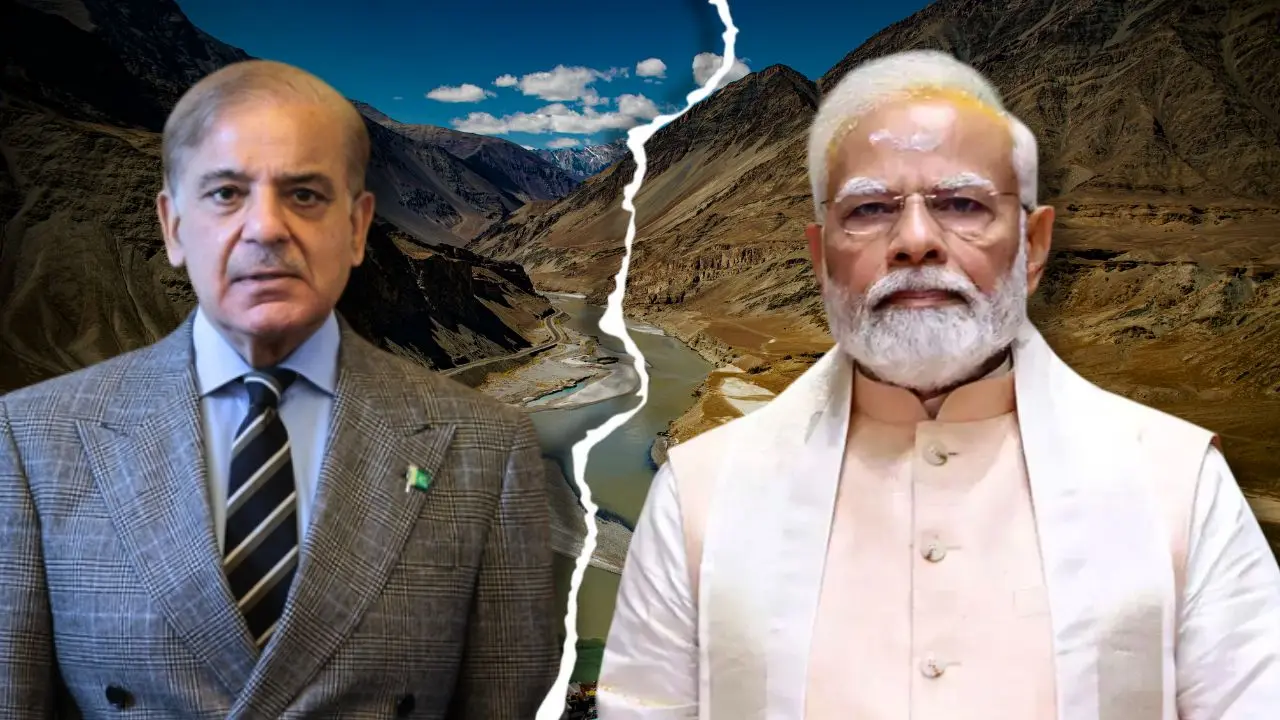
India News, pakistan | Pakistan's Ministry of Water Resources sent a formal letter to India’s Ministry of Jal Shakti, requesting a review of the decision to put the Indus Waters Treaty in abeyance.
Pakistan's Ministry of Water Resources sent a formal letter to India’s Ministry of Jal Shakti, requesting a review of the decision to put the Indus Waters Treaty in abeyance. In a statement on May 9, Pakistan said that they had responded to the Indian letters about the abeyance in the treaty. Pakistan has claimed that there is no provision in the treaty to hold it in abeyance. India and Pakistan announced a ceasefire understanding amid growing hostilities between the two countries after Operation Sindoor and Pahalgam terror attacks.
As per protocol, sources confirmed that the letter by Pakistan's Ministry of Water Resources has been forwarded to the Ministry of External Affairs.
India and Pakistan, in 1960, made a formal agreement, called the Indus Waters Treaty, to decide how water would be shared between both countries from the Indus River. The treaty splits the six main rivers of the Indus system between India and Pakistan: Ravi,Beas, Sutlej to India and Indus, Chenab, Jhelum to Pakistan.

India in the aftermath of the terror attack in Jammu and Kashmir's Pahalgam on April 22 announced a series of actions against Pakistan after Pak-based terror group Lashkar-e-Taiba's offshoot The Resistance Force (TRF) claimed responsibility for the attack. New Delhi put the Indus Waters Treaty in abeyance, and shut the Attari border, among other things.
PM Modi's strong message to Pakistan
&imwidth=180&imheight=135&format=webp&quality=medium)
Trick or Treat -Anthropic's IPO sales pitch is the perfect Halloween scare for AI enthusiasts
&imwidth=180&imheight=135&format=webp&quality=medium)
'He is a red flag': Ex-India strength and conditioning coach on Rohit's fitness regime
&imwidth=180&imheight=135&format=webp&quality=medium)
Chris Brown given suspended eight-month jail term for London nightclub attack
&imwidth=180&imheight=135&format=webp&quality=medium)
Uttarakhand innovator Ravi Tamta builds flying car without any formal engineering degree
&imwidth=180&imheight=135&format=webp&quality=medium)
'Hell of a beautiful a**': Trump compliments Nicki Minaj as rapper joins him in Michigan rally
&imwidth=180&imheight=135&format=webp&quality=medium)
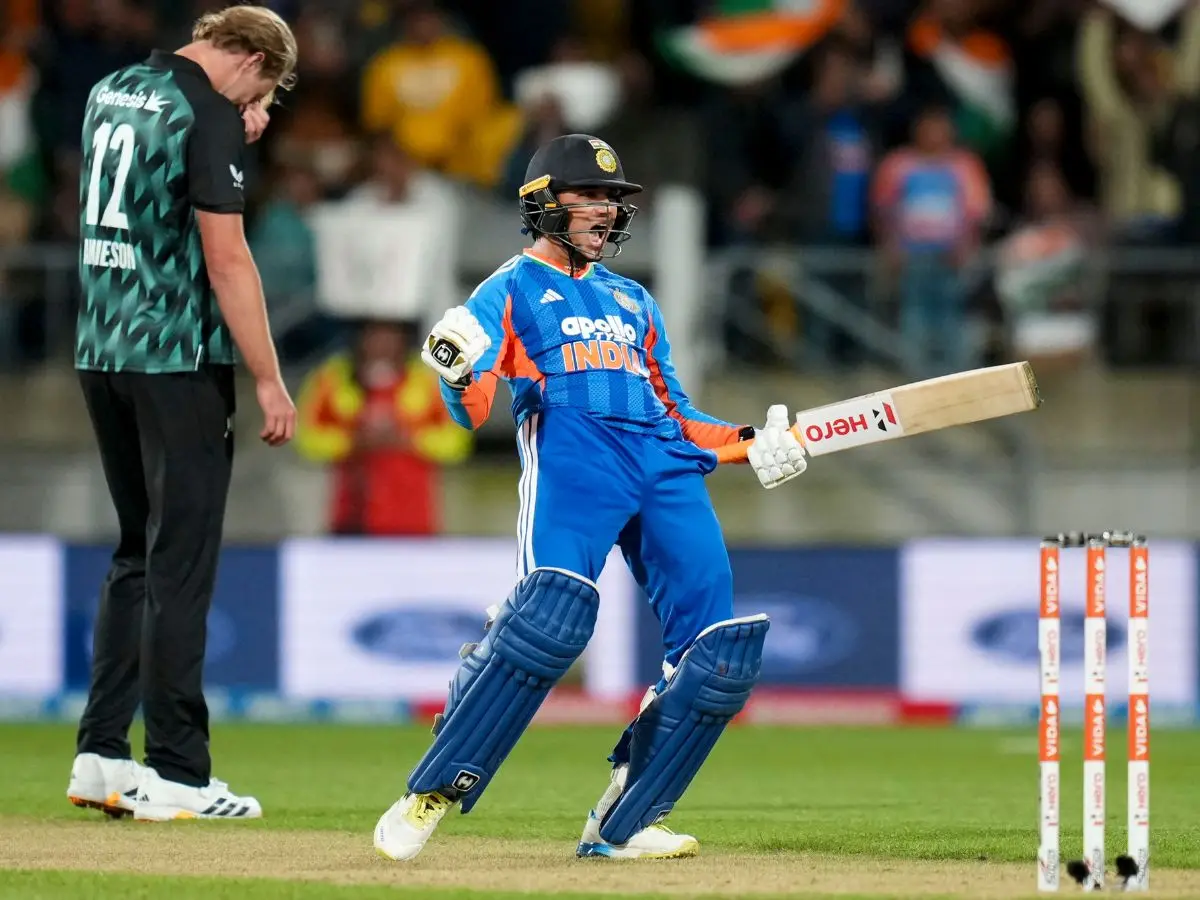
IND vs NZ 3rd T20I: Abhishek Sharma equals Rohit Sharma's record of 35-ball 100
&imwidth=180&imheight=135&format=webp&quality=medium)
Zimbabwe slips four places to 14th out of 29 in Africa’s Digital Rights and Inclusion ranking
&imwidth=180&imheight=135&format=webp&quality=medium)
Jordan strikes 'terrorist organisations' in Syria after deadly church attack as Damascus shuts main border crossing
&imwidth=180&imheight=135&format=webp&quality=medium)
Police called after 3-year-old scores 10 goals in 12 minutes at Florida youth soccer game
&imwidth=180&imheight=135&format=webp&quality=medium)
Meta’s AI bet is getting more expensive: What its $95 billion share plan means
&imwidth=180&imheight=135&format=webp&quality=medium)
'Lousy president': Trump hits back at Obama over 'cheesecake factory' White House jibe
&imwidth=180&imheight=135&format=webp&quality=medium)
Pakistan airline PIA unveils new crew uniforms, faces online criticism
&imwidth=180&imheight=135&format=webp&quality=medium)
Maurene Comey, daughter of ex-FBI director James Comey, was unlawfully fired as federal prosecutor, judge rules
&imwidth=180&imheight=135&format=webp&quality=medium)
Trump accused of 'brutal' rape by ex-Miss Switzerland; Beatrice Keul alleges 'Don's best friend' Epstein facilitated assault in 1993
&imwidth=180&imheight=135&format=webp&quality=medium)
'Already tired of his 9-to-5': Baby born with a moustache becomes internet sensation, video goes viral | Watch
&imwidth=180&imheight=135&format=webp&quality=medium)
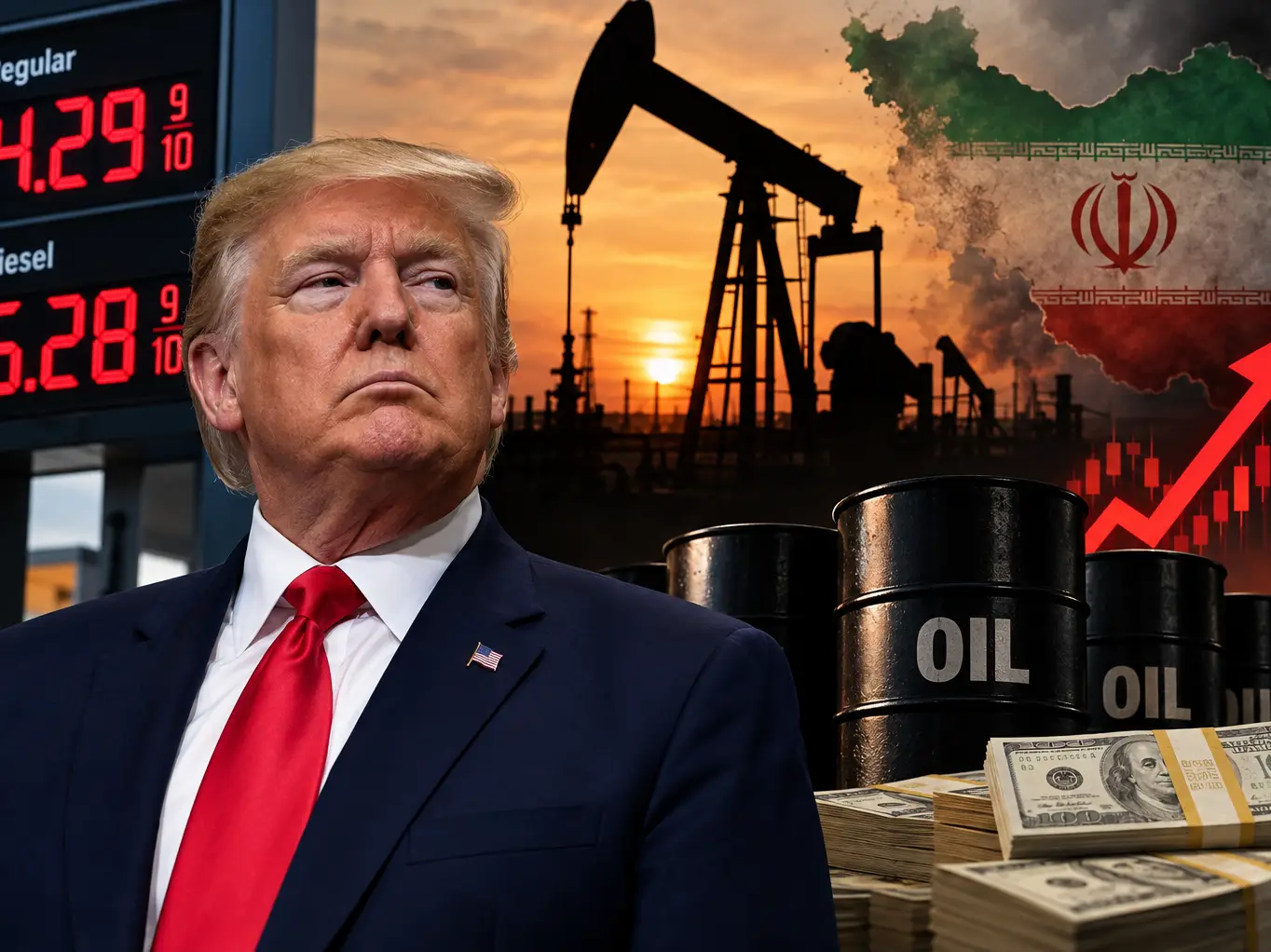
Trump’s oil and gas holdings surge to $81.6 million amid Iran war as Americans face rising fuel costs
&imwidth=180&imheight=135&format=webp&quality=medium)
Microsoft offers voluntary exit packages to 60,000 employees in India, US, UK and Canada
&imwidth=180&imheight=135&format=webp&quality=medium)
One dead, six injured in Elizabeth, New Jersey mass shooting; suspect flees
&imwidth=180&imheight=135&format=webp&quality=medium)
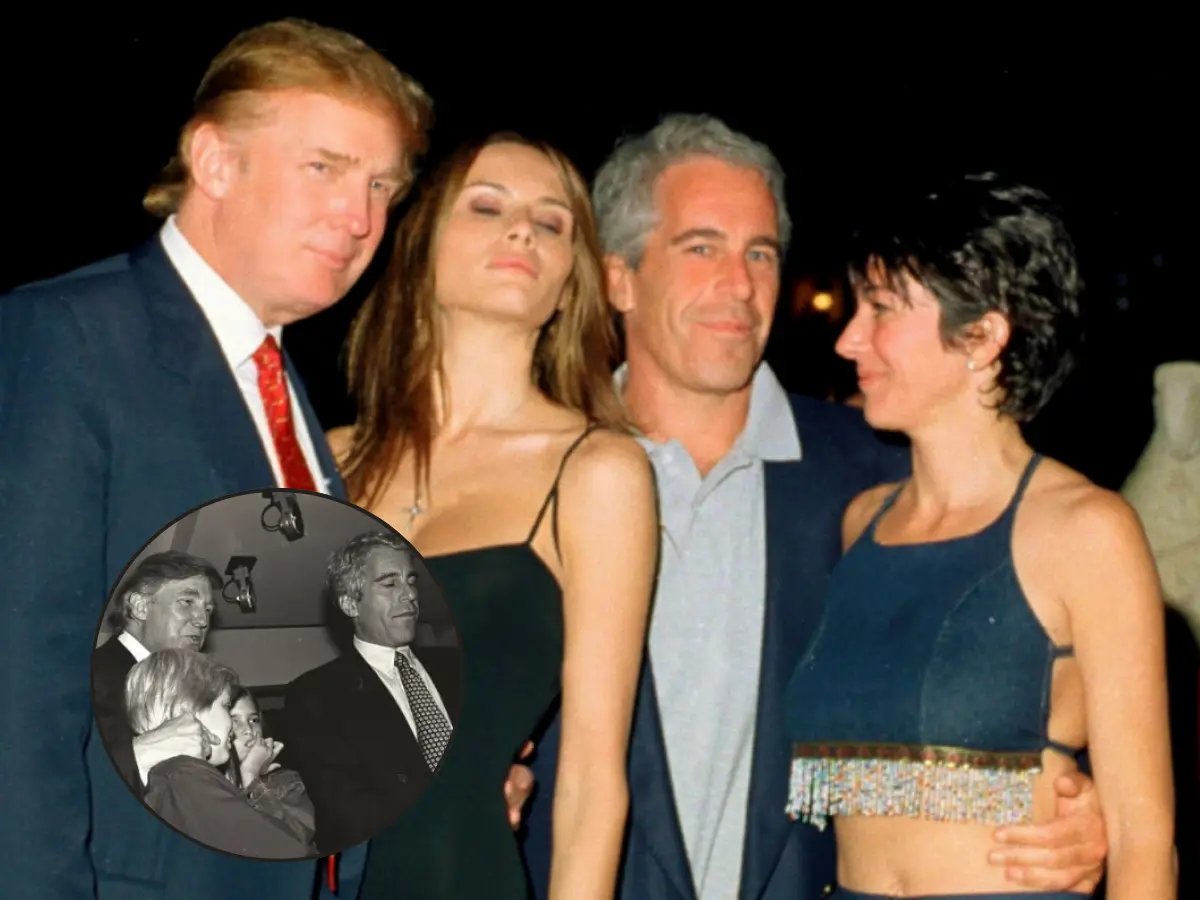
Democrats allege 'desperate efforts to cover up' Trump's involvement in Jeffrey Epstein sex crimes, release 50-page report
&imwidth=180&imheight=135&format=webp&quality=medium)
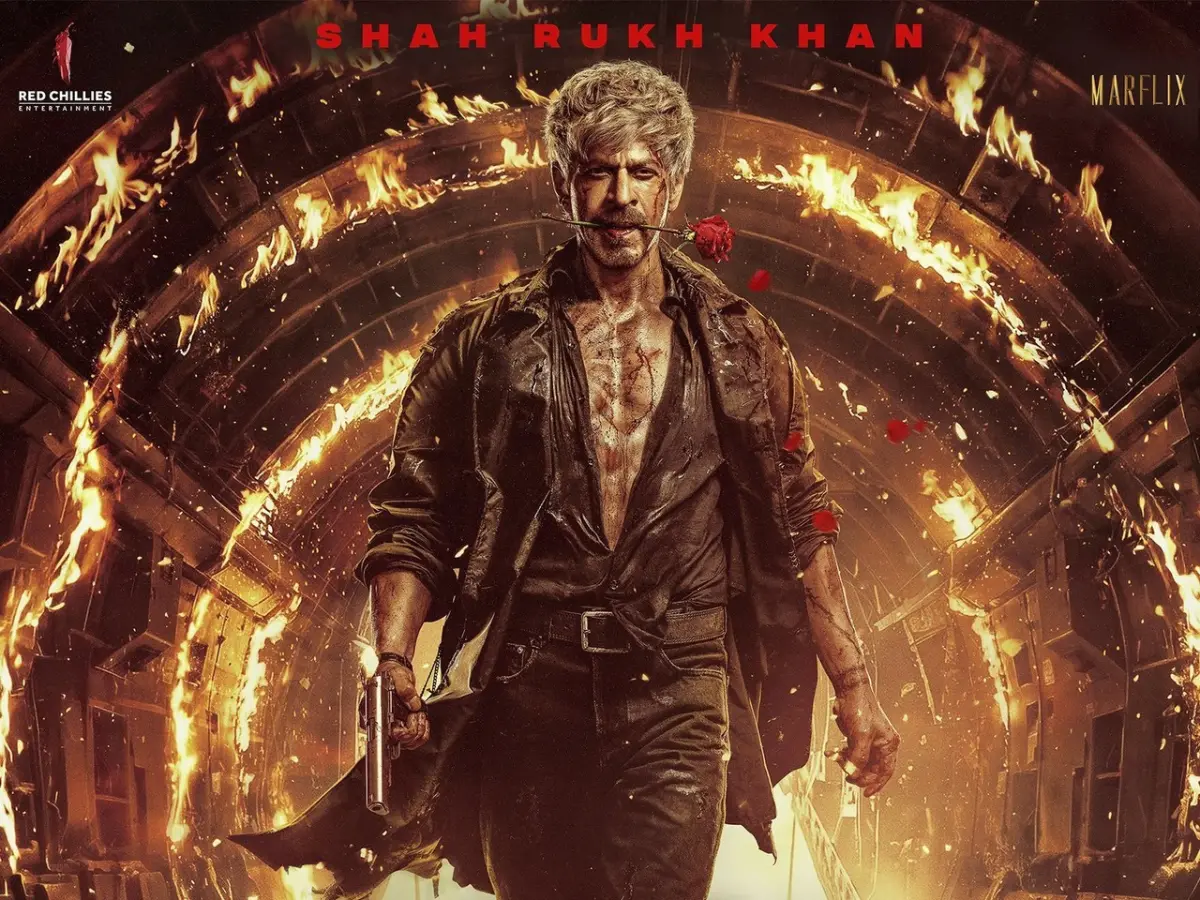
Shah Rukh Khan unveils new poster of King, Internet reacts
&imwidth=180&imheight=135&format=webp&quality=medium)
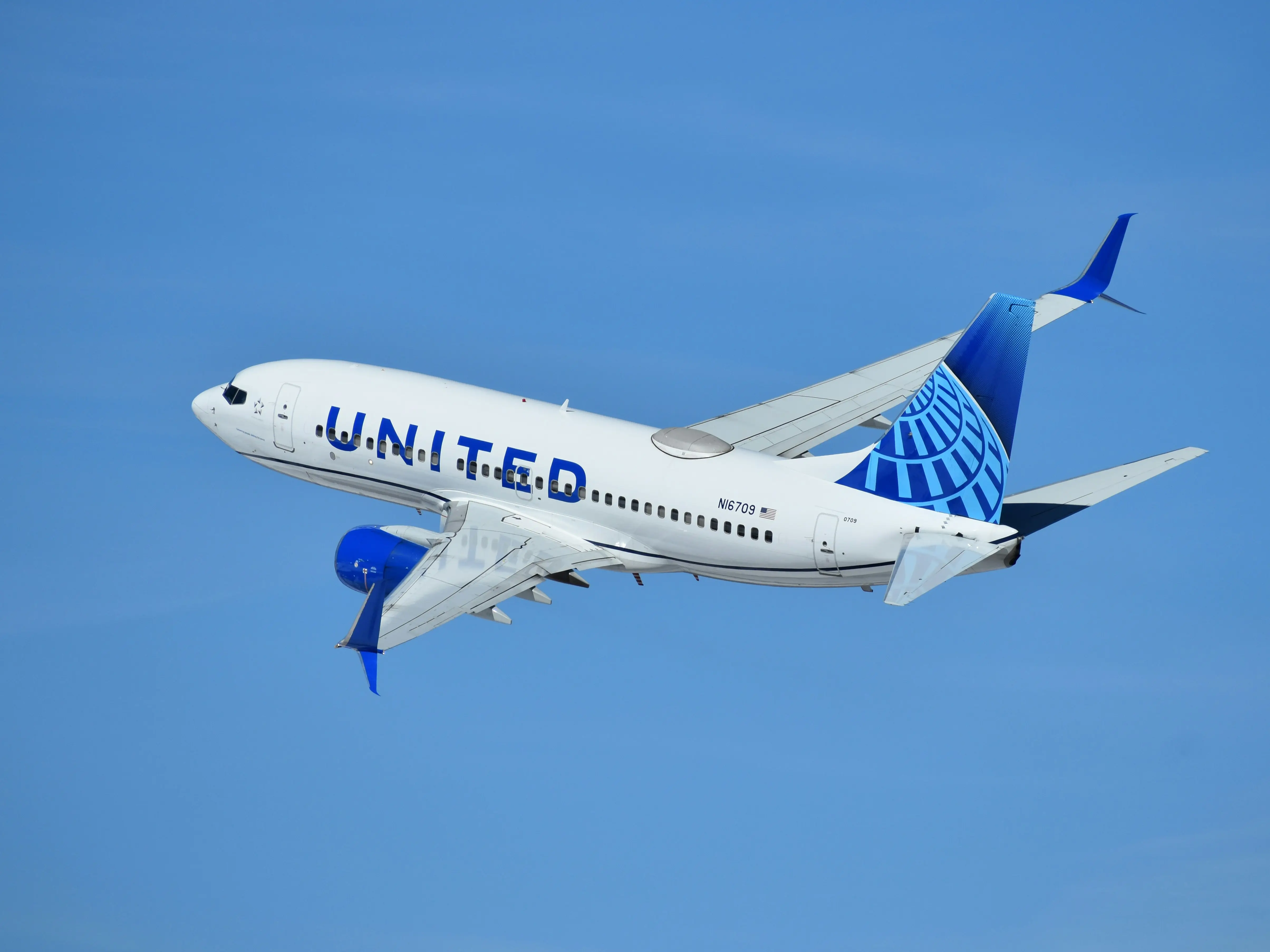
Hijack scare unfolds on United flight over suspicious text message. Here is what happened
&imwidth=180&imheight=135&format=webp&quality=medium)
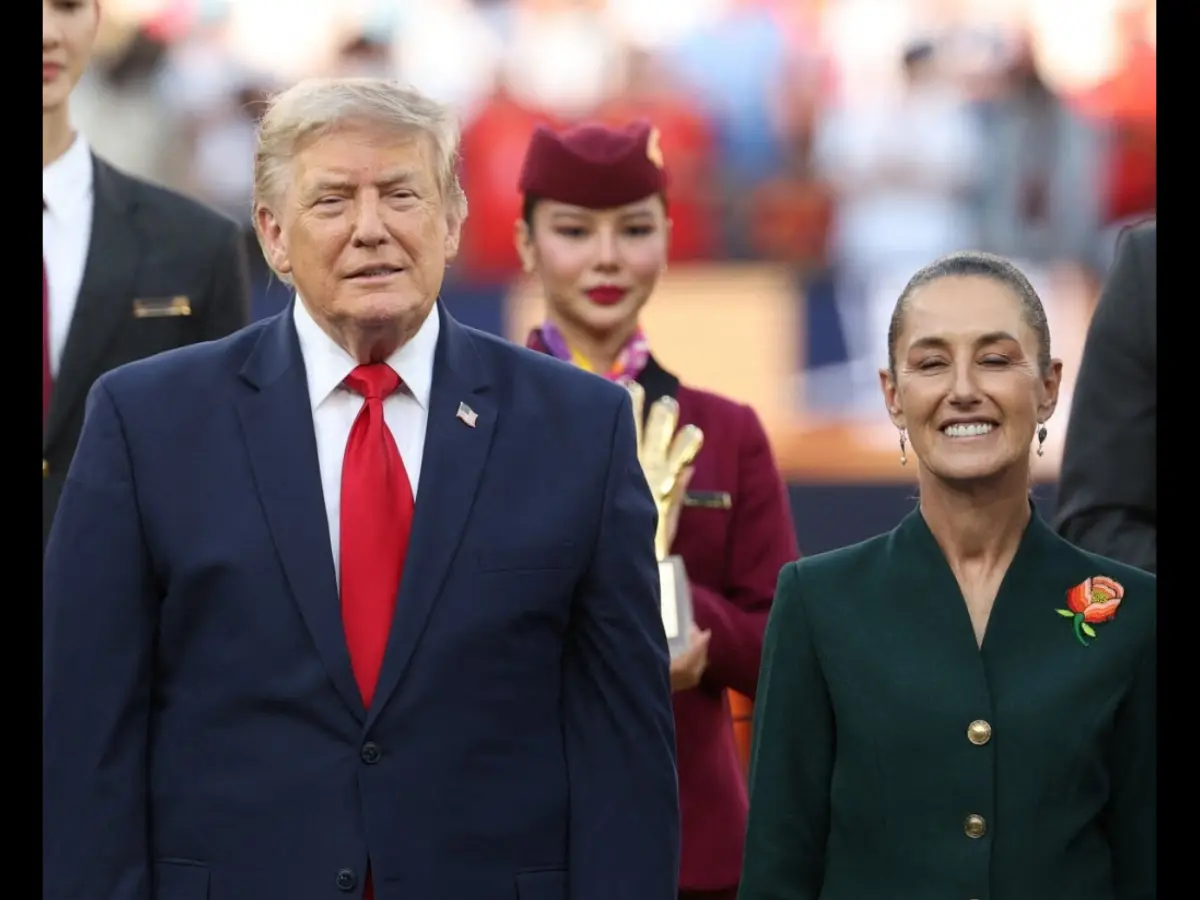
'She is a beautiful woman': Trump mocks Mexican President Sheinbaum, mimics her voice at US Midterms rally
&imwidth=180&imheight=135&format=webp&quality=medium)
US midterms 2026: Democrat Annie Andrews gains bipartisan backing against Trump's pick Darline Graham in South Carolina Senate race
&imwidth=180&imheight=135&format=webp&quality=medium)
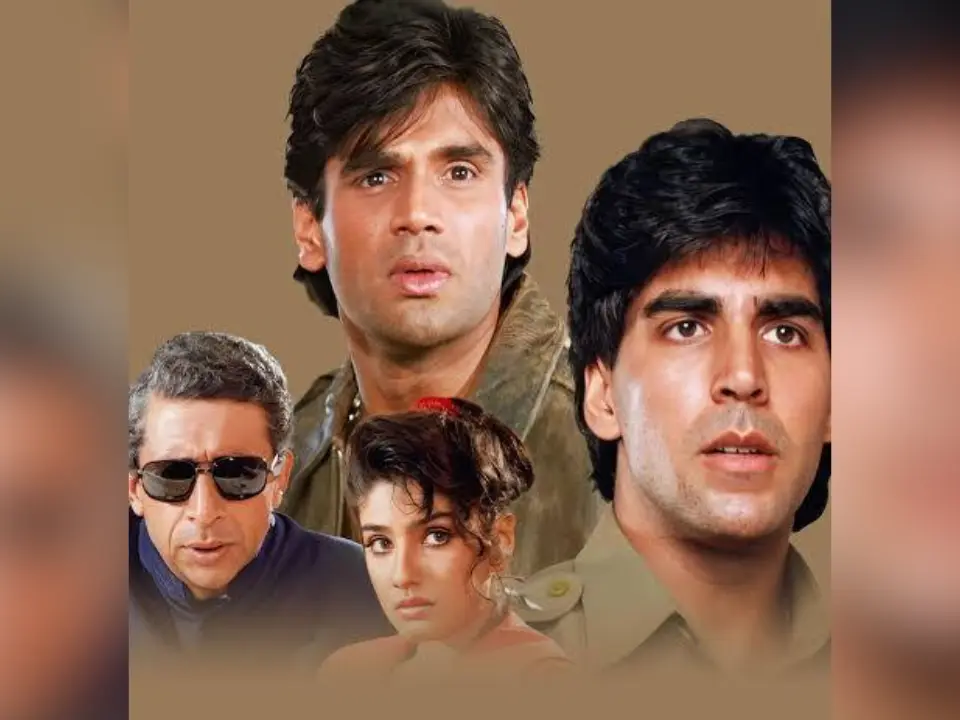
Mohra re-release in 4K: Akshay Kumar, Raveena Tandon’s film to clash with Ranbir Kapoor’s Ramayana
&imwidth=180&imheight=135&format=webp&quality=medium)
'I've done my work sincerely': AR Rahman on facing backlash over Ramayana soundtrack
&imwidth=180&imheight=135&format=webp&quality=medium)
US Midterms 2026: Last leg polls and forecasts indicate Democratic momentum, but Senate control remains uncertain
&imwidth=180&imheight=135&format=webp&quality=medium)
'Hire the robot, fire the human': Bill Gates's words hint at a bleak future
&imwidth=180&imheight=135&format=webp&quality=medium)
'Shove that ballroom up your a**': Trump heckled at Mississippi rally over White House ballroom renovations | WATCH
&im=FitAndFill=(700,400)&imwidth=180&imheight=135&format=webp&quality=medium)
New OTT releases this week (October 26-November 1, 2026): Baththa, Akka, The One About Matthew Perry- 7 titles coming on Netflix, Prime Video and more
&imwidth=180&imheight=135&format=webp&quality=medium)
WATCH | Virat Kohli returns to training ahead of New Zealand ODI series
&imwidth=180&imheight=135&format=webp&quality=medium)
‘That is a miss’: Ravi Ashwin questions Sooryavanshi’s demotion to No. 3 in 2nd T20I vs NZ
Prime Minister Narendra Modi, in a strong message to Pakistan, said that "blood and water cannot flow together."PM Modi said that India's fight against terrorism will now include those who shield the terrorist leaders, if they defend Indian Forces' action against the terrorists. He also said that India will not cave into the nuclear threat that Pakistan has been posing for years. Calling Operation Sindoor, a new line against terrorism, PM Modi straightforwardly expressed India's tough stance going forward - "Terror and talk cannot go together, terror and trade cannot happen together, and water and blood also cannot flow together," he said.
India Pakistan ceasefire
On May 10, India's Foreign Secretary Vikram Misri confirmed that India and Pakistan agreed to a ceasefire with immediate effect. India's External Affairs Minister S Jaishankar reiterated the same but also said that the country will continue its "uncompromising stance against terrorism in all its forms and manifestations." Pakistani drone attacks continued on the day of ceasefire as well, after which Misri issued a statement and told Pakistan to deal with the situation with “seriousness and responsibility”.

