'Interested in building relations', Egyptian envoy Wael on his country allowing import of Indian Wheat

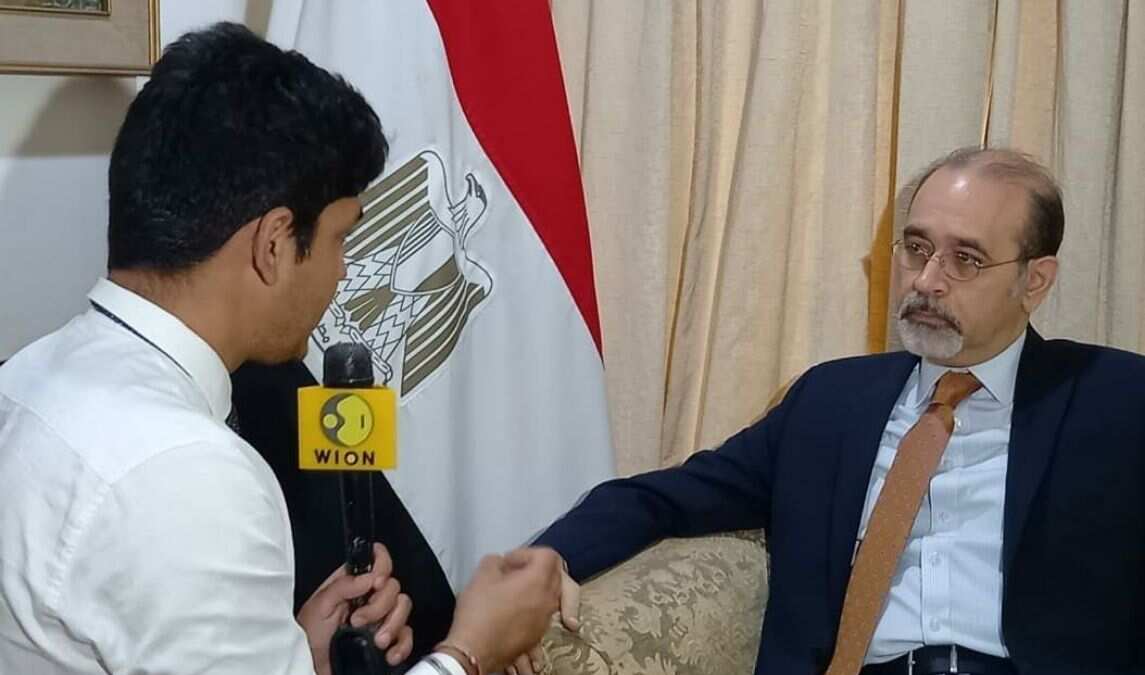
Wael Hamed
Days after Egypt announced the decision to allow the import of Indian wheat, the Egyptian ambassador to New Delhi Wael Hamed said that his country is "very much interested in building relations with India."
Egyptian call to add India to the list of countries from where wheat can be imported comes even global wheat prices have increased in a major way due to the ongoing Russia-Ukraine conflict. Both Russia and Ukraine have been major exporters of wheat, something that has been hard hit due to the ongoing war.

Speaking to WION's Principal Diplomatic Correspondent Sidhant Sibal, envoy Wael explained, "Egypt has been traditionally importing wheat from other countries, we have been traditionally importing from Russia and Ukraine something like 80% of our yearly needs", adding, "Prices have risen to unprecedented level". India is being looked up as a potential source to fill the global shortfall in wheat supplies.
According to the Indian government release over the weekend, the country aims to export three million tonnes of wheat to Egypt in 2023. Officials from agriculture quarantine and pest risk analysis of Egypt visited various processing units, port facilities and farms in Maharashtra, Madhya Pradesh and Punjab. During his visit to Dubai last month, Union Commerce & Industry Minister Piyush Goyal also met Egypt’s Minister of Planning & Economic Development Dr Hala El-Said and discussed India's readiness to supply high-quality wheat towards ensuring Egypt's food security.
WION:What is the rationale behind this decision of allowing Indian Wheat?
)
Did India risk its US trade deal despite softer stance at BRICS?
)
Pakistan puts Pak Rs 70 lakh bounty on UN terrorist Masood Azhar; move draws skepticism in Delhi
)
First naval drone battle? Ukraine says Sargan 3000 sank Russian unmanned boat
)
Practical Magic 2 breaks Spidey spell over North American box office
)
'Huge destructive power': North Korea calls its latest missile launches 'live-fire drill' even as US dismisses 'immediate threat'
)
‘Let’s go’: Newly declassified videos show dramatic rescue of US Air Force officers downed in Iran
)
Delhi’s balancing act: BRICS serves as a stage for West Asia diplomacy
&im=FitAndFill=(700,400))
Why European Meteor missiles use ramjet engines compared to standard US solid rockets
)
‘India did extremely well’: South African President Cyril Ramaphosa praises BRICS leadership
)
Iran, India agree to deepen humanitarian and political ties, President Pezeshkian says
)
‘Want to reset ties with India, have engagement based on mutual interests,’ says Bangladesh minister
)
Trump says Canada eager to reach a deal, it could come ‘fairly soon’ if Ottawa treats US farmers better
)
Turkish Airlines plane flies through a storm three times, triggering severe turbulence
&im=FitAndFill=(700,400))
Why Chinese PL-15 air-to-air missiles use dual-pulse motors compared to European interceptors
)
China thinned Himalayan troop presence in 2025, India defence report says; terms border situation 'stable'
)
800 million years old - Scientists discover 'fingerprints' of supercontinent Gondwana in ancient rocks
)
Russia proposes to build 360 kmph Ivolga FG trains in India: What happened on sidelines of BRICS
)
Israeli minister calls to strip Gaza film directors of citizenship
)
China discovers vast gold and silver 'mine' in the Pacific with unheard-of deposits
)
Russian drone hits Warsaw-bound train near Polish border, Zelensky accuses Moscow of ‘deliberate’ targeting
)
War is making Russia stronger? How Ukraine is shaping Moscow’s next generation of weapons
)
Plane carrying prominent figure crashes at Libya’s Misrata airport: Report
)
Veteran Bollywood actress Nafisa Ali shares health update as Stage 4 cancer progresses, starts targeted therapy
)
NEET-UG to move to computer-based test soon, NTA DG says ‘CBT is the future’
)
Woman removes all her clothes on American Airlines flight, performs 'indecent acts'; arrested
)
Liam Neeson sparks romance rumours after holding hands with Stella Stocker at TIFF 2026
&im=FitAndFill=(700,400))
New OTT releases this week (September 14-20, 2026): Lust Stories 3, Waiting Hai, Irumudi- 5 new titles coming on Netflix, Prime Video and more
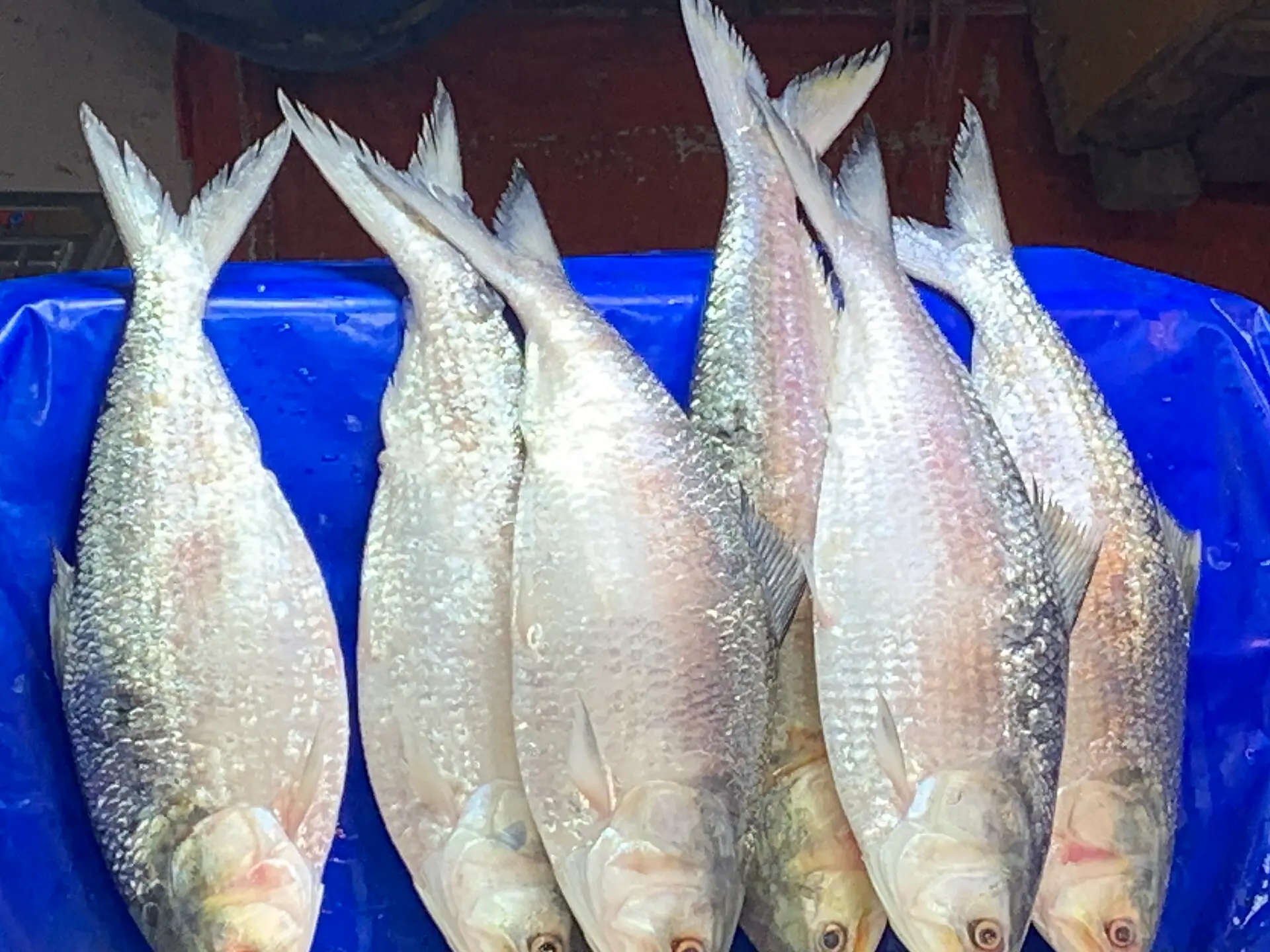)
Indian importers urge Bangladesh to lift export ban on 'Hilsa' fish ahead of Durga Puja
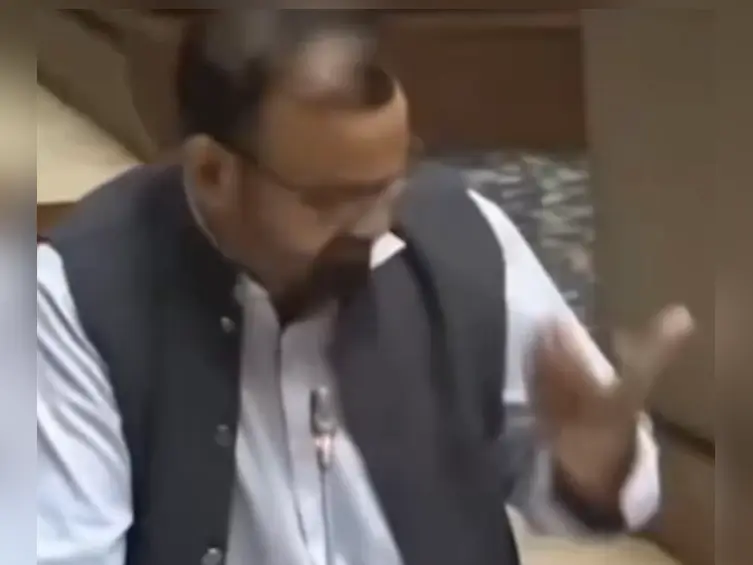)
Video of Pakistani lawmaker struggling to read English tribute to Jinnah goes viral - WATCH
)
Did China give Iran intel before US base strike that killed 3 troops? Trump says, 'You’re right...'
)
Meghan Markle shares first glimpse of family life with Prince Harry and children in UK
)
Crude oil prices jump more than $107 per barrel following Houthi attacks on Saudi
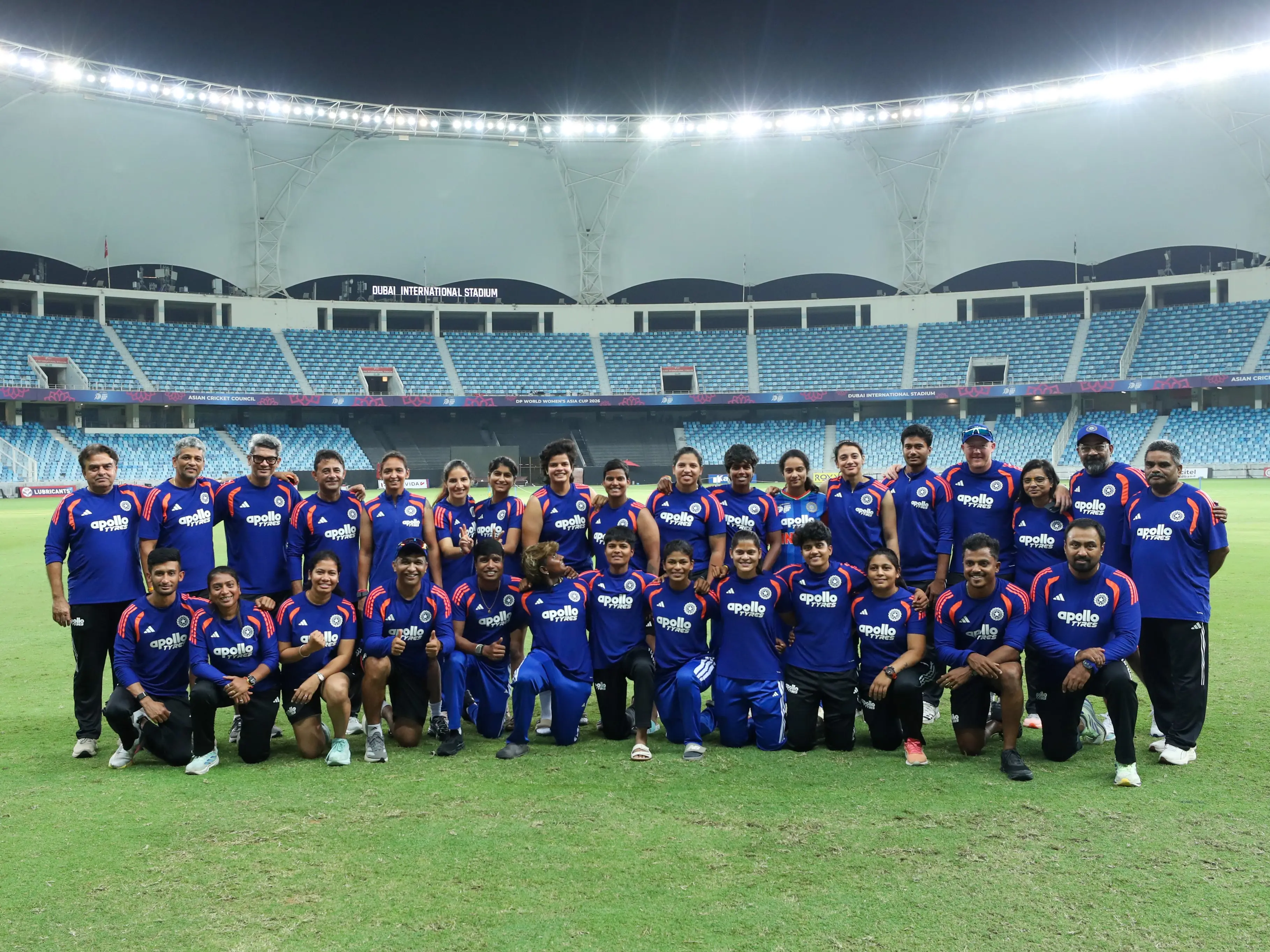)
Women's Asia Cup 2026: India denied trophy once again despite winning the title
)
Humans may lose control of AI: Anthropic CEO calls for slowdown, Altman, Musk back him
Wael Hamed:The crisis between Ukraine and Russia has led to drastic increases in the prices of wheat internationally. Egypt has traditionally been one of the largest importers of wheat at the international level. Maybe until last year, we were the largest importer, this year we may be 2nd or the 3rd largest importer in the world. India at the same time is one of the largest producers. It hasn't been big country when it comes to exports of wheat so far, but it seems India has been willing to go into export market of wheat and Egypt being one of the largest importers of wheat, definitely Egypt is very much interested in building relations with India.
WION:A team from Egypt was in India regarding this...
Wael Hamed:Yes, they actually visited many places. They stayed here; they came last week. They stayed here for something 4-5 days. Very hectic 4-5 days. Indian side prepared an extensive program for them. They were able to inspect, have a look at fields, look at production in India also, at the labs in which wheat is being analysed for its nutrients and the quality of the wheat India is producing. The purpose of the visit basically is to gather as much information as possible on Indian Wheat and how good and adequate it is for the Egyptian market so as to make sure it is the kind of wheat we want to provide to our citizens. Wheat is a strategic commodity and every country puts its own standards for wheat and this was the main purpose for the visit of our experts last week.
WION:When will the export from India to Egypt start, and any quantity you looking at?
Wael Hamed:Our production is normally around 9 million tonnes but our consumption is 21-22 million tonnes a year, this means we import 12-13 million tonnes every year. It is very difficult to imagine that India will be willing to export that much. That anyone country can fulfil that gap, the 9 million tonnes Egypt produces and approximately 22 million tonnes we consume. So far there haven't been any commercial discussions that I know of. All that happened so far is that Egyptian experts were here, they actually find Indian Wheat is good enough to be imported into Egypt. In what quantities, by when, by whom henceforth, it will be subject to commercial discussion that will come at a later stage.
WION:Indian Trade minister Goyal talked about his meeting with the Egyptian minister in Dubai and the process started...If you can talk about that, a chit was exchanged
Wael Hamed:Before taking a call that was that important, that strategic of adding one country to the list of certified exporters of wheat to Egypt, a lot of communication and lot of interaction and meetings take place because this is really a big call. I am sure, that many such meetings took place, and you rightly mentioned the meeting of your minister of commerce and our minister and they actually discussed but there have been numerous discussions on the issue, even before this meeting in Dubai. My understanding is that many of the contacts took place even before the meeting took place between the 2 trade ministers in Dubai. The main result is we received the Egyptian experts last week and that we are here already discussing the possibility of in the future importing wheat from India.
WION:Are there other countries from where Egypt is importing wheat? and do you think India can full fill the need of the world, in terms of wheat amid the ongoing conflict?
Wael Hamed:Egypt has been traditionally importing wheat from other countries, we have been traditionally importing from Russia and Ukraine something like 80% of our yearly needs, and this is the reason behind the problem we are in now, the shortage we are facing. But we have also been importing from other countries, including France, Romania, the US, Argentina and other countries as well. We have traditionally been, an important importer of wheat and one good thing about being an importer is that you sometimes have the ability to impact the international prices. When you are a big importer, you are a price setter, this gives an ability to have communication with several countries that export wheat and also have our input. When it comes to India when I was speaking on production, our production is 9 million tonnes and we import 12 million tonnes to fill in the gap, that is 22 million tons. India produces approximately 110 million tonnes and consumes something like 105-103 million tonnes. The surplus that India has, is good to have a surplus but I am not sure whether the kind of surplus India has can actually make a big difference in the international market or not. We hope it will, everyone in the world needs to see the global supply chain of major agriculture products coming back to normal and back to stability. I hope India can open this.
WION:How has the Russian invasion of Ukraine impacted the wheat prices?
Wael Hamed:Everybody has been noticing this. Prices have risen to an unprecedented level, in the past I think one ton of wheat used to be around $380, now we see prices as high as $500. This is very big increase, because Russia was the number one wheat producer at the international level and Ukraine comes at number 4 or 5. Both of them together account for a big share of the market. The market has been for sure impacted and when I say Egypt is price setter, this doesn't mean that Egypt is the only country that has an influence on price. It means, that we as one of the biggest buyers have an influence. That when Egypt comes into the market, the price has to respond in a certain way, that is different when other smaller buyers come into the market and try to behave in this way or that way. A big importer and exporter are important when it comes to price mechanism of wheat in international affairs.
WION:How do you see ties between the two countries?
Wael Hamed:I hope what we can expect in the coming period is an intensification of the relationship between Egypt and India. Not only in terms of economic interaction, and trade just like wheat which is very important and adds to the strategic relationship between the 2 countries, because this is actually a very strategic commodity. But also, in terms of exchange at a higher level. As you might know, we very expecting the visit of his excellency PM Modi to Egypt in 2020, unfortunately, the visit did not take place but we are still hopeful this will be able to take place sometime this year. When it comes to relationships, both countries have enormous horizons and potential. If we put our hands together, we can make benefit both countries.
WATCH | Egypt to import a million tons of Indian wheat amid shortage due to Russia-Ukraine war