Indian passports are travel documents, not proof of citizenship, law states

&imwidth=600&imheight=450&format=webp&quality=medium "Indian passports are travel documents, not proof of citizenship, law states")
Photograph: (AFP)
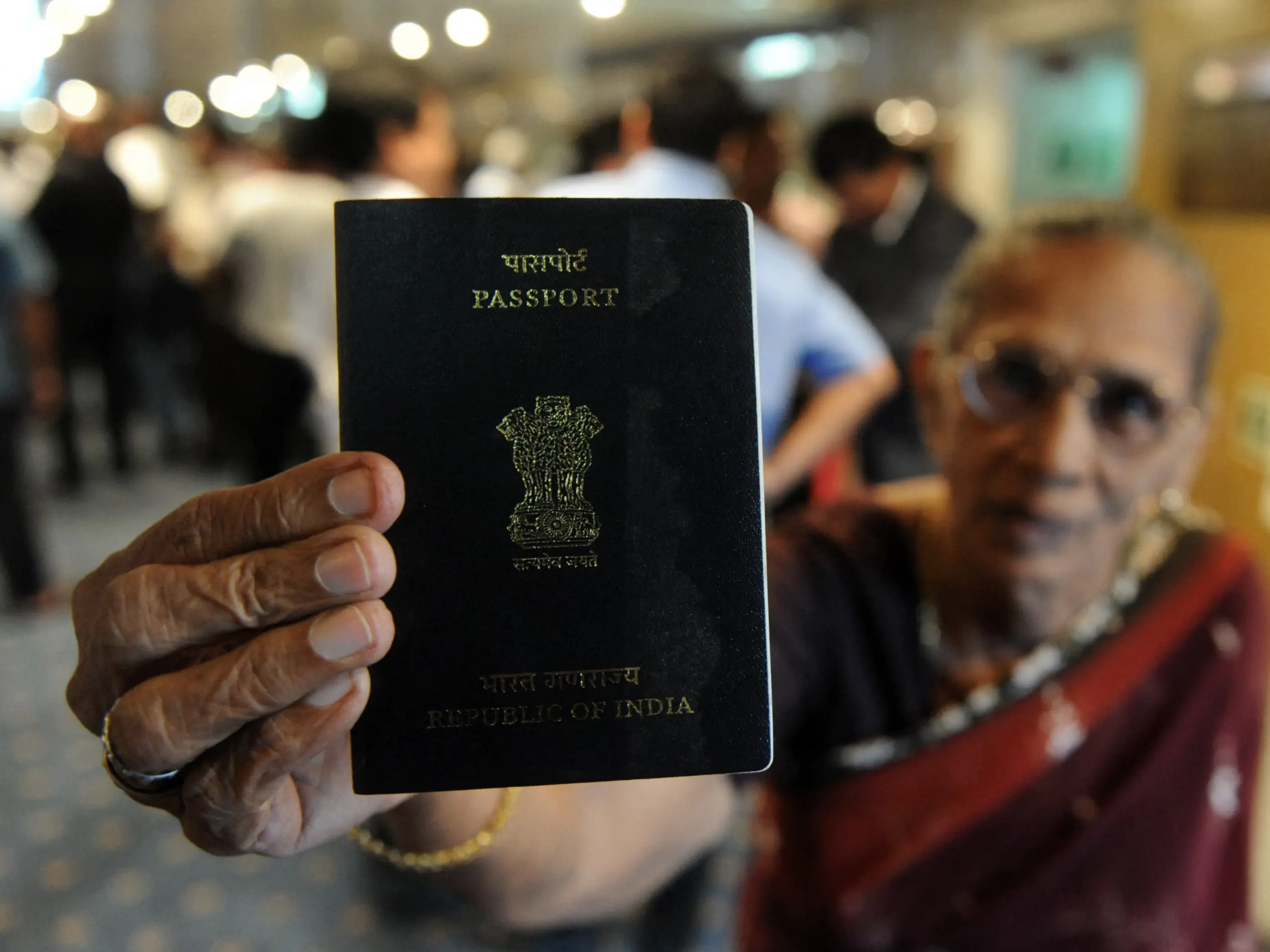
Government guidelines state that passports primarily serve as identity and travel documents, while Section 20 of the Passports Act, 1967, allows the government to issue them to non-citizens in specific cases under the supervision of senior MEA officials.
India's Ministry of External Affairs (MEA) has emphasised that an Indian passport serves primarily as a travel and identity document, rather than definitive proof of citizenship, something that has sparked a debate. But traditionally, the Indian government sees passport documents as travel documents and not proof of citizenship.
Section 20 of the Passports Act explicitly allows the government to issue passports or travel documents to non-citizens: "Notwithstanding anything contained in the foregoing provisions relating to issue of a passport or travel document, the Central Government may issue, or cause to be issued, a passport or travel document to a person who is not a citizen of India if that Government is of the opinion that it is necessary so to do in the public interest."
Government guidelines reinforce this. "A passport is largely an identity and travel document issued to the State's own nationals," the passport manual states. "Under Section 20 of the Passports Act, 1967, Indian passports/travel documents may be issued to non-nationals." This power is exercised only by senior officials in the MEA, with safeguards.
Citizenship itself is governed separately by the Citizenship Act, 1955, which lays down strict criteria for acquisition and loss of Indian nationality.
A recent Bombay High Court ruling illustrates the point. In Babu Abdul Ruf Sardar v. State of Maharashtra (August 2025), Justice Amit Borkar rejected bail for an alleged Bangladeshi national accused of illegal entry and obtaining documents through forgery.
Trending Stories
&imwidth=280&imheight=210&format=webp&quality=medium)
&imwidth=280&imheight=210&format=webp&quality=medium)
&imwidth=280&imheight=210&format=webp&quality=medium)
&imwidth=280&imheight=210&format=webp&quality=medium)
&imwidth=280&imheight=210&format=webp&quality=medium)
&im=FitAndFill=(700,400)&imwidth=280&imheight=210&format=webp&quality=medium)
&imwidth=280&imheight=210&format=webp&quality=medium)
&imwidth=280&imheight=210&format=webp&quality=medium)
&imwidth=280&imheight=210&format=webp&quality=medium)
&imwidth=280&imheight=210&format=webp&quality=medium)
&imwidth=280&imheight=210&format=webp&quality=medium)
&imwidth=280&imheight=210&format=webp&quality=medium)
&im=FitAndFill=(700,400)&imwidth=280&imheight=210&format=webp&quality=medium)
&imwidth=280&imheight=210&format=webp&quality=medium)
&imwidth=280&imheight=210&format=webp&quality=medium)
&imwidth=280&imheight=210&format=webp&quality=medium)
&imwidth=280&imheight=210&format=webp&quality=medium)
&im=FitAndFill=(700,400)&imwidth=280&imheight=210&format=webp&quality=medium)
&im=FitAndFill=(700,400)&imwidth=280&imheight=210&format=webp&quality=medium)
&imwidth=280&imheight=210&format=webp&quality=medium)
&imwidth=280&imheight=210&format=webp&quality=medium)
&imwidth=280&imheight=210&format=webp&quality=medium)
&imwidth=280&imheight=210&format=webp&quality=medium)
&imwidth=280&imheight=210&format=webp&quality=medium)
&imwidth=280&imheight=210&format=webp&quality=medium)
&imwidth=280&imheight=210&format=webp&quality=medium)
&im=FitAndFill=(700,400)&imwidth=280&imheight=210&format=webp&quality=medium)
&imwidth=280&imheight=210&format=webp&quality=medium)
&imwidth=280&imheight=210&format=webp&quality=medium)
&imwidth=280&imheight=210&format=webp&quality=medium)
&imwidth=280&imheight=210&format=webp&quality=medium)
&imwidth=280&imheight=210&format=webp&quality=medium)
&imwidth=280&imheight=210&format=webp&quality=medium)
The court held: "In my opinion, the Citizenship Act, 1955, is the main and controlling law for deciding questions about nationality in India today. This is the statute that lays down who can be a citizen, how citizenship can be acquired, and in what situations it can be lost. Merely having documents such as an Aadhaar Card, PAN Card, or Voter ID does not, by itself, make someone a citizen of India".
Adding, "These documents are meant for identification or availing services, but they do not override the basic legal requirements of citizenship as prescribed in the Act."
The judgment further noted the distinction between citizens and illegal migrants, and stressed that unverified identity documents cannot establish citizenship amid serious allegations: "The applicant has failed to produce any document duly verified... that could conclusively establish his Indian citizenship."
This legal framework reflects international norms. Passports facilitate cross-border movement and consular protection but do not equate to citizenship determination, which involves deeper evidentiary processes like birth records, parental nationality, or naturalisation.