
&imwidth=800&imheight=600&format=webp&quality=medium "India must find its own path, not copy China, says General Atlantic Co-President Martin Escobari")
General Atlantic Co-President Martin Escobari emphasised that India must find its own development path, and investors must be patient. He made the remarks while responding to a question from Zerodha co-founder Nikhil Kamath on the lessons that India could draw from China's rise.
Having invested over $5 billion in India, Escobari reflected on a visit to China years ago when its GDP was only about 20 per cent larger than Brazil's."Today, it's 14 times bigger," he said, underscoring the remarkable transformation the country has achieved over 25 years.
When Kamath asked Escobari what drove China's rise, Escobari highlighted China's focus on the "industrialisation", infrastructure development, digital adoption and export-led manufacturing. Then Kamath added that another political advantage China had was that it enabled long-term strategies, allowing "40-year plans" rather than a shorter electoral cycle every four years.

On Kamath's response, Escobari agreed that India should not make everything a copy-paste of China's model. "Your solution is going to have to be more nuanced and more custom-made for India and the unique richness and traditions and complexities of your country," he said. However, Escobari also sounded bullish on the direction of travel. Looking at the growth trajectory of India, he said, "8 per cent is a lot. 8 per cent compounded over 10 years. So be patient with your country."
Attractive opportunities in Indian firms
Trending Stories
)
The Early Spring is proof not everyone can talk about their real feelings, and it is perfectly OK
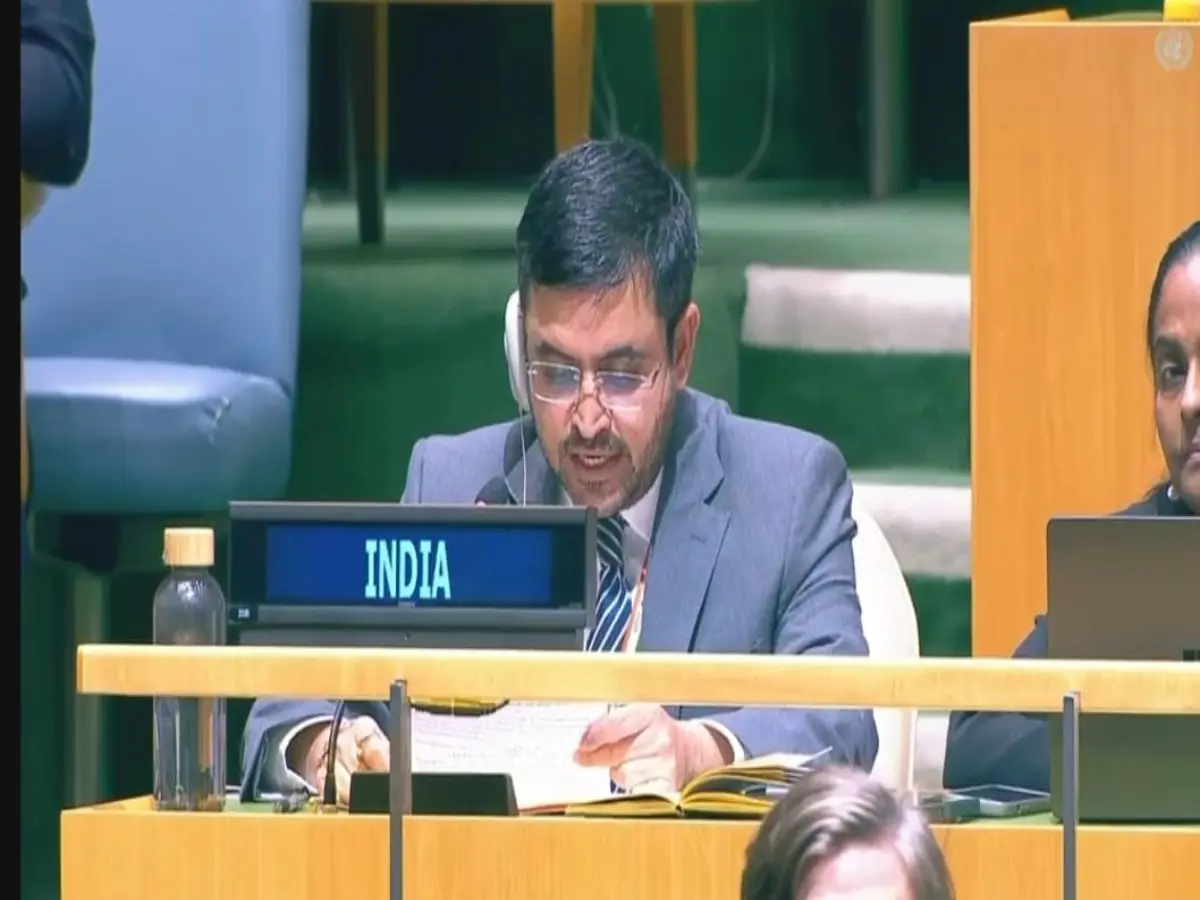)
UN votes to ‘correct the map’ as India backs fairer world view
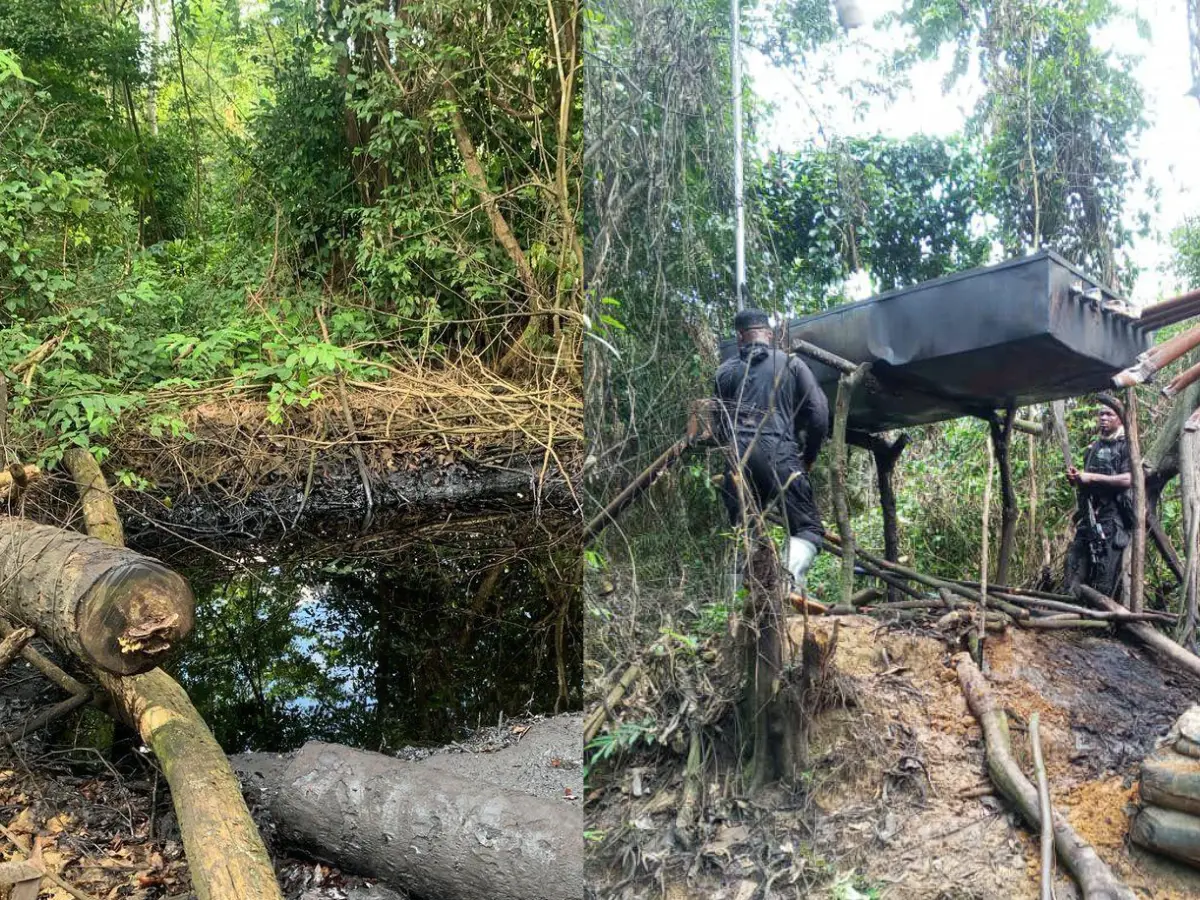)
Nigerian Navy discovers 99,000 litres of suspected stolen, illegally refined products as it intensifies anti-crude oil theft operations
)
Who is Aditi Paudel? 17-year-old becomes Japan's first literacy ambassador
)
Bengaluru: Officials find 40 kg expired chilli at chairman's club
)
Jaishankar rejects trade link to ending Ukraine war
)
Israeli strikes on Lebanon kill three, injure 23 despite truce
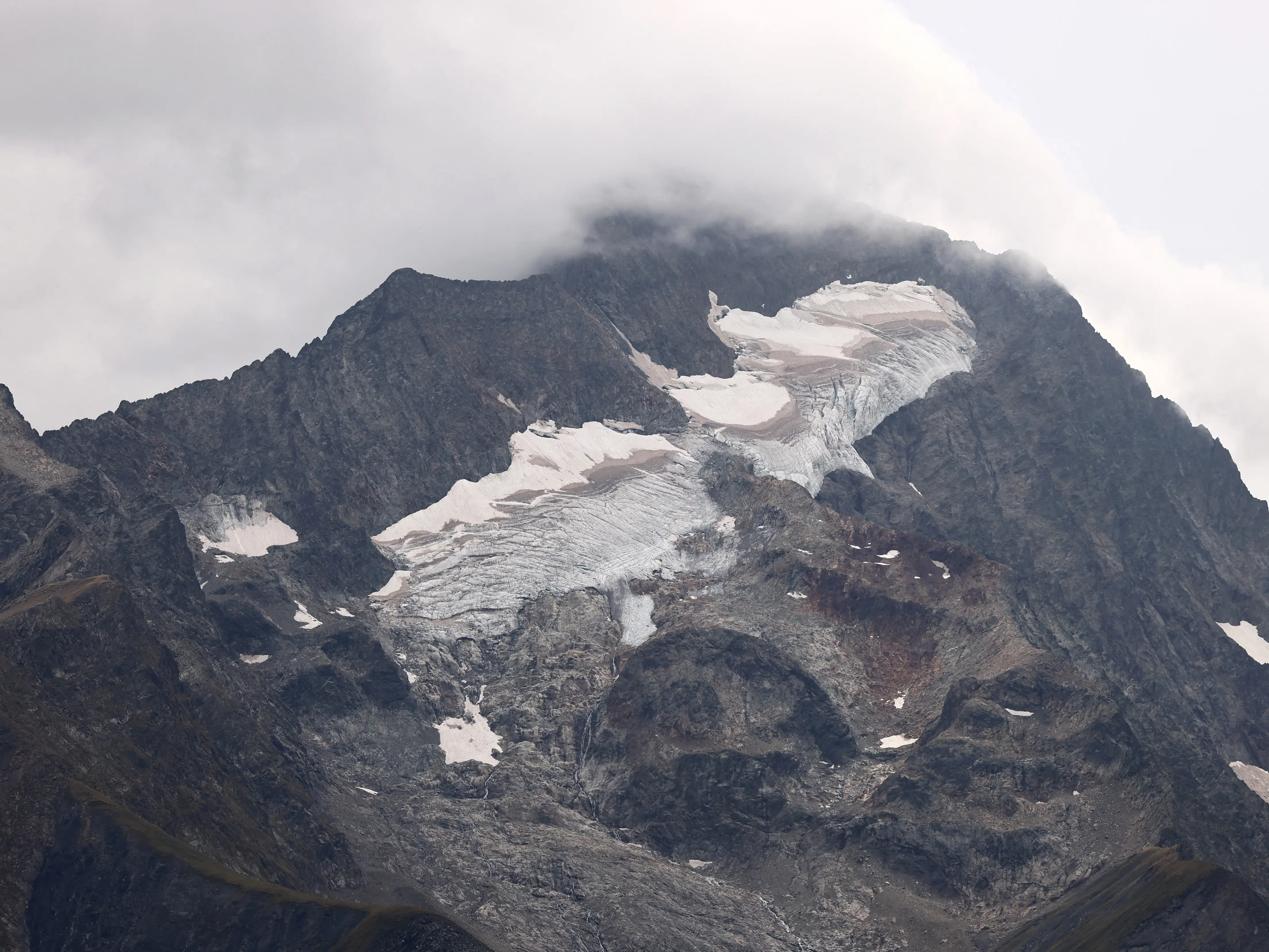)
Alpine glacier was covered with sheep wool sheets to prevent melting. It worked
)
South Korea mulls deploying military assets to Strait of Hormuz
)
World's fifth-largest economy, British army can't afford to train
)
Breaking | Vance takes the podium: First White House briefing since Leavitt's exit
)
Taiwan raises 'concerns' over China's missile test
)
BRICS 2026: $1 trillion sovereign capital set to converge in Delhi for first iBRICS Summit
)
What is Iran's Pickaxe Mountain that Trump has again threatened to bomb?
)
UN votes to correct world map that visually shrank Africa for 450 years
)
Former NewJeans member Danielle launches YouTube channel, hints at new solo journey
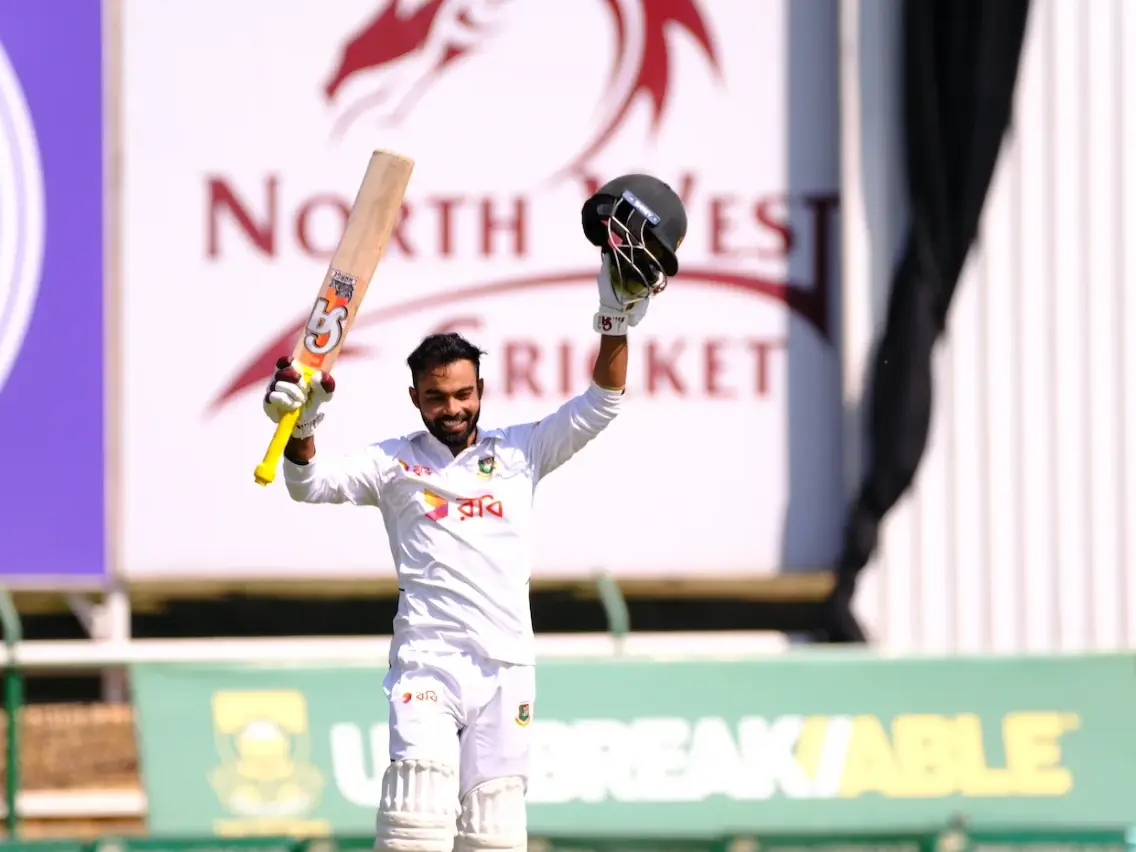)
Bangladesh batter Towhid Hridoy creates history with 350 not out in South Africa
)
Brendan Fraser’s transformation fuels The Mummy 4 excitement as fans welcome back Rick O’Connell
&im=FitAndFill=(700,400))
Krishna Janmashtami 2026: From Dhaniya Panjiri to Makhana Kheer- 5 best sweet dishes perfect for celebrating Lord Krishna’s birth
)
Donald Trump plans to travel to Ireland on Qatari-donated jet amid security concerns
)
Nazi-looted art to return to Jewish heirs
)
Eight killed in Kerala’s Thrissur after car rams into lorry parked on highway
&im=FitAndFill=(700,400))
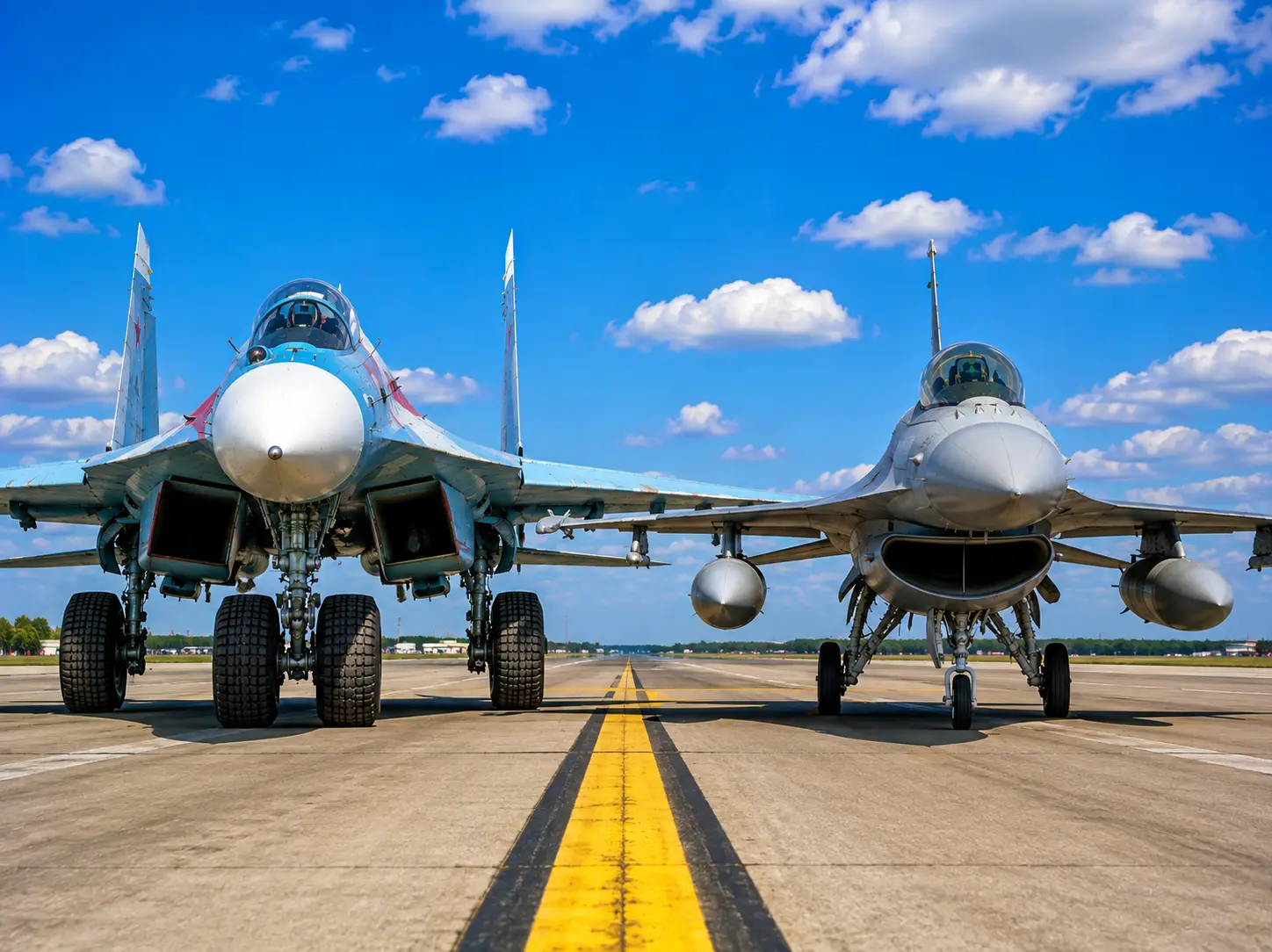
Why Russian fighter jets use bulky, low-pressure tyres compared to US jets
)
FBI-wanted fraud accused arrested in Jalandhar over $600,000 scam
&im=FitAndFill=(700,400))
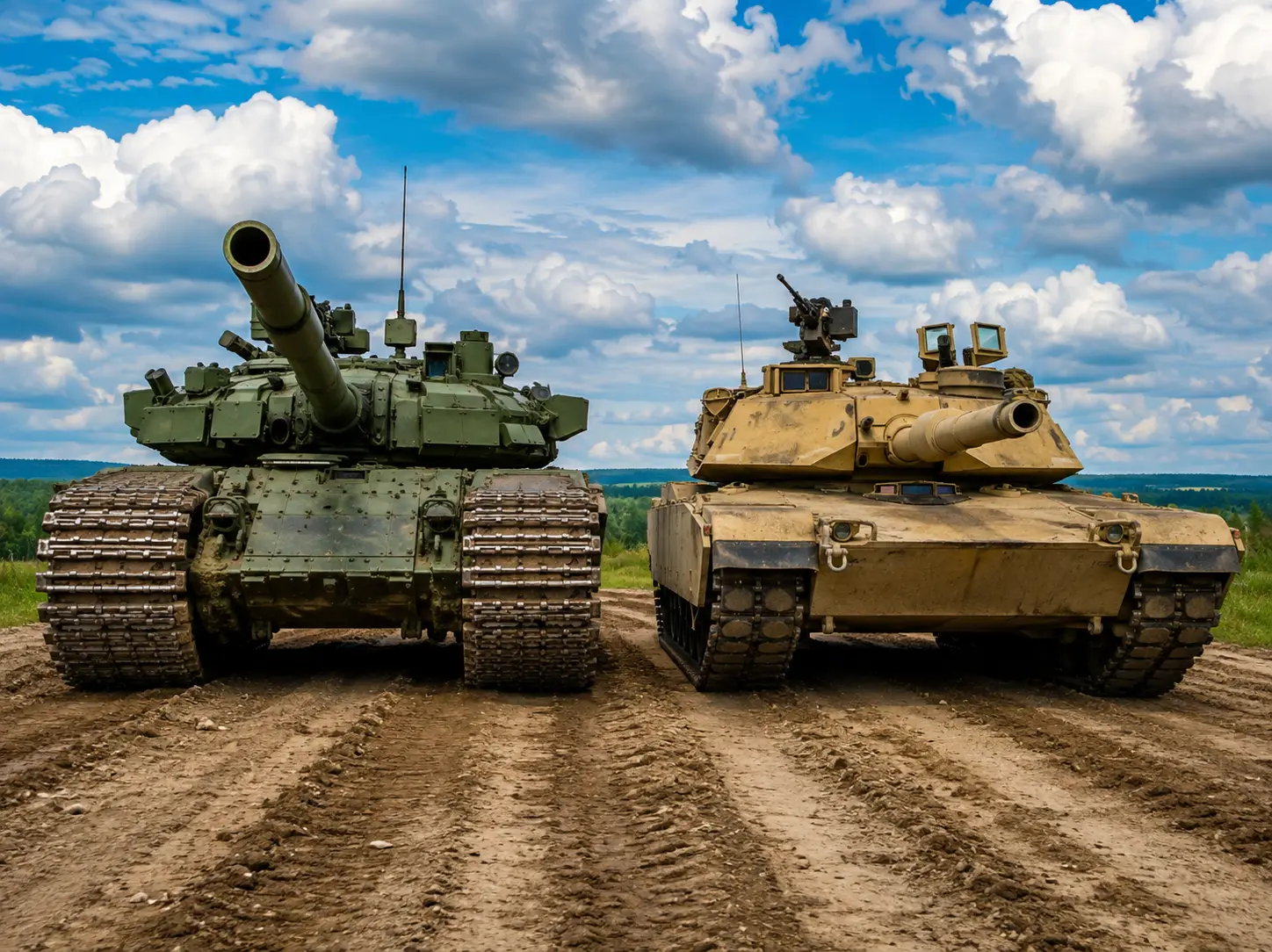
Why US tanks weigh over 20 tons more than Russian tanks
&im=FitAndFill=(700,400))
New Friday OTT releases (September 4, 2026): GDN, Dhamaal 4, Jagamae Sangeetham- Watch 6 new movies and TV shows on Netflix, Prime Video and more
)
Killing the Himalayas slowly: Human urine is melting a glacier on Mount Everest
Kamath said he remains fully optimistic about India, both because he built his wealth in the country and because he is confident that India's economy will eventually reach the $10 trillion mark. However, he cautioned that the milestone may not be achieved within the next five, eight or even 10 years. He also revealed that he is diversifying his portfolio with a greater focus on sectors such as IT services and banking.
Acknowledging that investing in IT services firms may appear unconventional in an era increasingly shaped by artificial intelligence, Kamath argued that Indian companies with strong competitive advantages and valuations in the range of 12 to 15 times earnings continue to offer attractive opportunities. The discussion then shifted to a long-standing question facing India's startup ecosystem: why the country has yet to create a globally dominant company of significant scale.
Escobari stated that it takes one pioneer to make the "role model effect". "It can be done. There's access to capital. There is unfair access to human capital that is AI-trained at the right time. You need the courage to do what has never been done before," he said.
Escobari said that once an Indian company successfully break through globally, it could inspire and encourage many others to follow a similar path. However, he also highlighted what he described as India's unique paradox. While a domestic market of 1.3 billion people offers enormous opportunities, it can also act as a trap. Escobari called it the "curse of a domestic market" as companies can become too comfortable helping India solely.
"It is uncomfortable to go to a new country, build a multi-country team and get out of the comfort zone," he said. He also noted that even conquering India is not like conquering one nation. "The diversity in your country is beyond comprehension to anyone who hasn't travelled to your country. It's not one country. It's an amalgamation of civilisations."

