India Independence: Diaspora power - From remittances to diplomacy, overseas Indians script India's success story

India Independence: Diaspora power - From remittances to diplomacy, overseas Indians script India's success story
Earlier this year, when India was battling a "once-in-a-century crisis" in the form of the second wave of COVID-19 pandemic, two aid groups in the US—led by people of Indian origin—raised more than $25 million towards assisting the country's strained health care system.
In the UK, three Hindu temples raised more than 6,00,000 pounds ($8,30,000). Sikhs, similarly, donated $700-$2,000 to each of dozens of people in need of oxygen cylinders back home.
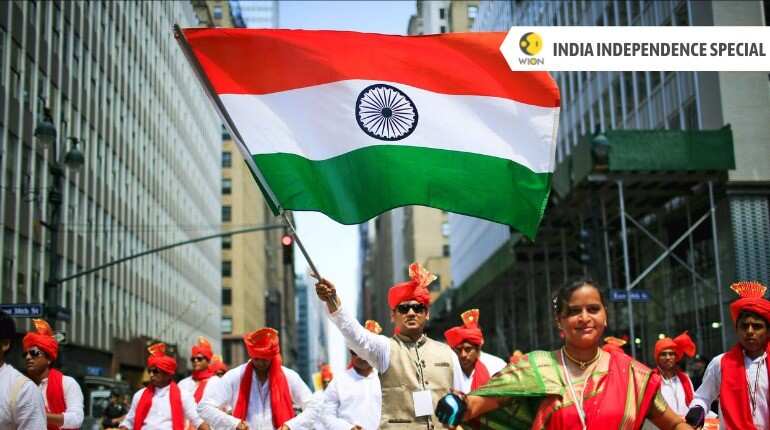
For decades now, India's large and vibrant diaspora has been leveraging its wealth, political clout and expertise to steer the country's economic growth, while seamlessly integrating with the countries of their adoption.

The largest expat community in the world, nearly 18 million Indians are living outside their homeland as of 2020, according to the United Nations, with United Arab Emirates (UAE), the US and Saudi Arabia hosting the largest Indian diaspora populations. India has also retained its position as the largest recipient of remittances- money transfers from non-resident Indians (NRIs) and People of Indian Origin (PIOs) employed outside the country to family, friends or relatives living in India
According to aWorld Bank report, India's remittances in 2020 reached over $83 billion, despite a pandemic that pushed global economic growth off its course. The country had received $83.3 billion in remittances in 2019.
In contrast, China—which ranks second—received $59.5 billion in remittances in 2020 against $68.3 billion the previous year.
&im=FitAndFill=(700,400)&imwidth=180&imheight=135&format=webp&quality=medium)
What is the real meaning behind Pete Hegseth's tattoos?
&imwidth=180&imheight=135&format=webp&quality=medium)
Zohran Mamdani's Garba dance goes viral as he joins Indian community's Navratri celebrations | WATCH
&imwidth=180&imheight=135&format=webp&quality=medium)
Rafale Marine fighter begins flight trials in Goa ahead of Indian Navy induction
&imwidth=180&imheight=135&format=webp&quality=medium)
SBI confirms data breach: 3,897 records flagged on dark web. Is your money safe?
&imwidth=180&imheight=135&format=webp&quality=medium)
India to develop first indigenous aviation gun for Prachand, Rudra attack helicopters, SSS Defence CEO confirms
&imwidth=180&imheight=135&format=webp&quality=medium)
Man marries off wife of 17 years to her lover in Uttar Pradesh
&imwidth=180&imheight=135&format=webp&quality=medium)
Boeing 737 MAX10 gets FAA certification, deliveries expected to begin in 2027
&imwidth=180&imheight=135&format=webp&quality=medium)
Shastri backs Shami comeback; lauds Bhuvi and warns Bumrah on format workload ahead of World Cup
&imwidth=180&imheight=135&format=webp&quality=medium)
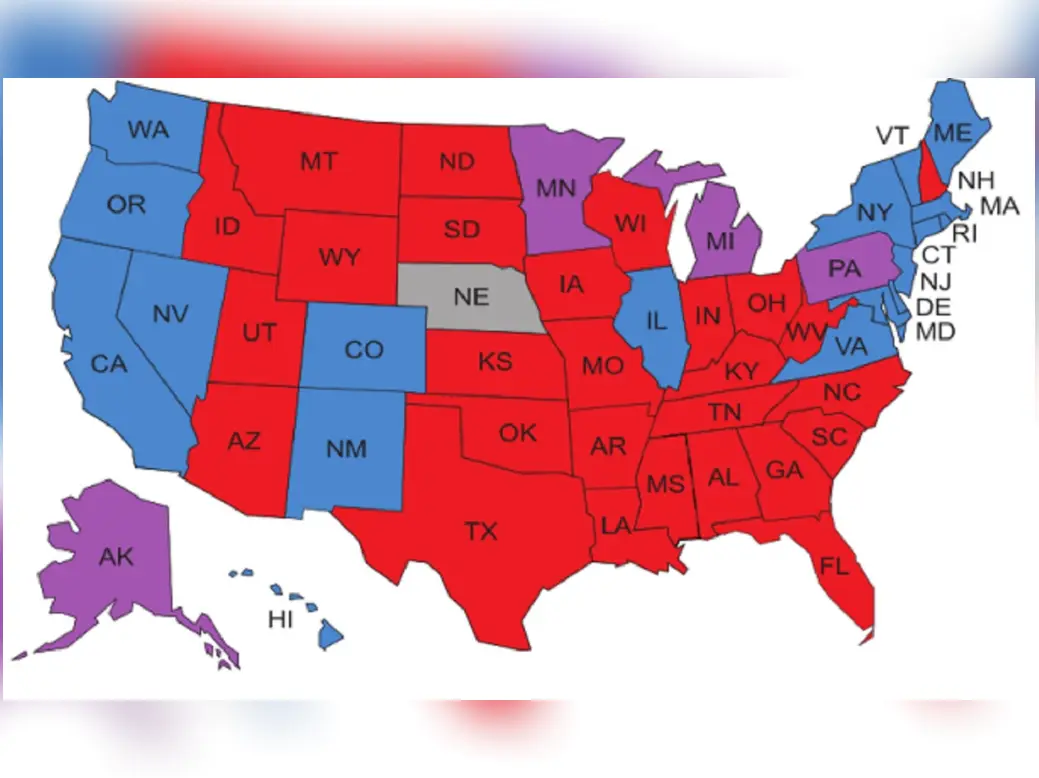
US midterms 2026: Red seats once deemed safe now appear shaky as Republicans spend big on ads
&imwidth=180&imheight=135&format=webp&quality=medium)
'Tap dancing through a minefield': Musk backs SpaceX-Tesla merger as AI boom fuels rocket firm's first profit
&imwidth=180&imheight=135&format=webp&quality=medium)
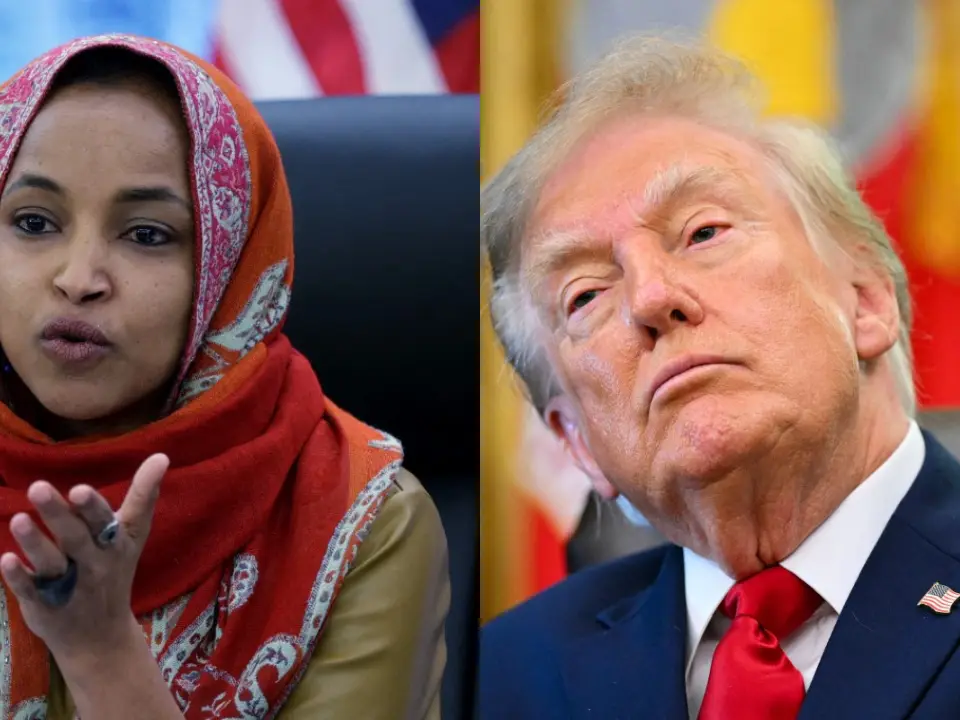
Trump says Ilhan Omar 'could go to jail' amid federal probe, calls Somalia a 's***house'
&imwidth=180&imheight=135&format=webp&quality=medium)
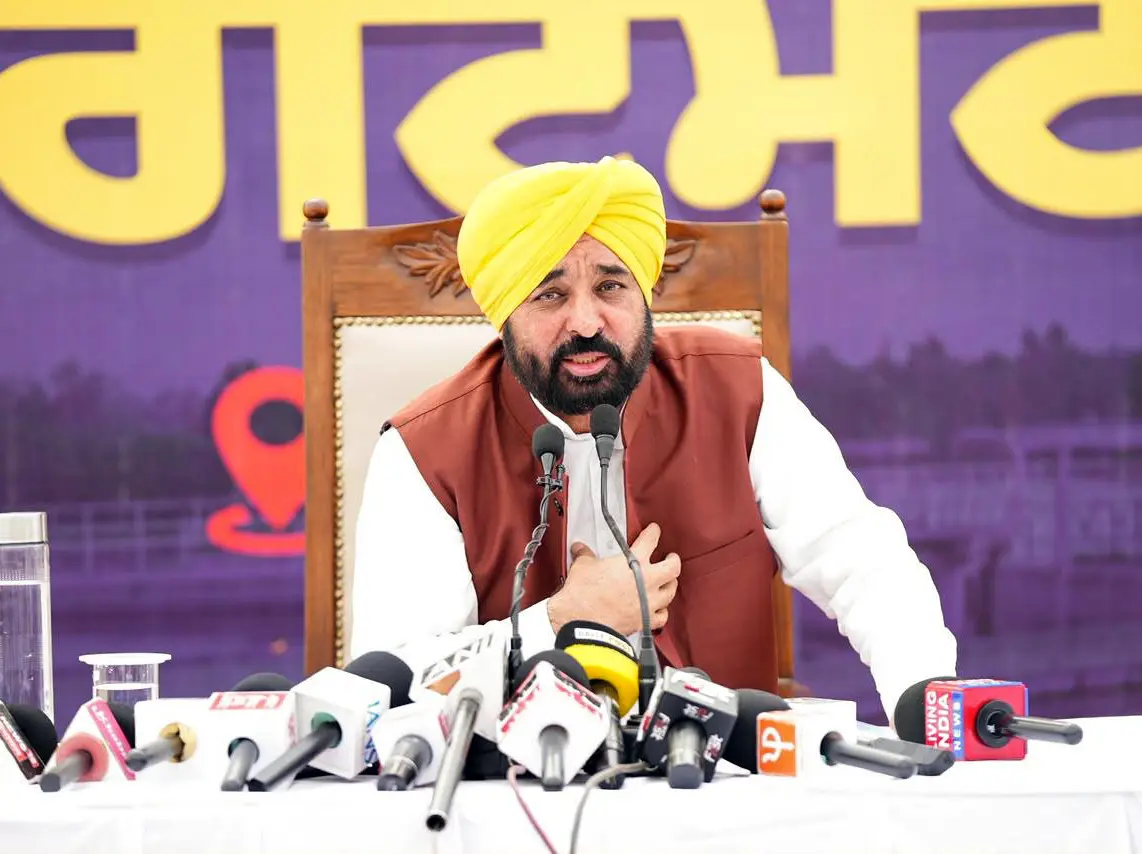
Punjab CM Bhagwant Mann allegedly detained for three hours at Delhi airport, fined ₹50,000: AAP
&imwidth=180&imheight=135&format=webp&quality=medium)
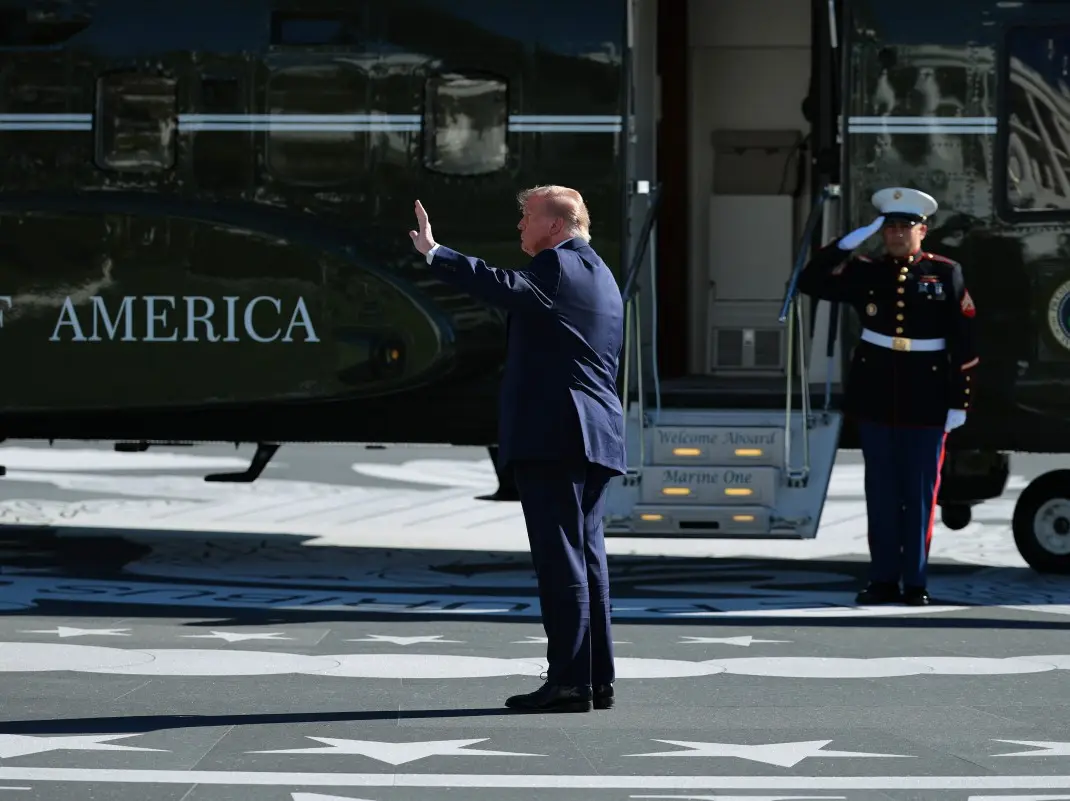
Trump waves at 'empty space' in viral video,' critics claim 'mental decline getting worse' | WATCH
&imwidth=180&imheight=135&format=webp&quality=medium)
What the Mecca Joint Defence Agreement says about withdrawal and military support. Read full text of the pact here
&imwidth=180&imheight=135&format=webp&quality=medium)
IND vs NZ T20Is: Will Sooryavanshi play? Skipper Shreyas Iyer clears the air on Samson vs Vaibhav debate
&imwidth=180&imheight=135&format=webp&quality=medium)
'You are not Gen Z': Delhi HC pulls up CJP's Das, Ranka over bail bond breach after Jantar Mantar trespass
&imwidth=180&imheight=135&format=webp&quality=medium)
India vs New Zealand T20I Series 2026: Complete schedule, match timings, squads and live streaming details
&imwidth=180&imheight=135&format=webp&quality=medium)
Trump considers removing White House press corps to restore historic indoor swimming pool
&imwidth=180&imheight=135&format=webp&quality=medium)
Ukrainian soldier rescued by a drone chopped off own leg while hiding for 491 days
&imwidth=180&imheight=135&format=webp&quality=medium)
US-Iran war | Tehran: Must end port blockade, oil sanctions and regional attacks
&im=FitAndFill=(700,400)&imwidth=180&imheight=135&format=webp&quality=medium)
Priyanka Chopra to Shilpa Shetty: 6 Bollywood actresses and their fitness secrets
&imwidth=180&imheight=135&format=webp&quality=medium)
Pujara says 'Samson and Vaibhav cannot be in Playing XI' for India on NZ tour
&imwidth=180&imheight=135&format=webp&quality=medium)
'What's wrong with you? Are you a sick person?': Trump at it again as he snaps at reporters, faces backlash
&imwidth=180&imheight=135&format=webp&quality=medium)
US Midterms 2026 and money: From Bloomberg to Musk, corporate donors, super PACs and lobbies, it's all about the cash
&imwidth=180&imheight=135&format=webp&quality=medium)
‘Even legends can fall ill’: Badshah, Anupam Kher and other stars defend Daler Mehndi after Uttarakhand stage controversy
&imwidth=180&imheight=135&format=webp&quality=medium)
'UN experts is an oxymoron': Rubio mocks UN over India protests criticism, refuses to comment on India's internal matter
&im=FitAndFill=(700,400)&imwidth=180&imheight=135&format=webp&quality=medium)
New OTT releases this week (October 19-25, 2026): Gajab Raat to Chaar Yaar-8 titles to watch during Dussehra week on Netflix, Prime Video and more
&imwidth=180&imheight=135&format=webp&quality=medium)
Ukrainian drone airlifts wounded soldier in what is likely a world first
&imwidth=180&imheight=135&format=webp&quality=medium)
The Verdict | Trump, Putin and Xi: A superpower triangle that could reshape global diplomacy
&imwidth=180&imheight=135&format=webp&quality=medium)
India moves to buy 10,000 more AI chips for a national compute pool open to startups
&imwidth=180&imheight=135&format=webp&quality=medium)
'They are not even telling us' - Mysterious metallic object discovered in Minnesota field
&imwidth=180&imheight=135&format=webp&quality=medium)
Hunger makes alcohol more appealing, study finds
&imwidth=180&imheight=135&format=webp&quality=medium)
Cattle-feed bran in biscuits, detergent in milk: FSSAI acts against 3 companies
&imwidth=180&imheight=135&format=webp&quality=medium)
US midterms 2026: With Republicans spending big, Bloomberg opens his wallet for Democrats. Here's how much he is pouring
&imwidth=180&imheight=135&format=webp&quality=medium)
Iran rejects US talks until demands are met, rules out moving enriched uranium out of the country
&imwidth=180&imheight=135&format=webp&quality=medium)
Feds obtain DNA evidence that could prove Ilhan Omar married her brother: Report
&imwidth=180&imheight=135&format=webp&quality=medium)
Ramayana advance booking: Ranbir Kapoor, Yash's film cross $500K ahead of Diwali release
&imwidth=180&imheight=135&format=webp&quality=medium)
French military plane crashes in northeast France, one dead
&imwidth=180&imheight=135&format=webp&quality=medium)
Delhi HC agrees to hear Neha Bora's plea against 'maintain peace' directive on 'urgent basis'

India’s large diaspora is distributed across a number of major countries, with the UAE (3.5 million), the US (2.7 million) and Saudi Arabia (2.5 million) hosting the largest numbers of migrants from the South Asian nation.
"In whichever part of the world Indians went, they not only retained their Indianness but also integrated the lifestyle of that nation," Prime Minister Narendra Modi had said in 2018 at the Pravasi Bhartiya Divas, the government-run convention for expatriate outreach. He called the diaspora "true and permanent ambassadors" of the country.
Apart from promoting and upholding the rich Indian culture and interests on foreign lands, the diaspora has also emerged as a soft power asset in New Delhi's scheme of things.

Yoga diplomacy
Yoga has contributed proactively towards bolstering India's image as a spiritual superpower. Ever since the United Nations announced June 21 as the 'International Day of Yoga', mass yoga practices and awareness camps have become prevalent across the global capitals, with the Indian missions proactively promoting the ancient science, that integrates physical and spiritual disciplines. Indian yoga instructors and practitioners abroad have played a key role over decades in popularising the ancient practice abroad.
From government to Google
The story of Kamala Harris ascending to the vice presidency also emerged simultaneously with the rise in her popularity among the large Indian diaspora in the US, which proudly embraced her Tamil roots.
Similarly, the ancestors of Mauritian Prime Minister Pravind Jugnauth, son of former PM Anerood Jugnauth, had migrated to the island-nation from the Indian state of Uttar Pradesh, while the South American country of Suriname has Indian-origin Chandrikapersad (Chan) Santokhi as its president.
Silicon Valley—the home of several big, innovative US tech companies—now hosts the highest concentration of Indian-Americans. From Google's Sundar Pichai to Microsoft's Satya Nadella and Adobe's Shantanu Narayen, Indian-Americans have risen up to occupy the high positions at global tech companies, and continue to take giant strides in the banking, finance and other sectors too.

Shaping policies
One of the richest minorities in many developed countries, the Indian diaspora, has, on several occasions, helped in lobbying for favourable terms regarding New Delhi's interests and exercising greater control over policy making. The presence of over 9.3 million expats across the several Gulf states has also helped India in buttressing its global image, amid New Delhi's growing strategic interests in West Asia. Indian nationals also make up the Gulf states' largest expatriate community, putting the diaspora at the centre of immigration and labour policy-making.
Cinema connect
The increase in the popularity of Indian films among the Indian diaspora community has also contributed to rekindling "Indianness" among this demographic. These cultural exports—many of which are increasingly portraying the diasporic Indian life—serve as a medium to explore a common bond among the strangers in another country.

As India enters her 75th year of independence, the Indian diaspora's role as a catalyst for economic and social development—both in the host country and the country of birth—remains noteworthy.
The largest transnational population is not just keeping the Indian values within itself alive, but also constituting the cog in the wheels of India's progress, from all the corners of the world.