India has been with Seychelles in good times and bad: President Danny Faure to WION

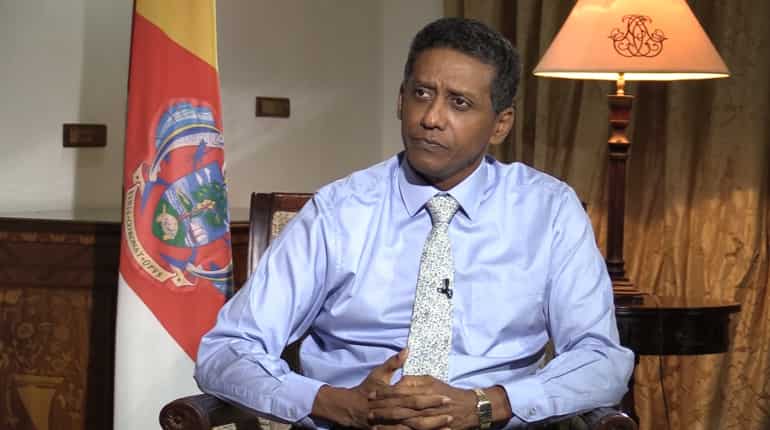
Seychelles President Danny Faure
This is a full transcript of WION's interview with Seychelles President Danny Faure. Faure was interviewed by WION's Amitabh Revi
Seychelles President Danny Faure is coming on a state visit to India. Before the visit begins later this month, he speaks to WION's Amitabh Pashupati Revi as part of our Global Leadership Series on the history of ties between India and the island nation, the strategic position of Seychelles in the Indian Ocean and how the ties between the two nations will move forward.
Here is the full transcript of the interview:
WION: Seychellois President Danny Faure was sworn in in October 2016. He also holds the Defence, Public Administration and Legal Affairs portfolios. He’s been a minister since 1998, oversaw IMF reforms, served as Vice President and is now warmly hosting us in Victoria, Mahe - at the state house in Seychelles.

President Faure: Thank you.
WION: The ties between India and Seychelles go way back to time when the immigrants had come in. So much has changed, but so much is still the same. In Indira Gandhi’s time, Rajiv Gandhi’s time two coups were probably foiled and now we are still moving forward. Prime Minister Modi and you will be meeting for the third time this year.
President Faure: Yes, and it’s a sign of the relationship that we have an excellent relationship - the ties between our two people, two governments. So this is it is in this context.
)
Emmys 2026: Matthew Rhys wins Best Actor twice, sets historic 78-year record
)
3 Italians fly from Delhi to Munich without immigration clearance; Air India gets notice on major security lapse
)
Did India risk its US trade deal despite softer stance at BRICS?
)
Pakistan puts Pak Rs 70 lakh bounty on UN terrorist Masood Azhar; move draws skepticism in Delhi
)
‘US ensuring global energy supplies’: Trump demands reimbursement for securing Strait of Hormuz
)
'Huge destructive power': North Korea calls its latest missile launches 'live-fire drill' even as US dismisses 'immediate threat'
)
‘Let’s go’: Newly declassified videos show dramatic rescue of US Air Force officers downed in Iran
)
Ukraine strikes Syzran Oil Refinery deep inside Russia, fires erupt
)
Emmy Awards 2026: Widow's Bay and The Pitt win in lead categories- check out the complete list of winners
&im=FitAndFill=(700,400))
Why European Meteor missiles use ramjet engines compared to standard US solid rockets
)
Iran, India agree to deepen humanitarian and political ties, President Pezeshkian says
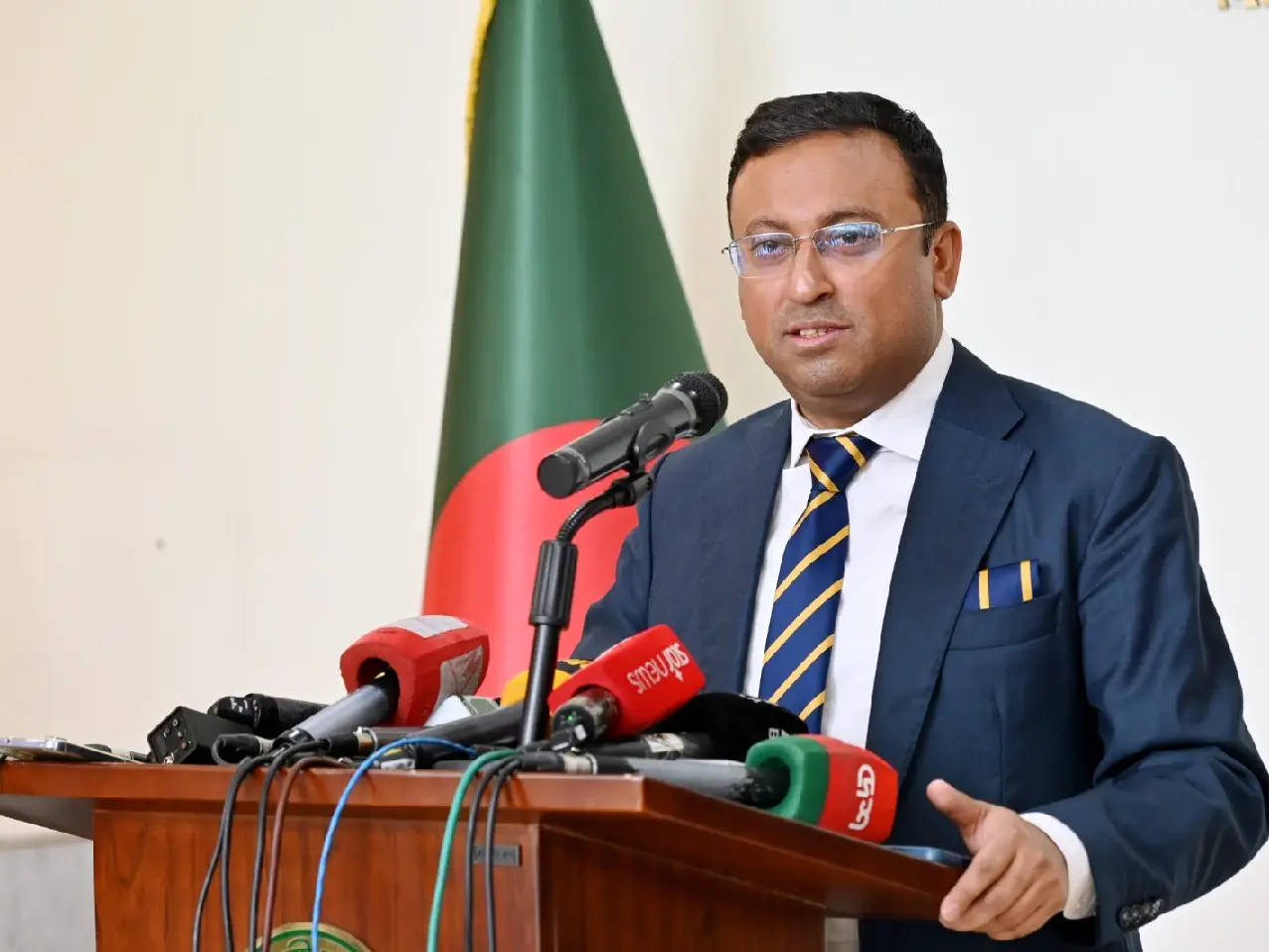)
‘Want to reset ties with India, have engagement based on mutual interests,’ says Bangladesh minister
&im=FitAndFill=(700,400))
Emmys 2026 Red Carpet: Zendaya, Nicole Kidman and Julia Garner lead the glamour peak
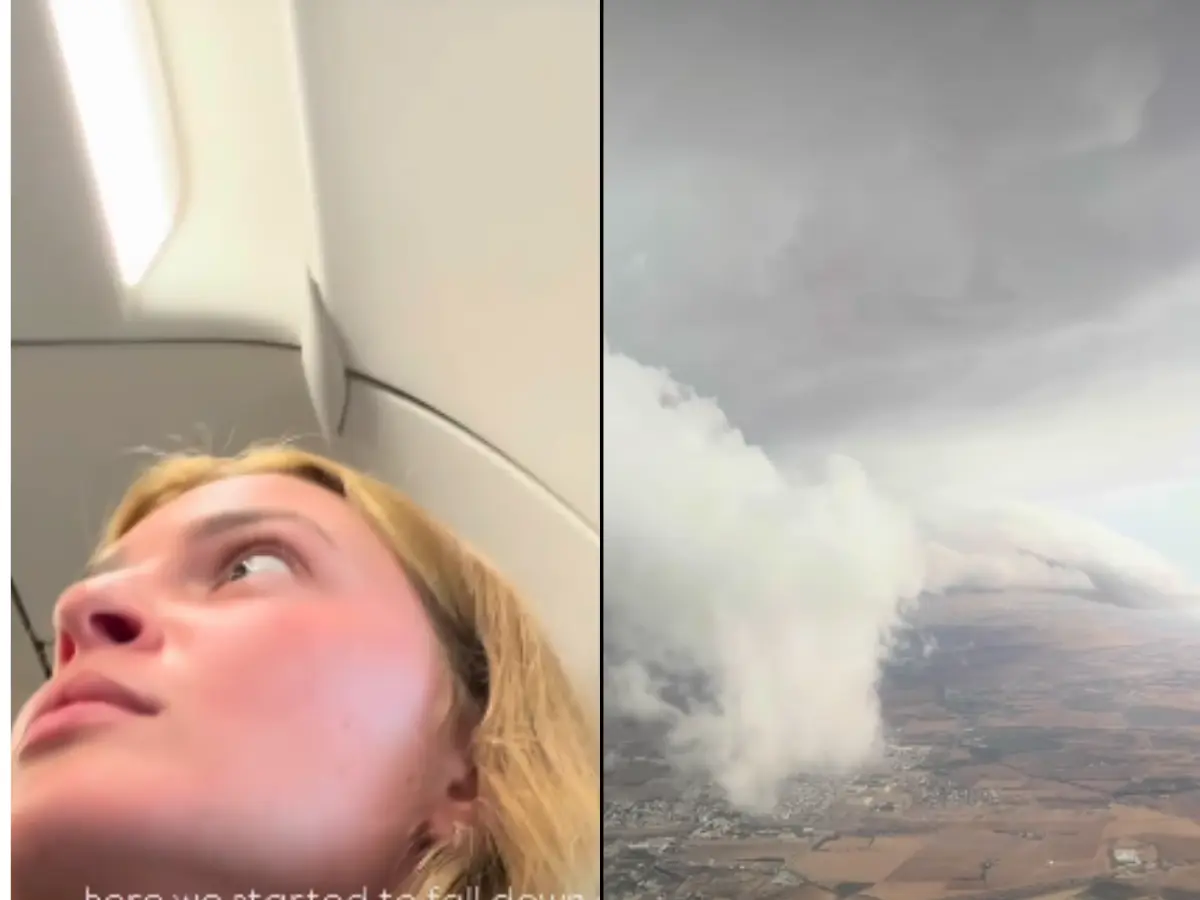)
Turkish Airlines plane flies through a storm three times, triggering severe turbulence
&im=FitAndFill=(700,400))
Why Chinese PL-15 air-to-air missiles use dual-pulse motors compared to European interceptors
)
What is Hyrox, in news for athlete who soiled herself, but kept running and using common equipment?
)
Russia proposes to build 360 kmph Ivolga FG trains in India: What happened on sidelines of BRICS
)
800 million years old - Scientists discover 'fingerprints' of supercontinent Gondwana in ancient rocks
)
China discovers vast gold and silver 'mine' in the Pacific with unheard-of deposits
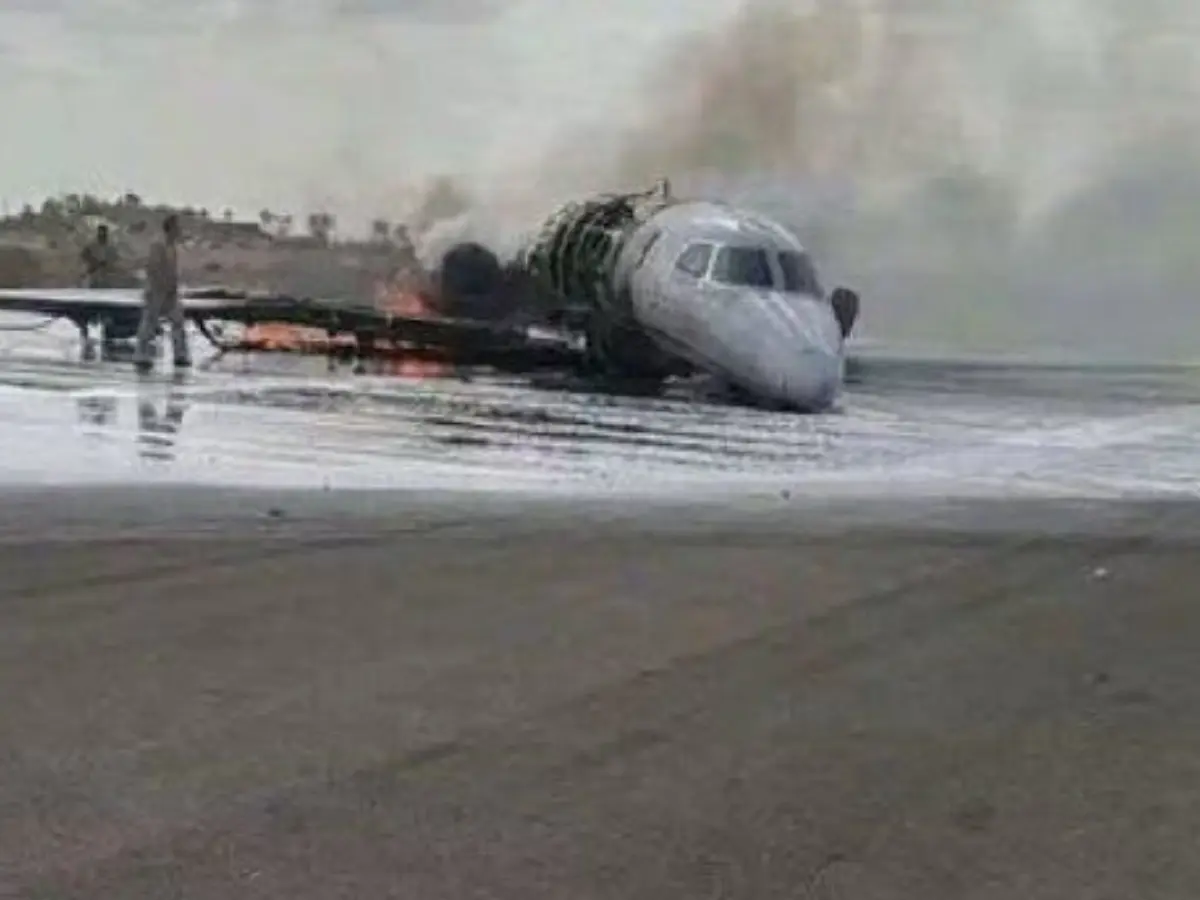)
Plane carrying prominent figure crashes at Libya’s Misrata airport: Report
&im=FitAndFill=(700,400))
New OTT releases this week (September 14-20, 2026): Lust Stories 3, Waiting Hai, Irumudi- 5 new titles coming on Netflix, Prime Video and more
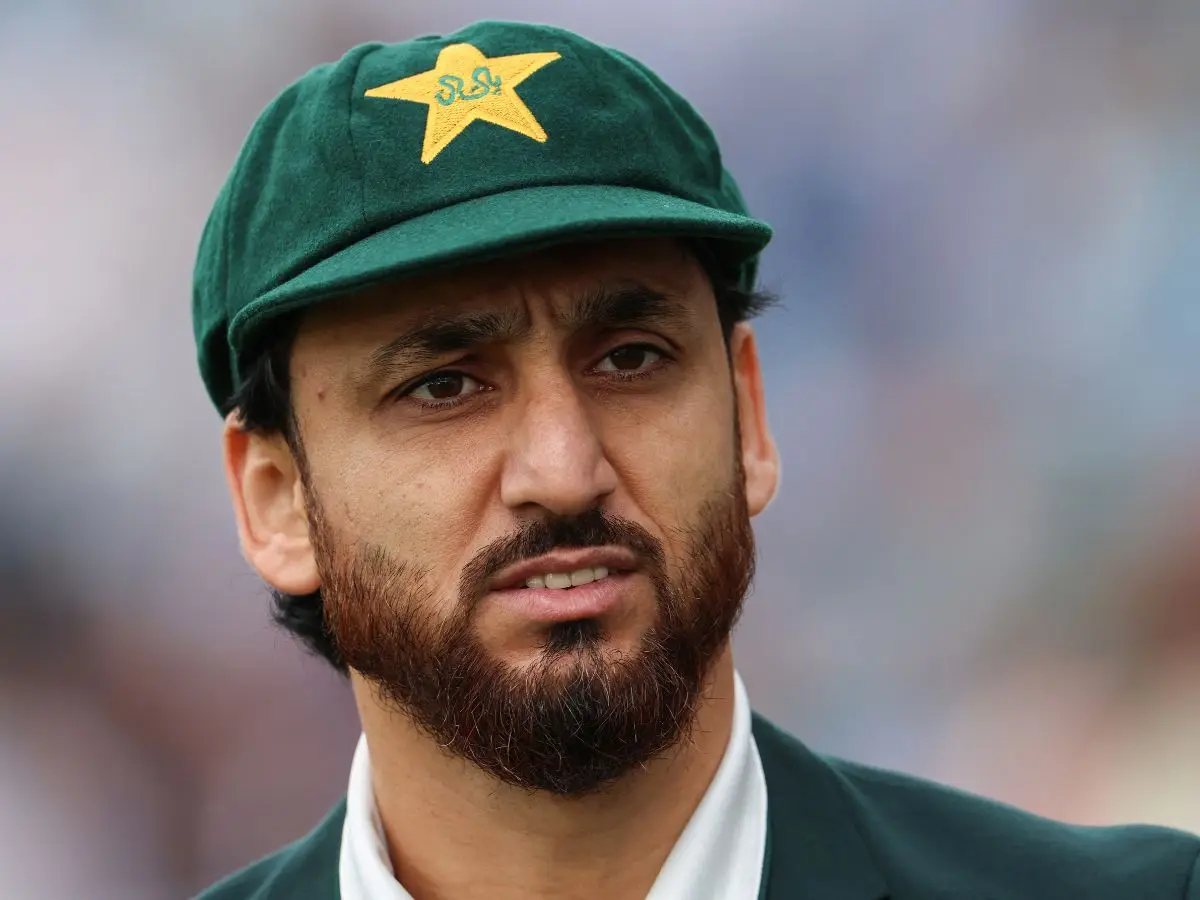)
Sent home midway from UK tour, Pakistan's Salman Agha hits 300* in domestic return
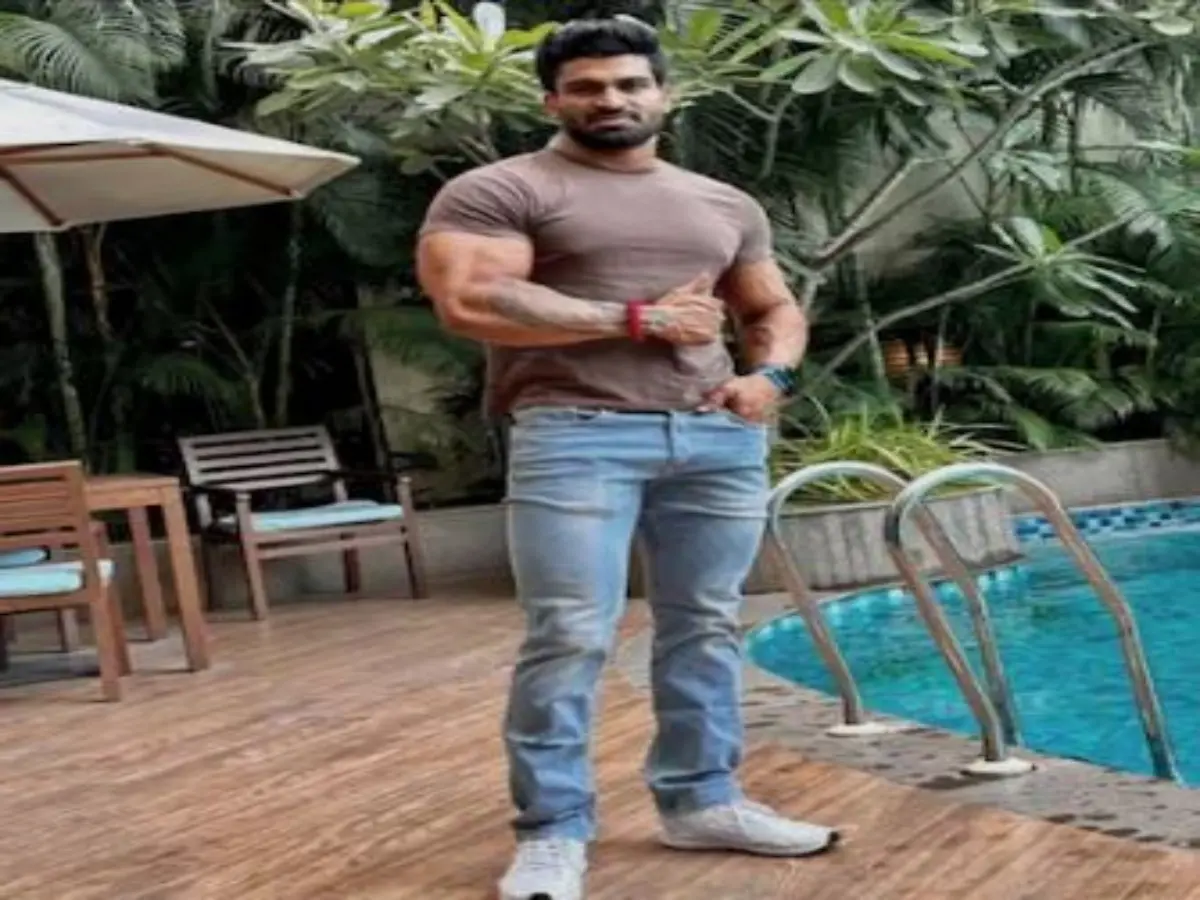)
Who is Kalyan Bainsla, accused in the Gurugram hit-and-run case involving woman biker?
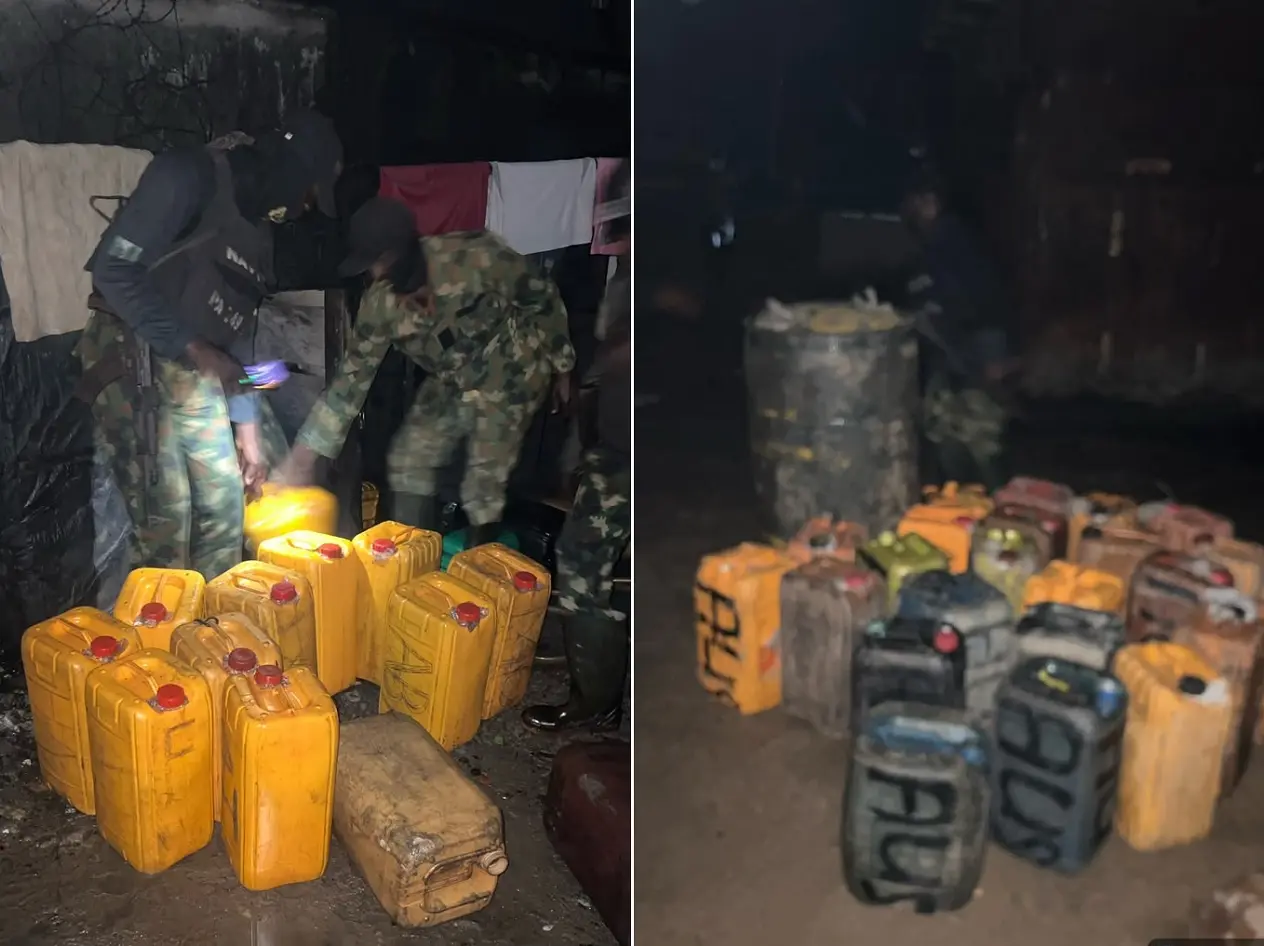)
Nigerian Navy seizes 10,000 litres of suspected illegal fuel in Rivers State crackdown
)
Saudi Arabia discovers 110 million tonnes of Uranium-rich ore in Madinah region
)
Dodgers beat Reds for playoff berth in bid for third consecutive World Series
)
Ecstasy tablets are rage in 'drug haven' Libya | Gravitas
)
'Now Trump is copying us': Shivakumar links US $5,000 plan to Congress guarantees
)
Video of Pakistani lawmaker struggling to read English tribute to Jinnah goes viral - WATCH
)
Trump downplays China's alleged 'help' to Iran in strike on Jordan base | Gravitas
)
Baba Vanga's first prophecy for 2027 is out, and straight out of science fiction
)
Trump loses Supreme Court battle over mail ballots ahead of US midterms: What happened?
)
BCCI VP Rajeev Shukla says Mohsin Naqvi 'did not object' India refusing trophy from ACC chief
)
Photographs, LeT labels vanish from two 2008 Mumbai attack entries in Pakistan’s most wanted list
)
Delhi govt to roll out ₹13,820 crore development projects under Seva Sankalp Abhiyan: CM Rekha Gupta
)
UK man admits drugging, raping wife for 20 years in shocking abuse case
)
Extreme warming in Indian Ocean added 695 billion tons of ice to Antarctica ice sheet
)
China thinned Himalayan troop presence in 2025, India defence report says; terms border situation 'stable'
WION: PM Modi, when he also started out on Indian Ocean region travels, Seychelles was one of the places where he came in 2015 and there were various agreements that were signed. You are going now on a historic your first state visit to New Delhi and we are looking forward to being a gracious host with you as well. Cooperation between India and Seychelles is so multifaceted. Trade, cultural, military, security, economy - it’s a very multifaceted relationship.
President Faure: Because it’s a partnership. The partnership is not only in one sphere of development and we have always had this, as I said, this excellent relationship with and friendship with India and the partnership that we have with India is one which is of mutual respect. It’s one based on trust and we share common aspirations in the world that we belong to. We both as nations stand for peace, we stand for development we also stand for the sustainable development of our people.
WION: The prime minister’s initiative was also called Sagar which in Hindi means sea but it’s again reflecting the same aspirations that you just mentioned - of partnership. It’s not of inequality, it’s of give and take, of realising each other's potential and working towards something better for the entire region while you are doing that individually and as countries as well.
President Faure: India, your population is over 1 billion, ours is less than 100,000.
WION: Just about reaching there soon.
President Faure: So basically it is no longer about the size of the country. It is fundamentally human development and human dignity and the aspirations of our people. So this is what the relationship is all about.
WION: Being a 153-island archipelago stretched over such vast areas of sea and your economic interest, anti-piracy, anti-drugs, that’s one area where India has been and can continue to really help Seychelles.
President Faure: Over the last 40 years since our independence, we realised that we have a vast Exclusive Economic Zone which is practically the size of South Africa and twice the size of Madagascar. We also realised that it was not possible for us to build the capacity or have the necessary assets. So India, as our neighbour, good friend and the partnership we have, has been helping Seychelles in good times and in bad times. We have received a technical cooperation in the defence and in the security and because of the support that we have received from India, we have been able to build our own defence forces over the years.
WION: When you are talking about the military cooperation, what has been talked about of late this year is the facility at the Assumption Island. Is it still stuck internally, politically?
President Faure: India and its Prime Minister understand the Seychelles position. And what I am happy about is that there hasn’t been any moment where the government of India has tried to influence our domestic politics. India is a democracy, ours we are an evolving democracy and we are building institutions. As President, I am the head of the executive but I do not have a majority in our Parliament, in our National Assembly and the difference between your system and our system is that a ratification has to go through Parliament. Although there has been an agreement, I have decided not to submit the agreement to National Assembly for ratification because I have received the signals that it won’t go (through). So, as we speak there is the agreement that won’t go before our National Assembly, but it doesn’t mean that the ambition of my government, my administration for us to have a coast guard facility on Assumption does not remain. We will continue to do that on our own as the government of Seychelles - to have a facility on that island, it is important because of what is happening around in our waters. We will continue to do that on our own.
WION: Again like you are saying the Indian government and the government of Seychelles is in a partnership and there has been nothing thrust on you or you are not trying to influence anything that’s happening here. Have you understood or can you explain to us why there is opposition? Is it only because of environmental concerns? Is it because of concerns that a foreign country is taking over a part of your country?
President Faure: I think basically the concerns are genuine and fundamentally it came out as a wrong communication and I would make a statement internationally, that India was about to set up a base and that was not the intention of the government of India. The intention of the government of India was to have a facility but this facility would have a joint operation. Secondly, there has been real concerns in the area of environment because Assumption is not far from Aldabra which is a UNESCO world heritage site so these were the concerns. But, the idea of having a small, I repeat, a small coast guard facility to protect our islands and in the area of security. Maritime security and defence remains part of the strategy of the defence of the Seychelles.
WION: President Faure, if I have understood you have worked in this office, in this state, it has been projected as bipartisan kind of leadership. You gave up the leadership of your own party for those reasons is how we see it. Is that moving forward in terms of getting the opposition especially in this particular project or do you think that the domestic politics, the domestic ambitions of political leaders in the opposition are also partly the reason for say opposition like this on this issue?
President Faure: Well I think they have expressed themselves openly in Parliament and out of Parliament and in my meeting with them they have expressed themselves clearly. So I understand the position and I think the relationship between India and Seychelles will go beyond our time as politicians it is a relationship between two people.
WION: You are visualising the facility in the long term. Analysts who looks at this region - the Indian Ocean region - see it also as game between big regional part India China. India looks at China in some senses as trying to encircle it with the string of pearls. Is China involved in any aspect in Seychelles itself because we all know they are all the way up to Djibouti?
President Faure: Yeah, historical contexts you know. We have had Portuguese, Spanish, European who have traveled the oceans. It is only, I would say, the last 15 years that China is developing, trying to deal with poverty and underdevelopment. India is also developing so both nations are catching up, but they are doing the right things for their own people. India is dealing with abject poverty and there is growth, in fact, you have achieved average growth over the last decade of around 4 to 6% so has China and the volume of trade in the Indian Ocean has increased tremendously, and Africa as a continent has also been developing. We leaders in Africa we are no longer stuck into the problems that we had 25 years ago fighting amongst one another, we are now trying to deal with the problems of poverty, diseases, industrialisation so we are looking at the welfare of our countries we want to develop. So as a country the more we develop... we have been able to do that on our own but we have received assistance from all partners. China has been present in Africa and it has also been present in Seychelles. China has helped Seychelles in its socio-economic development and India has also helped Seychelles in our social-economic development. So we have looked towards India and China with the same friendship, this is a place where we have welcomed all partners and at no time have we found ourselves under any pressure from the Chinese government, not at all.
WION: Or either side. It’s not as if smaller countries try to play off the bigger countries to gain the most for themselves.
President Faure: No no, I can say that sincerely not from China, not from India.
WION: Again if you look at the ways that India and China have been developing over the years and developing the outreach, well they seem to be a different kind of model in India. It is more a partnership mould, whether its cultural ties that have been there through decades, it seems to many that China imposed some kind of chequebook diplomacy which lands counties into debt. We have seen things happening in Sri Lanka, we have seen the Maldives as well. Is that something you are keenly aware of or is that something that doesn’t worry you at all?
President Faure: No, in Seychelles our relationship has been very very different. I think the relation is based on respect and I have found that from my interaction with Prime Minister Modi and the leaders of India. I have seen that from the relationship that I have with the Chinese government. Big countries, size of your country, size of the population, but genuine respect for a small country like Seychelles. Our relationship has never been one of being dictated by big country or a small country and I think it is in this context that I believe that Seychelles' relationship will grow with both India and China.
WION: Again you said that the relationship between the two countries will outlive both leaders and parties that are currently in power indicating, of course, we get what you are indicating that India’s military and security cooperation with Seychelles has been immense. If my figures are right 50% of military and naval assets were given. A Dornier has been given, another one will be. About 70% of your military has been trained so there has been a close interlinkage but it's not as has been portrayed a military base being set up. We have had over the last two years eight Indian naval ships, which do turn around, last year it was 11 so that is continuing.
President Faure: It will continue, more will come so it is a genuine relationship. It is a partnership. The main source of the capacity and capabilities we have is India and here I can also state that we will continue with our Indian military cooperation because it has been one based on mutual respect and trust and our military personnel have benefited a lot over the last 40 years through a lot of training. We have thousands of Seychellois who have received high tech training in India. We don't talk about it but I should be talking about it and I think it is important that we thank the Indian government for that. In a lot of our development, we could not have been in a position where we are today without the Indian skilled labourers who have come to Seychelles. They came many years ago and they keep coming and we respect them. Our trade also in terms of retail sector development has grown - so it is in this context of relationship that I believe that people need to appreciate the warmth that we have between our two people.
WION: And that warmth seems to be increasing also in terms of tourism. If you look at figures again I think it is increasing 20% annually. Indian tourists coming into Seychelles. Would I be right in saying initially to preserve the ecosystem something like Bhutan's model Seychelles encouraged high end and high paying tourist, not tourists in large numbers who could destroy the ecosystem and is that model changing in any manner to get more tourists to come in?
President Faure: There is always going to be a pressure. But our policy has one centre on one sustainable development. Seychelles is a small country, very small and has a fragile ecosystem. We want to tap high-end tourism but we need space for other tourists to come to Seychelles, but at the same time we need to be mindful of the fragility of our country in terms of its ecosystem and the long term development. From the point of view of sustainable development we just need to have this balance between environment and tourism and the amount of tourists at any one time point in the country. Last year we had over 300 and 50 thousand and I think there is a question that we need to manage it, but I as a President I also look at the yield that needs to come from tourism and also to ensure that there is what I called value chain in development that the tourism becomes the main revenue main source of income but what we derive from tourism should also help other sectors of the economy.
WION: The Seychelles and your policies are known for green economics that the blue economics that the Seychelles follows in terms of sustainable development in global warming. How the world is dealing with it? Where does the Seychelles and where do you stand with how the US is walking out of deals with where financial aid would have been given to smaller countries to bypass the normal root. How worried are you?
President Faure: We signed the Paris agreement and we still believe that that's the root for humanity, not for our country individually, that's the root for humanity. I think that over time those who have questioned that will come back but I think the majority of the citizens of this world will continue to realise that their leaders took the right decision and it is our responsibility now to show them the responsibility for generations to come and not to vacillitate - not to change positions as we go forward.
WION: President, how worried are you because when you come in from the air and you see beautiful islands you are also acutely aware of how a slight rise in sea levels can wipe out so much of humanity and everything else the species around human habitation.
President Faure: Our battle cry is to get all the people around the world to understand what is happening. It is no longer a question that you are comfortable in your own country and you believe that you can continue to make progress while others should regress, go back into abject poverty or remain marginalised. I think the question of our time today is climate change and it’s for low-income countries, middle-income countries and high income countries. In the recent Davos meeting the world leaders read a report that the number one threat to development is climate change. And, it’s very clear. It is climate change. It is a fact, it is reality. We from small countries say that and I am happy that the country like India has embarked upon a very ambitious program on renewable energy. You have taken the lead with France building the solar alliance, giving other countries the opportunity to participate. These are the things that will continue to inspire others and this is a type of leadership.
WION: President, in a nutshell, where will you describe Indian and Seychelles currently are and where would you see us going?
President Faure: I would say that we have a bright future together. India is developing, in fact very fast and we are not so far from India. We will benefit from trade, from tourism, from technology, from the research that you are doing. So we will continue to have this partnership. My administration will build on this partnership and as I said it is a partnership that is there to stay and that’s the future of the relationship that we have with India.
WION: President Faure, a partnership to stay. Thank you on that note, but I have a couple of questions with you to show to our viewers all over the world now, a few personal questions about your life outside the state house. You were talking about continuity and change in Seychelles. Continuity in terms of your past, immigrants, colonial past and yet you’re moving into the modern age and this state house perhaps exemplifies that a lot in term of heritage but, you’re trying to move ahead into a modern era.
President Faure: Exactly.
WION: A little bit of history on the state house? Now, of course the Presidents don’t live here anymore.
President Faure: No, No. Our first founding President Mancham, in the colonial times, the Governors did. President Rene, Michel, none of them and I don’t live here.
WION: You have 5 children, 4 grandchildren.
President Faure: Yeah I’ve got 5 children, 4 grandchildren.
WION: After you took over, you made a speech in the Assembly saying the Seychelles, the country is the main focus, priority.
President Faure: Yes. I concentrate all my heart, my time, my passion.
WION: Does your family complain, like other families - that the grandfather doesn’t have time for them?
President Faure: I see them during the weekend. Sundays is when I spend time with them.
WION: Thank You President Faure, for being such a gracious host and we hope we will do the same for you in another month.
President Faure: Thank You.