India-EU Free Trade Agreement: What landmark deal means for India

&imwidth=600&imheight=450&format=webp&quality=medium "India-EU Free Trade Agreement: What landmark deal means for India")
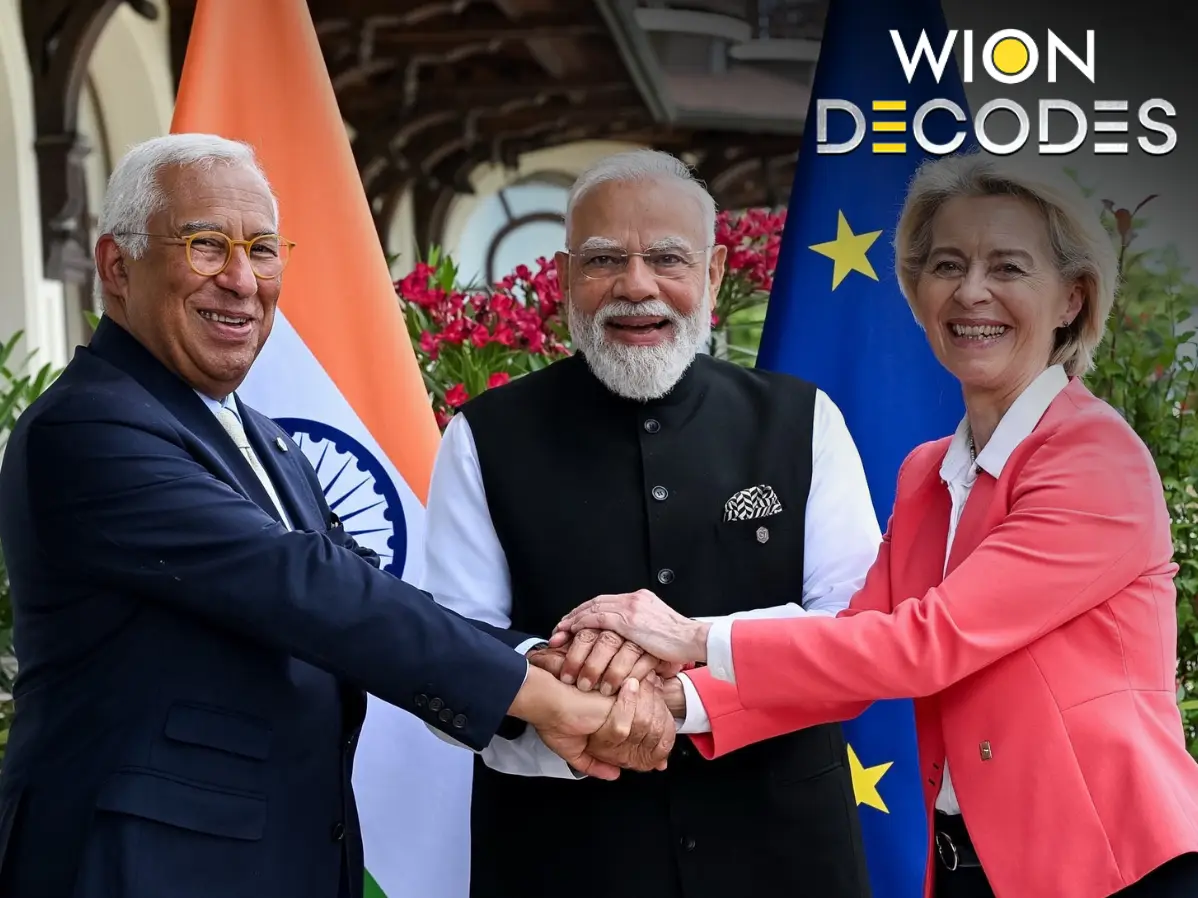
Prime Minister Narendra Modi meets European Council President António Costa and European Commission President Ursula von der Leyen on the sidelines of the G7 Summit in Évian, in Evian on June 17. Photograph: (X/@vonderleyen)
India and the EU are set to sign a landmark FTA by December 2026, granting duty-free access to most Indian exports, boosting key sectors, attracting investment, and deepening economic ties.
Commerce and Industry Minister Piyush Goyal on Sunday (Jun 22) announced that India and the European Union are set to sign the Free Trade Agreement by December this year. The pact is expected to come into effect by February-March 2027. The FTA is expected to strengthen trade, investment, and economic cooperation between India and the EU. Under the agreement, about 93 per cent of Indian exports will get duty-free access to the European market, while imports of EU goods like wines and luxury cars are expected to become cheaper.
Key provisions of India-EU FTA
Under the proposed India-EU FTA, majority of Indian exports entering European markets will be granted duty-free access. According to the Indian government, 99.5 per cent of the value of Indian exports would enjoy tariff-free access in the EU.
The agreement is also expected to open 144 European service subsectors to Indian companies, particularly in information technology, consulting, and professional services. India would open 102 service subsectors to European investors.
Other provisions include tariff reductions on goods, investment protection measures, regulatory cooperation, transparency in government procurement, and commitments related to labour, environmental standards, and sustainable supply chains.
Trending Stories
)
)
)
)
&im=FitAndFill=(700,400))
)
)
&im=FitAndFill=(700,400))
)
)
)
)
)
)
)
)
)
)
)
)
)
)
&im=FitAndFill=(700,400))
)
)
)
)
)
)
)
)
)
)
Indian industries are poised to gain the most
Duty-free access of Indian goods in European market can boost several industries, especially textile and apparel, with an increased export of garments, cotton textiles, home furnishings, and technical textiles. Engineering Goods like machinery, auto components, electrical equipment, and industrial products are also expected to rise in exports.
Apart from these, pharmaceuticals, chemicals and speciality chemicals are also expected to benefit from FTA. Reduced duties could also boost exports of diamonds, gemstones, and value-added jewellery products. Other sectors that may benefit from the landmark deal include leather, footwear, handicrafts, agriculture, food processing, and IT-enabled services
European Union’s key demands
During negotiations, the European Union has sought to secure lower Indian tariffs on automobiles, auto components, wines, and spirits. The EU is also seeking stronger intellectual property protections, broader access for its services sector, and enhanced investment safeguards. Sustainability commitments, labour standards, and climate-related regulations remain important priorities for European negotiators.
How duty-free access could transform Indian exports
Duty-free access to European market is expected to provide substantial advantages for Indian exporters. By removing tariffs that currently range from 4 per cent to more than 12 per cent in many sectors, Indian products would become more competitive in Europe. Labour-intensive industries could witness higher export orders and increased employment generation. The agreement may also encourage foreign investment as multinational companies look to use India as a manufacturing base for exports to Europe. Small and medium enterprises are expected to benefit from reduced trade costs and improved integration into global supply chains.
How the EU deal compares with India’s recent FTAs
Compared with India’s recent trade agreements with UAE, Australia, and the UK, the India-EU FTA stands out because of its scale and strategic importance. Covering markets worth nearly $25 trillion and around two billion people, it is often described as the most ambitious trade agreement India has negotiated. While similar to other FTAs in offering extensive tariff liberalisation and professional mobility provisions, it also includes unique sustainability commitments and faces challenges such as the EU’s Carbon Border Adjustment Mechanism.

