

&imwidth=800&imheight=600&format=webp&quality=medium "India planning exit from Chabahar port as US sanction waiver expires")
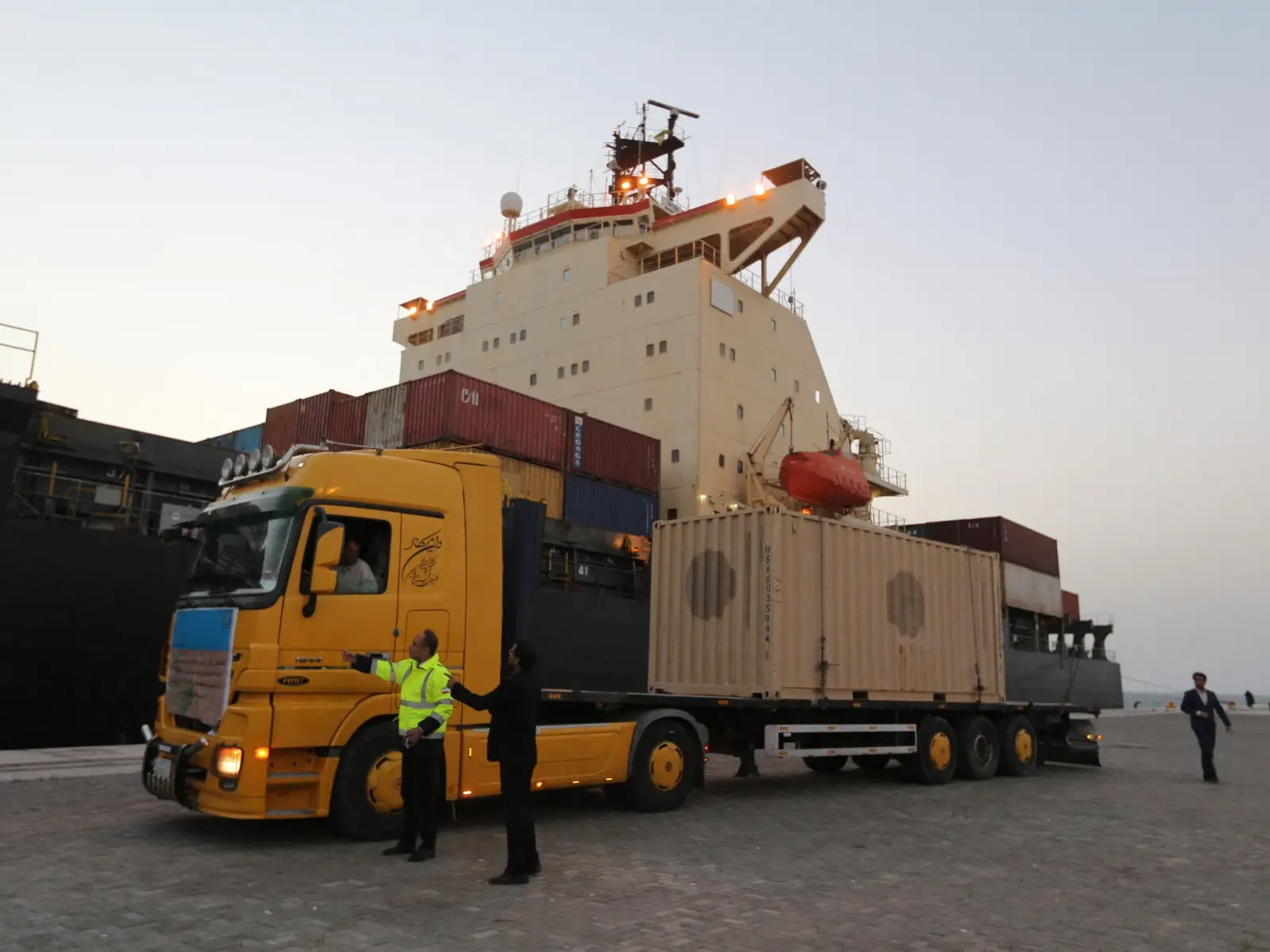
The Union Government is planning divestment in the Chabahar port in Iran and leaving the control of the strategically significant port with a local Iranian entity, Business Standard reported. The report suggests that India Ports Global Ltd (IPGL) would sell its holding in India Ports Global Chabahar Free Zone (IPGCFZ) to an Iranian entity as the extended US sanction waiver comes to expire on Sunday, April 26. The report also suggests that the control would revert back to India if and ever the sanctions were to be lifted or a new waiver is secured.
India enjoyed exemptions from sanctions on the Chabahar port since 2018, and invested around $120 million in equipment procurement for the Chabahar project. However, in February 2025, the Trump administration under Secretary of State Marco Rubio decided to review or withdraw the waiver that supported Iran or provide any economic or financial relief and later withdrew the waiver on September 29, 2025. However, in the following month, it again issued an extension of the waiver, clarifying that activities at Chabahar Port would remain protected from US sanctions until April 26, 2026.
The report suggests that the Indian government has previously explored the possibility of ignoring US sanctions and operating a terminal in the port. But legal experts warned about the possibility of sanctions being extended to the companies associated with the India-backed terminal in Chabahar. Sagarmala Development Corporation Ltd is the company that operates the terminal in Chabahar port through the subsidiary IPGL. It also operates another port in Myanmar’s Sittwe Port; if the sanctions spill into the company, it will hurt India's goal to operate an international port. The company is part of the Bharat Global Ports consortium, which seeks opportunities to operate international ports.
Why was Chabhar port important for India?
India was part of the 10-year agreement with Iran in 2024 that allowed India to operate the Shahid Beheshti Port terminal in Iran. The port is often described as the Golden Gate to West and Central Asia. It was part of India's ambition to operate ports internationally. This was India's response to China's development of Gwadar Port in Pakistan. It prevents China from having a monopoly over the shipping lane in the Indian Ocean and helps monitor maritime activity in the Arabian Sea and the Gulf of Oman. It also acts as a node of the International North-South Transport Corridor that allows India to transport goods to Russia and Afghanistan, which Pakistan often denies to India.

