India and Japan deepen military engagements

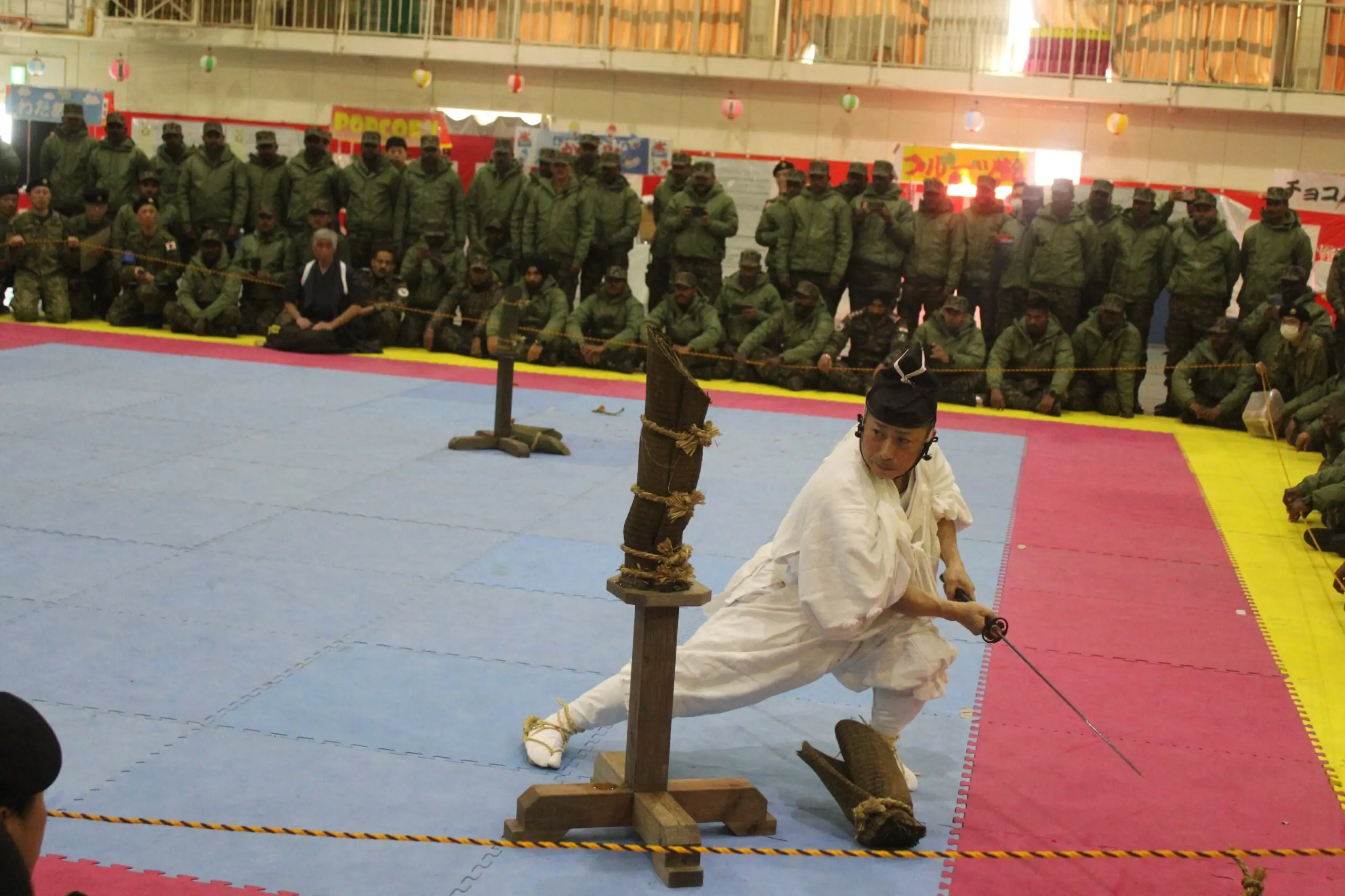
India News: Dharma Guardian complements other India-Japan military engagements, such as the JIMEX (naval exercise) and Veer Guardian (air force exercise), forming a comprehensive framework of defence cooperation.
New Delhi: In the last few weeks, India and Japan have intensified military-diplomatic engagements, with 7th Army-to-Army Staff Talks taking place in Delhi even as Exercise Dharma Guardian is underway in Japan. The 7th Army-to-Army talks took place in Delhi from 6-7th March with focus on “annual defence cooperation plans, military education, domain expert exchanges, exploring collaboration in niche technologies, and operational training”, said an Army statement. The Japanese side was also briefed on the Indian Army’s United Nations peacekeeping operations. Additionally, the Japanese delegation held talks with India’s premier military thinktank, Centre for Land Warfare Studies (CLAWS).
Meanwhile, the annual joint military exercises between the Indian Army and Japan Ground Self-Defence Force (JGSDF), Dharma Guardian, have been underway in Japan’s East Fuji Training Area since February 24th and will conclude on Sunday. Started in 2018, the exercises aim to enhance interoperability, foster military cooperation, and strengthen the bilateral defence relationship between India and Japan. The primary goal is to improve combined capabilities for joint operations, with a focus on counter-terrorism, peacekeeping under a United Nations mandate, and operations in semi-urban or jungle environments.

The exercises alternate between the 2 countries, and the current edition is the 6th edition. An Army statement said, “The primary focus of this year’s exercise is counter-terrorism operations in urban terrain, a critical area of focus in the current security environment.”
Also read:‘You’re the troublemaker’: Trump snarks at reporter for asking question about Musk-Rubio clash
)
AI kill switch explained: Why shutting down a dangerous AI may not be as simple as pressing a button
)
Putin's United Russia party wins 355 seats in Duma election; 4 other parties cross threshold to enter parliament
)
US ships in Indian Ocean ‘will be attacked’ if war resumes, warns Iran
)
Delhi Air pollution: Strict crackdown on waste burning
)
SNL UK takes aim at Ed Sheeran with AI Princess Diana sketch
)
‘0% chance’: Nvidia CEO Jensen Huang dismisses AI extinction fears by 2030
&im=FitAndFill=(700,400))
What TSMC's 2nm technology means for Apple
)
Trump says he'll build an 'AI Force' and appoint a czar, for 'high IQ' people only
)
'Were you here to sell chickpeas?': Wasim Akram criticises Babar Azam's captaincy
)
TIFF 2026: Theja Rio’s Angh wins Platform Prize, puts Nagaland story on global stage
)
BTS' fans question iHeartRadio’s treatment of group after brief festival set
)
Glitch in the matrix caught on camera: Woman vanishes after talking to reporter
)
Samsung raises Galaxy S26 prices by Rs 20,000: Here’s what each model now costs
)
Fleming's aspirations as England Test coach include WTC, top ranking and Ashes
)
Operation Sindoor’s hidden naval dimension | MoD reveals Indian Navy Special Forces joined May 7 strikes
)
J&K Assembly Session begins amid chaos: BJP, ruling alliance clash as statehood demand dominates
)
Trump-Xi summit: US Treasury Secretary holds meeting with Chinese Vice Premier
)
Bessent meets China’s He Lifeng to prepare for Trump-Xi summit
)
S Jaishankar, former Army chief among high-profile names issued Delhi SIR notices
)
CDU suffers historic defeat in eastern Germany as AfD surges, Merz vows to stay on
)
Iran sets 7 conditions to end war with US: What are Tehran’s demands?
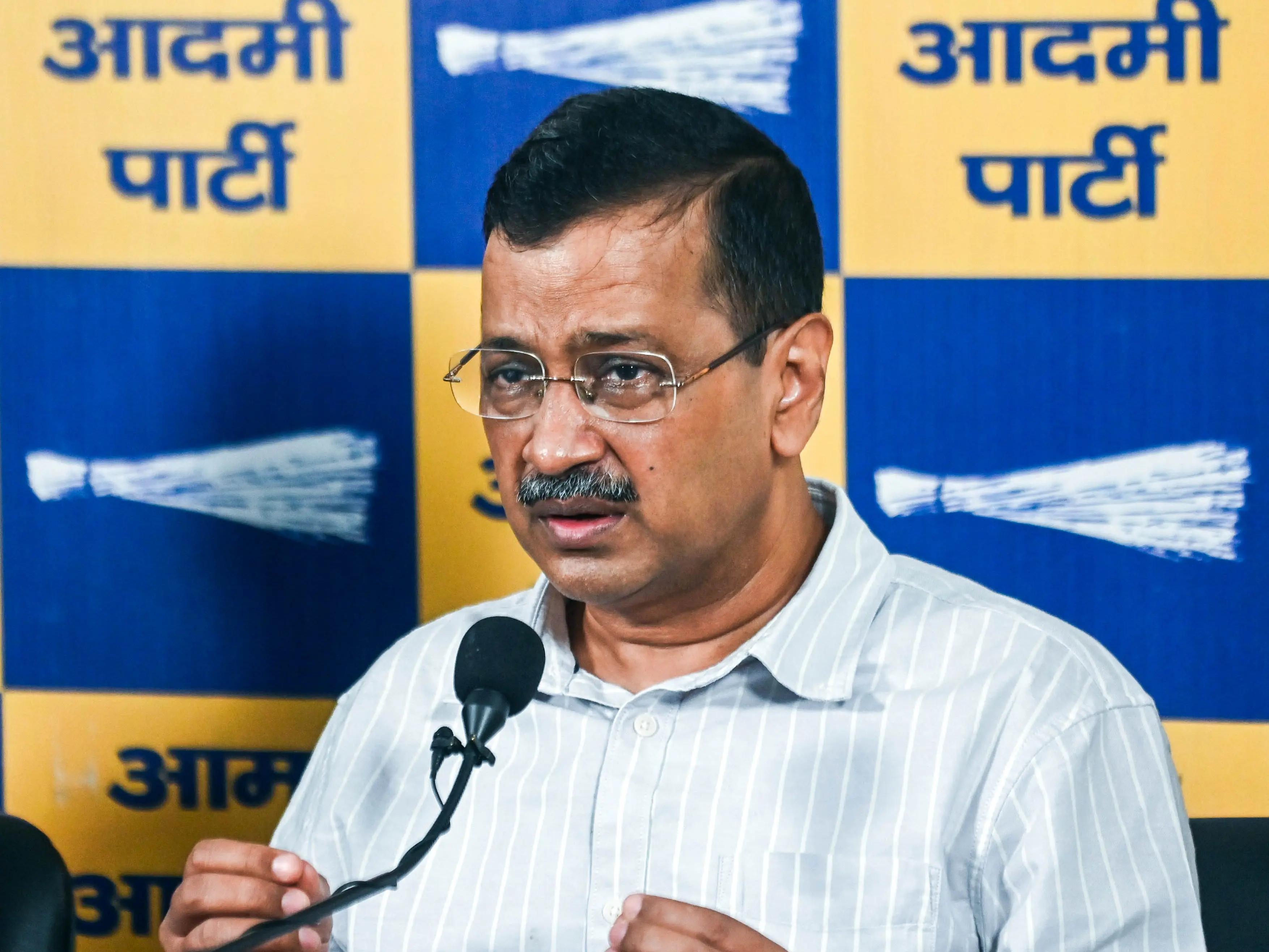)
Arvind Kejriwal, family members, Delhi CM Rekha Gupta get SIR notices
)
AI actress Tilly Norwood glitches mid-interview, switches from English to Chinese | Watch
)
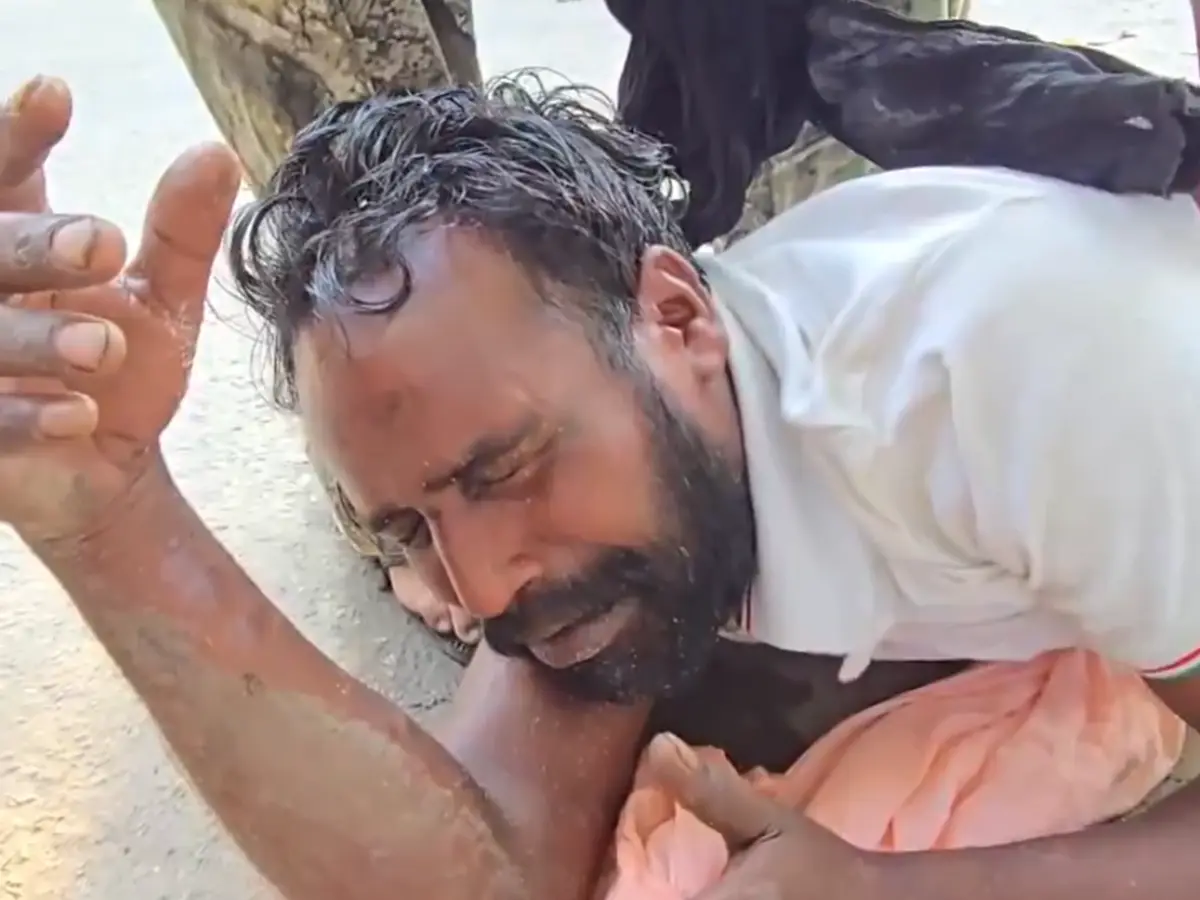
Saudi vs Houthis: Houthis claim missiles & drones used in attack on key Saudi sites
)
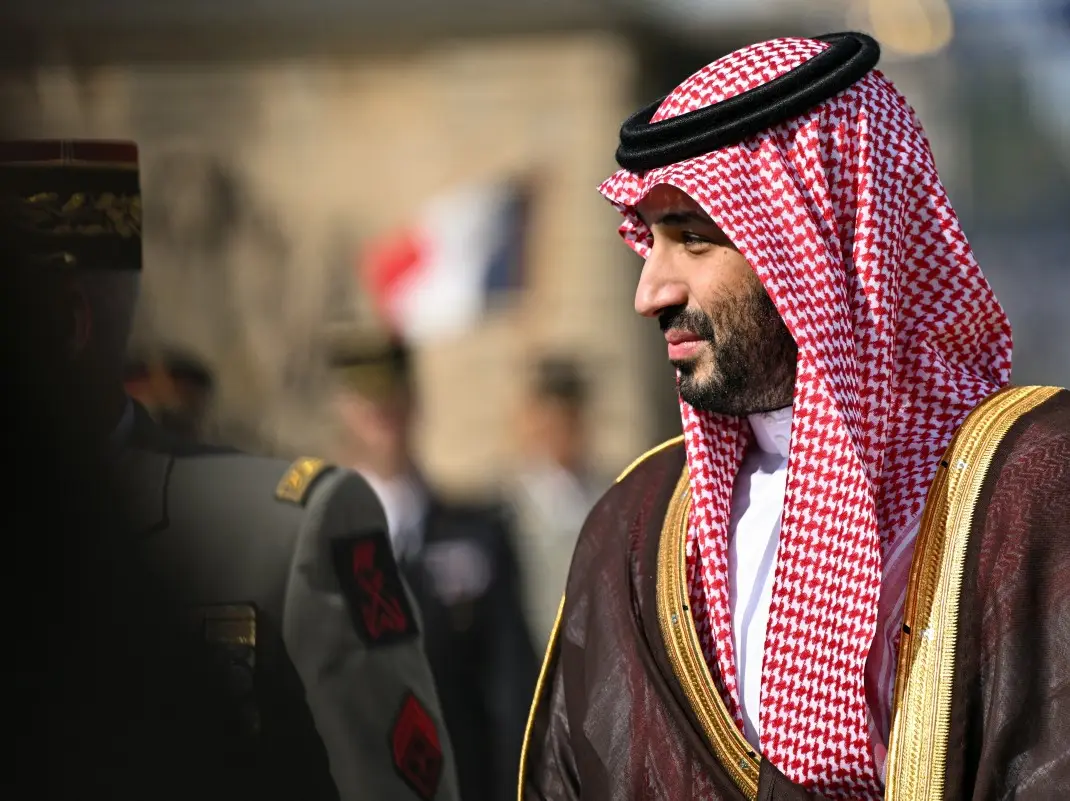
Punjab man consumes poison outside DC office; Congress, BJP target AAP government
)
Saudi Arabia exits China-led mBridge digital currency platform amid Saudi-Houthi conflict
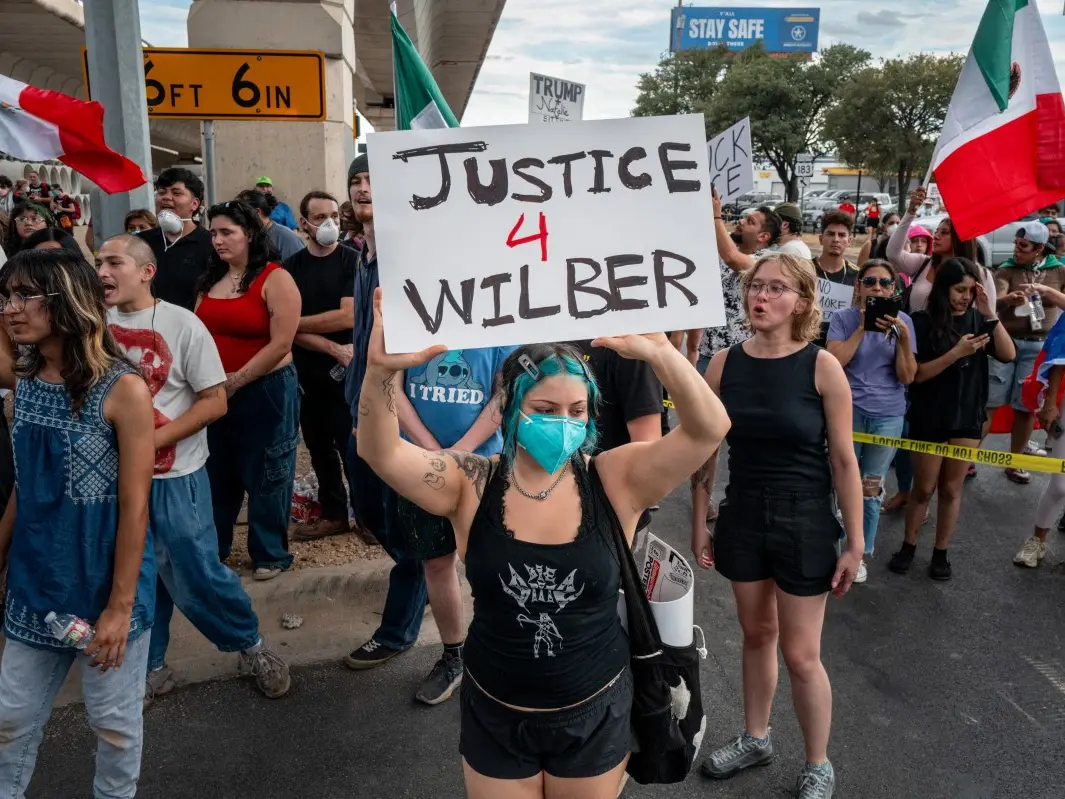)
ICE shooting in Texas leaves man seriously injured; officials demand independent investigation and transparency
)
'Lot of things to learn from experienced players': Jayasuriya backs Rohit, Virat for 2027 ODI World Cup
)
Chancellor Friedrich Merz vows to stay on as exit polls signal major poll setback
)
Taylor Swift has a 'proud wife' moment as Travis Kelce scores first touchdown of season: 'That’s my husband!'
)
Several petrol pumps, other businesses to refuse UPI payments above Rs 2,000 from Oct 16: Is it legal?
)
Mahabharat actor Saurav Gurjar arrested in Hyderabad, sent to 14-day judicial custody in sexual exploitation case
&im=FitAndFill=(700,400))
New OTT releases this week (September 21-27, 2026): Shaque: Trust No One, Hunkkaar, Don’t Be Shy- 5 new titles coming to Netflix, Prime Video and more
&im=FitAndFill=(700,400))
Gulshan Grover turns 70: Ram Lakhan, Gangster, Hera Pheri- Must-watch movies of the actor on OTT platforms
)
Noel Tata challenges Chandrasekaran’s reappointment as Tata Sons chairman. What happened at the board meeting
&im=FitAndFill=(700,400))
Kareena Kapoor birthday special: Inside her net worth, best movies, luxurious lifestyle and love story with Saif Ali Khan
)
Pilot recreates Mona Lisa in sky over Oklahoma and Arkansas in four-hour flight: VIDEO
)
Delhi: Flagged voters remain on the draft roll but face hearings
)
China now makes advanced memory chips without the machines it was banned from buying
)
Jailer 2: Vidya Balan joins Rajinikanth's upcoming film as Kantha | Watch
)
Microsoft executive called AI training the ‘largest theft of labour in human history’
)
Italy moves to ban face veils in schools as Meloni pushes new integration measures
The Army exercises also have key cultural and traditional aspects, including yoga sessions and demonstration of Japanese archery. Dharma Guardian complements other India-Japan military engagements, such as the JIMEX (naval exercise) and Veer Guardian (air force exercise), forming a comprehensive framework of defence cooperation.
The foundation of India-Japan defence ties was significantly bolstered in 2015 when New Delhi and Tokyo inked two pivotal accords: the Agreement concerning the Transfer of Defence Equipment and Technology Cooperation and the Agreement concerning Security Measures for the Protection of Classified Military Information. These pacts opened the door to collaboration on sensitive military technology and intelligence sharing.
Building on this momentum, the two nations took their naval cooperation to new depths in 2018 with the Implementing Arrangement for Deeper Cooperation between the Indian Navy and the Japan Maritime Self-Defence Force (JMSDF).
The partnership reached another milestone in 2020 with the Agreement concerning Reciprocal Provision of Supplies and Services between the Self-Defence Forces of Japan and the Indian Armed Forces. This logistics pact, often likened to the U.S.-India LEMOA (Logistics Exchange Memorandum of Agreement), allows each nation’s military to access the other’s bases for refuelling, maintenance, and supplies.
Neither Tokyo nor New Delhi frames the collaboration as a direct challenge to Beijing, preferring the language of conversation on Indo-Pacific, but China naturally remains the “dragon” in the room. In the last few months, ties have leaned towards cautious improvement between China and India and China and Japan, which comes amid the unpredictability injected in global order by the Donald Trump administration in the US.
Indian PM Modi and Chinese President Xi Jinping met on the sidelines of the BRICS Kazan summit, a meeting that came after almost half a decade, and the first since the Galwan incident, thereby starting the normalisation process, which includes the resumption of the Kailash Manasarovar Yatra, and trading at border posts, among other measures. Meanwhile, Chinese President Xi and Japanese PM Shigeru met in November of 2024, and Japanese Foreign Minister Iwaya Takeshi visited China to meet FM Wang Yi in December 2024.