India: 5 key takeaways from Women's Reservation Bill aka 'Nari Shakti Vandan Adhiniyam'

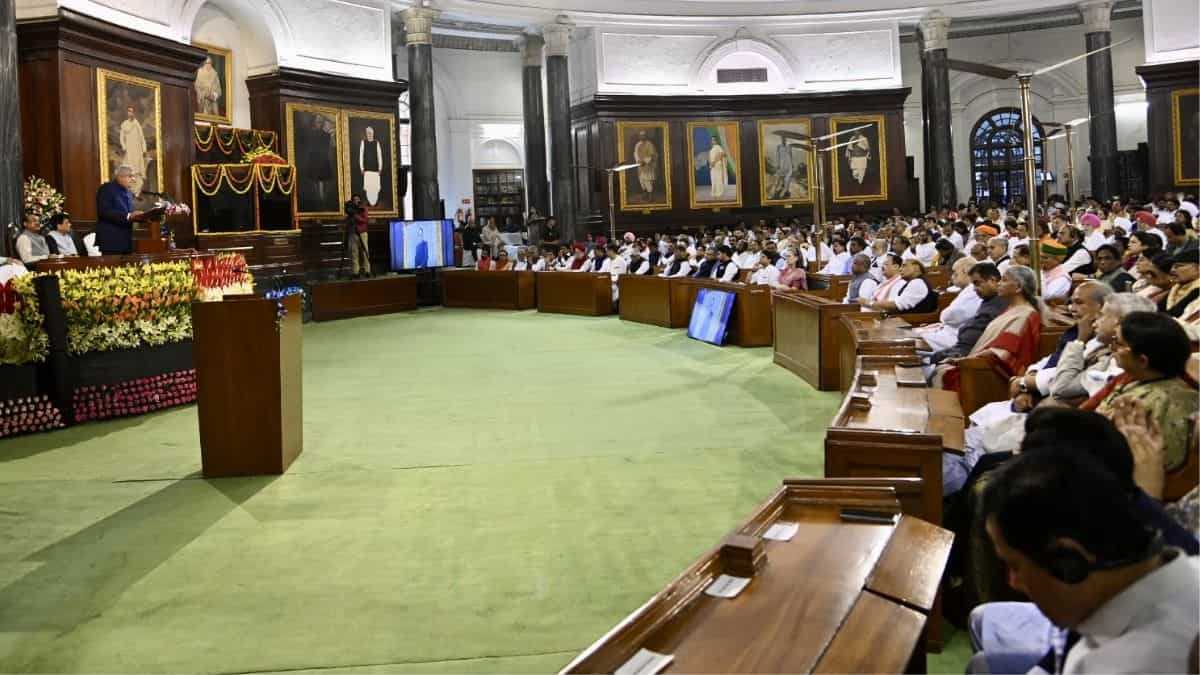
India: 5 key takeaways from Women's Reservation Bill
Marking the first day of the session in its new Parliament building, India on Tuesday (September 19th) introduced the Nari Shakti Vandan Adhiniyam or the Women's Reservation Bill.
Lauding the bill, Union Defence Minister Rajnath Singh on social media platform X said,"This day has been immortalised forever in Indian parliamentary democracy. While today the inauguration of the new Parliament House has taken place, today in the Lok Sabha, Prime Minister Shri @narendramodiji has started writing a new chapter by announcing the introduction of'Nari Shakti Vandan Act'."
Parliamentary discussions on the bill

The bill which was introduced by Union Law Minister Arjun Ram Meghwal in the first sitting of Lok Sabha in the new Parliament building is set to be taken up for discussion in Lok Sabha, the lower house of Indian parliament on Wednesday (September 20).
Quoting sources, news agency ANI reports that the bill will be taken up in Rajya Sabha the following day, on September 21st.
&imwidth=180&imheight=135&format=webp&quality=medium)
6-year-old among 2 killed as vehicle crashes into youth soccer game in US
&imwidth=180&imheight=135&format=webp&quality=medium)
'We are not sitting in ivory towers, we are aware': SC issues notice to Rahul Gandhi, Akhilesh Yadav
&imwidth=180&imheight=135&format=webp&quality=medium)
IND-W vs ZIM-W, 2nd T20I: When and where to watch live streaming in India?
&imwidth=180&imheight=135&format=webp&quality=medium)
‘My president, I mean my husband’: Trump's new press secretary Katie Zacharia's first briefing goes off the rails in 14 minutes
&imwidth=180&imheight=135&format=webp&quality=medium)
"The scariest thing was"... flydubai Captain Smit Machchhar recalls cockpit fight and how he thought of his son and daughter
&imwidth=180&imheight=135&format=webp&quality=medium)
Taylor Swift performs at star-studded Academy Museum Gala 2026 in stunning Dior ensemble
&imwidth=180&imheight=135&format=webp&quality=medium)
‘Be back in few weeks’: Emi Martinez shares first update after head clash in Premier League match
&imwidth=180&imheight=135&format=webp&quality=medium)
2 injured in plane crash on busy California highway
&imwidth=180&imheight=135&format=webp&quality=medium)
UAE agrees with Saudi Arabia to rejoin Yemen fight as Houthi strikes rattle Riyadh
&imwidth=180&imheight=135&format=webp&quality=medium)
Flying car race: Alef Aeronautics welcomes Tesla Roadster '11 years' later, but are the two models the same?
&imwidth=180&imheight=135&format=webp&quality=medium)
Rain washes out 5th T20I as India-West Indies share honours 2-2
&imwidth=180&imheight=135&format=webp&quality=medium)
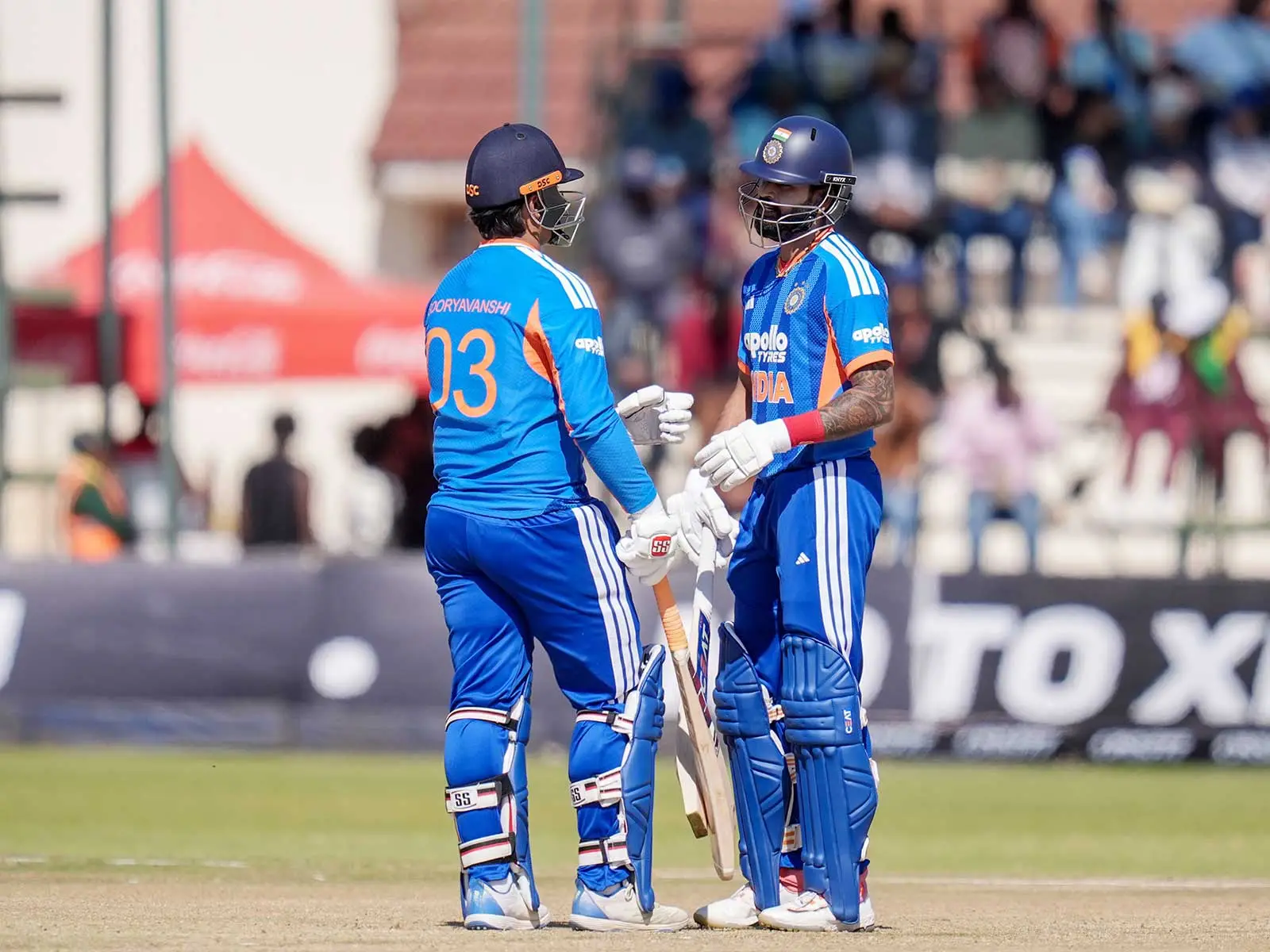
'keep telling him you will get your opportunities': Iyer opens up on conversations with Sooryavanshi
&imwidth=180&imheight=135&format=webp&quality=medium)
Lizard people? Ex-US Army sniper claims soldier killed by 'reptilian beings' in battle near Area 51
&imwidth=180&imheight=135&format=webp&quality=medium)
WATCH | iPhones, luxury perfumes floating in Hormuz? Iranian fishermen make bizarre discovery
&imwidth=180&imheight=135&format=webp&quality=medium)
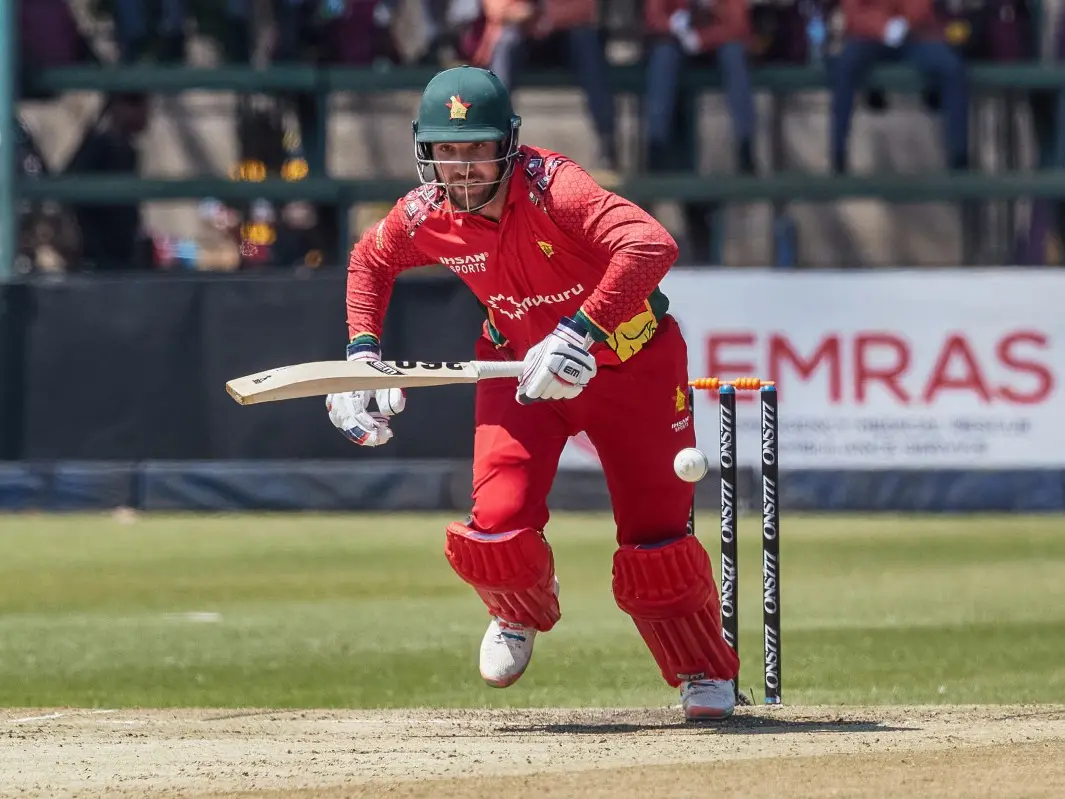
Brendan Taylor overtakes Andy Flower to become Zimbabwe’s leading ODI run-scorer
&imwidth=180&imheight=135&format=webp&quality=medium)
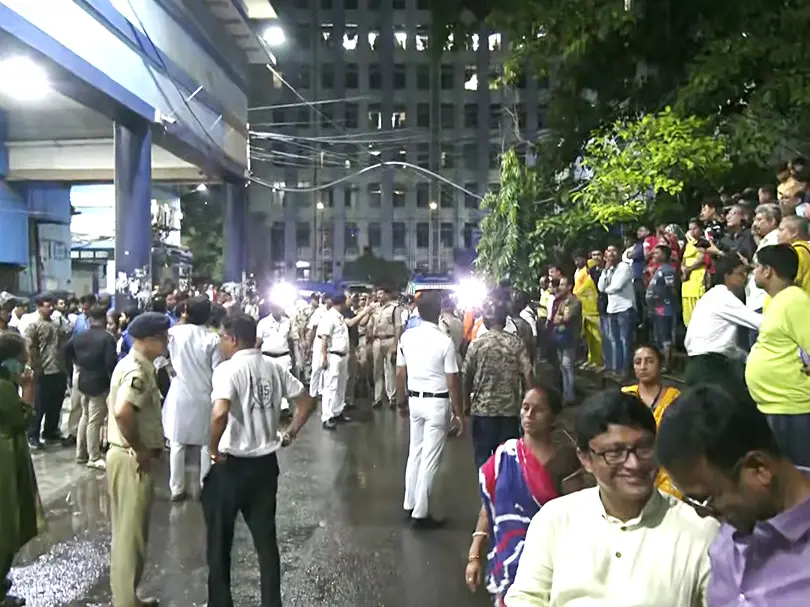
Kolkata Durga Puja stampede: PM Modi announces Rs 2 lakh ex-gratia for kin of dead, Amit Shah to visit injured
&imwidth=180&imheight=135&format=webp&quality=medium)
SA vs AUS 2nd Test: Rain delays start as Rabada returns; Boland replaces Lyon for Australia
&imwidth=180&imheight=135&format=webp&quality=medium)
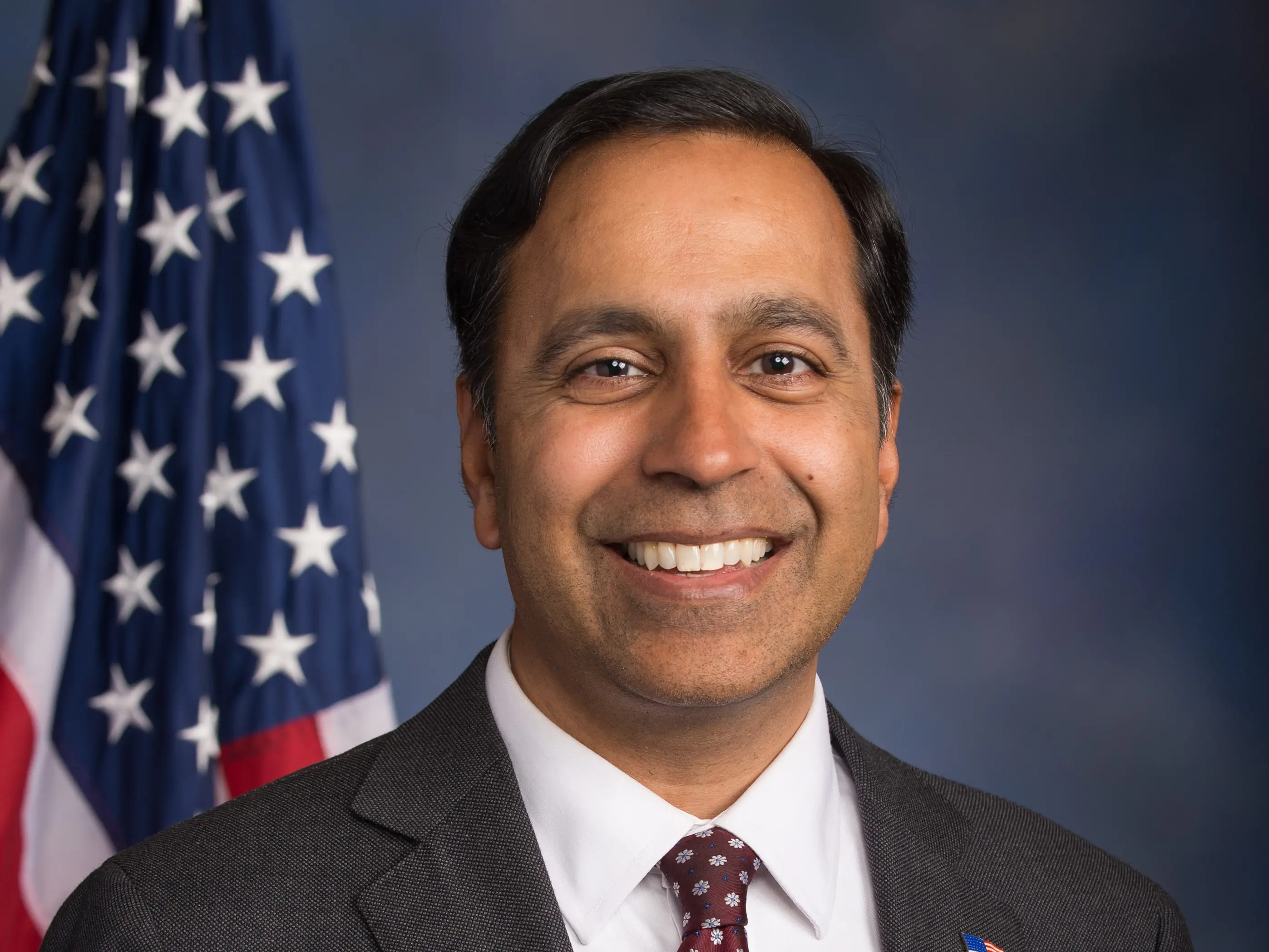
‘I don’t know how my family escaped': Congressman Raja Krishnamoorthi chokes while revealing he was inside US temple during foiled attack
&imwidth=180&imheight=135&format=webp&quality=medium)
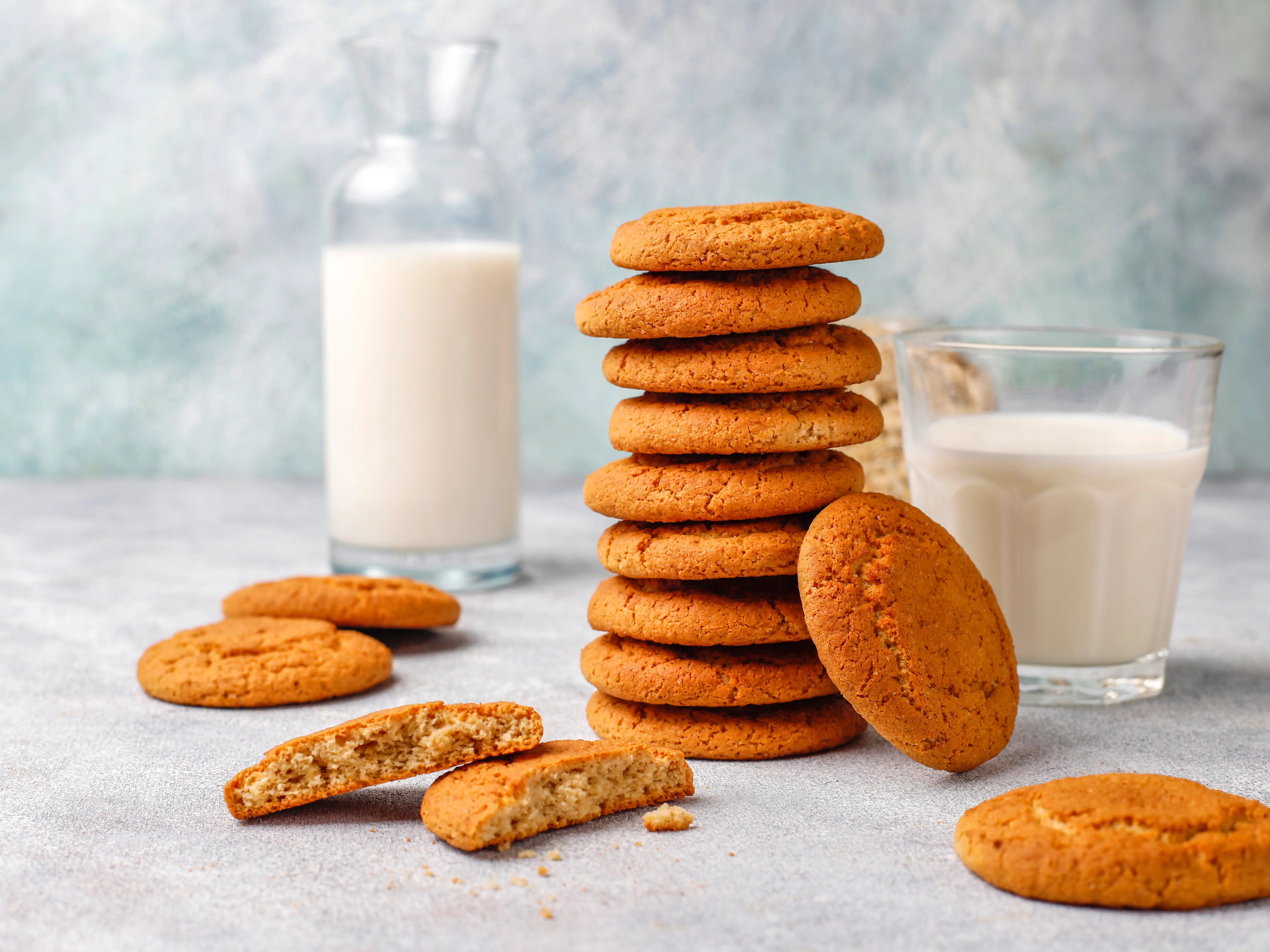
Cattle-feed bran in biscuits, detergent in milk: FSSAI acts against 3 companies
&imwidth=180&imheight=135&format=webp&quality=medium)
Anirudh Ravichander-Kavya Maran wedding: Telangana CM reveals Chennai reception date
&imwidth=180&imheight=135&format=webp&quality=medium)
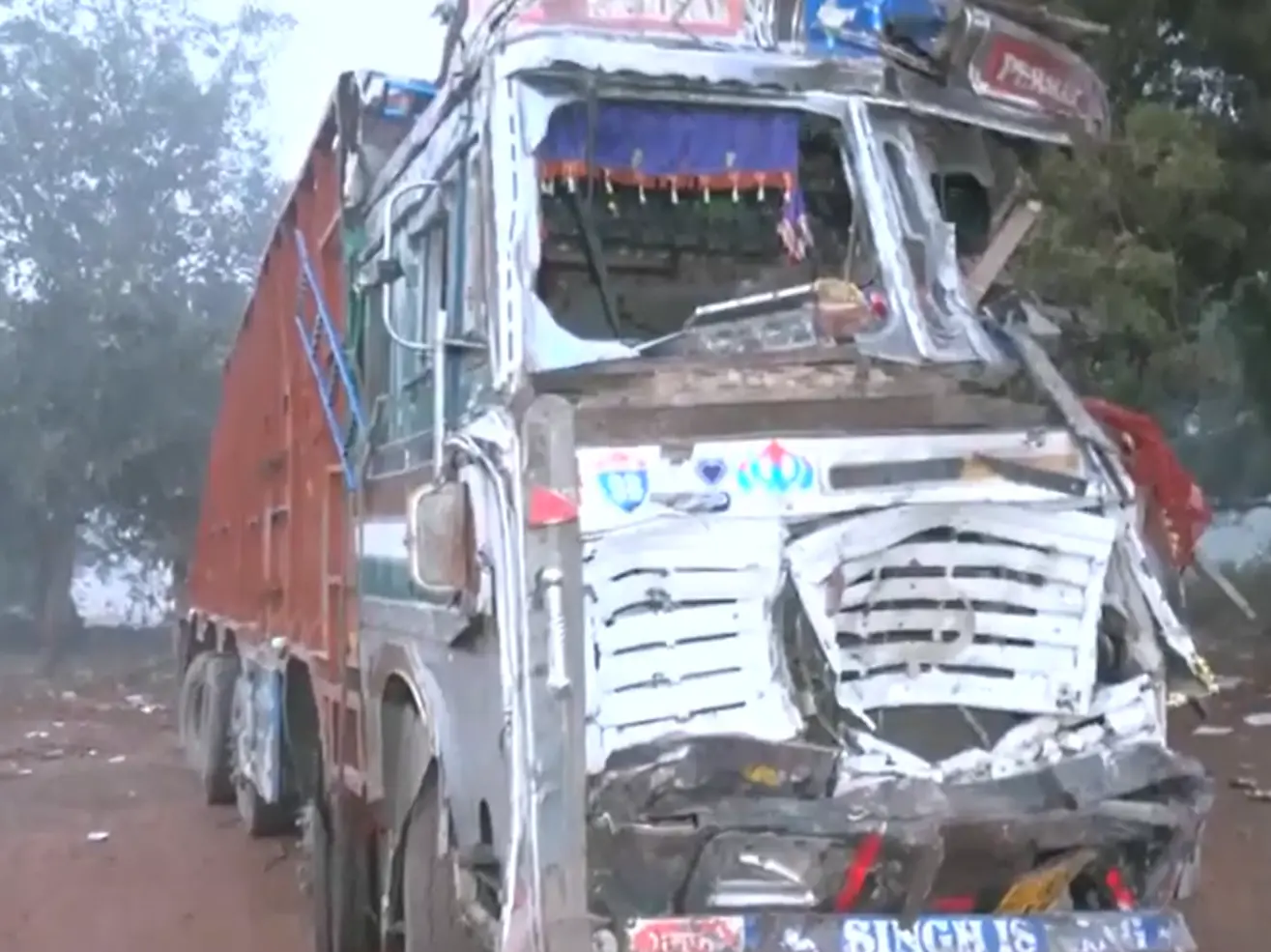
13 dead after truck mows down devotees, crashes into temple gate in Madhya Pradesh's Gwalior
&imwidth=180&imheight=135&format=webp&quality=medium)
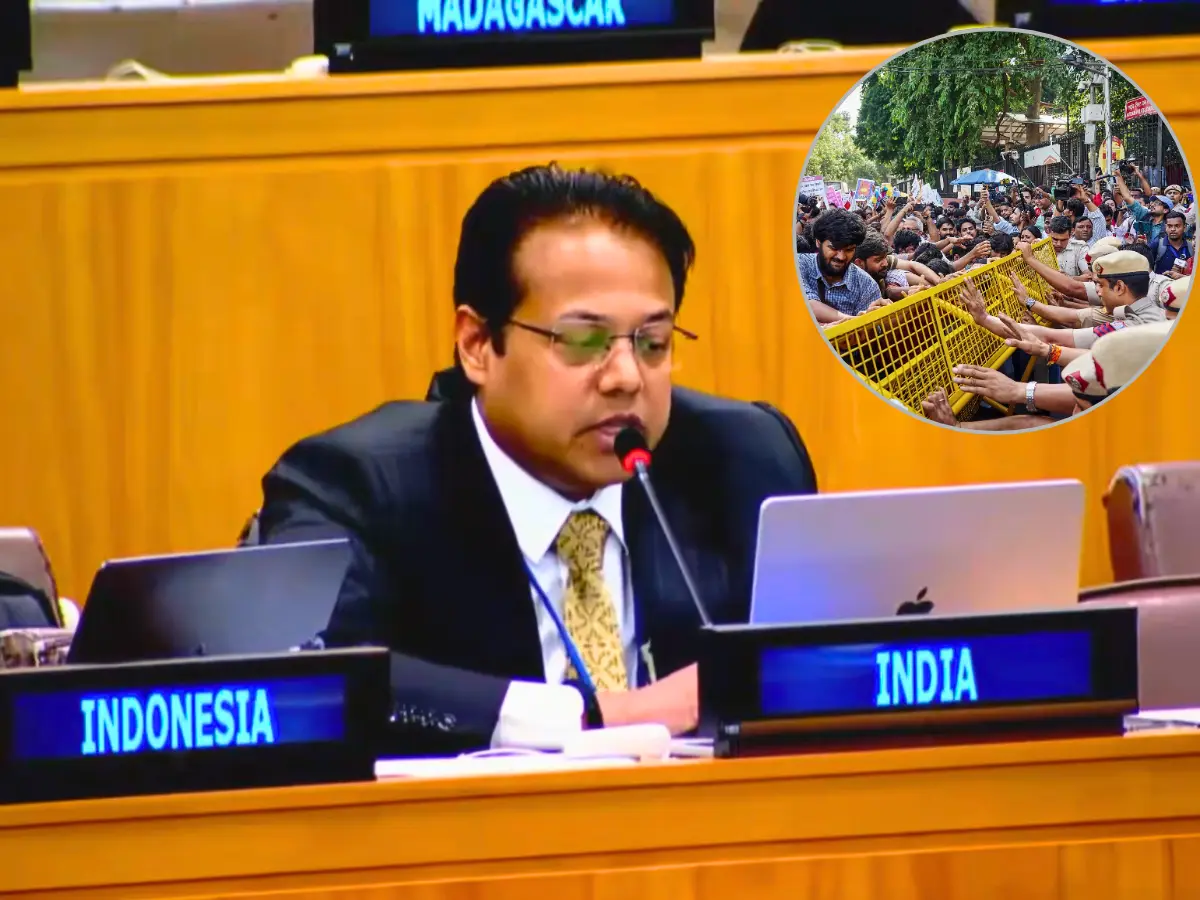
'Reason UN has lost credibility': Amid SIR protests India hits out at report alleging 'youth repression'
&imwidth=180&imheight=135&format=webp&quality=medium)
US midterm elections 2026: Postal ballots and voter disenfranchisement — A key battle for Donald Trump
&imwidth=180&imheight=135&format=webp&quality=medium)
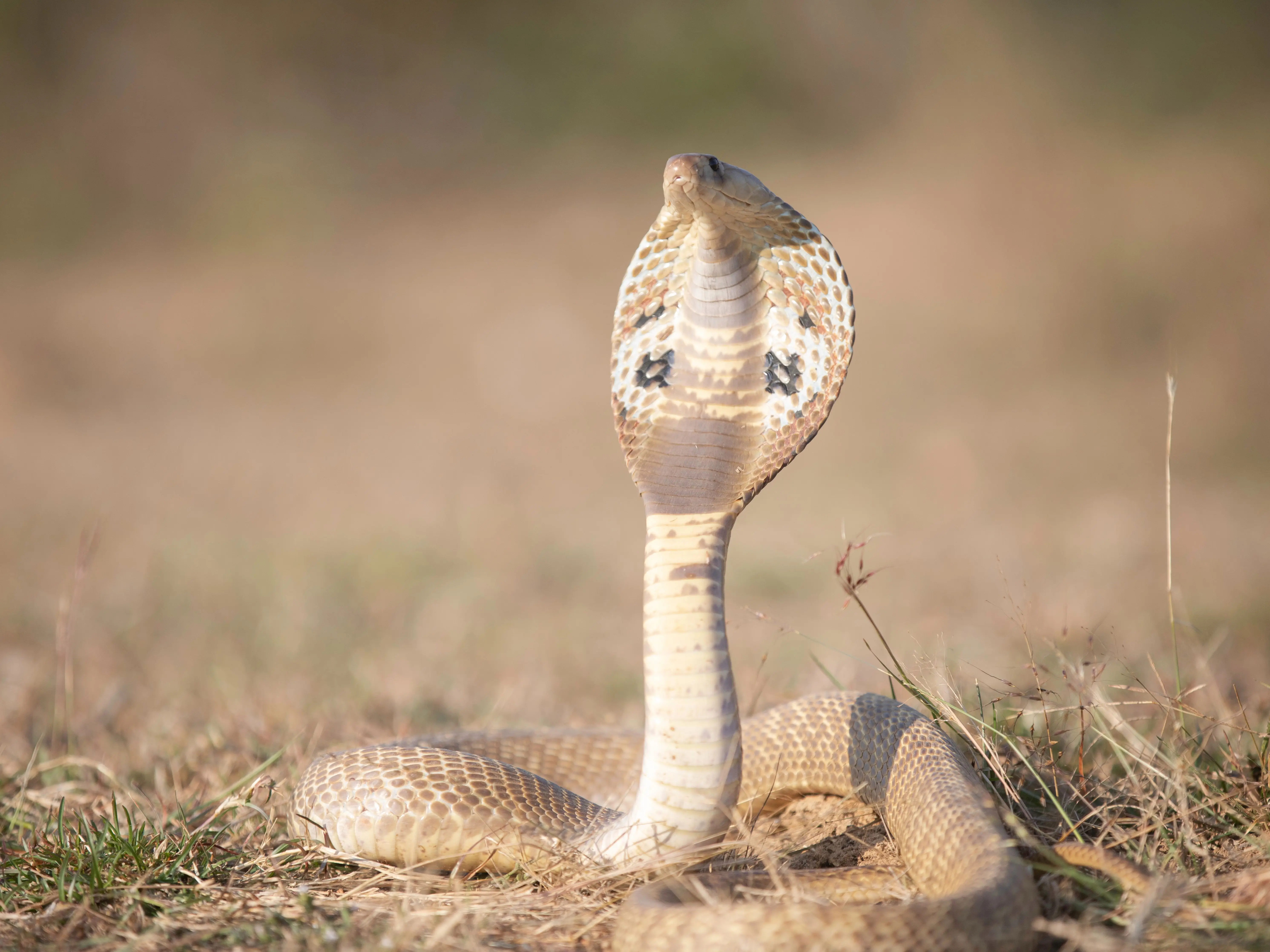
One species, two lineages: Why Sri Lanka’s spectacled cobra differs genetically from Indian variant
&imwidth=180&imheight=135&format=webp&quality=medium)
Pakistan to head IMF, World Bank boards after 74 years amid persistent economic crisis
&imwidth=180&imheight=135&format=webp&quality=medium)
At least 400 arrested as protests turn violent in France; PM blames far left
&imwidth=180&imheight=135&format=webp&quality=medium)
'We feel like Mr India': Gujarat’s undercover SHE team guard garba nights at Navratri
&imwidth=180&imheight=135&format=webp&quality=medium)
PCB omits Atherton, Hussain from tri-series commentary panel over Imran Khan interview row
&imwidth=180&imheight=135&format=webp&quality=medium)
China responds to Trump's Press Secretary Katie Zacharia after toilet remark: 'Visit China more often'
&imwidth=180&imheight=135&format=webp&quality=medium)
Two students die, 14 injured at Dandiya event in Hyderabad: Know what happened? VIDEO
&imwidth=180&imheight=135&format=webp&quality=medium)
'It's a joy to see the makers bring it on such a grand scale': SS Rajamouli on Ramayana
&imwidth=180&imheight=135&format=webp&quality=medium)
‘I have very severe problems’: Trump fuels health speculation during address to firefighters
&imwidth=180&imheight=135&format=webp&quality=medium)
Tiger Shroff attacked by three gunmen in Mumbai, actor safe, two injured
&imwidth=180&imheight=135&format=webp&quality=medium)
WATCH | Flames engulf St Petersburg oil sites as Ukraine launches 1,000 drones at Russia
&im=FitAndFill=(700,400)&imwidth=180&imheight=135&format=webp&quality=medium)
Inside Tesla's Roadster: 10 features of Elon Musk's 'flying car' that push the limits of electric vehicles | In Pics
Five key takeaways from the Nari Shakti Vandan Adhiniyam bill
1. TheConstitution (One Hundred and Twenty Eighth Amendment) Bill, 2023, seeks to meet a long-pending demand. If passed, it will provide 33 per cent reservation to women in Lok Sabha and state assemblies.
While introducing the bill, Union Minister Meghwal said that once the Nari Shakti Vandan Adhiniyam is passed, the number of seats for women in Lok Sabha will increase to 181.
2. The bill proposes that the above-mentioned reservation will continue for a period of 15 years and that within the reserved seats for women, there will be a quota for SC/STs.
Congress General Secretary in-charge of Communication, Jairam Ramesh, as per news agency PTI, has pointed out that the reservation will come into effect only after the publication of the next census and the subsequent delimitation exercise.
Also read |Beginning of a new future in new parliament: Indian PM Modi addresses special parl session
3. The reservation of "as nearly as may be, one-third of the total number of seats to be filled by direct election" will come into effect after a delimitation exercise is undertaken.
The delimitation exercise involves the redrawing of boundaries of Lok Sabha and state assembly seats to appropriately represent changes in population. These exercises seek to provide equal representation to the various segments of society.
4. As per the government, the bill will enable greater participation of women in policymaking at the state and national levels. It also said that the 'Nari Shakti Vandan Adhiniyam' will help achieve the goal of making India a developed country by 2047.
5. For the bill to be passed, it will require the ratification of at least 50 per cent of the states. This is necessary as the bill will affect their rights.
(With inputs from agencies)
WATCH WION LIVE HERE
You can now write for wionews.com and be a part of the community. Share your stories and opinions with us here.

