GRAP IV comes into force as Delhi’s AQI crosses 400; here’s what’s restricted

&imwidth=600&imheight=450&format=webp&quality=medium "GRAP IV comes into force as Delhi’s AQI crosses 400; here’s what’s restricted")
Photograph: (ANI)
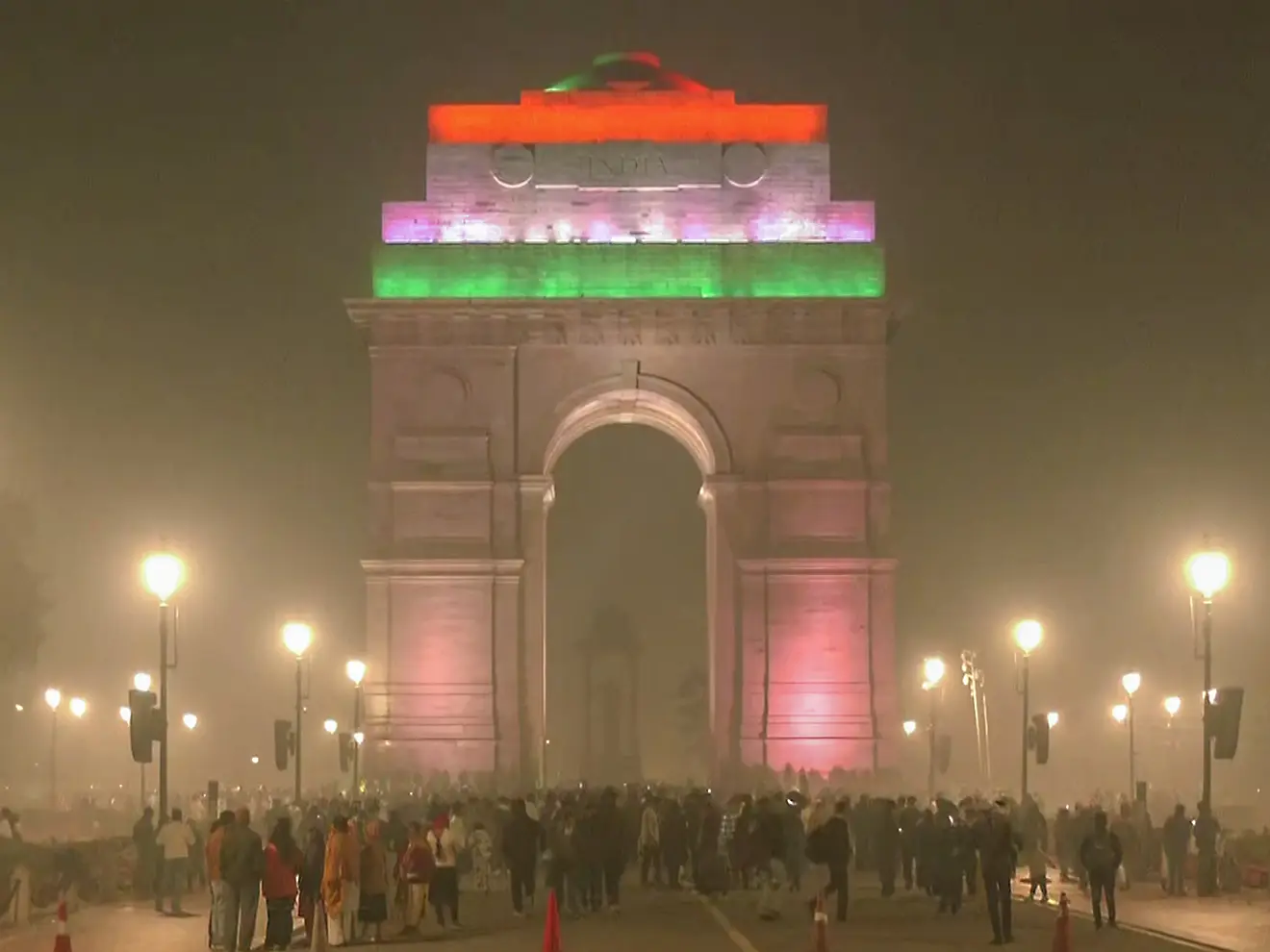
The strictest curb under the GRAP measures comes a day after authorities enforced GRAP 3 measures to prevent further worsening of the air.
Delhi's air quality plummeted to the 'severe' category on Saturday (Jan 17), prompting authorities to invoke the stage restrictions under the Graded Response Action Plan (GRAP) in NCR and adjoining areas. Delhi AQI recorded at 400 at 4 pm with signs of further deterioration to reach 428 by 8 pm due to unfavorable metrological conditions amid the impact of western disturbances along with low wind speeds.
The Commission for Air Quality Management in NCR and Adjoining Areas (CAQM) on Saturday evening announced a ban on the entry of truck traffic into Delhi, except for those carrying essential commodities and providing essential services.
The strictest curb under the GRAP measures comes a day after authorities enforced GRAP 3 measures to prevent further worsening of the air. According to experts, exposure to air quality below the satisfactory level, an AQI of 100, can trigger respiratory and heart ailments, especially among children, elderly people, and those with illnesses.
Meanwhile, visibility has been affected across the region as cold wave conditions continued to prevail in the national capital and dense fog enveloped large parts of the city. The dense fog around the airport area also led to certain flight delays due to the reduced visibility.
As per CPCB classification, an AQI between the range 0-50 falls under 'Good', 51-100 'satisfactory', 101-200 'moderate', 201-300 'poor', 301-400 'very poor', and 401-500 is considered 'severe'.
Trending Stories
)
)
)
)
)
)
)
)
)
)
)
&im=FitAndFill=(700,400))
)
)
)
)
)
)
)
)
)
)
)
)
)
)
)
)
)
)
)
)
)
)
)
)
)
What are the measures under GRAP-IV restrictions?
Stage four of the GRAP rules is considered the most stringent, with measures like a complete ban on construction and demolition activities across Delhi. Stone crushing, mining operations and other allied activities have to be paused under the rules, as these activities are major contributors to dust and particulate pollutants in the air.
Educational institutions are ordered to shift to hybrid modes for classes up to standard 5, aimed at reducing exposure of young children to the toxic haze.
Transport curbs have also been tightened across the National Capital Region. Authorities have directed NCR state governments and the Government of the National Capital Territory of Delhi to strictly restrict the movement of BS-III petrol and BS-IV diesel light motor vehicles, including four-wheelers.
The measures are not limited to the national capital and will also be enforced in major neighbouring districts such as Gurugram, Faridabad, Ghaziabad and Gautam Buddha Nagar.