
&imwidth=800&imheight=600&format=webp&quality=medium "Gas prices may come to normal, but a girl’s dignity can’t be regained, says Assam CM after assembly passes UCC Bill")
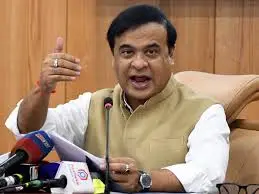
Assam on Wednesday (May 27) passed the Uniform Civil Code (UCC) Bill in the state Assembly after a marathon debate between the ruling NDA and opposition parties, becoming the third Indian state after Uttarakhand and Gujarat to move ahead with a UCC framework. Chief Minister Himanta Biswa Sarma described the legislation as a landmark reform aimed at safeguarding women’s dignity and rights. “UCC is the best beginning of our government’s five-year journey,” Sarma said during the discussion in the Assembly.
The Bill was passed amid noisy protests by opposition legislators from the Congress and the AIUDF, who questioned both the intent and the “uniformity” of the proposed law. Defending the legislation, Sarma argued that women’s dignity must remain paramount. “Gas price will increase, price will decrease one day, but if a girl loses her dignity, it can never be gained back,” he said in the House.

The Assam government had tabled the Bill in the Assembly on Monday. It proposes a common set of laws governing marriage, divorce, succession and live-in relationships, irrespective of religion. Under the proposed legislation, polygamy would be banned, and registration of live-in relationships would become mandatory. The Bill also prescribes punitive provisions, including imprisonment of up to seven years for bigamy or polygamy and up to three months in jail for failing to register a live-in relationship.
However, Scheduled Tribes residing in Assam have been excluded from the ambit of the law. The state government maintained that traditional tribal customs and laws should remain protected. Opposition parties strongly objected to the Bill during the debate, terming it part of the BJP’s “political agenda” and demanding wider consultations before its passage.
Trending Stories
)
Xi Jinping's new AI bloc: China launches 'World AI Body' with Pakistan and Russia in, India out
&im=FitAndFill=(700,400))
FIFA World Cup 2026: 5 football stars who went viral on social media during the tournament
)
Karoline Leavitt to be US Vice President when Usha Vance gives birth? JD Vance says...
&im=FitAndFill=(700,400))
IN PICS | Top 10 unforgettable moments from FIFA World Cup 2026
)
Sonam Wangchuk's connection with George Soros and Ford Foundation explained!
)
'There is no need for...': PM Modi takes a veiled dig at Rahul Gandhi, sends big message amid Parliament March
)
'Could be bombed at any moment': What Iran's Araghchi told Trump envoy Witkoff during negotiations
)
BTS at FIFA 2026: Check the halftime show timings for India and across the world
)
'George Soros playbook': Understanding the foreign funding network around Sonam Wangchuk
&im=FitAndFill=(700,400))
New OTT releases this week (July 20-26, 2026): Musafir Cafe, Adarsh Baal Vidyalaya, 72 Hours- 5 new titles coming on Netflix, Prime Video and more
&im=FitAndFill=(700,400))
2026 FIFA World Cup awards: Full list of Golden Boot, Golden Ball, Golden Glove and every major winner
)
JD and Usha Vance welcome fourth child: Who serves as acting US vice president during Vance's paternity leave?
)
Older than Himalayas: 85mn-year-old Kewra plant reached India 24mn years ago, fossil discovery in Assam shows
)
Did Iran secretly ship 70 million barrels of oil to China? Report claims $6 billion crude exported before blockade restored
)
Homer's Iliad written before The Odyssey found inside an Egyptian mummy
&im=FitAndFill=(700,400))
FIFA World Cup 2026 awards race: Who are Golden Boot, Golden Ball and Golden Glove contenders ahead of the final
&im=FitAndFill=(700,400))
Global air power ranking 2026: India surpasses China
)
Truck loaded with stones, metro stations closed: What's happening at Jantar Mantar now
&im=FitAndFill=(700,400))
Why the F-22’s cockpit glass is thicker than a standard fighter jet
)
Student union leaders call off hunger strike at Jantar Mantar after civil society appeal, but protest continues
)
FIFA 2026: BTS lights up World Cup final halftime show with 'Dynamite' performance
)
'Chalo Sansad' march today: Section 163 in force, Delhi Police remove barricades; unfazed Dharmendra Pradhan meets NEET topper
&im=FitAndFill=(700,400))
Why the F-22’s tail fins are canted to minimize its radar footprint
)
Imran Khan's sister links India-Pakistan 2025 conflict to Israel recognition plans
)
US strikes Iran, sirens heard in Kuwait, one American soldier killed in Iraq: What's happening in West Asia
)
Argentina's racism problem: How football chants reflect a deeper historical legacy
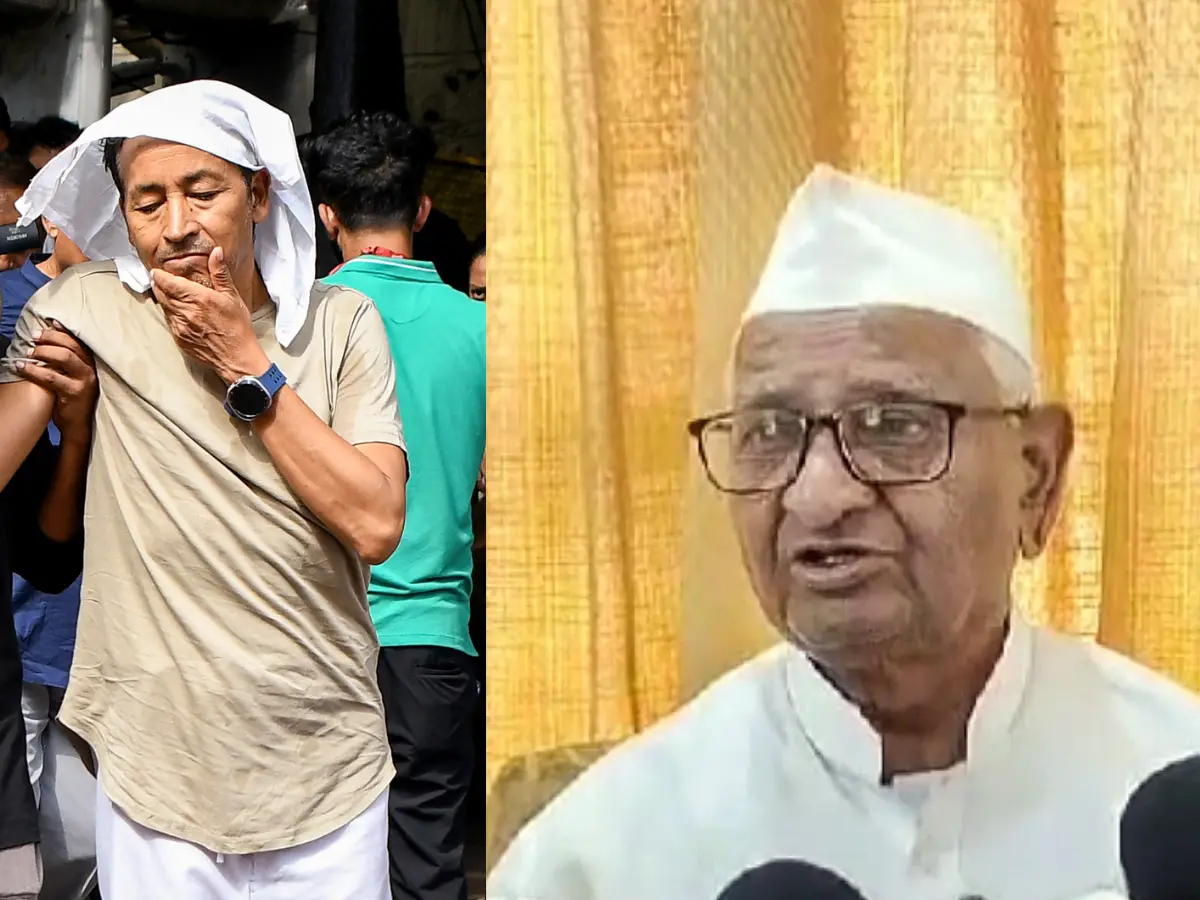)
'What is wrong...': Anna Hazare breaks silence on Sonam Wangchuk's protest, makes an appeal to Centre
Congress Legislature Party leader Wajed Ali Choudhury argued that most issues covered under the proposed UCC were already addressed through existing laws on child marriage, marriage registration, divorce, alimony and polygamy. “The BJP brought it only for politics. It’s not democratic to intervene in the personal issues of people. And how can a law excluding the tribals be called uniform?” Choudhury asked in the Assembly.

