From banning polygamy to registering live-in couples: What Assam’s new UCC Bill covers

The Assam government led by Chief Minister Himanta Biswa Sarma introduced the Uniform Civil Code (UCC) bill on Monday (May 25). If successful, Assam will become the third state to have passed it, expanding BJP’s nationwide UCC push.
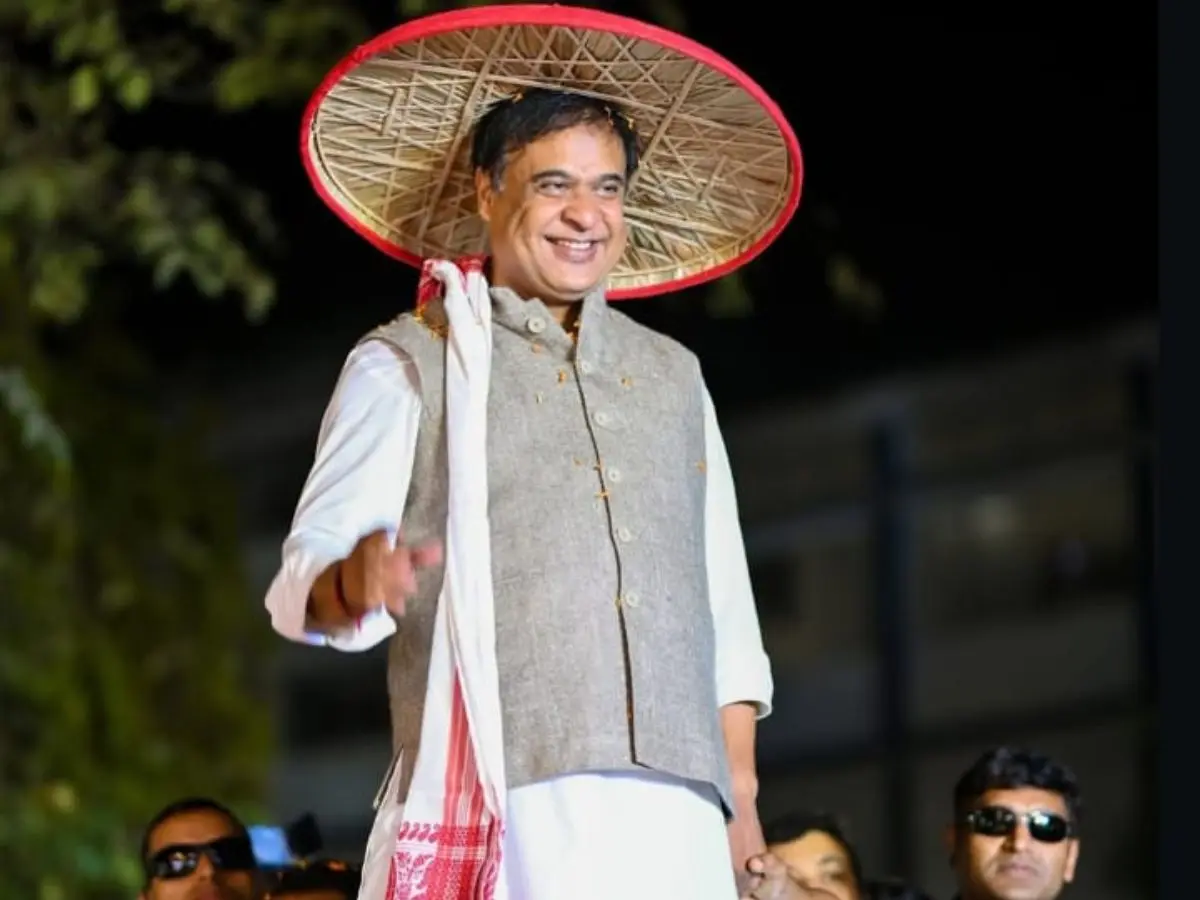
Assam tables UCC bill
The Assam Government introduced a Uniform Civil Code (UCC) bill on Monday (May 25). The bill, tabled by Parliamentary Affairs Minister Atul Bora on behalf of Chief Minister Himanta Biswa Sarma, is expected to be taken up for discussion and passage on May 27.
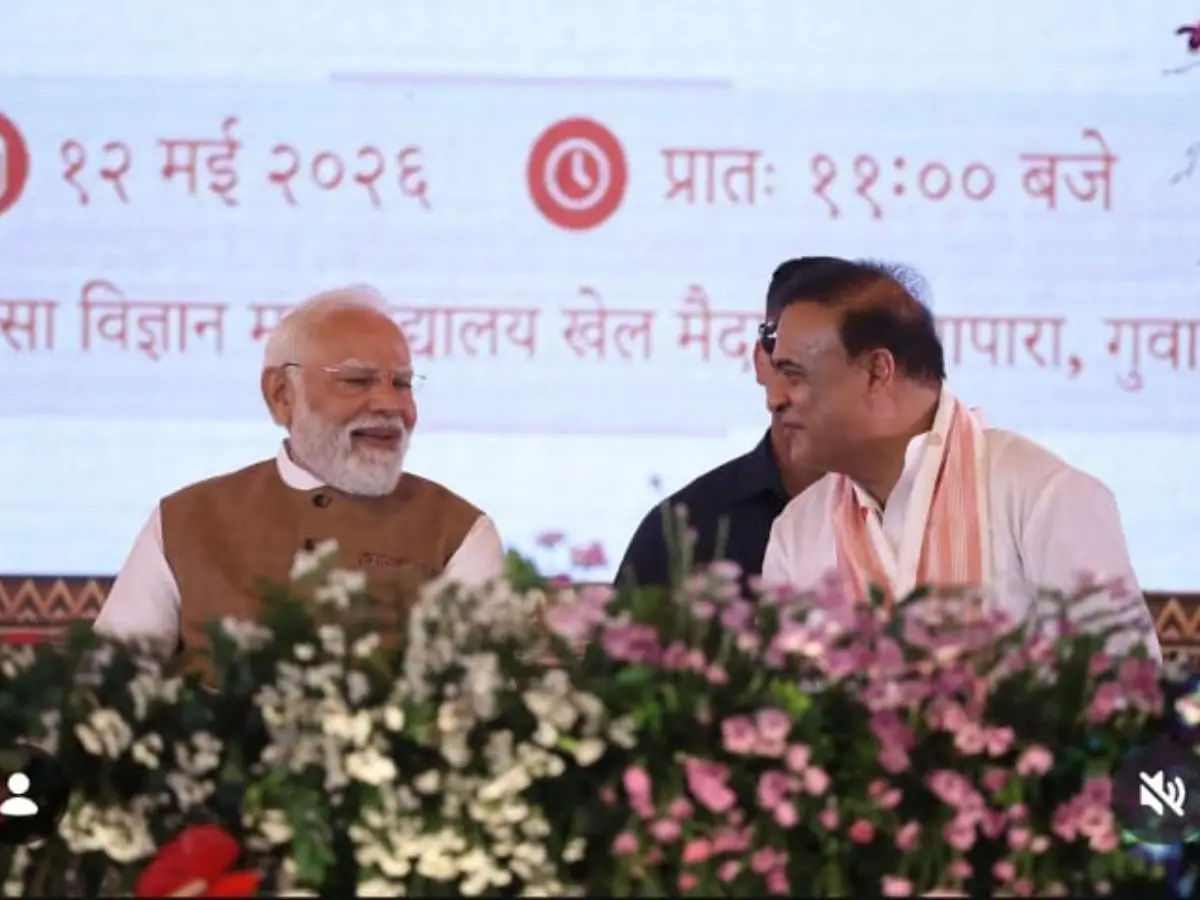
What the bill proposes
The bill aims to standardise personal laws replacing religion-specific practices to ensure legal uniformity across communities in the state. It proposes a statutory framework governing live-in relationships and excludes all Scheduled Tribes (STs) from its ambit to safeguard their constitutional rights and indigenous customs.

Previous states to have passed a UCC bill
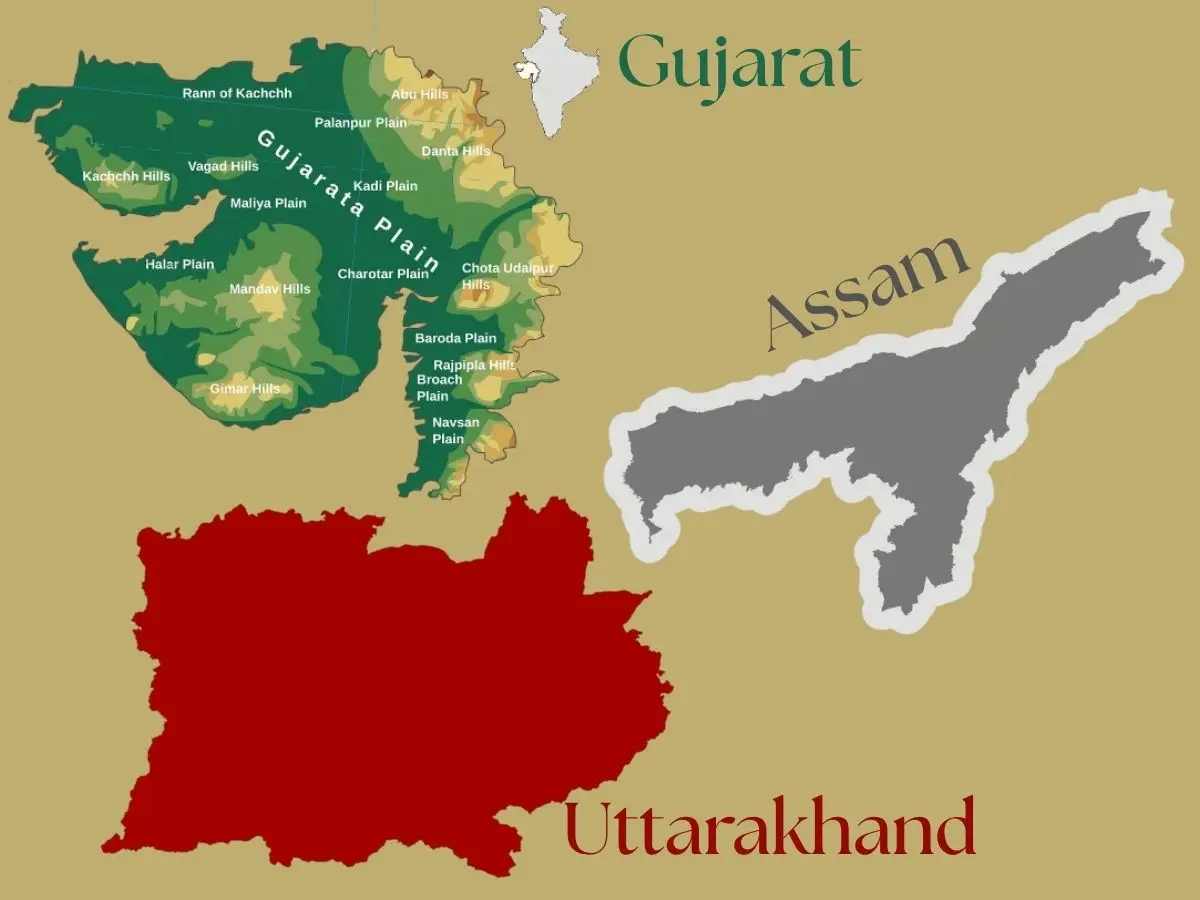
If the bill is passed in the Assam assembly, Assam will become the third state in the country to pass a UCC bill, followed by Gujarat and Uttarakhand. Notably, all three states are led by a Bharatiya Janata Party government, reflecting the party’s continuous push towards UCC.

Gujarat and Uttarakhand
The Gujarat Legislative Assembly passed the Gujarat Uniform Civil Code on 25 March 2026. The government, led by long-standing Chief Minister Bhupendra Patel, was the second state to pass this law. The Uttarakhand government passed the UCC bill in February 2024. In doing so, it became the first state in independent India to enact and enforce a common civil code.
Similarities in the bills
While each of the three bills have been tailored to their local culture and regional demographics, all of them establish a common set of civil laws. All three exempt tribal communities, seek to regulate live-in relationships, property laws, ban polygamy and set a standardised age of marriage.
The debate surrounding UCC
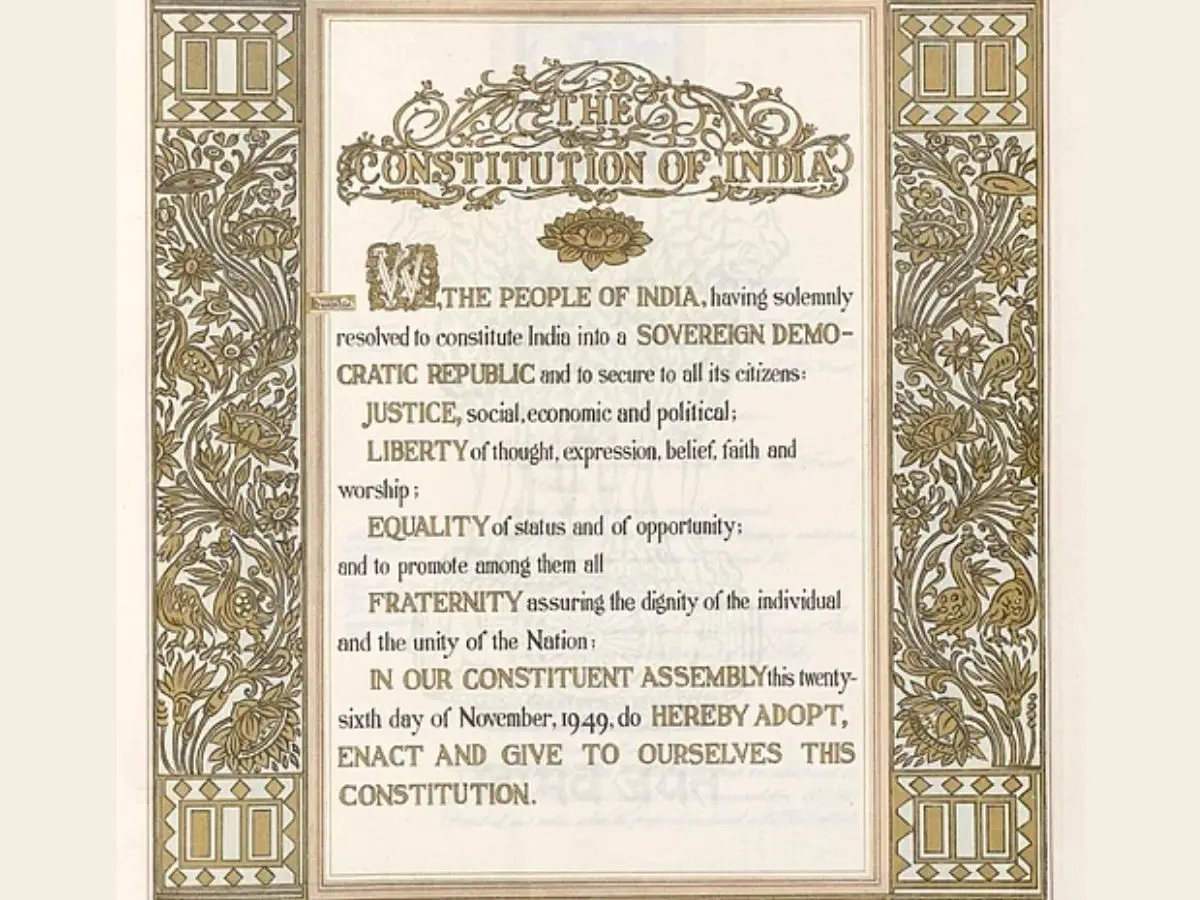
UCC is a non-binding Directive Principle of State Policy (DPSP) under Article 44 of the Constitution. The bill has constantly become a subject of debate, with supporters pushing for the UCC as a crucial step towards gender equality and national integration. Critics, however, argue infringement of religious freedoms and threat to minority rights.
BJP’s strong push towards UCC
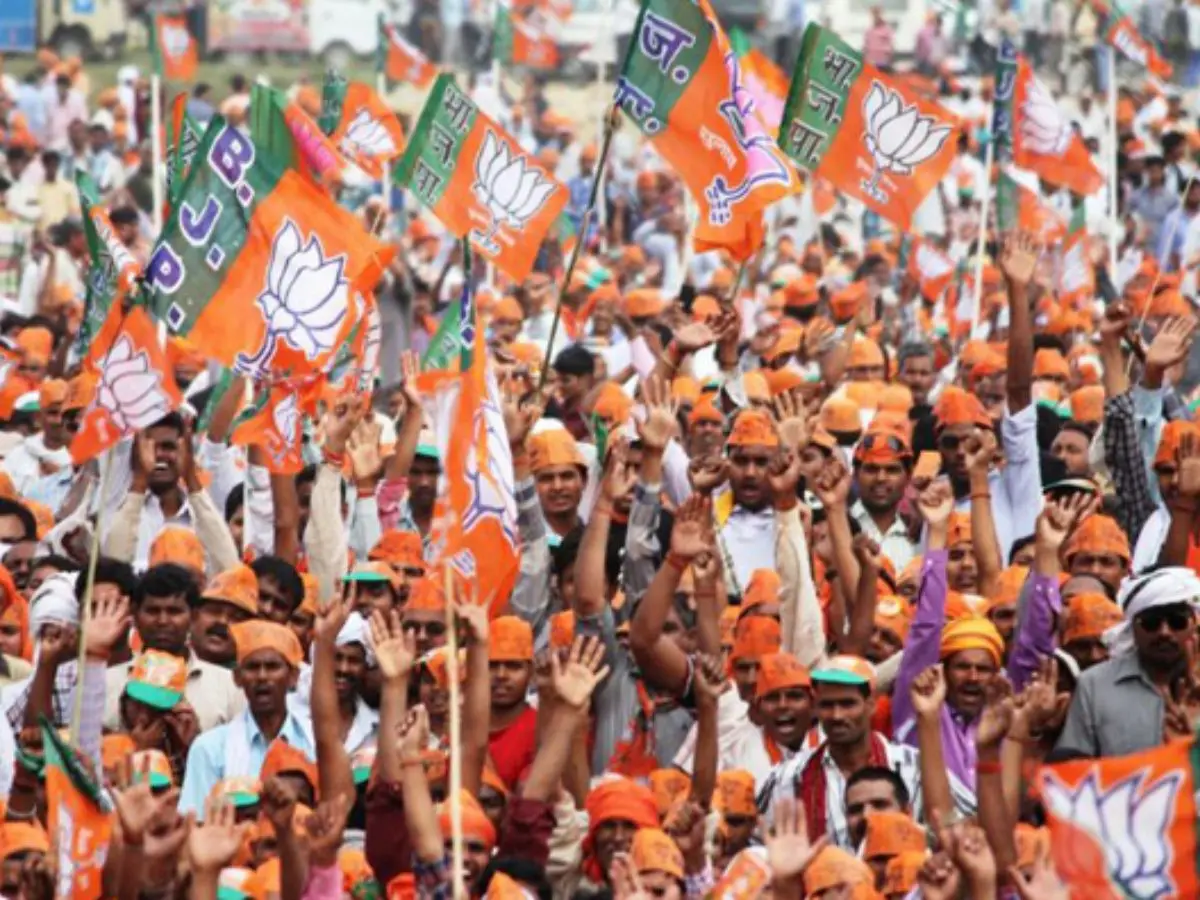
Despite the opposing voices, BJP has constantly championed the UCC cause, with the uniform code being one of the party's ideological pillars. It has historically been part of its foundational “trinity”, alongside the promise of Ram Mandir and the abrogation of Article 370. If the Assam bill passes, it will be a major ideological milestone for the BJP.
)
)
)
)
)