EXPLAINED: Why crude oil shocks hit India harder than other major economies — And how can it change?

&imwidth=600&imheight=450&format=webp&quality=medium "EXPLAINED: Why crude oil shocks hit India harder than other major economies — And how can it change?")
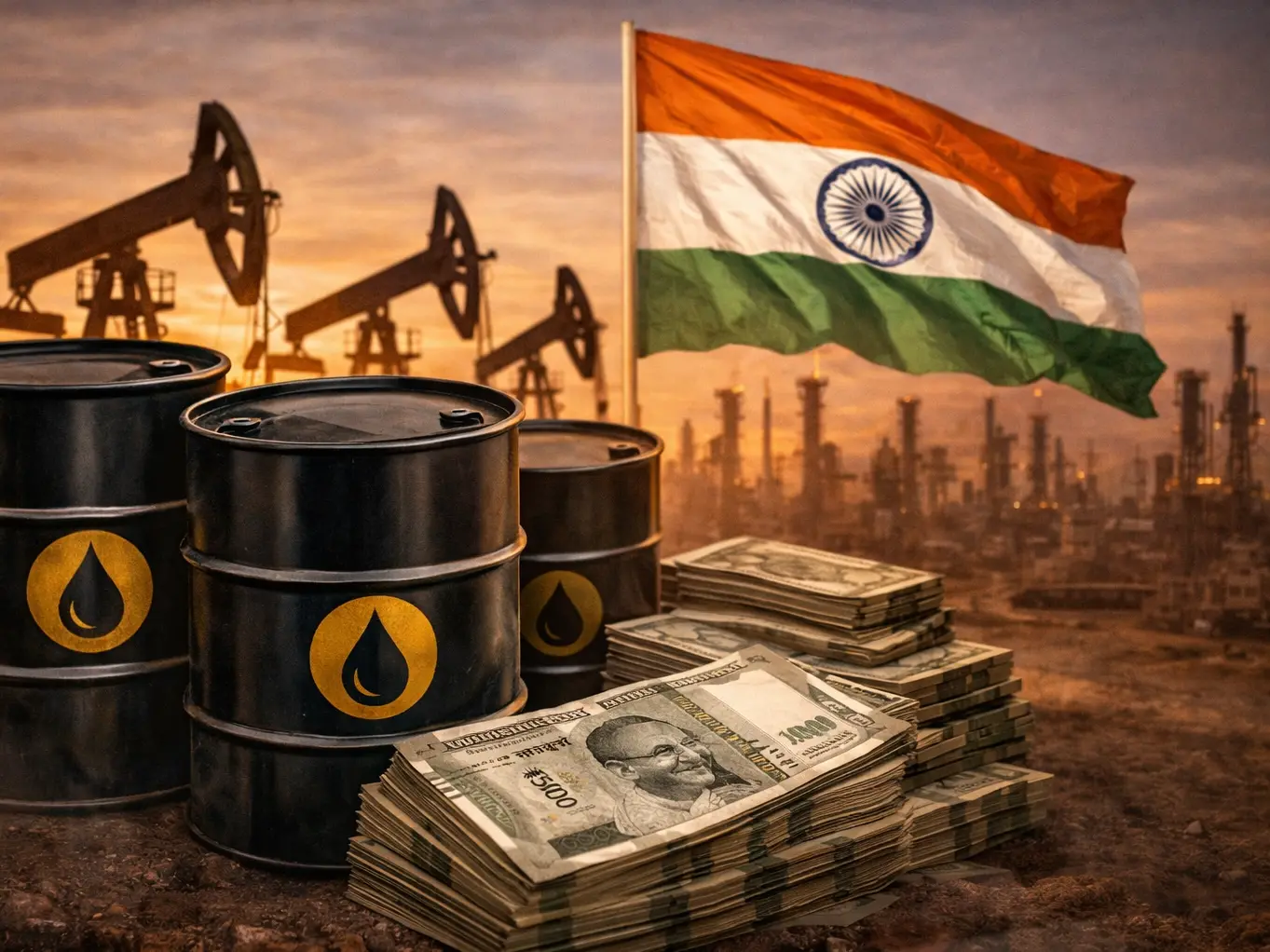
Representative image. Photograph: (AI)
To cushion domestic consumers and farmers from global price surges, government outlays on energy and fertiliser subsidies rose steeply, straining fiscal deficit targets. The shocks also disrupted supply chains, resulting in soaring freight rates and maritime insurance costs.
Rising global crude oil prices have once again brought the economic conditions of India under pressure. The rise in oil prices is being driven by geopolitical tensions in West Asia, escalating concerns over disruptions in oil supplies. Given that India imports over 85 per cent of its crude oil needs, higher prices can push the import bill of the country, widen the current account deficit, put pressure on the rupee, and add fuel to inflation.
Simultaneously, oil marketing companies (OMCs) may experience pressure on their margins if domestic retail fuel prices are not revised in line with global rates. This leaves the government to balance inflation control, consumer relief and fiscal stability.
Why does India feel global oil shocks more?
After the pandemic began in 2019, the prices of crude oil have swung dramatically on the world stage. After averaging US$59 per barrel in 2019-20, prices dropped to US$44 per barrel in 2020-21 as pandemic-driven lockdowns curbed global activity. As economies reopened and demand rebounded, prices then jumped roughly 79% to US$78 per barrel in 2021-22, climbing further to US$93 per barrel in 2022-23.
The combined effect of lingering pandemic disruptions, sustained geopolitical strain from the Russia-Ukraine war, and sanctions on Russian oil exports drove a sharp spike in price volatility. From levels above US$90 per barrel in 2023-24, international crude prices subsequently slipped below US$70 per barrel starting in 2025-26.
As a net importer, India has consistently remained exposed to the unpredictability of global oil markets, prompting the government to repeatedly step into the domestic fuel market to cushion the economy from the inflationary and output-related fallout of rising oil prices. Soon after the outbreak of the US–Iran conflict in February 2026 and subsequent disruptions around the Strait of Hormuz has massively triggered a sharp global crude oil price shock was triggered, delivering a significant macroeconomic blow to India.
Trending Stories
&im=FitAndFill=(700,400)&imwidth=280&imheight=210&format=webp&quality=medium)
&imwidth=280&imheight=210&format=webp&quality=medium)
&imwidth=280&imheight=210&format=webp&quality=medium)
&imwidth=280&imheight=210&format=webp&quality=medium)
&imwidth=280&imheight=210&format=webp&quality=medium)
&imwidth=280&imheight=210&format=webp&quality=medium)
&imwidth=280&imheight=210&format=webp&quality=medium)
&imwidth=280&imheight=210&format=webp&quality=medium)
&imwidth=280&imheight=210&format=webp&quality=medium)
&im=FitAndFill=(700,400)&imwidth=280&imheight=210&format=webp&quality=medium)
&imwidth=280&imheight=210&format=webp&quality=medium)
&imwidth=280&imheight=210&format=webp&quality=medium)
&imwidth=280&imheight=210&format=webp&quality=medium)
&imwidth=280&imheight=210&format=webp&quality=medium)
&imwidth=280&imheight=210&format=webp&quality=medium)
&imwidth=280&imheight=210&format=webp&quality=medium)
&imwidth=280&imheight=210&format=webp&quality=medium)
&imwidth=280&imheight=210&format=webp&quality=medium)
&imwidth=280&imheight=210&format=webp&quality=medium)
&imwidth=280&imheight=210&format=webp&quality=medium)
&imwidth=280&imheight=210&format=webp&quality=medium)
&imwidth=280&imheight=210&format=webp&quality=medium)
&im=FitAndFill=(700,400)&imwidth=280&imheight=210&format=webp&quality=medium)
&imwidth=280&imheight=210&format=webp&quality=medium)
&imwidth=280&imheight=210&format=webp&quality=medium)
&imwidth=280&imheight=210&format=webp&quality=medium)
&imwidth=280&imheight=210&format=webp&quality=medium)
&im=FitAndFill=(700,400)&imwidth=280&imheight=210&format=webp&quality=medium)
&imwidth=280&imheight=210&format=webp&quality=medium)
&imwidth=280&imheight=210&format=webp&quality=medium)
&imwidth=280&imheight=210&format=webp&quality=medium)
&imwidth=280&imheight=210&format=webp&quality=medium)
&imwidth=280&imheight=210&format=webp&quality=medium)
&imwidth=280&imheight=210&format=webp&quality=medium)
&imwidth=280&imheight=210&format=webp&quality=medium)
This has resulted in India suffering an immediate expansion of its Current Account Deficit (CAD) and import bill. The surging oil prices caused substantial downward pressure on the Indian Rupee. It also cascaded into higher transportation, manufacturing, and consumer costs. This cost-push inflation complicated the Reserve Bank of India's monetary management.
To cushion domestic consumers and farmers from global price surges, government outlays on energy and fertiliser subsidies rose steeply, straining fiscal deficit targets. Other than this, the shocks also disrupted supply chains, resulting in soaring freight rates and maritime insurance costs, which impacted key industries, including aviation, logistics, and agriculture.
How can India solve this problem?
1. Reducing import dependence
The Ministry of Petroleum & Natural Gas has opted for a multi-pronged strategy aimed at increasing production of oil and natural gas through various policy initiatives, alongside refinery process improvements and promoting energy efficiency and conservation. Policy measures like the Hydrocarbon Exploration and Licensing Policy (HELP) have reportedly helped reverse the decline in domestic crude oil production in 2023-24.
2. Demand Substitution
A core pillar of government policy is demand substitution by promoting usage of natural gas as fuel/feedstock across the country, moving towards a gas-based economy, and promoting renewable and alternate fuels like ethanol, compressed biogas, and biodiesel. The SATAT initiative (Sustainable Alternative Towards Affordable Transportation) has specifically been launched to promote Compressed Bio Gas (CBG) as an automotive fuel.
3. Ethanol Blending Programme (EBP)
This has emerged as a flagship measure; as of September 2024, India's ethanol blending programme has saved over US$12.80 billion in foreign exchange while providing US$10.89 billion to farmers over the last decade.
4. Diversifying the basket
To reduce over-reliance on any single region (particularly the geopolitically volatile Middle East), the government has focused on insulating common citizens from high international prices by diversifying the crude import basket and invoking Universal Service Obligation provisions to ensure availability of petrol and diesel in the domestic market.
5. Consumer relief measures
When global prices spike, the government has previously used tax levers — reducing Central Excise duty on petrol and diesel by Rs 13/litre and Rs 16/litre respectively across two tranches in November 2021 and May 2022, fully passed on to consumers, with some states also cutting VAT.
6. Renewable energy & EV push
Longer-term structural shifts include expanding electric vehicle charging infrastructure, with India targeting 500 GW of installed electricity capacity from non-fossil sources by 2030 through schemes like PM-KUSUM, PM Surya Ghar Muft Bijli Yojana, and the National Green Hydrogen Mission.
Despite these measures, dependence on crude oil has risen sharply, increasing imports from 189 million tonnes in 2014-15 to 243 million tonnes in 2024-25, with import dependence rising from 84 per cent to around 90 per cent over the same period.
In addition, India's crude oil import bill increased to approximately $50 billion in the June quarter of 2026, a 60 per cent jump from a year earlier, as the war in West Asia ended discounts that once cushioned the country's energy costs. The government data indicated that the world's third-largest oil importer paid $49.8 billion for crude in the April-June period. In addition, the volume of oil bought fell to around 60 million tonnes from 62.6 million tonnes a year ago.

