Dolo-650 tablet makers gave millions to Indian doctors for prescription, Supreme Court told


Dolo 650
Supreme Court of India on Thursday (August 18) was told by a non-governmental organisation (NGO) that India's Central Board of Direct Taxes had accused makers of the medicine Dolo of giving about 120 million USD (Rs 1000 crore Indian rupees) worth of freebies to doctors to make them prescribe 650 mg dosage of the drug. Dolo is an anti-inflammatory, anti-pyretic medicinethat had become extremely popular in Indiaduring Covid pandemic and was prescribed by most doctors for treating symptoms of the coronavirus infection.
A bench of Justices DY Chandrachud and AS Bopanna was told by senior advocate Sanjay Parikh and advocate Aparna Bhat, appearing for petitioner 'Federation of Medical and Sales Representatives Association of India', that the market price of any tablet up to 500mg is regulated under price control mechanism of the government, but the price of drug above 500mg can be fixed by manufacturer pharma company.
The advocates told the court that the company tried to ensure higher profit margin by offering freebies to doctors to prescribe Dolo-650 tablets.

Parikh added that it is an "irrational dose combination" and said that he would like to bring more such facts to the knowledge of the court after a response is filed by the Centre.
Also Read | India has banned the VLC Media Player. Is there a Chinese connection?
Justice Chandrachud said, "What you are saying is music to my ears. This is exactly the drug that I had when I had COVID recently. This is a serious issue and we will look into it."
)
The Early Spring is proof not everyone can talk about their real feelings, and it is perfectly OK
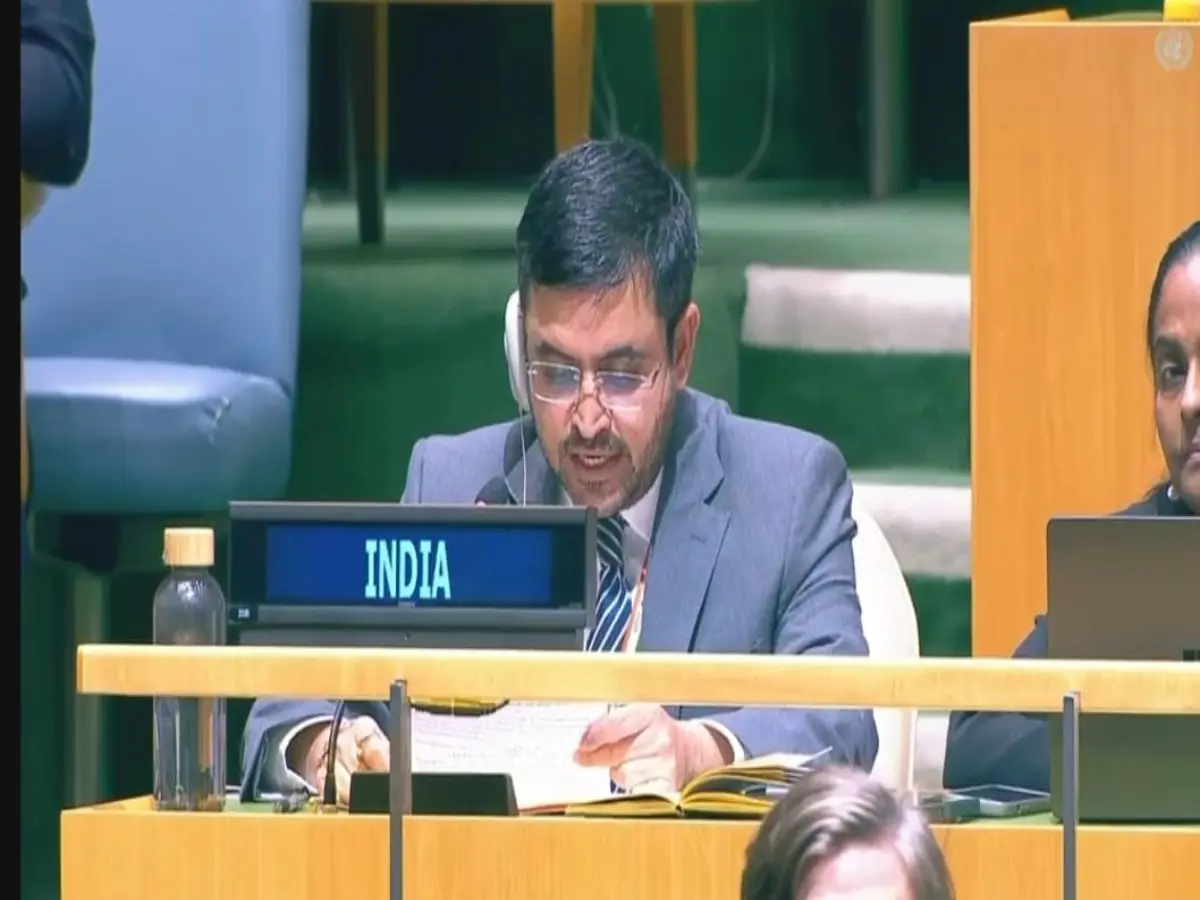)
UN votes to ‘correct the map’ as India backs fairer world view
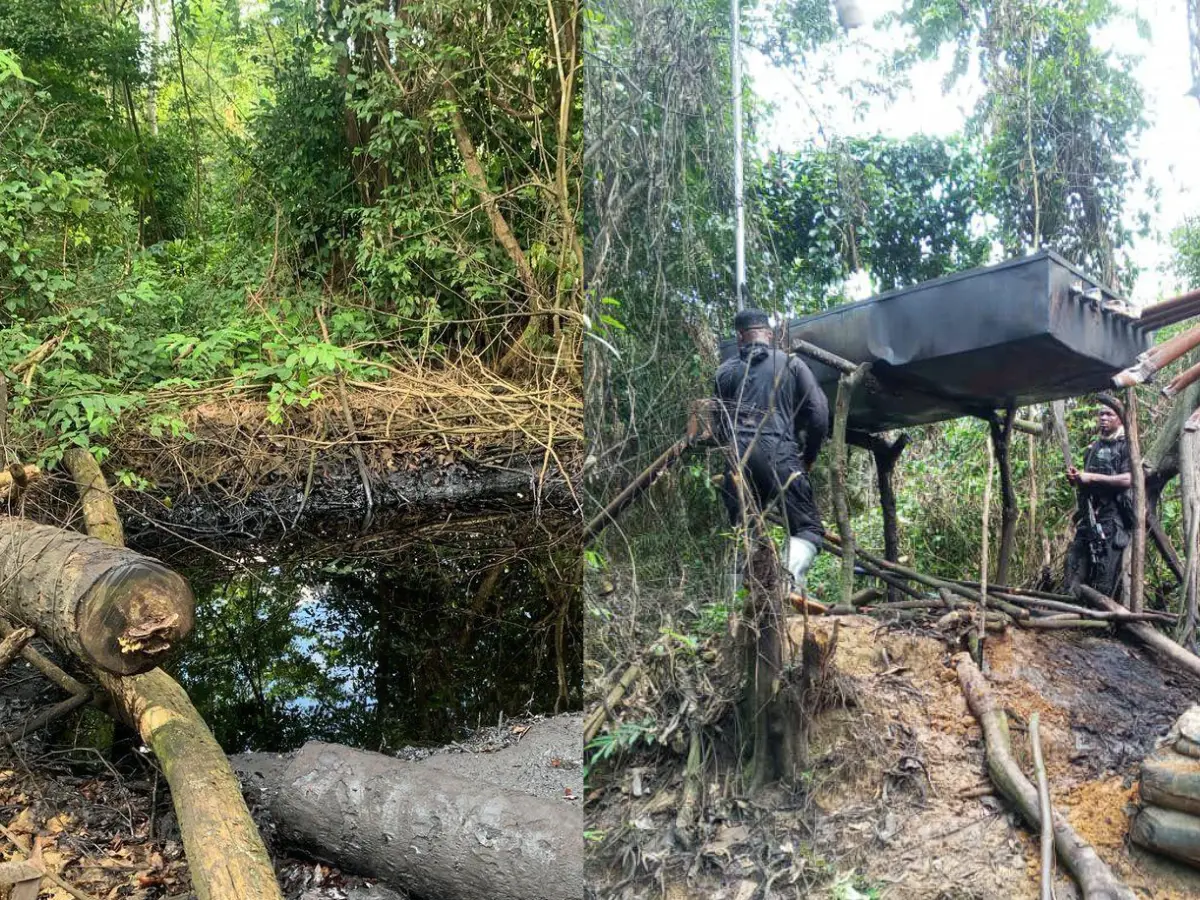)
Nigerian Navy discovers 99,000 litres of suspected stolen, illegally refined products as it intensifies anti-crude oil theft operations
)
Who is Aditi Paudel? 17-year-old becomes Japan's first literacy ambassador
)
Bengaluru: Officials find 40 kg expired chilli at chairman's club
)
Jaishankar rejects trade link to ending Ukraine war
)
Israeli strikes on Lebanon kill three, injure 23 despite truce
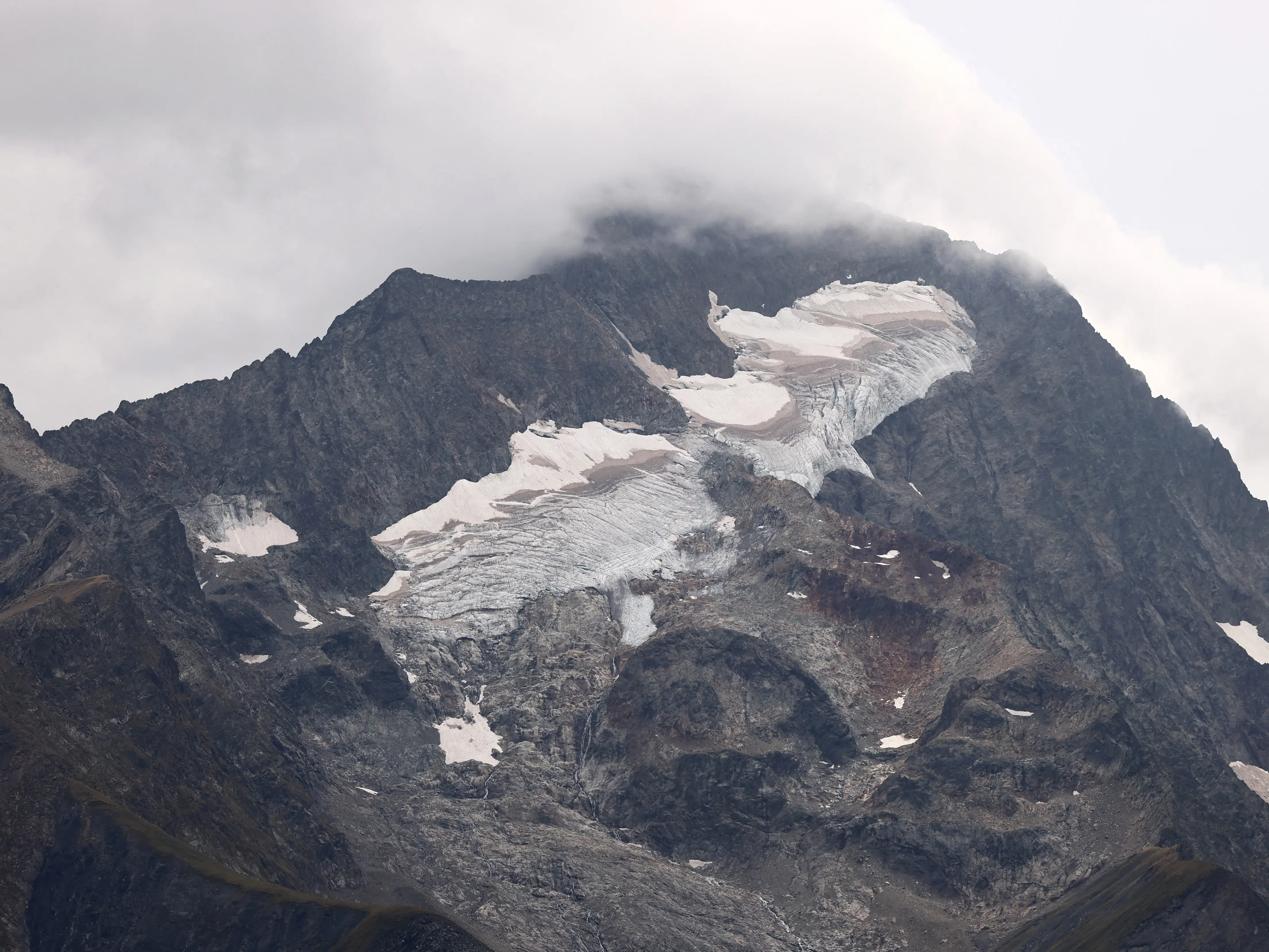)
Alpine glacier was covered with sheep wool sheets to prevent melting. It worked
)
South Korea mulls deploying military assets to Strait of Hormuz
)
World's fifth-largest economy, British army can't afford to train
)
Breaking | Vance takes the podium: First White House briefing since Leavitt's exit
)
Taiwan raises 'concerns' over China's missile test
)
BRICS 2026: $1 trillion sovereign capital set to converge in Delhi for first iBRICS Summit
)
What is Iran's Pickaxe Mountain that Trump has again threatened to bomb?
)
UN votes to correct world map that visually shrank Africa for 450 years
)
Former NewJeans member Danielle launches YouTube channel, hints at new solo journey
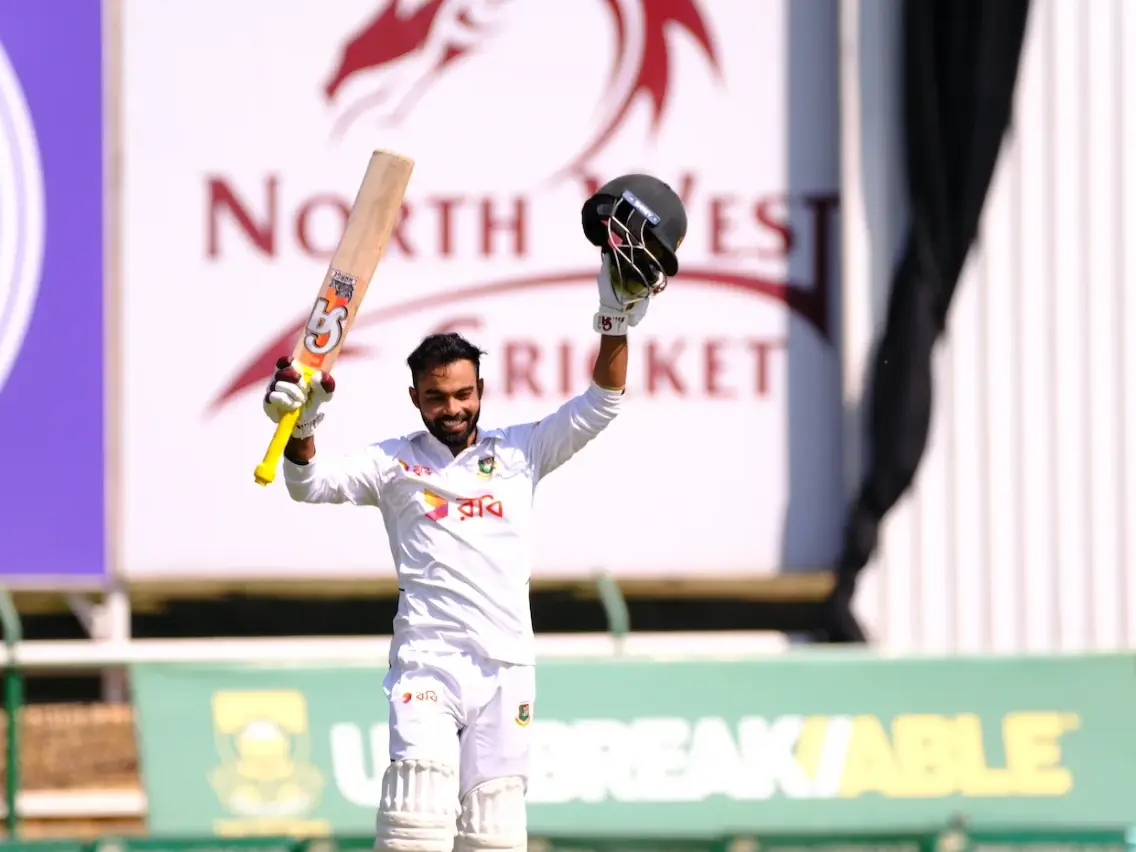)
Bangladesh batter Towhid Hridoy creates history with 350 not out in South Africa
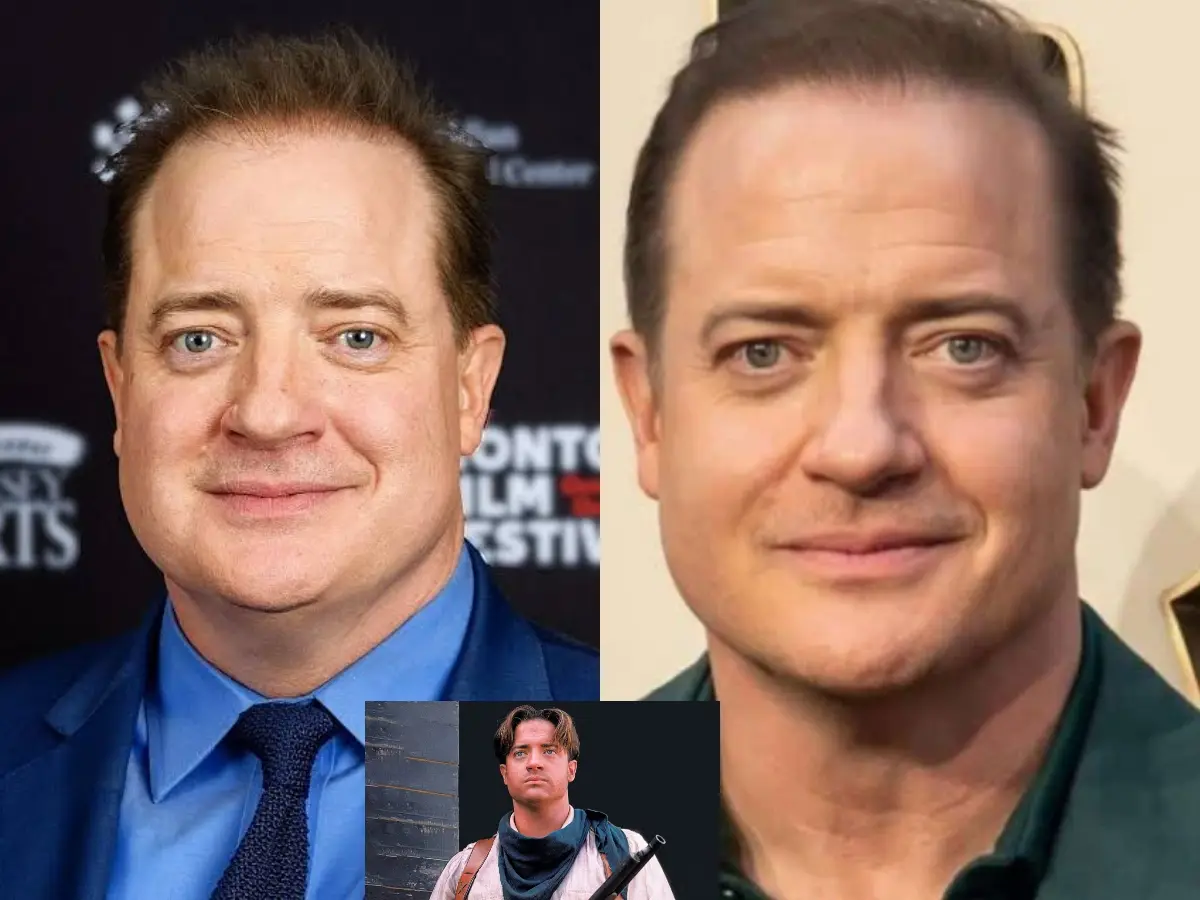)
Brendan Fraser’s transformation fuels The Mummy 4 excitement as fans welcome back Rick O’Connell
&im=FitAndFill=(700,400))
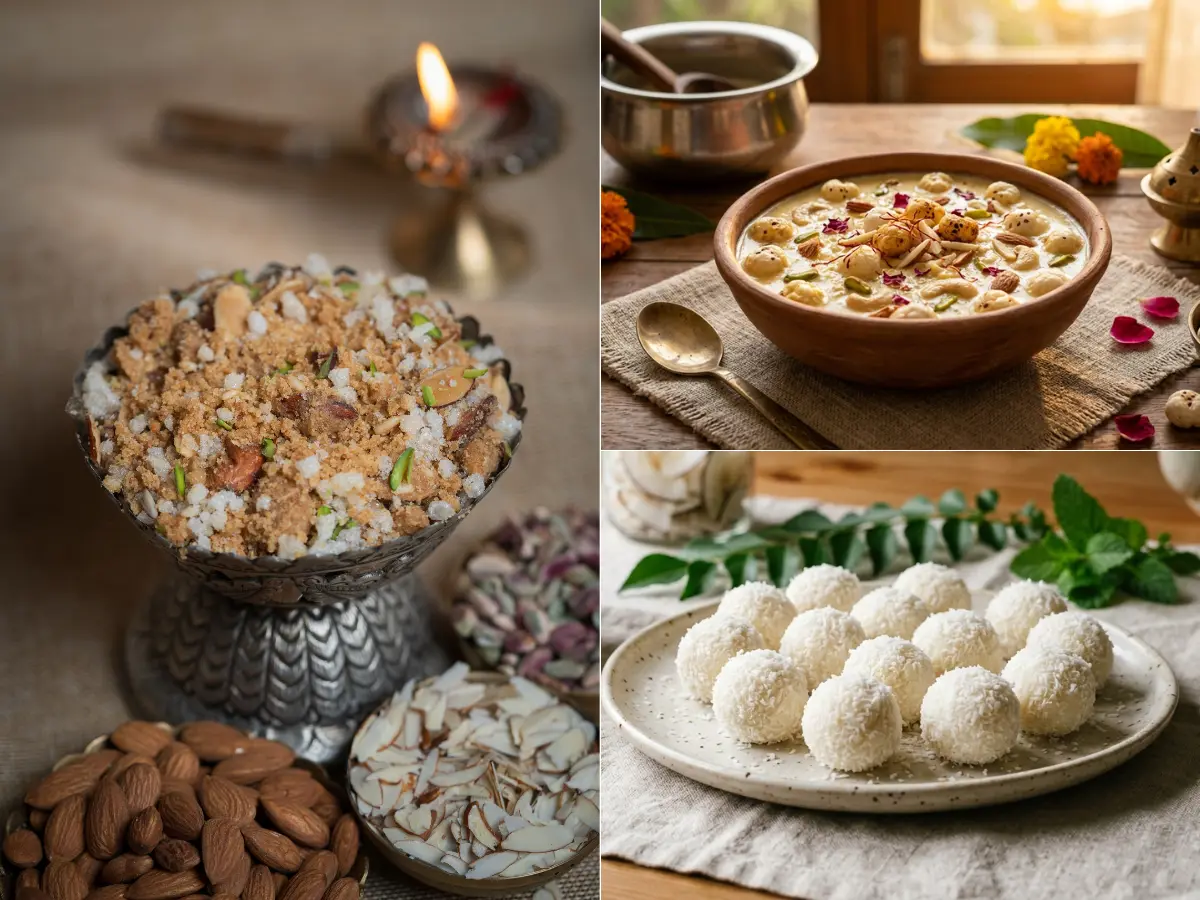
Krishna Janmashtami 2026: From Dhaniya Panjiri to Makhana Kheer- 5 best sweet dishes perfect for celebrating Lord Krishna’s birth
)
Donald Trump plans to travel to Ireland on Qatari-donated jet amid security concerns
)
Nazi-looted art to return to Jewish heirs
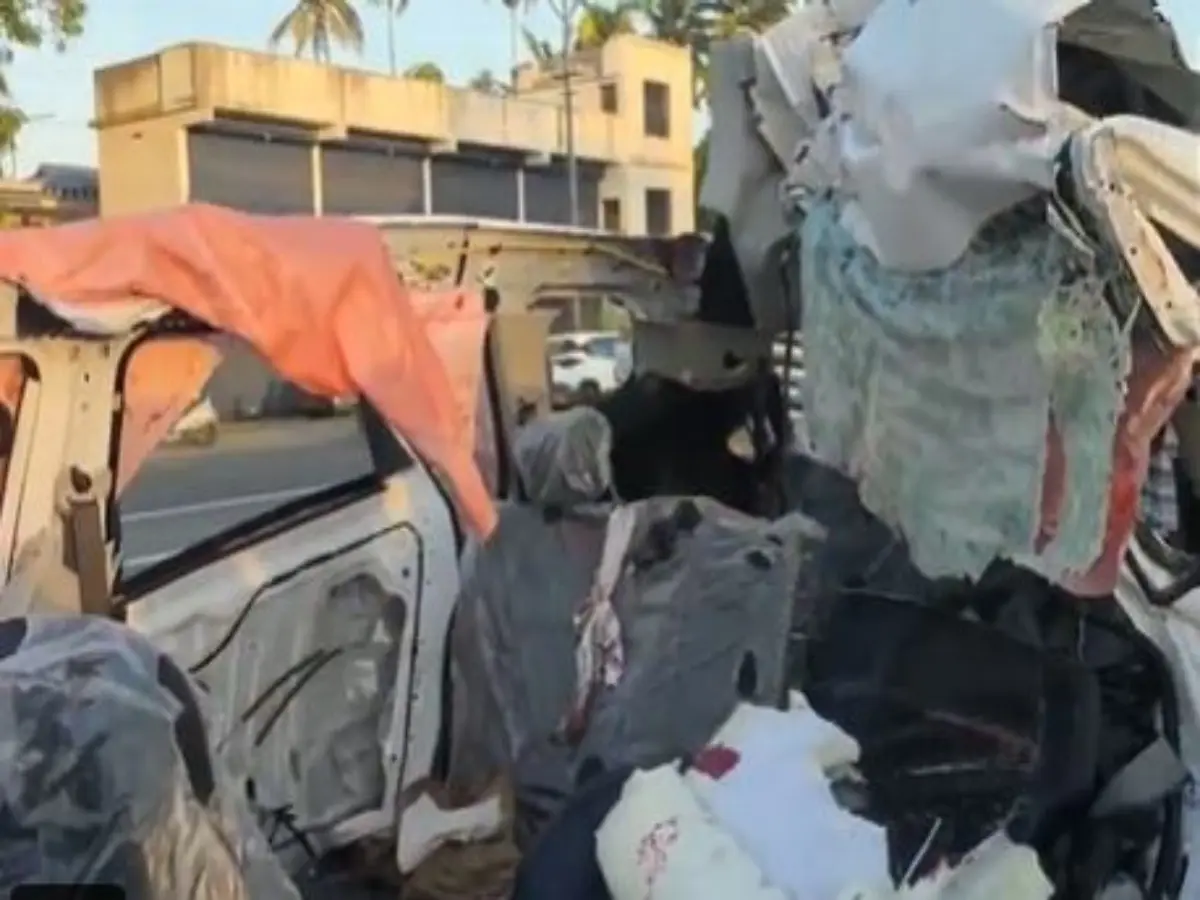)
Eight killed in Kerala’s Thrissur after car rams into lorry parked on highway
&im=FitAndFill=(700,400))
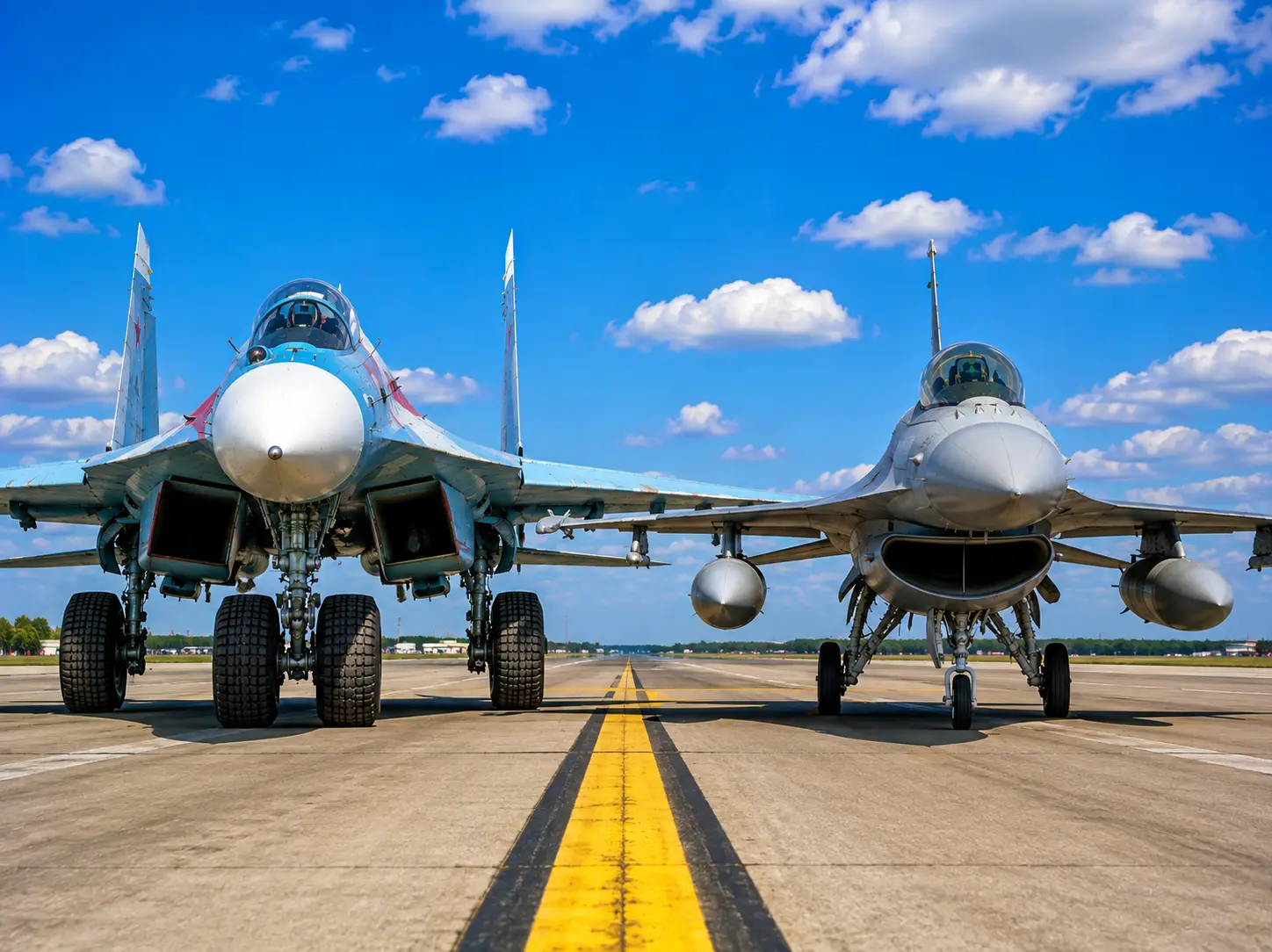
Why Russian fighter jets use bulky, low-pressure tyres compared to US jets
)
FBI-wanted fraud accused arrested in Jalandhar over $600,000 scam
&im=FitAndFill=(700,400))
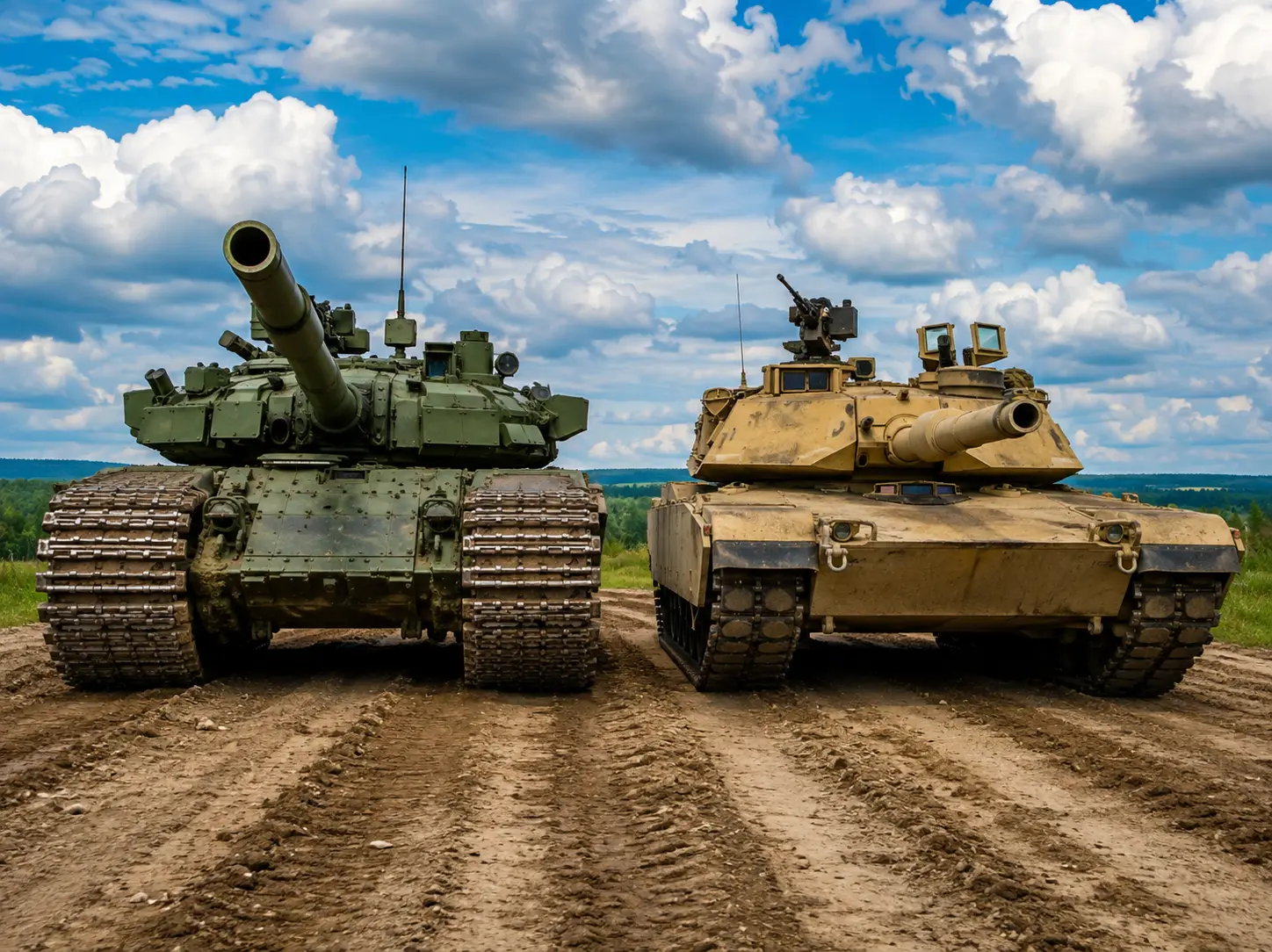
Why US tanks weigh over 20 tons more than Russian tanks
&im=FitAndFill=(700,400))
New Friday OTT releases (September 4, 2026): GDN, Dhamaal 4, Jagamae Sangeetham- Watch 6 new movies and TV shows on Netflix, Prime Video and more
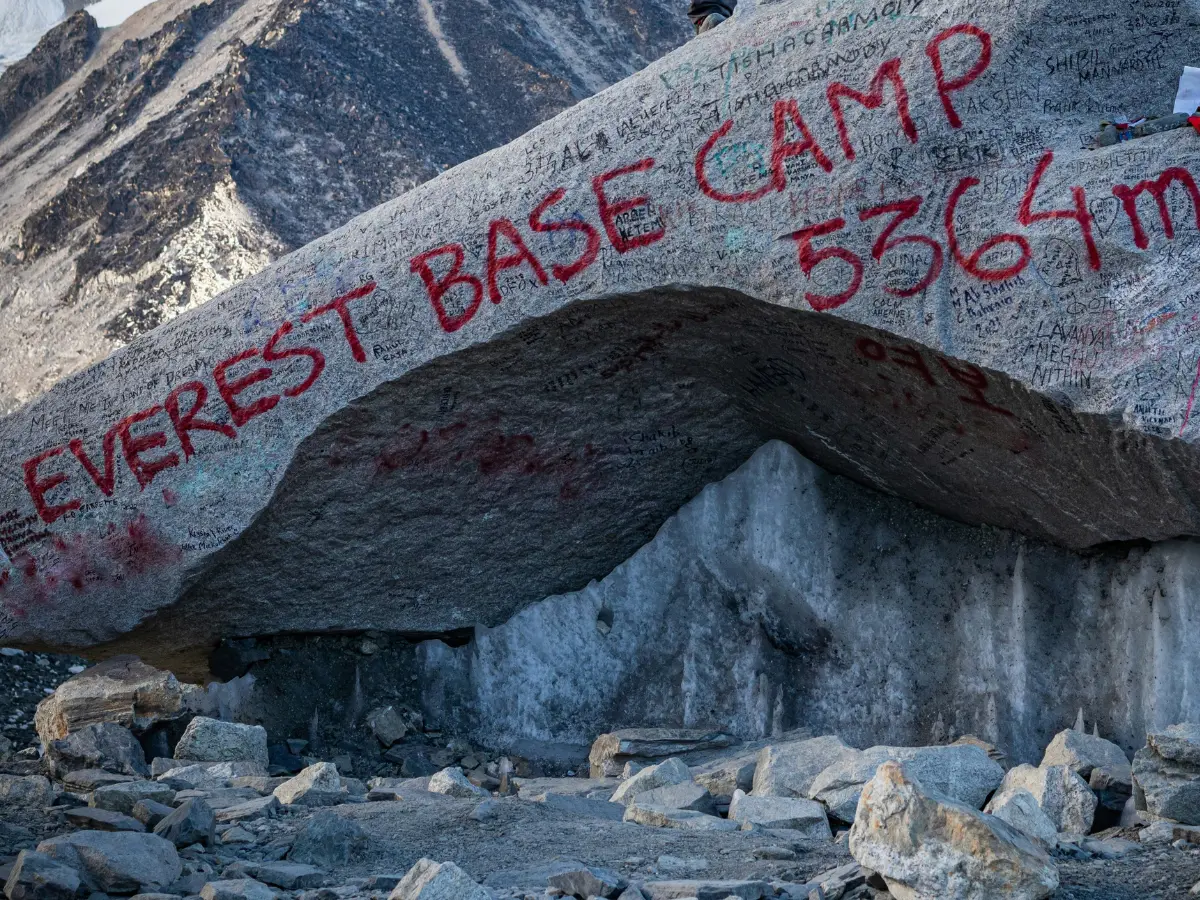)
Killing the Himalayas slowly: Human urine is melting a glacier on Mount Everest
The bench asked Additional Solicitor General KM Nataraj to file his response to the plea in ten days and gave one week time thereafter to Parikh to file his rejoinder.
The matter has been listed on September 29, 2022 for further hearing.
A counsel sought permission from the court to file an intervention on behalf of the pharma companies, which the court allowed saying it would like to hear them also on the issue.
Supreme Court of India, on March 11, had agreed to examine a plea that sought direction to Indian government for formulating a Uniform Code of Pharmaceutical Marketing Practices with a view to curb unethical practices of pharma companies and to ensure an effective monitoring mechanism, transparency, accountability as well as consequences for violations.
Parikh, the advocate appearing on behalf of the NGO, said that this was an important public interest issue. He made a reference to a recent judgment by the Supreme Court which had said that bribe-giver and bribe-taker both were at fault.
(With inputs from agencies)
You can now write for wionews.com and be a part of the community. Share your stories and opinions with us here.
WATCH WION LIVE HERE