Backward Class status cannot be carried forward after conversion to non-Hindu faith: SC

&imwidth=600&imheight=450&format=webp&quality=medium "Backward Class status cannot be carried forward after conversion to non-Hindu faith: SC")
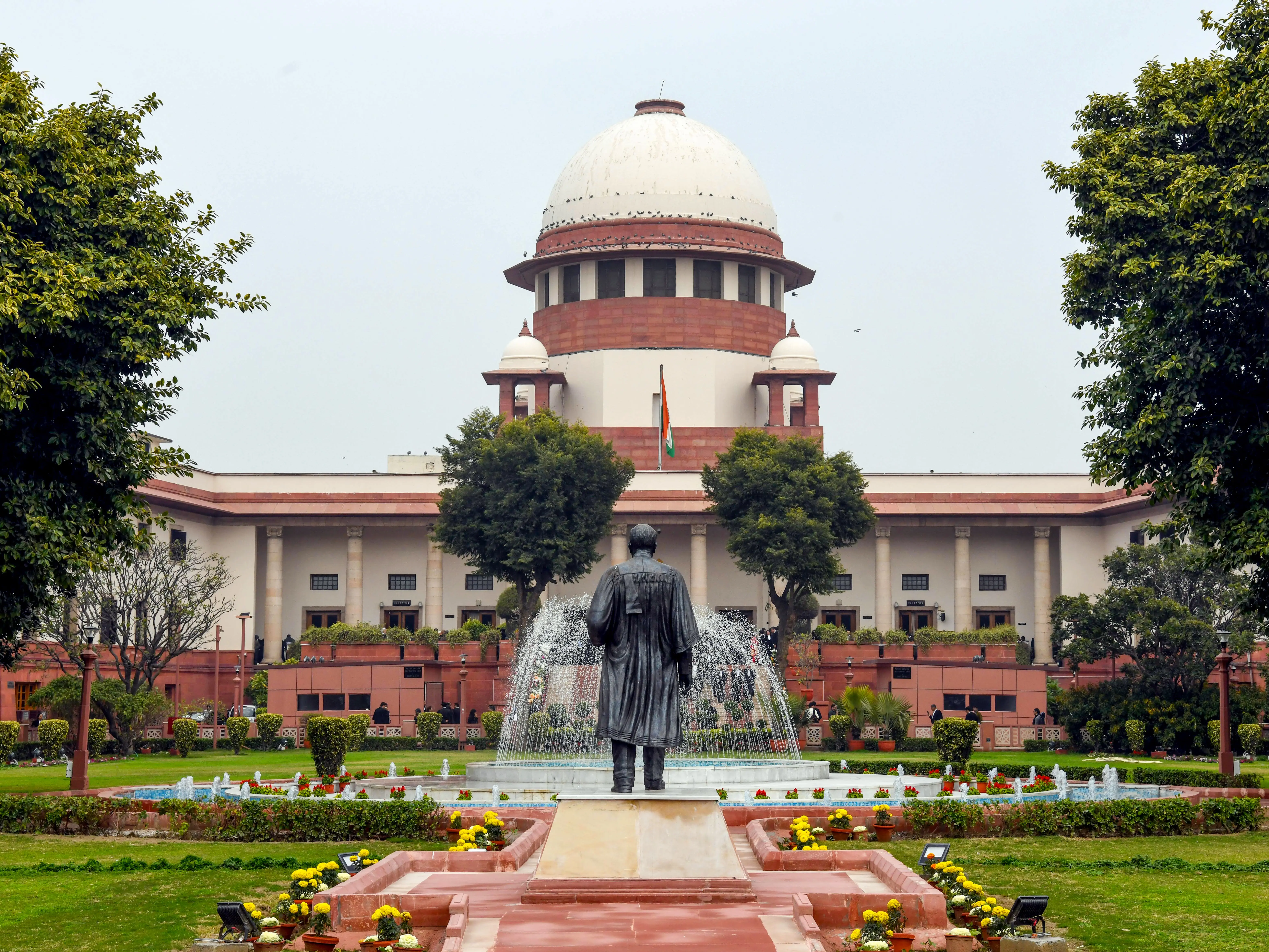
Supreme Court of India. Photograph: (ANI)
Supreme Court upheld the Madras High Court's decision that people converting from Hinduism to Islam cannot claim Backward Class reservation benefits solely on the basis of their caste status before conversion.
The Supreme Court on Thursday (Oct 15) upheld a Madras High Court ruling that people who convert from Hinduism to Islam cannot claim Backwards Classes (BC) reservation benefits solely on the basis of their caste status before conversion.
A bench of Justices PK Mishra and Shree Chandrashekhar dismissed the Tamil Nadu government's appeal against the High Court's June 25 judgment, which struck down a state government order granting reservation benefits to seven Muslim communities.
The Supreme Court said a person converting from the Hindu social order to another religion cannot claim reservation under Article 16(4) of the Constitution merely because of the social backwardness associated with their previous status.
“A person who converts from the Hindu social order to a non-Hindu social order cannot claim affirmative action under Article 16(4) of the Constitution merely on the basis of the social backwardness associated with his pre-conversion status,” the bench said while dismissing the state's plea.
The bench also referred to the Constitution (Scheduled Castes) Order, 1950, which recognises Scheduled Caste status for people professing Hinduism, Sikhism or Buddhism.
Trending Stories
&im=FitAndFill=(700,400)&imwidth=280&imheight=210&format=webp&quality=medium)
&imwidth=280&imheight=210&format=webp&quality=medium)
&imwidth=280&imheight=210&format=webp&quality=medium)
&imwidth=280&imheight=210&format=webp&quality=medium)
&imwidth=280&imheight=210&format=webp&quality=medium)
&imwidth=280&imheight=210&format=webp&quality=medium)
&imwidth=280&imheight=210&format=webp&quality=medium)
&imwidth=280&imheight=210&format=webp&quality=medium)
&imwidth=280&imheight=210&format=webp&quality=medium)
&imwidth=280&imheight=210&format=webp&quality=medium)
&imwidth=280&imheight=210&format=webp&quality=medium)
&imwidth=280&imheight=210&format=webp&quality=medium)
&imwidth=280&imheight=210&format=webp&quality=medium)
&imwidth=280&imheight=210&format=webp&quality=medium)
&imwidth=280&imheight=210&format=webp&quality=medium)
&imwidth=280&imheight=210&format=webp&quality=medium)
&imwidth=280&imheight=210&format=webp&quality=medium)
&imwidth=280&imheight=210&format=webp&quality=medium)
&imwidth=280&imheight=210&format=webp&quality=medium)
&imwidth=280&imheight=210&format=webp&quality=medium)
&imwidth=280&imheight=210&format=webp&quality=medium)
&imwidth=280&imheight=210&format=webp&quality=medium)
&imwidth=280&imheight=210&format=webp&quality=medium)
&imwidth=280&imheight=210&format=webp&quality=medium)
&im=FitAndFill=(700,400)&imwidth=280&imheight=210&format=webp&quality=medium)
&imwidth=280&imheight=210&format=webp&quality=medium)
&imwidth=280&imheight=210&format=webp&quality=medium)
&imwidth=280&imheight=210&format=webp&quality=medium)
&imwidth=280&imheight=210&format=webp&quality=medium)
&imwidth=280&imheight=210&format=webp&quality=medium)
&imwidth=280&imheight=210&format=webp&quality=medium)
&imwidth=280&imheight=210&format=webp&quality=medium)
&imwidth=280&imheight=210&format=webp&quality=medium)
&imwidth=280&imheight=210&format=webp&quality=medium)
&imwidth=280&imheight=210&format=webp&quality=medium)
&imwidth=280&imheight=210&format=webp&quality=medium)
What was the Tamil Nadu government's order?
On March 9, 2024, the Tamil Nadu government issued an order allowing eligible people from Backwards Classes (BCs), Most Backwards Classes (MBCs), Denotified Communities and Scheduled Castes to be classified as Backwards Class Muslims after converting to Islam.
Under the order, eligible converts could receive community certificates identifying them as members of one of seven notified Muslim communities recognised under the state's BC category. These certificates would allow them to claim reservation benefits.
The state government argued that the decision would ensure that socially and educationally backward people did not lose reservation benefits simply because they had converted to Islam. It also maintained that the decision would not disturb the existing social balance.
What did the Madras High Court say?
In its June 25 judgment, the Madras High Court ruled that the government order was contrary to earlier judicial decisions concerning the reservation status of people who convert to Islam.
The High Court held that a person converting to Islam could be recognised as a Muslim but could not automatically retain their previous caste status for reservation purposes.
The court also referred to the principles of equality associated with Islam and Christianity while considering whether converts could claim reservation based on their previous caste status.
The case involved Sameer Ahamed, who converted to Islam in 2015, changed his name and married according to his adopted religion.