Revolutionary vanguardist or populist? What Jantar Mantar's youth movement really is

&imwidth=600&imheight=450&format=webp&quality=medium "Revolutionary vanguardist or populist? What Jantar Mantar's youth movement really is")
Representational Image Photograph: (ANI)
The Cockroach Janta Party protests blend viral, internet-driven mobilisation with organised left-wing activism, raising questions about a possible shift in Indian politics.
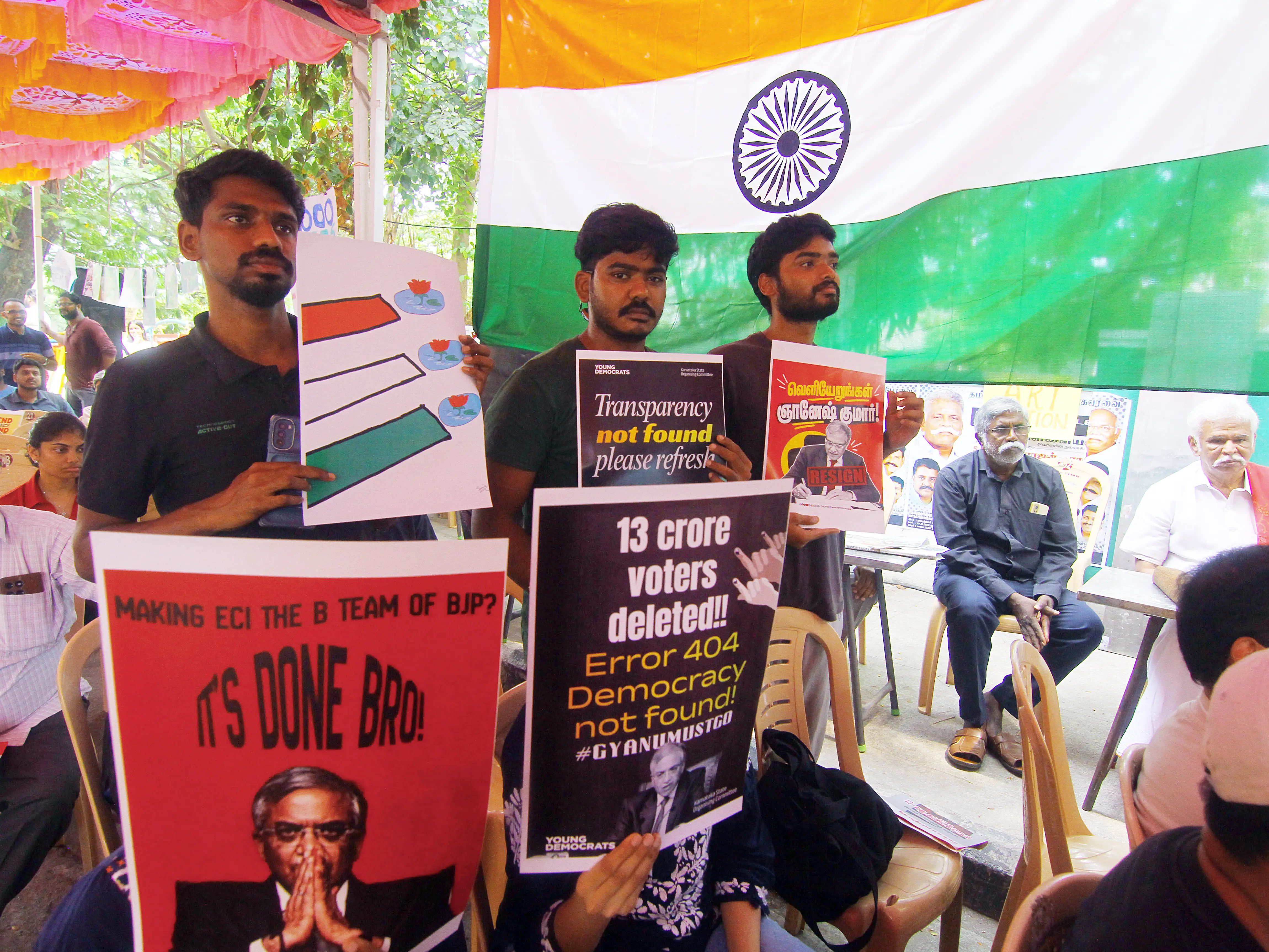
Delhi Police has detained Cockroach Janta Party (CJP) founder Abhijeet Dipke and All India Students' Association (AISA) President Neha Bora, just ahead of their planned Lehra Do Tiranga rally. This is one of the many times these two have been detained along with many others in the protest demanding the resignation of Chief Election Commissioner Gyanesh Kumar. These protests have become the new norm for Delhi. Despite several attempts by the Union Government to squash the unrest by turning central Delhi into a heavily fortified landscape.
The government says it acted on law and order after denying permission, citing short notice and alleged non-compliance with an earlier protest.
The protests have political backing from the opposition INDIA bloc and, in a way, are redefining the Indian political narrative.
The initial spark of the protest was a judicial insult on May 15: a derogatory remark “cockroach” by the Chief Justice of India, Surya Kant, criticising social media activists and unemployed youth. They demanded the resignation of Indian Education Minister Dharmendra Pradhan in July over the alleged irregularities in the medical entrance examination. The early manifesto borrowed almost all the opposition's talking points: judicial reforms, election integrity, and breaking up media ownership by Adani and Ambani. These are grievances, not a worldview. That thinness is what makes it populist: a "people versus elite" appeal that attaches to many causes. Though the BJP government has seen nationwide anti-CAA and farmer protests, these were intensely ideological ones or grievance driven.
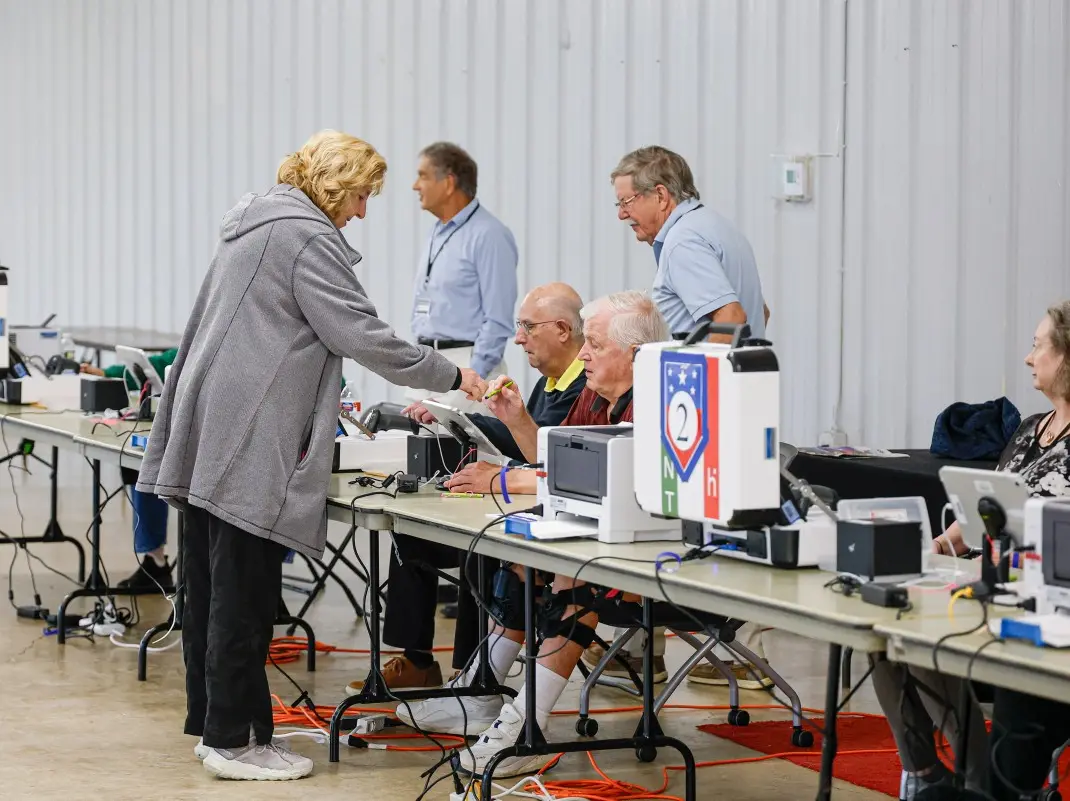
The most recent spark was investigations by The Indian Express and others documented bulk Form 7 deletion requests largely targeting Muslims, as well as informal WhatsApp instructions to officials in West Bengal. These are being tested in the Supreme Court, and the Election Commission says its decisions are legally valid. Reports also suggest “illegal” modification of Form 6, centralisation of voter database and discrepancies within the functionality of ECI.
The Cockroach Janta Party (CJP) presents itself visually as a post-ideological, internet-native meme collective. It does not demand any change in the structure of society or constitution. The party itself attached "revolutionary" meaning to the cockroach label as a rhetorical claim, turning an elite insult into a badge of the common person's dignity. It did not have any core ideological framework that helped it sustain the movement. It was a viral moment not a coherent programme for restructuring society and was supposed to be lost with time, like the Anna Hazare movement or morph and become a mainstream political party like AAP.
Trending Stories
&imwidth=280&imheight=210&format=webp&quality=medium)
&imwidth=280&imheight=210&format=webp&quality=medium)
&imwidth=280&imheight=210&format=webp&quality=medium)
&imwidth=280&imheight=210&format=webp&quality=medium)
&imwidth=280&imheight=210&format=webp&quality=medium)
&imwidth=280&imheight=210&format=webp&quality=medium)
&imwidth=280&imheight=210&format=webp&quality=medium)
&imwidth=280&imheight=210&format=webp&quality=medium)
&imwidth=280&imheight=210&format=webp&quality=medium)
&imwidth=280&imheight=210&format=webp&quality=medium)
&imwidth=280&imheight=210&format=webp&quality=medium)
&imwidth=280&imheight=210&format=webp&quality=medium)
&imwidth=280&imheight=210&format=webp&quality=medium)
&imwidth=280&imheight=210&format=webp&quality=medium)
&imwidth=280&imheight=210&format=webp&quality=medium)
&imwidth=280&imheight=210&format=webp&quality=medium)
&imwidth=280&imheight=210&format=webp&quality=medium)
&imwidth=280&imheight=210&format=webp&quality=medium)
&imwidth=280&imheight=210&format=webp&quality=medium)
&imwidth=280&imheight=210&format=webp&quality=medium)
&imwidth=280&imheight=210&format=webp&quality=medium)
&imwidth=280&imheight=210&format=webp&quality=medium)
&imwidth=280&imheight=210&format=webp&quality=medium)
&imwidth=280&imheight=210&format=webp&quality=medium)
&imwidth=280&imheight=210&format=webp&quality=medium)
&imwidth=280&imheight=210&format=webp&quality=medium)
&imwidth=280&imheight=210&format=webp&quality=medium)
&imwidth=280&imheight=210&format=webp&quality=medium)
&imwidth=280&imheight=210&format=webp&quality=medium)
&im=FitAndFill=(700,400)&imwidth=280&imheight=210&format=webp&quality=medium)
&imwidth=280&imheight=210&format=webp&quality=medium)
&imwidth=280&imheight=210&format=webp&quality=medium)
&imwidth=280&imheight=210&format=webp&quality=medium)
&imwidth=280&imheight=210&format=webp&quality=medium)
Then comes the next segment of the crowd: Neha Bora and the left-youth organisation, a dedicated, class-conscious, cadre-based system which has been working on structural change with limited mass rhetoric, supplying the core principle of Leninism: vanguardism. But working within the constitutional order, and not seeking to seize power violently.
From the very first day of CJP's protest in June 6, AISA-SFI-AISF these organisations provided the backbone, which was not glamorous or media savvy. A Wire report in June said AISA "seemed to be carrying the protest"; and CJP's Saurav Das publicly thanked SFI and AISF for organising. Pro-government outlets cite his remarks to argue the "Gen Z" branding was a facade.
Claims of foreign funding have been made by BJP figures, but a PIL on the subject was withdrawn and no public inquiry has produced evidence. Critics call the crackdown disproportionate. Whether it backfires is an open question: Hazare in 2011 gained from arrests, but Tiananmen and Belarus show repression can work.
The distinction is between the CJP's online origins and the political composition of the street mobilisation that followed. While the CJP brought an internet-native language of populist defiance, the Left brought established organisational networks and ideological commitments. In essence, a structural alignment between the ideological left and viral populist mobilisation, it may give both magnitude and durability.
These protests are ironic, because the BJP, which rode the wave of the populist protests like the Anna Hazare Movement, Ram Janmabhoomi Andolan and JP Andolan, is facing something similar to itself, populist style with Hindutva and RSS cadres.
It also seems like a paradigm shift in Indian politics, as most of the previous movements over the last decade were either ideological and labelled “anti-national” or grievance driven and momentary.
Support came in stages. AAP, the SP, Shiv Sena (UBT), TMC, the CPI and CPI(ML)-Liberation backed the agitation early, while Congress, which saw the movement as competing with its own youth campaigns, held back until Rahul Gandhi condemned the jailing of CJP leaders on October 14. The Congress entry makes it complicated and Rahul Gandhi is potentially subsuming the whole movement within its “Vote Chori” framework, without producing tangible evidence, diminishing the specific grievances from collective perception. Whether that has happened is not yet clear. The backing gave the movement political weight, but it also hands the government its main counter-argument, that the protests are an opposition plot.

