Cigarette tax: Shares of ITC see sharpest fall since 2020 after government raises levies

&imwidth=600&imheight=450&format=webp&quality=medium "Cigarette tax: Shares of ITC see sharpest fall since 2020 after government raises levies")
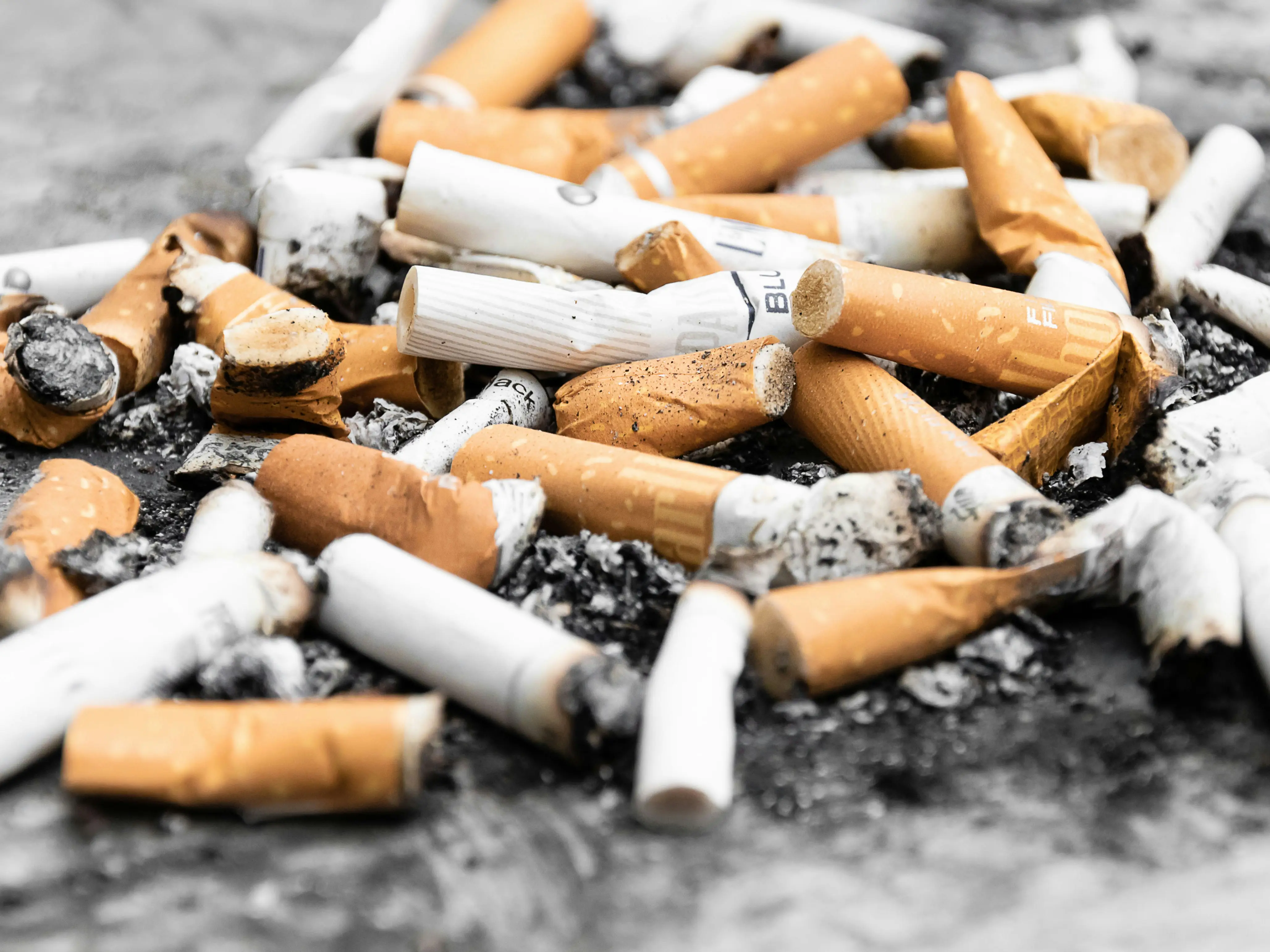
For representational purpose only Photograph: (Unsplash)
ITC and Godfrey Phillips shares fell sharply after government announced a major cigarette tax hike, raising concerns over volumes, margins, and illicit trade risks
Shares of ITC Limited saw their steepest fall in almost six years after the Indian government announced a sharp increase in excise duties on cigarettes, raising fears about pressure on earnings for the country’s largest cigarette manufacturer. According to a notification issued late on Wednesday (December 31, 2025), cigarette excise duty will rise to between ₹2,050 and ₹8,500 per 1,000 sticks starting February 1, 2026. Analysts at Jefferies Financial Group said that if the National Calamity Contingent Duty remains in place, the overall tax increase could exceed 30%, significantly higher than market expectations.
ITC’s stock slid 10% on Thursday (January 1), its worst single-day decline since 2020. Godfrey Phillips India Ltd. fared even worse, ending the session down 17% in Mumbai. Trading volumes for both stocks surged to more than 20 times their three-month average. ITC markets cigarette brands such as Gold Flake and Classic, while Godfrey Phillips sells Marlboro and Four Square in India.
Investors were caught off guard by the scale of the levy, leading to uncertainty over how cigarette makers will absorb or pass on the higher costs. Cigarettes contribute more than 40% of ITC’s total revenue, making the company particularly vulnerable to any slowdown in volumes. The development adds to existing concerns as British American Tobacco Plc, ITC’s largest shareholder, has been steadily trimming its stake.
Jefferies analysts, led by Vivek Maheshwari, warned that higher prices could hurt demand and revive risks of consumers shifting to illicit cigarette markets. They estimate ITC may need to raise prices by at least 15% to offset the impact of the new taxes.
The higher excise duty comes on top of the 40% Goods and Services Tax applied to tobacco products, also effective from February 1. The government has said the move is meant to compensate for revenue losses resulting from broad tax reductions announced in September. India is home to more than 253 million tobacco users, the second-largest such population worldwide. The finance ministry estimates that tobacco-related illnesses impose an annual economic burden of over ₹2.4 trillion on the country.
Trending Stories
&imwidth=280&imheight=210&format=webp&quality=medium)
&imwidth=280&imheight=210&format=webp&quality=medium)
&imwidth=280&imheight=210&format=webp&quality=medium)
&imwidth=280&imheight=210&format=webp&quality=medium)
&imwidth=280&imheight=210&format=webp&quality=medium)
&imwidth=280&imheight=210&format=webp&quality=medium)
&imwidth=280&imheight=210&format=webp&quality=medium)
&imwidth=280&imheight=210&format=webp&quality=medium)
&imwidth=280&imheight=210&format=webp&quality=medium)
&imwidth=280&imheight=210&format=webp&quality=medium)
&imwidth=280&imheight=210&format=webp&quality=medium)
&imwidth=280&imheight=210&format=webp&quality=medium)
&imwidth=280&imheight=210&format=webp&quality=medium)
&imwidth=280&imheight=210&format=webp&quality=medium)
&imwidth=280&imheight=210&format=webp&quality=medium)
&imwidth=280&imheight=210&format=webp&quality=medium)
&imwidth=280&imheight=210&format=webp&quality=medium)
&imwidth=280&imheight=210&format=webp&quality=medium)
&imwidth=280&imheight=210&format=webp&quality=medium)
&imwidth=280&imheight=210&format=webp&quality=medium)
&imwidth=280&imheight=210&format=webp&quality=medium)
&imwidth=280&imheight=210&format=webp&quality=medium)
&imwidth=280&imheight=210&format=webp&quality=medium)
&imwidth=280&imheight=210&format=webp&quality=medium)
&imwidth=280&imheight=210&format=webp&quality=medium)
&imwidth=280&imheight=210&format=webp&quality=medium)
&imwidth=280&imheight=210&format=webp&quality=medium)
&imwidth=280&imheight=210&format=webp&quality=medium)
&imwidth=280&imheight=210&format=webp&quality=medium)
&imwidth=280&imheight=210&format=webp&quality=medium)
&imwidth=280&imheight=210&format=webp&quality=medium)
&imwidth=280&imheight=210&format=webp&quality=medium)
&imwidth=280&imheight=210&format=webp&quality=medium)
&imwidth=280&imheight=210&format=webp&quality=medium)
&im=FitAndFill=(700,400)&imwidth=280&imheight=210&format=webp&quality=medium)
&imwidth=280&imheight=210&format=webp&quality=medium)
&imwidth=280&imheight=210&format=webp&quality=medium)
&imwidth=280&imheight=210&format=webp&quality=medium)
&imwidth=280&imheight=210&format=webp&quality=medium)
Authorities have intensified efforts to curb tobacco consumption, including new taxes on manufacturing equipment and proposed restrictions on advertising, such as banning promotions during Indian Premier League matches. The finance ministry maintains that keeping tobacco products expensive is one of the most effective ways to reduce consumption and insists that higher taxes will not encourage smuggling or illegal trade.

