Central forces can't substitute state police: Home ministry to states

MHA's new policy on central forces
It comes in the backdrop of ongoing standoff between the MHA and the West Bengal government over the pulling out of central forces
With the deployment and pulling out of Central Armed Police Forces (CAPF) in the states often becoming a tug-of-war between the Centre and state governments, the Centre has now clearly stated that CAPFs “cannot substitute the state police force” since their deployment is related to emergent or unforeseen crises.
This comes in the backdrop of an ongoing standoff between the Ministry of Home Affairs (MHA) and the West Bengal government over the pulling out of central forces from the hill town of Darjeeling which has witnessed unrest for the past few weeks over demands of creation of a separate state.
In the past, too, there have been many instances where the Centre has found itself in situations where state governments have contested its decisions over either deployment or pulling out of central forces.

The Centre has now decided to set-up a state-level committee to examine and scrutinize the requirements of CAPF by keeping in view the internal security, previous scale of deployment, optimal utilisation of state resources, intelligence inputs and the availability of CAPFs in nearby locations.
This committee will be headed by ADG (Law & Order) of the state and will co-op local representatives of the Intelligence Bureau and the CAPFs at the DIG/Commandant level.
“The recommendation of the Committee must be specific and indicate the quantum of CAPF deployment and duration along with justification. Requests for extension of deployment and increase in the quantum must also be examined by the Committee on similar lines,” the MHA has told the state governments.
&imwidth=180&imheight=135&format=webp&quality=medium)
100,000 strikes in 3 years: How October 7 redefined Israel's war
&im=FitAndFill=(700,400)&imwidth=180&imheight=135&format=webp&quality=medium)
Happy Birthday Rekha: Watch these 7 evergreen Bollywood hits on Netflix, Prime Video and more
&imwidth=180&imheight=135&format=webp&quality=medium)
‘Your people don’t even let us near it’: IAF chief’s blunt response on US F-35; India yet to decide on Russia’s Su-57
&imwidth=180&imheight=135&format=webp&quality=medium)
Real or fake? PIB fact-checks protest videos; Delhi Police clarifies on Gurdwara Bangla Sahib clip
&imwidth=180&imheight=135&format=webp&quality=medium)
Delhi on high alert for CJP protest: Delhi police to use body cams to 'prove whether we did anything’; Pink Force, RAF, 35,000 personnel deployed
&imwidth=180&imheight=135&format=webp&quality=medium)
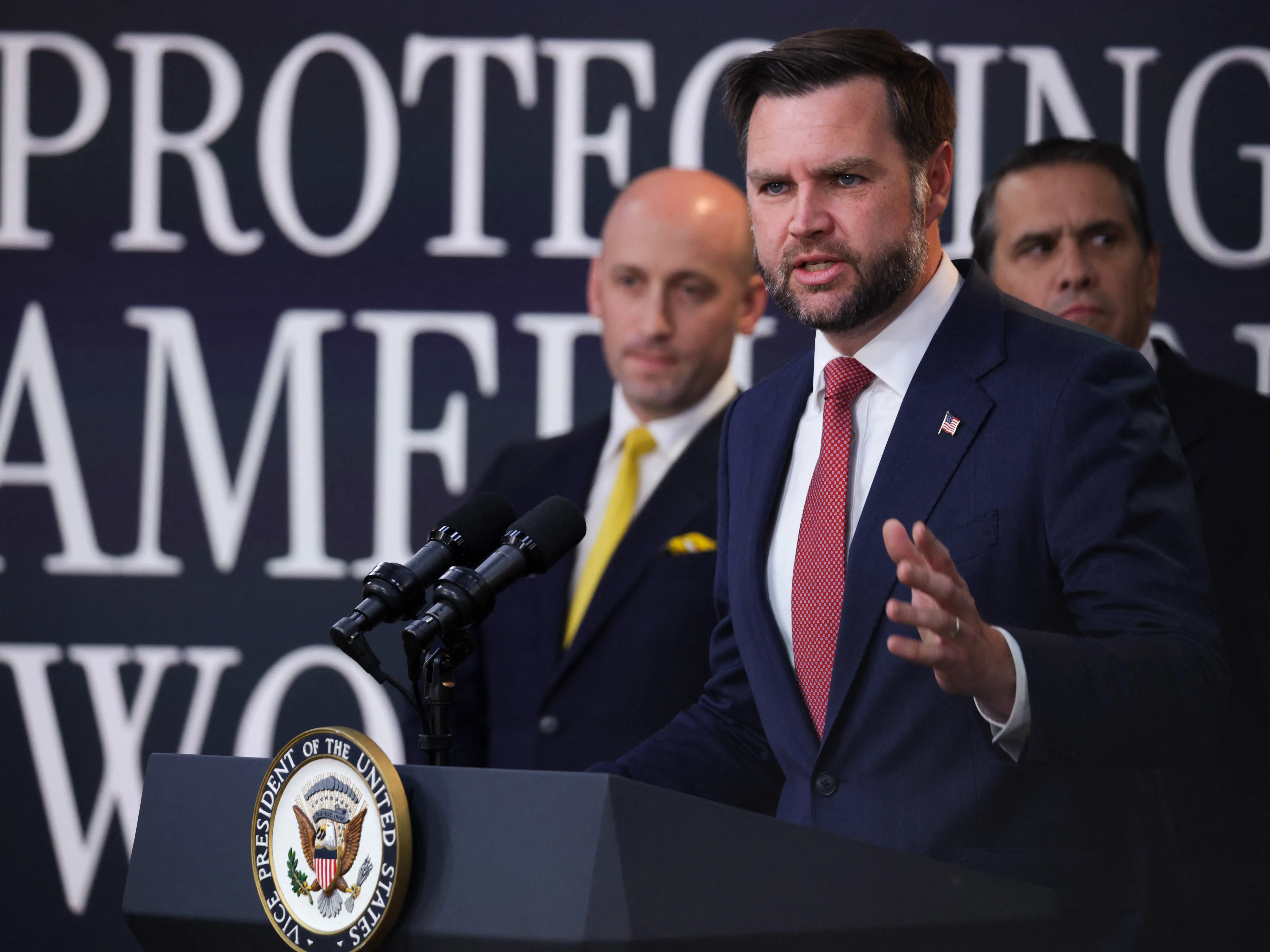
‘Never-ending flow of cheap labour’: JD Vance hits back at Indian-origin Congresswoman over US green card curbs for major tech companies
&imwidth=180&imheight=135&format=webp&quality=medium)
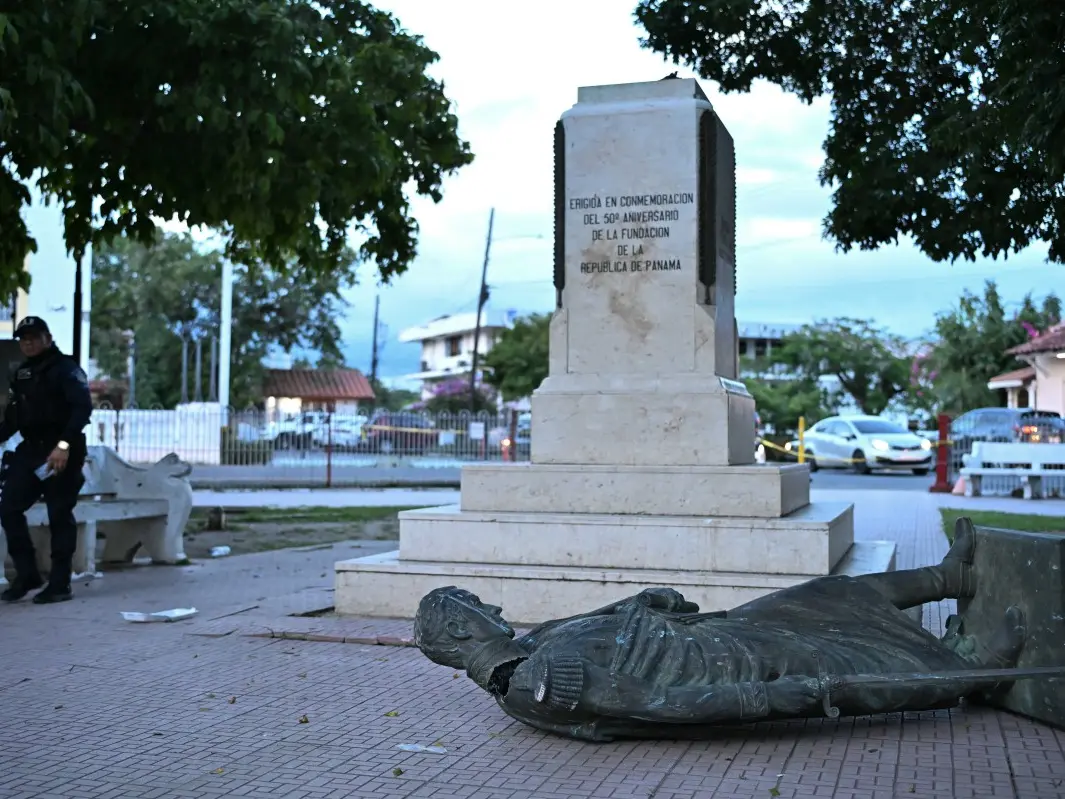
Panama president declares ‘major disaster’ after powerful 7.7-magnitude earthquake; over 80 aftershocks recorded
&imwidth=180&imheight=135&format=webp&quality=medium)
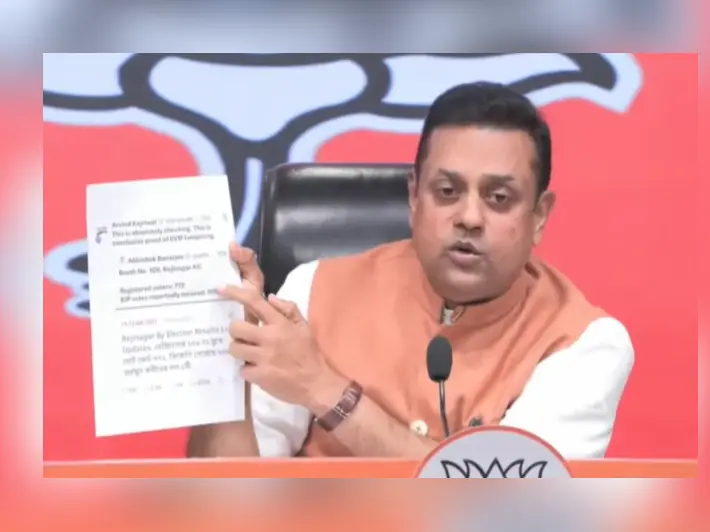
'Jantar Mantar not the story of India': BJP's Sambit Patra claims 'anarchists' tried to hold Delhi captive
&imwidth=180&imheight=135&format=webp&quality=medium)
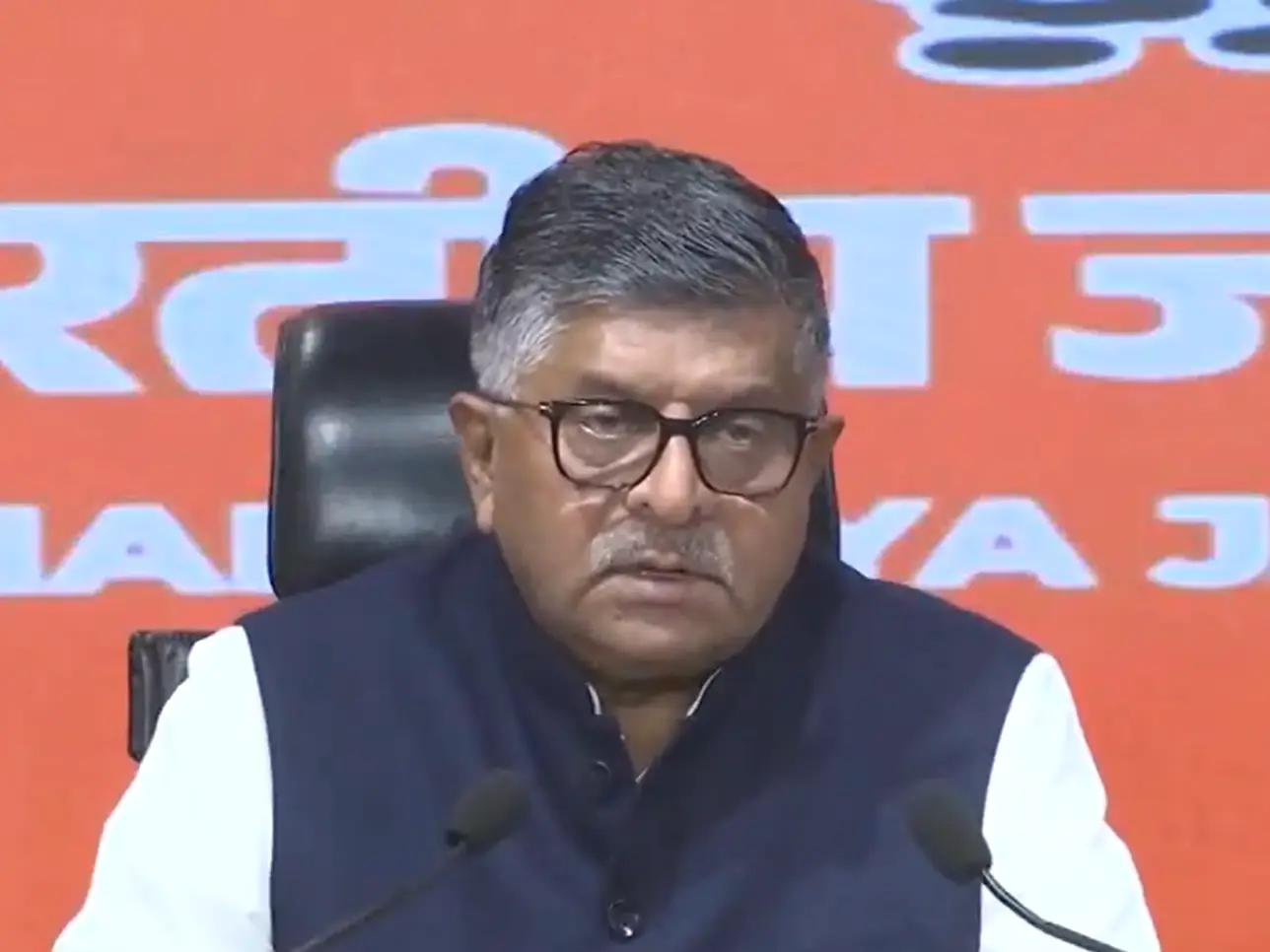
BJP MP Ravi Shankar Prasad slams CJP protests, calls it 'shadow boxing for AAP'
&imwidth=180&imheight=135&format=webp&quality=medium)
US midterm elections: Why Zohran Mamdani's influence could become a headache for Democrats and Republicans
&imwidth=180&imheight=135&format=webp&quality=medium)
Riyadh airport hit in missile attack, dozens injured; 5 in intensive care
&imwidth=180&imheight=135&format=webp&quality=medium)
'Spent Rs 2,000 cr to elect Trump': Elon Musk bought US President's loyalty by writing the biggest political cheque in human history
&imwidth=180&imheight=135&format=webp&quality=medium)
Powerful 7.7 magnitude earthquake strikes Panama, tsunami warning issued
&imwidth=180&imheight=135&format=webp&quality=medium)
US mid-term elections: What are PACs - Unique American System that lets corporates shape voting
&imwidth=180&imheight=135&format=webp&quality=medium)
Elon musk & India clash over Starlink's market entry terms
&imwidth=180&imheight=135&format=webp&quality=medium)
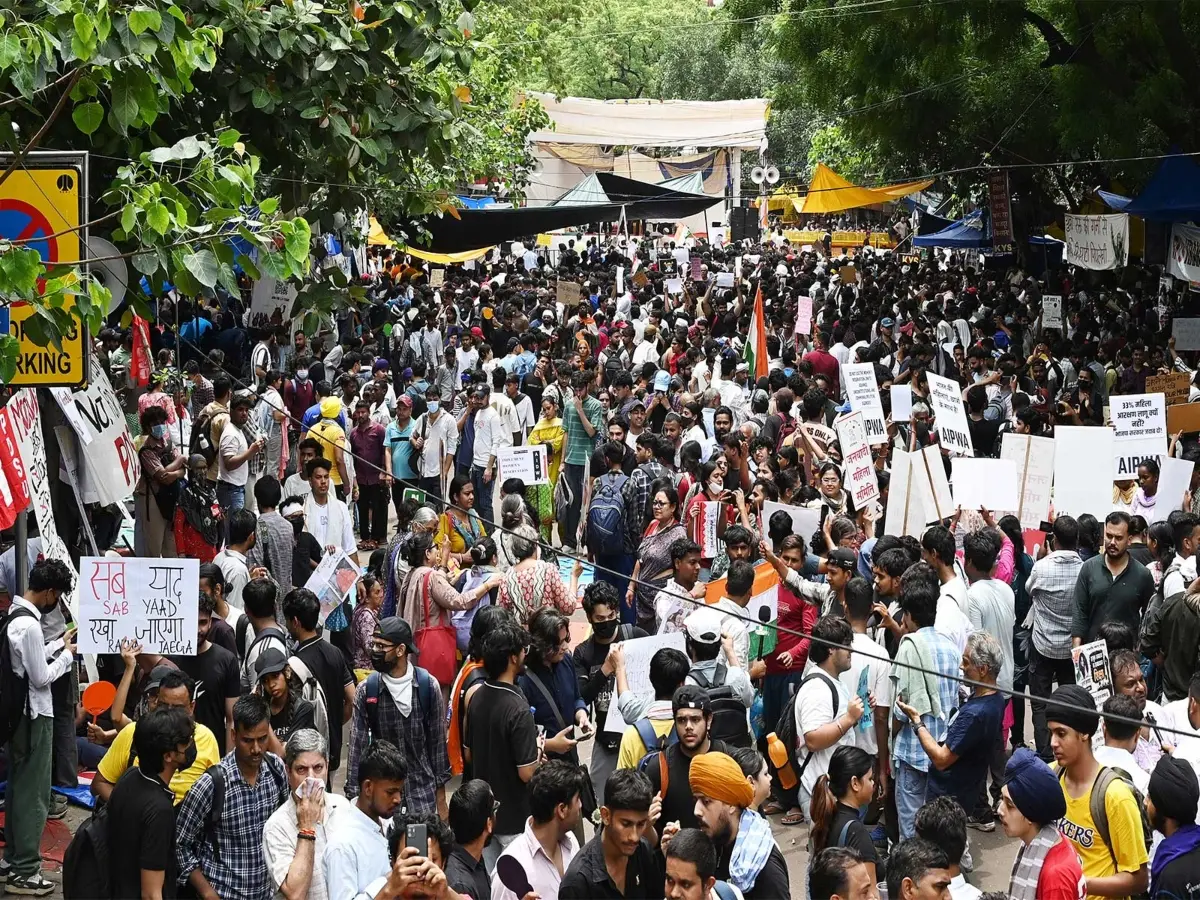
INDIA bloc plans mega protest on Monday amid Delhi crackdown, Wangchuk's warns to launch 'padyatra'
&imwidth=180&imheight=135&format=webp&quality=medium)
Who is Ajinkya Shinde, announced to lead CJP protest after Dipke, Das and Ranka's detention?
&imwidth=180&imheight=135&format=webp&quality=medium)
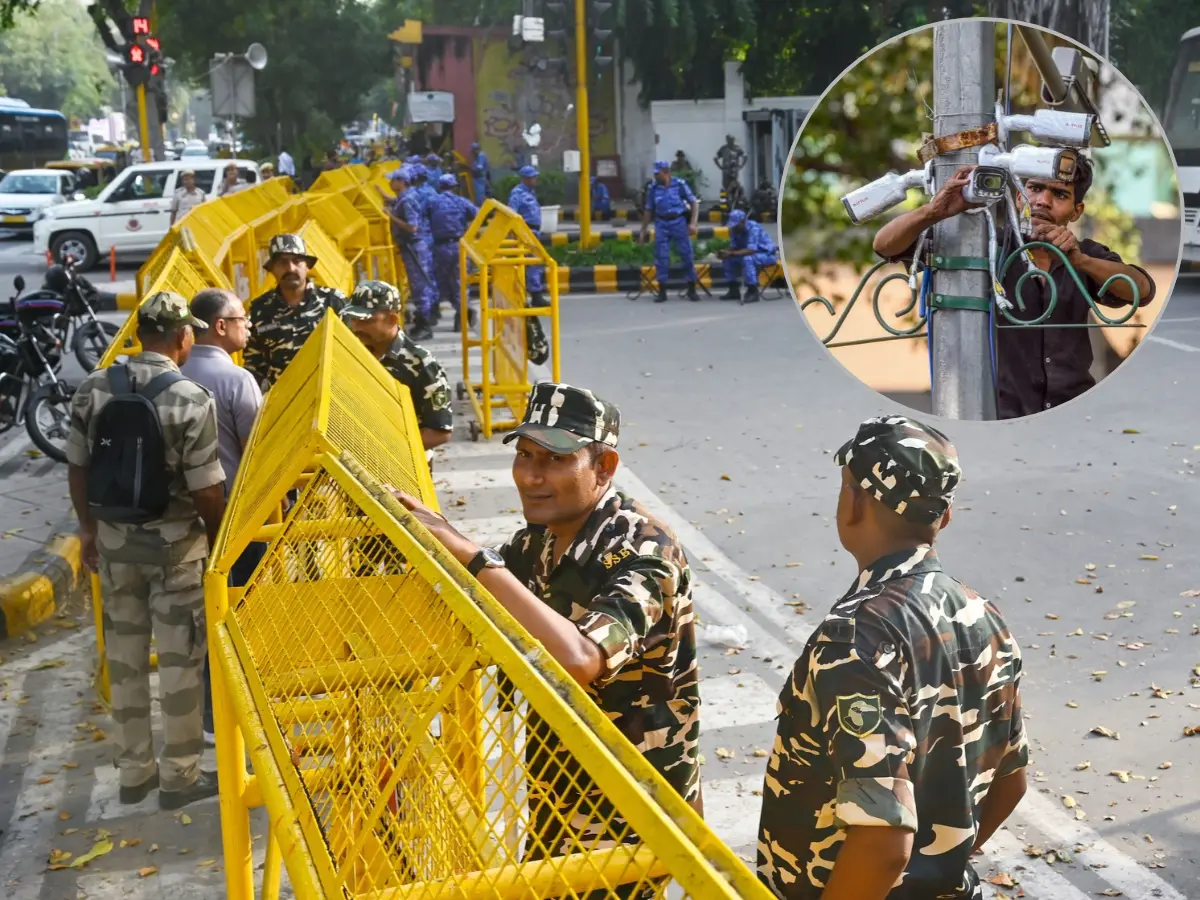
'Ouch!!! That must hurt': Kangana Ranaut hails Kamal Haasan's sharp reply to Elon Musk over Starlink row
&imwidth=180&imheight=135&format=webp&quality=medium)
‘Right to protest must be protected, but...’: Delhi Police reveals why it denied CJP permission for October 10 Jantar Mantar protest
&imwidth=180&imheight=135&format=webp&quality=medium)
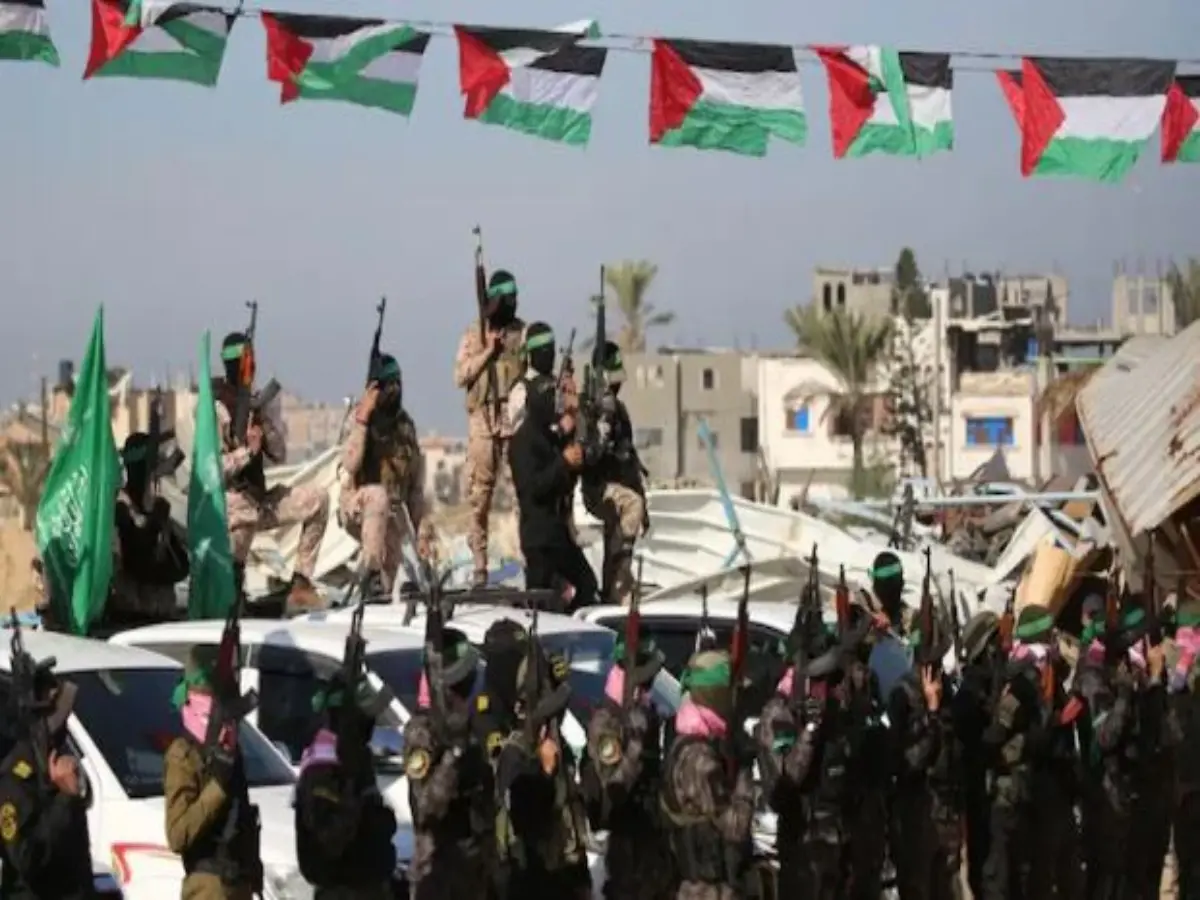
Hamas used double agents, deceived Israel to carry out October 7 massacre
&imwidth=180&imheight=135&format=webp&quality=medium)
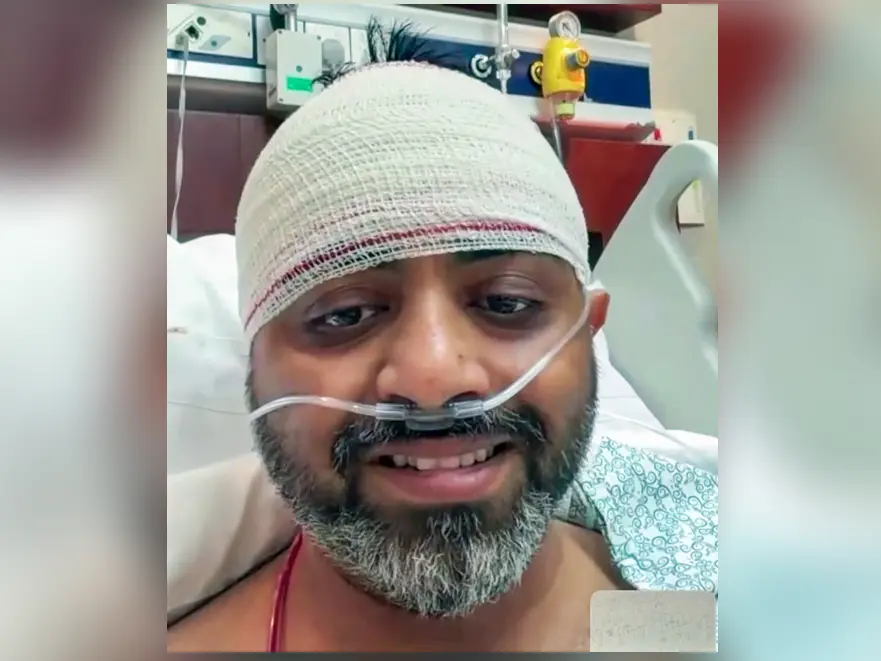
NIA files FIR in Flydubai hijack attempt and attack on Smit Machchhar, probes ‘larger conspiracy’
&imwidth=180&imheight=135&format=webp&quality=medium)
Portugal Federation confirms Cristiano Ronaldo’s return to national team despite suspension
&imwidth=180&imheight=135&format=webp&quality=medium)
All 22 Indian seafarers safe in attack on Panama-flagged tanker off UAE coast
&imwidth=180&imheight=135&format=webp&quality=medium)
‘Time for Ukraine to get a new president’: Trump lashes out at Zelensky over Russia strikes
&im=FitAndFill=(700,400)&imwidth=180&imheight=135&format=webp&quality=medium)
Food shortages, suicide attempts and more: USS Abraham Lincoln returns to US after 321 day deployment — What happened aboard the US carrier?
&imwidth=180&imheight=135&format=webp&quality=medium)
Thai queen becomes first reigning monarch to fly jet solothailand #queen #wion
&imwidth=180&imheight=135&format=webp&quality=medium)
‘Every game against Liverpool is special’: Erling Haaland ahead of Anfield clash
&imwidth=180&imheight=135&format=webp&quality=medium)
Rahul Gandhi calls Modi, Shah ‘cowards’ amid CJP protest crackdown in Delhi
&imwidth=180&imheight=135&format=webp&quality=medium)
Four years, 3 licenses, zero launch: Why is Elon Musk’s Starlink still struggling to crack Indian market? EXPLAINED
&imwidth=180&imheight=135&format=webp&quality=medium)
Drishyam: The Conclusion week 1 box office report: With no competition, Ajay Devgn's film crosses Rs 400 crore mark
&imwidth=180&imheight=135&format=webp&quality=medium)
AUS vs SA 1st Test, Day 2: Renshaw shines with 190 as Australia dominate South Africa
&imwidth=180&imheight=135&format=webp&quality=medium)
Why was CJP founder Abhijeet Dipke detained? What Delhi Police said
&imwidth=180&imheight=135&format=webp&quality=medium)
Putin conveys Iran’s proposal to Trump, offers to take Tehran’s enriched uranium
&imwidth=180&imheight=135&format=webp&quality=medium)
'It’s been 12 hours': CJP writes to Delhi Police, demands release of Dipke, Saurav Das and Ranka
Arguing its case, the Centre has said that “state governments often make requests to the Centre for deployment of CAPFs even for occasions where State should normally be in a position to take all security measures from their own resources by dispatching police and state armed police” and are “are reluctant to de-induct CAPFs and keep requesting for extension which should not ordinarily be made unless there are adequate security for their extension”.
With the new Standard Operating Procedures in place, the Centre hopes that the CAPFs will “be able to meet more pressing commitments like guarding borders, fighting insurgency, anti-naxal operations and related situations which need immediate mobilization of forces”.