'Bridge Man of India' Girish Bharadwaj dies at 76. How one engineer connected forgotten villages

&imwidth=600&imheight=450&format=webp&quality=medium "'Bridge Man of India' Girish Bharadwaj dies at 76. How one engineer connected forgotten villages")
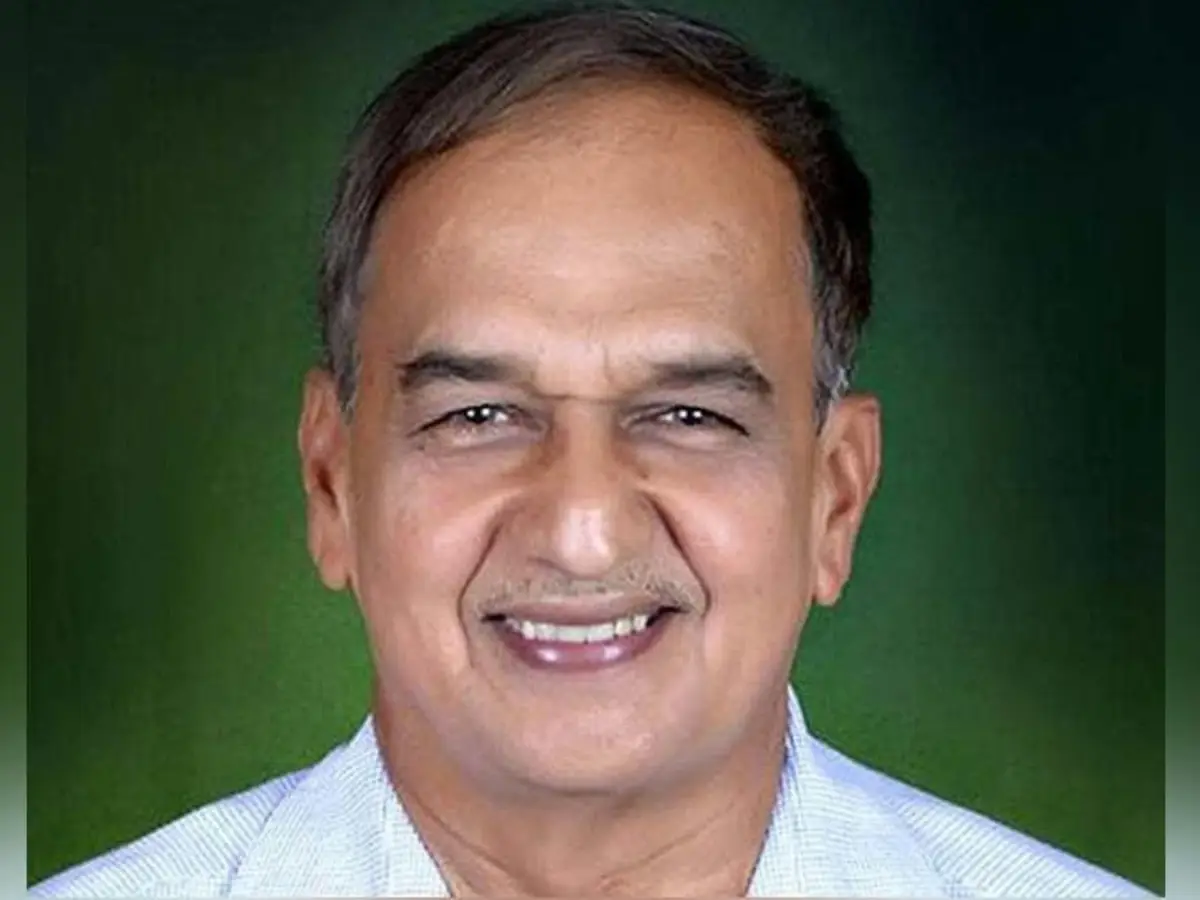
Padma Shri awardee Girish Bharadwaj Photograph: (X/hd_kumaraswamy)
Padma Shri awardee Girish Bharadwaj, popularly known as the "Bridge Man of India", has passed away at the age of 76. Here's how one engineer left behind a legacy that changed thousands of lives.
Padma Shri awardee Girish Bharadwaj, affectionately known as the "Bridge Man of India," passed away on Tuesday (Jul 7) at a private hospital in Sullia, Karnataka. He was 76.
For thousands of people living in some of Karnataka's most remote villages, Bharadwaj was far more than an engineer. He was the man who built bridges where governments often failed to, transforming dangerous river crossings into lifelines for rural communities.
Over the course of nearly four decades, Bharadwaj helped construct around 150 low-cost suspension bridges, connecting isolated villages to schools, hospitals and markets.
How an engineer found his life's calling
Bharadwaj's journey, as per reports, did not begin with bridges. In the 1970s, he hoped to work in a private factory. But his father, a farmer, encouraged him to use his engineering skills to solve problems faced by villages rather than pursue a conventional career.
Trending Stories
&imwidth=280&imheight=210&format=webp&quality=medium)
&imwidth=280&imheight=210&format=webp&quality=medium)
&imwidth=280&imheight=210&format=webp&quality=medium)
&imwidth=280&imheight=210&format=webp&quality=medium)
&imwidth=280&imheight=210&format=webp&quality=medium)
&imwidth=280&imheight=210&format=webp&quality=medium)
&imwidth=280&imheight=210&format=webp&quality=medium)
&imwidth=280&imheight=210&format=webp&quality=medium)
&imwidth=280&imheight=210&format=webp&quality=medium)
&imwidth=280&imheight=210&format=webp&quality=medium)
&imwidth=280&imheight=210&format=webp&quality=medium)
&imwidth=280&imheight=210&format=webp&quality=medium)
&imwidth=280&imheight=210&format=webp&quality=medium)
&imwidth=280&imheight=210&format=webp&quality=medium)
&imwidth=280&imheight=210&format=webp&quality=medium)
&imwidth=280&imheight=210&format=webp&quality=medium)
&imwidth=280&imheight=210&format=webp&quality=medium)
&imwidth=280&imheight=210&format=webp&quality=medium)
&imwidth=280&imheight=210&format=webp&quality=medium)
&imwidth=280&imheight=210&format=webp&quality=medium)
&imwidth=280&imheight=210&format=webp&quality=medium)
&imwidth=280&imheight=210&format=webp&quality=medium)
&imwidth=280&imheight=210&format=webp&quality=medium)
&imwidth=280&imheight=210&format=webp&quality=medium)
&imwidth=280&imheight=210&format=webp&quality=medium)
&imwidth=280&imheight=210&format=webp&quality=medium)
&imwidth=280&imheight=210&format=webp&quality=medium)
&im=FitAndFill=(700,400)&imwidth=280&imheight=210&format=webp&quality=medium)
&im=FitAndFill=(700,400)&imwidth=280&imheight=210&format=webp&quality=medium)
&imwidth=280&imheight=210&format=webp&quality=medium)
&imwidth=280&imheight=210&format=webp&quality=medium)
&imwidth=280&imheight=210&format=webp&quality=medium)
&imwidth=280&imheight=210&format=webp&quality=medium)
&imwidth=280&imheight=210&format=webp&quality=medium)
&im=FitAndFill=(700,400)&imwidth=280&imheight=210&format=webp&quality=medium)
&imwidth=280&imheight=210&format=webp&quality=medium)
He went on to establish Rational Engineering Works, manufacturing farm machinery, before later setting up Ayasshilpa Industries in Sullia.
Everything changed when residents of Aramburu, a remote village in the Dakshina Kannada district, approached him with an unusual request. They wanted a bridge.
At first, Bharadwaj laughed, later recalling that the villagers assumed every engineer knew how to build one. But after seeing the hardships they faced every day as they crossed the river, he decided to try.
The bridge that changed everything
With help from engineer friends and books on bridge design, Bharadwaj drew up plans for an affordable suspension bridge. The project was unlike anything he had undertaken before.
Villagers pooled money to fund the construction, while many volunteered their labour through 'shramdaan' (voluntary contribution of labour). Apart from labour costs and donated materials, the bridge cost less than Rs 2 lakh. Completed in 1989, the bridge transformed life in Aramburu. It also became the blueprint for dozens more.
A legacy spanning 150 bridges
What began as a single community project eventually grew into a movement.
Bharadwaj went on to build around 150 hanging bridges across Karnataka and other parts of the country, often in places where people had spent decades waiting for basic connectivity.
Speaking at a media interaction in Mangaluru in 2024, he reflected on what those bridges meant. "The 150 hanging bridges built so far have provided rural connectivity and helped people reach the nearest hospitals in no time," he had said.
He often spoke less about engineering and more about people. "People keep highlighting how these hanging bridges have improved accessibility to essential facilities and never fail to thank me," he said.
"The celebrations by villagers, the tearful farewells to the entire team of engineers, and many such moments are among the most precious memories of my life."
Tributes pour in for 'Bridge Man of India'
On X, many leaders paid their condolences to the 'Bridge Man of India'. H. D. Kumaraswamy, Minister of Heavy Industries and Public Enterprises of India, on X, said that Bharadwaj's passing left him deeply saddened and noted that "he connected the hearts of people in rural areas".

