Big blow to Bihar government: Patna HC scraps 65% quota for backward classes


Patna High Court
The Patna High Court on Thursday (Jun 20) struck down a Bihar government's decision that hiked reservations for backward classes, scheduled castes and scheduled tribes from 50 to 65 per cent. The Nitish-Kumar-led government, an ally of the national ruling National Democratic Alliance (NDA), had increased the quota last November after completing the caste-based survey.
A high court bench led by Chief Justice K Vinod Chandran said the decision violated the equality clause under Articles 14, 15, and 16 of the Indian Constitution.
A leader of Bihar's ruling Rashtriya Janata Dal (RJD) party termed the high court's decision 'unfortunate.'

Manoj Jha said, "I would like to say that we should see the social background of the petitioner. Who are those people trying to do this from behind the curtains? We would urge Nitish Kumar to challenge this decision immediately in the upper court."
Also read:India PM Narendra Modi inaugurates new Nalanda University in Bihar, built at cost of $209 mn dollars
The amended reservation legislation, passed in November,included a 20 per cent quota for Scheduled Castes, 2 per cent for Scheduled Tribes, 43 per cent for Other Backward Classes, and Extremely Backward Classes. Combined with the 10 per cent quota for Economically Weaker Section (EWS), the total reservation in the state, as per the bill, was pushed up to 75 per cent. This waswell abovethe 50 per cent threshold set by the Supreme Court.
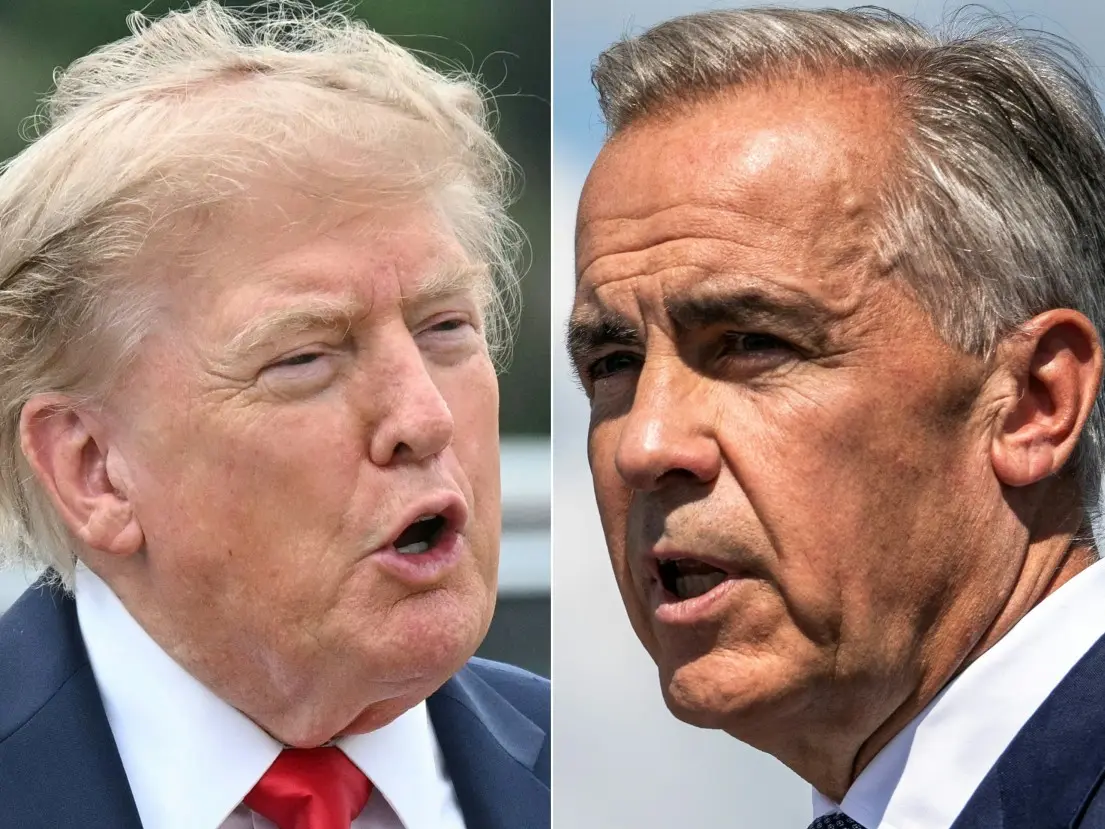)
What’s in a name? Trump’s 'Lake America' move gets a tit-for-tat response from Canada
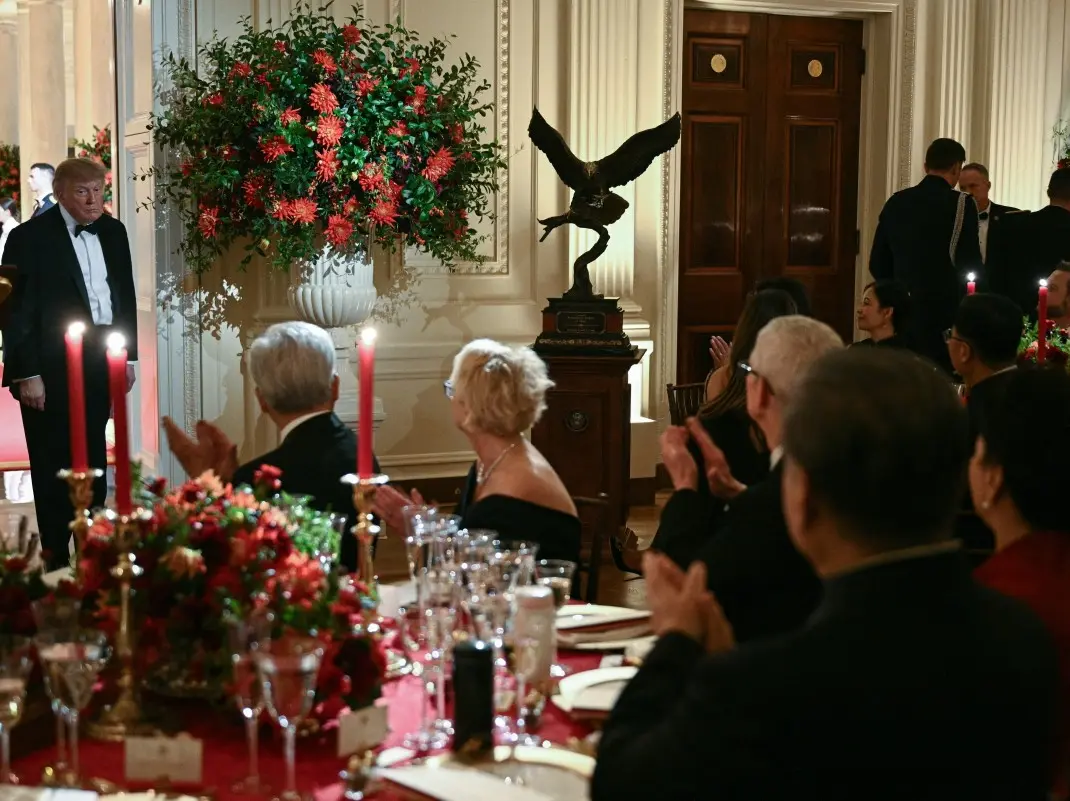)
Trump gifts Xi a bald eagle sculpture at White House dinner: Here’s what it symbolises
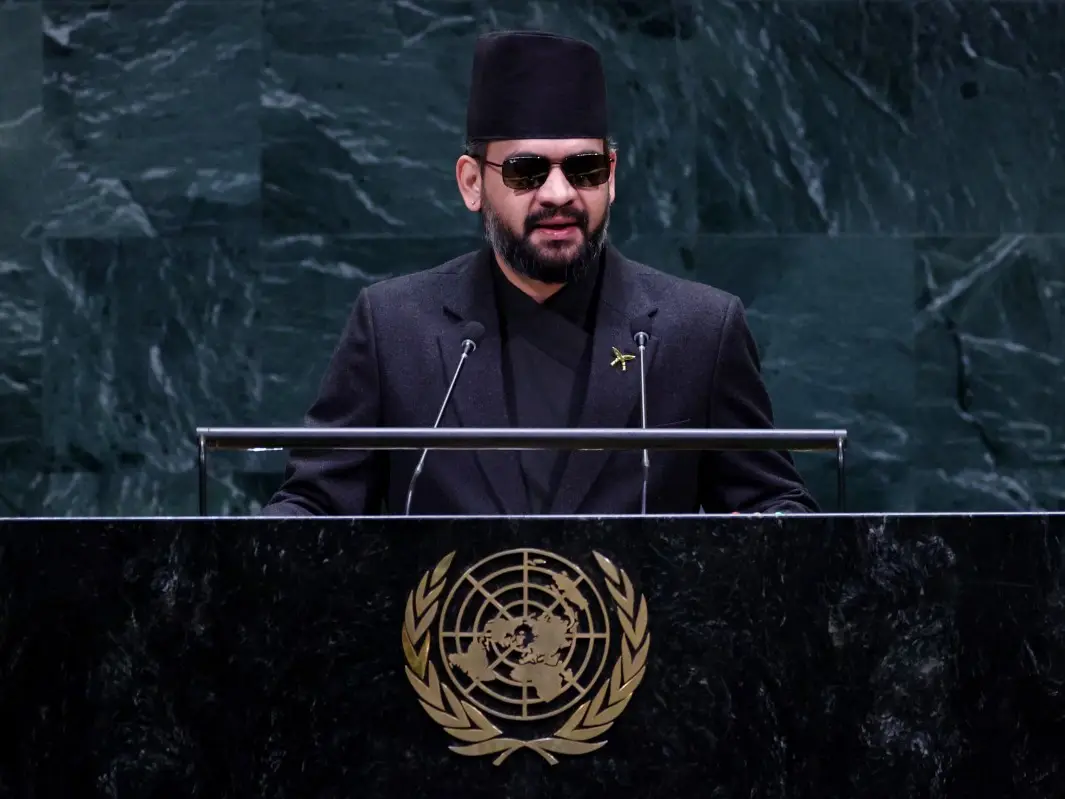)
‘Not just a local tragedy’: Nepal PM Shah warns UN of growing climate threat, says Nepal floods were 'a warning to the world'
)
CNN, Politico and MS NOW back in White House after judge blocks Trump’s media ban
)
US judge questions Trump’s decision to ban CNN, MS NOW and Politico from White House
)
'We would all be dead': Netanyahu defends decision to strike Iran's nuclear facilities in his UN speech
)
Mumbai Indians appoint Luke Williams as head coach for Women’s Premier League
)
IIT Bombay CCTV footage emerges: Sahil Wakode seen looking at phone in examination hall
)
Cyclone Arnab: Landfall expected before midnight tomorrow as IMD issues orange alerts across six states
)
Welcome actor Mushtaq Khan dies at 56 after battling cancer
)
Trump's welcome to Xi demonstrates 'attraction' to dictators: Chuck Schumer
)
WION Iconic Tourism Summit 2026: Union Minister Shekhawat on 'experiential travel', peace diplomacy
)
Nations League: Germany draw on Klopp debut; Portugal, Norway win
)
'AI got into my speech': Prince Harry jokes after teleprompter failure at event in New York
)
Scientists detect first radio signals directly from faraway planet
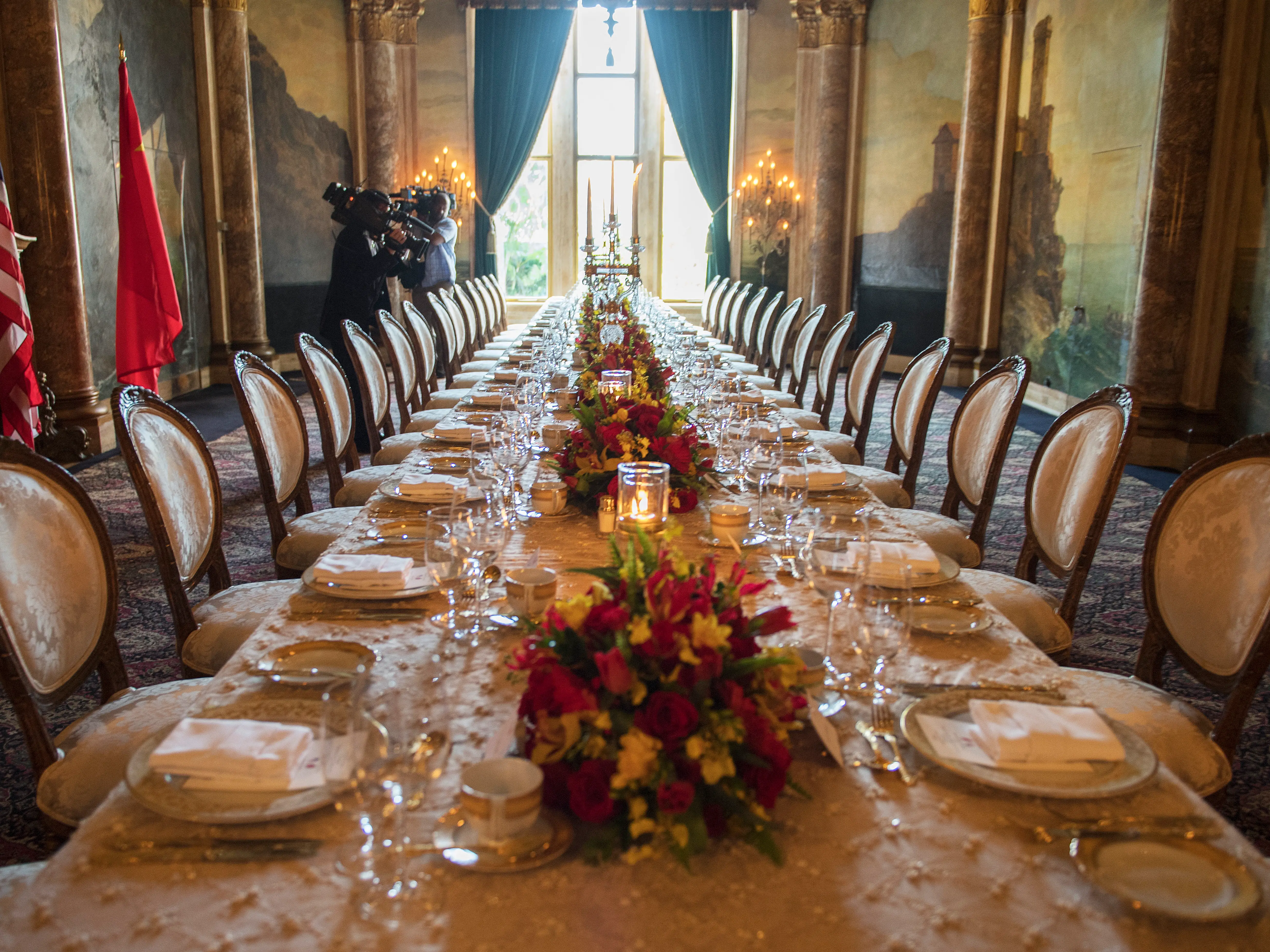)
What’s on the menu? Inside Trump’s lavish White House state dinner for Xi
)
A seven-day roadmap? Iran proposes plan to end war, reopen Strait of Hormuz and resume nuclear talks
)
China to test supersonic jet that moves at Mach 2, double the speed of sound
)
Xi Jinping's 'special plane' vs Trump's Air Force One: What's the difference?
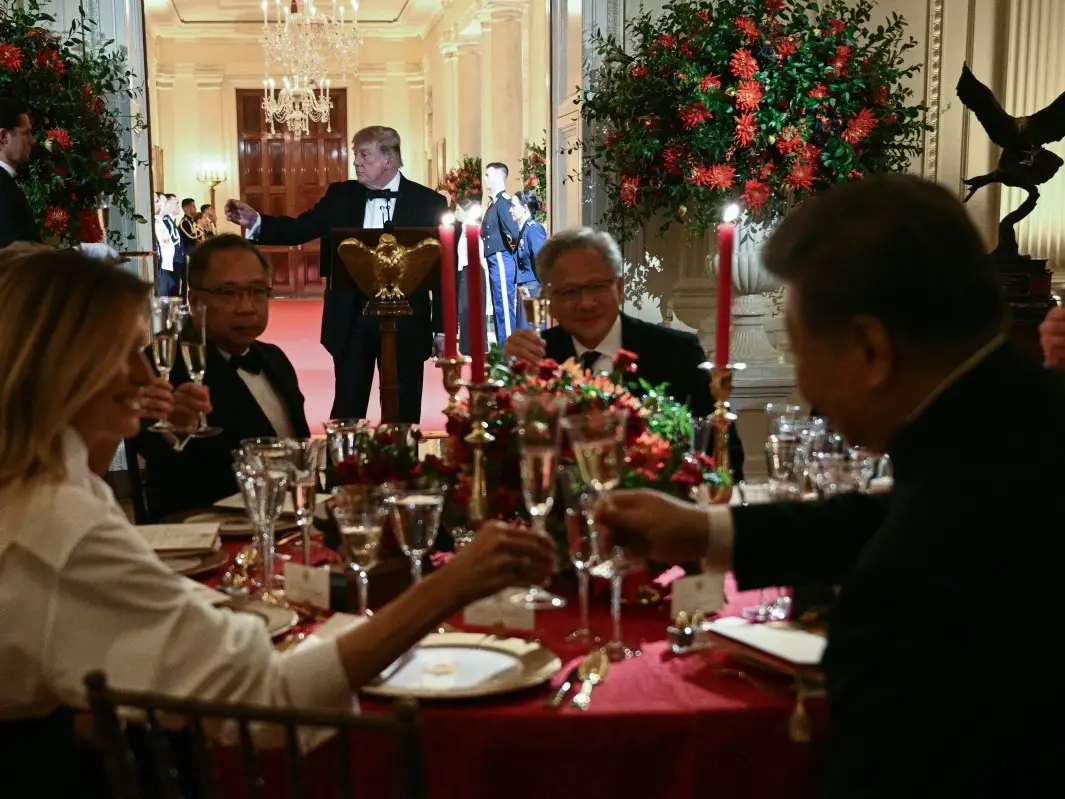)
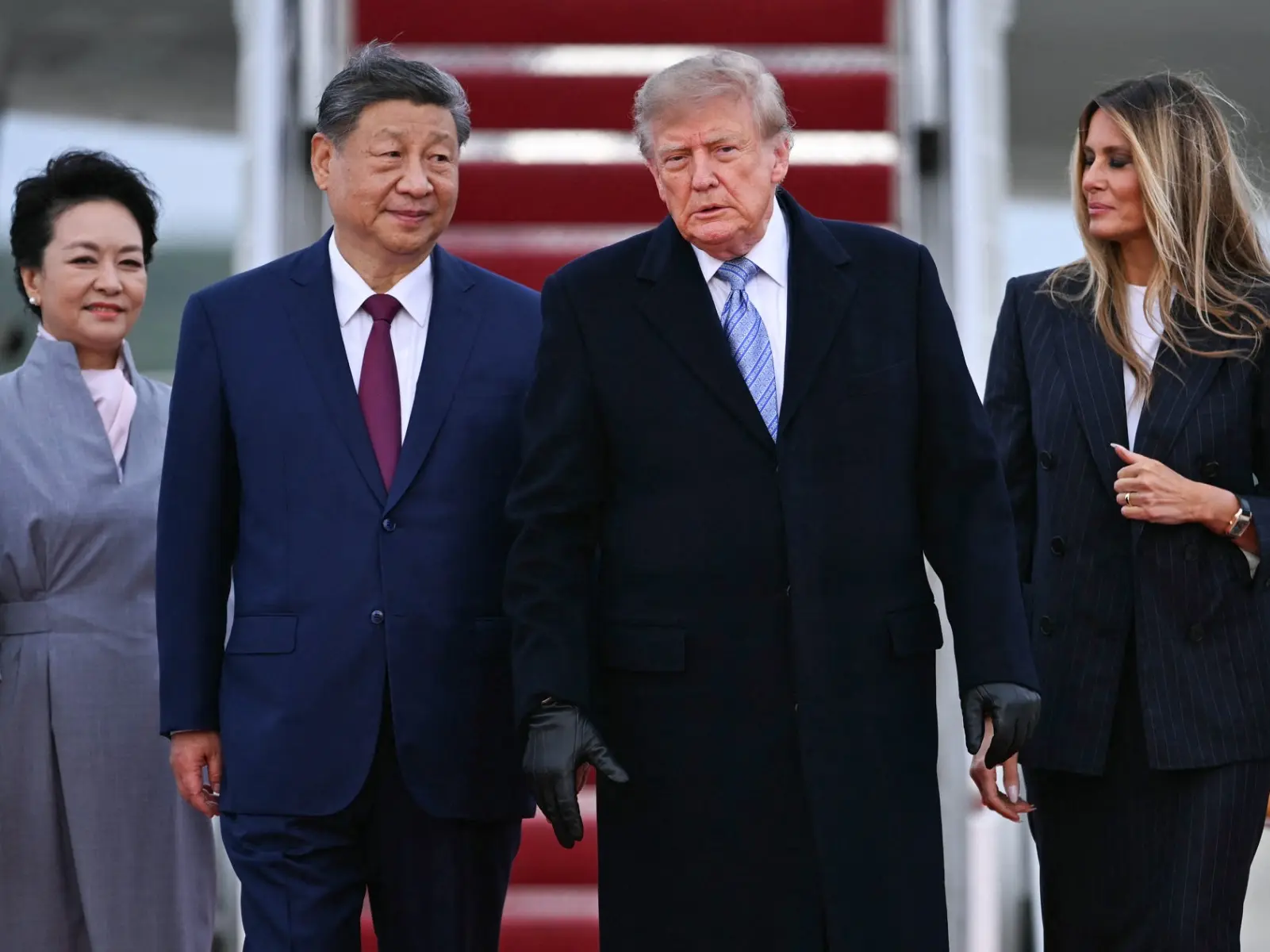
‘We’ve never gotten along better’: Trump praises Xi, jokes about White House ballroom at high-stakes state dinner
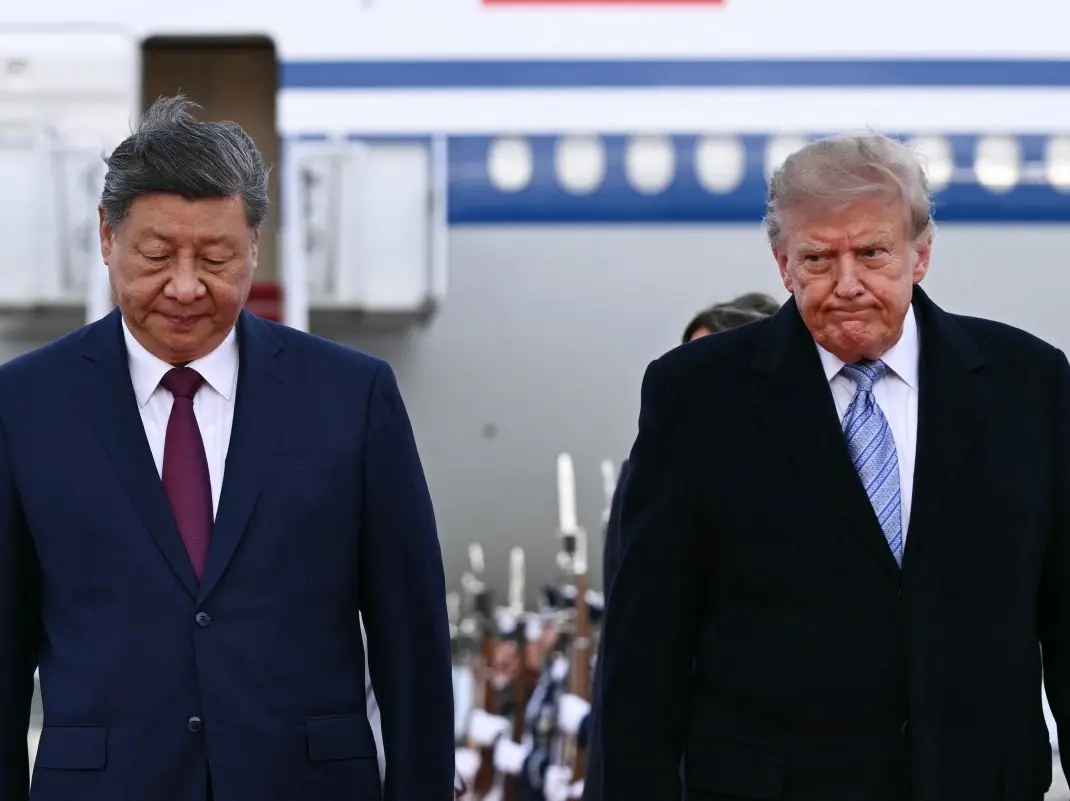)
'Partners rather than rivals': Xi Jinping's first message after landing in US for Trump summit
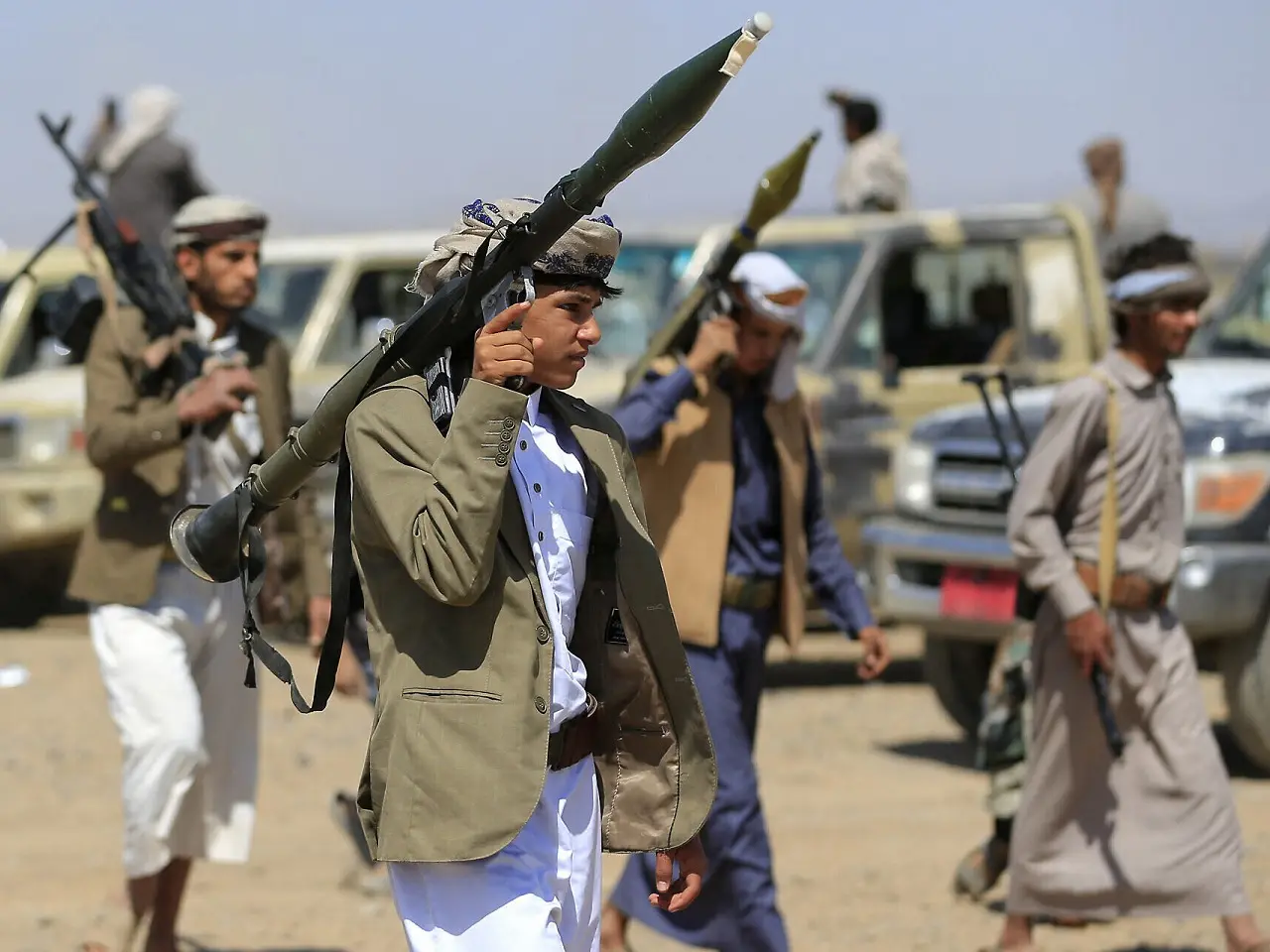)
Yemen called Trump for US military support in fight against Houthis: Official
)
WION Iconic Tourism Summit: Is India's travel boom outrunning its airports, airlines and hotels?
)
2,000-foot tube, laser tests and more: China builds towns to expand nuclear arsenal, satellite images show
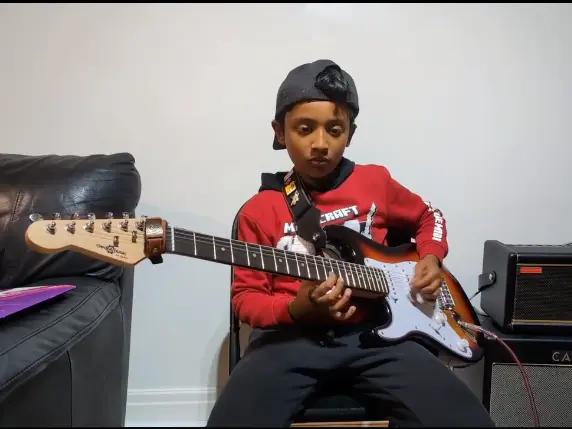)
Meet Adrian Abraham: 9-year-old Indian-origin guitar prodigy aiming for a Guinness World Record
)
US faces fresh cost crunch as mortgage rates hit 7%, oil tops $107 and gas prices surge
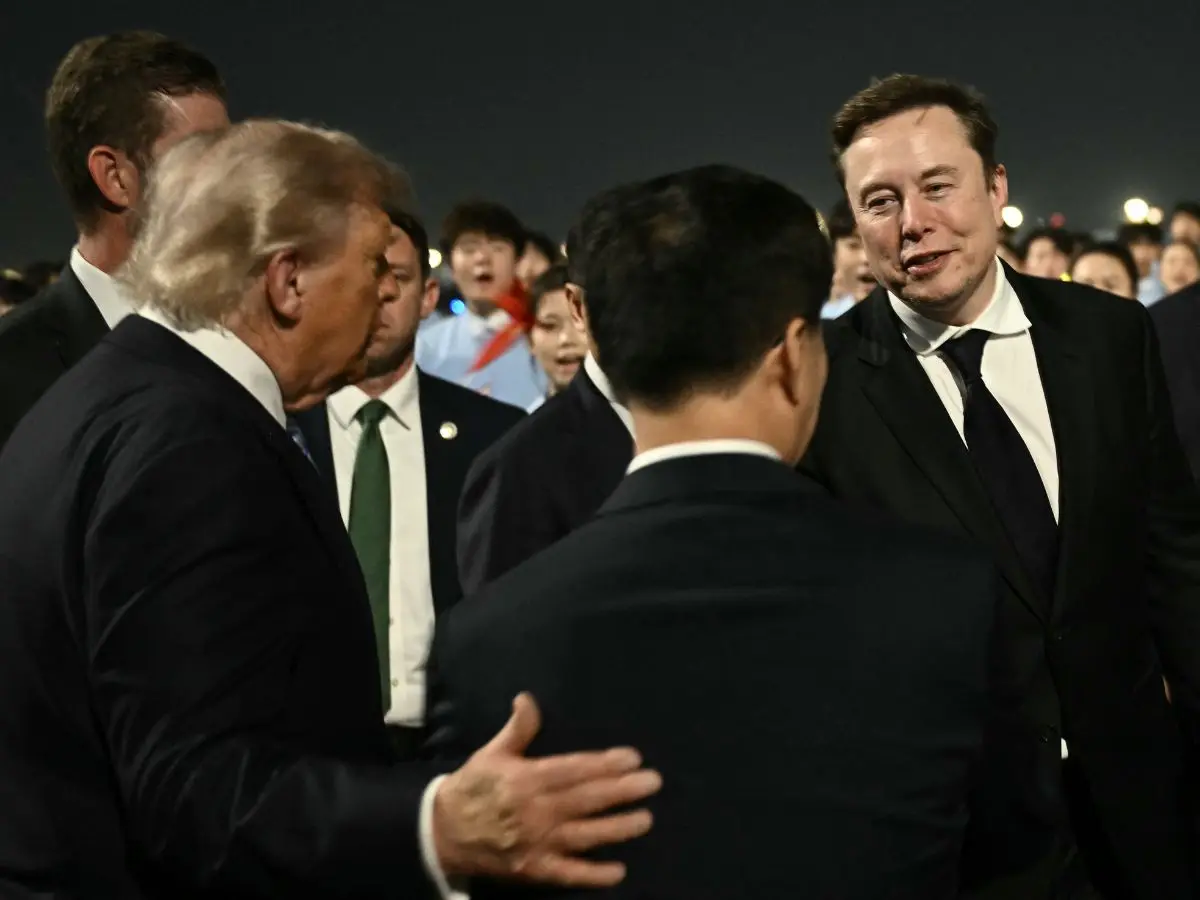)
Trump-Xi state dinner 2026: Who is invited? Full guest list of tech CEOs, business leaders and officials
)
'Making history': Xi Jinping praises Trump as US-China leaders dine at White House
)
Australian PM Anthony Albanese calls OpenAI AI incident 'unacceptable' after restricted data access
)
'What kind of confession is this?': Pakistan PM Shehbaz Sharif’s 'terrorists would be roaming New York' remark goes viral, raises alarm online. Watch
&im=FitAndFill=(700,400))
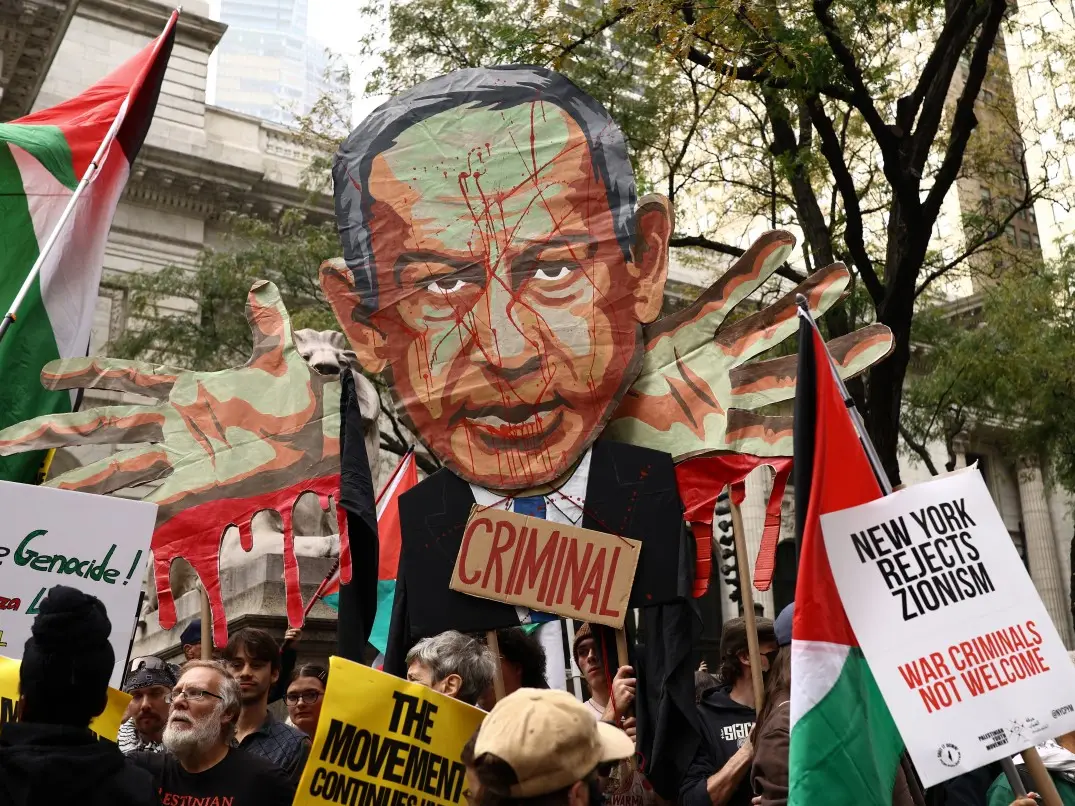
Netanyahu at UN: Mass walkout, attack on Mamdani and Iran threats | In Pics
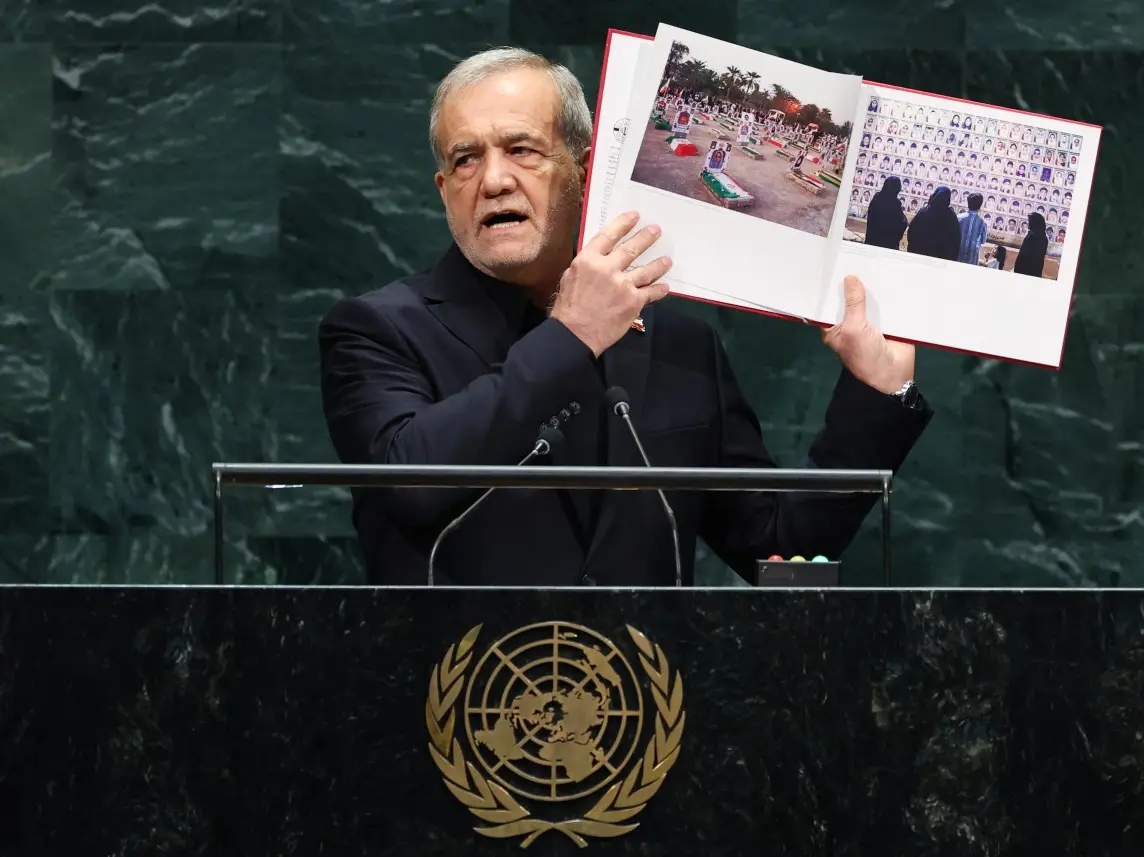)
'We do not wish to continue. It's America that must choose': Iran president Pezeshkian calls on US to end war
)
WION Iconic Tourism Summit: How local tourism MSMEs must upskill for AI integration
)
Russia likely to target Spain, France and Italy in drone attacks, warns CIA: Report
)
Trump’s Board of Peace unveils $2.45bn Gaza plan,66 projects: But where’s the money?
)
EC appointment law: Why is the 2023 act controversial, and what happens next? WION explains
)
Ram Mandir donation theft case: Trust gets clean chit, Champat Rai made prosecution witness; 70,000-page charge sheet filed
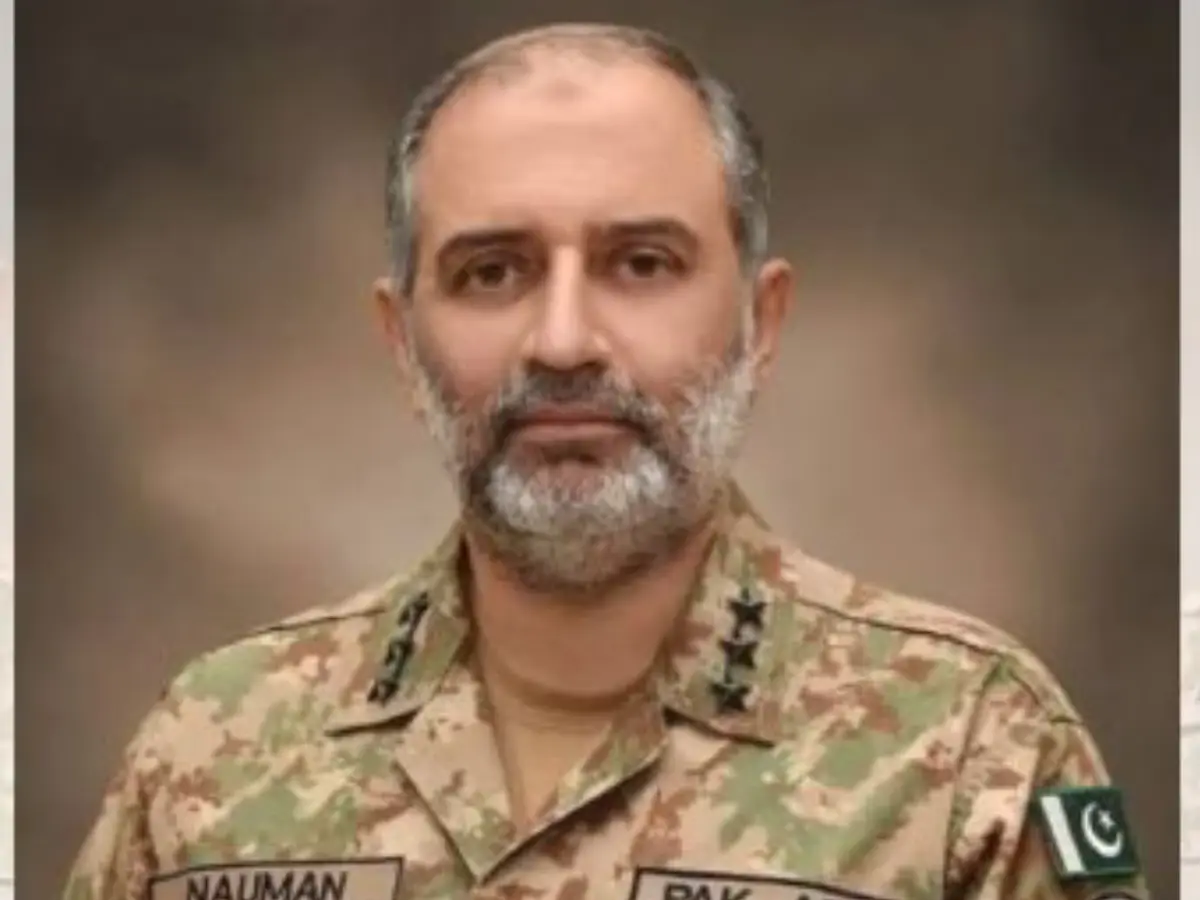)
Who is Lt-Gen Nauman Mahmood, Pakistan's first secretary general of Makkah Defence Alliance?
)
Israeli envoy to US Yechiel Leiter’s son critically injured in West Bank ramming attack
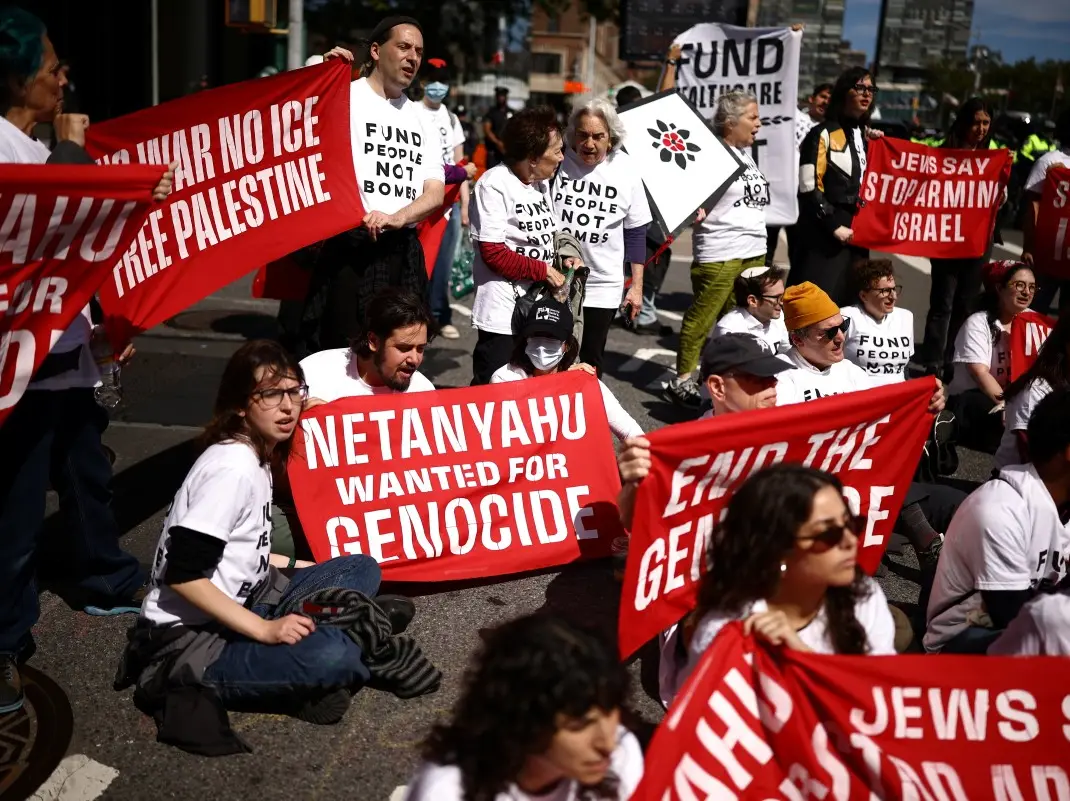)
'Fund people, not bombs': Hundreds take to New York streets as Netanyahu delivers speech at UN; dozens arrested
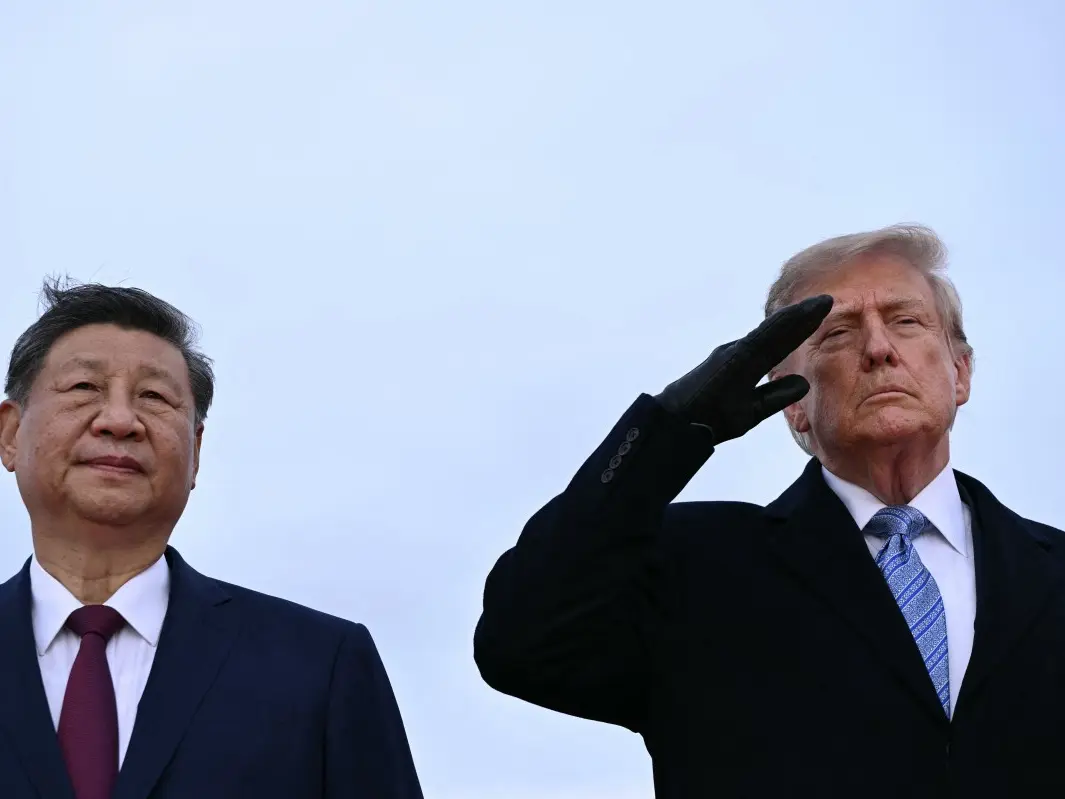)
WATCH | China President Xi Jinping lands in US as Trump greets him ahead of high-stakes summit
The petitions filed against the legislation primarily highlighted this fundamental problem as "quota hike was also discriminatory in nature and violative of the fundamental rights to equality as guaranteed to the citizens by Articles 14, 15 and 16,” the petitioners argued.
Watch:Northern Indian heatwave grips Punjab, Haryana, Delhi & Bihar
“The amendments are violative of the Supreme Court verdict passed in the case of Indira Sawhney versus Union of India whereby a maximum ceiling of 50% was laid down,” they added.
(With inputs from agencies)