Ayodhya land dispute case: A timeline


Babri Masjid demolition
The Ayodhya Babri Masjid case has gained momentum in recent years. The issue is likely to play an important role in determining the votes of a particular community in the 2019 Lok Sabha polls.
The Supreme Court on Friday said that an appropriate bench constituted by it will pass an order on January 10 for fixing the date of hearing in the Ram Janmabhoomi-Babri Masjid land dispute title case at Ayodhya.
During the last hearing on October 29, the apex court had turned down the appeals filed by around 14 petitioners againstAllahabad high court's 2010 judgement which divided the land into three equal parts to the Ram Lalla, Nirmohi Akhara and Sunni Central Wakf Board of Uttar Pradesh - the three parties in the case.
In a hearing led by the Chief Justice of India Ranjan Gogoi, the court had also dismissed the requests for early hearing in the title dispute case and concluded, "We have our own priorities. Whether hearing would take place in January, March or April would be decided by an appropriate bench".

The court had earlier rejected the proposal for sending the title case for a larger bench and also refused to reconsider its 1994 verdict in which it had observed that a "mosque is not an essential part of the practice of the religion of Islam and namaz by Muslims can be offered anywhere, even in open".
The court had resumed the hearing in the case in 2017 after a break of around seven years.
The Ayodhya Babri Masjid case has gained momentum in recent years. The issue is likely to play an important role in determining the votes of a particular community in the 2019 Lok Sabha polls.
)
Nigeria: Protesters take to the streets, police fire shots
)
US-Iran war: Tehran draws red lines — seven demands before any peace talks
)
Russia-Europe tensions: Polish PM warns Russian attacks could test NATO's unity
&im=FitAndFill=(700,400))
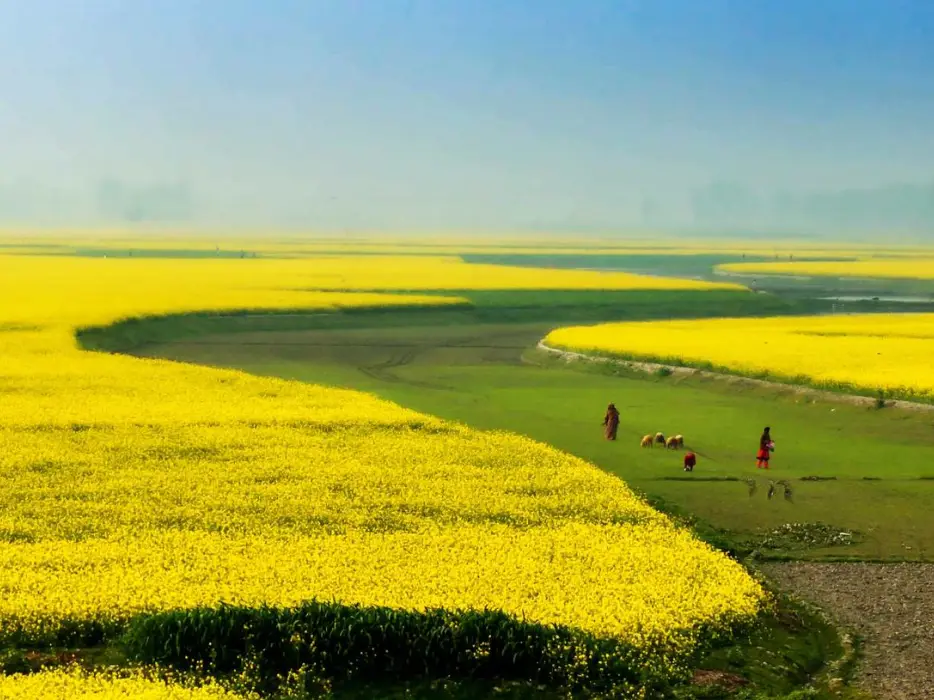
‘Not the US or China’: These are the countries leading the world in arable land
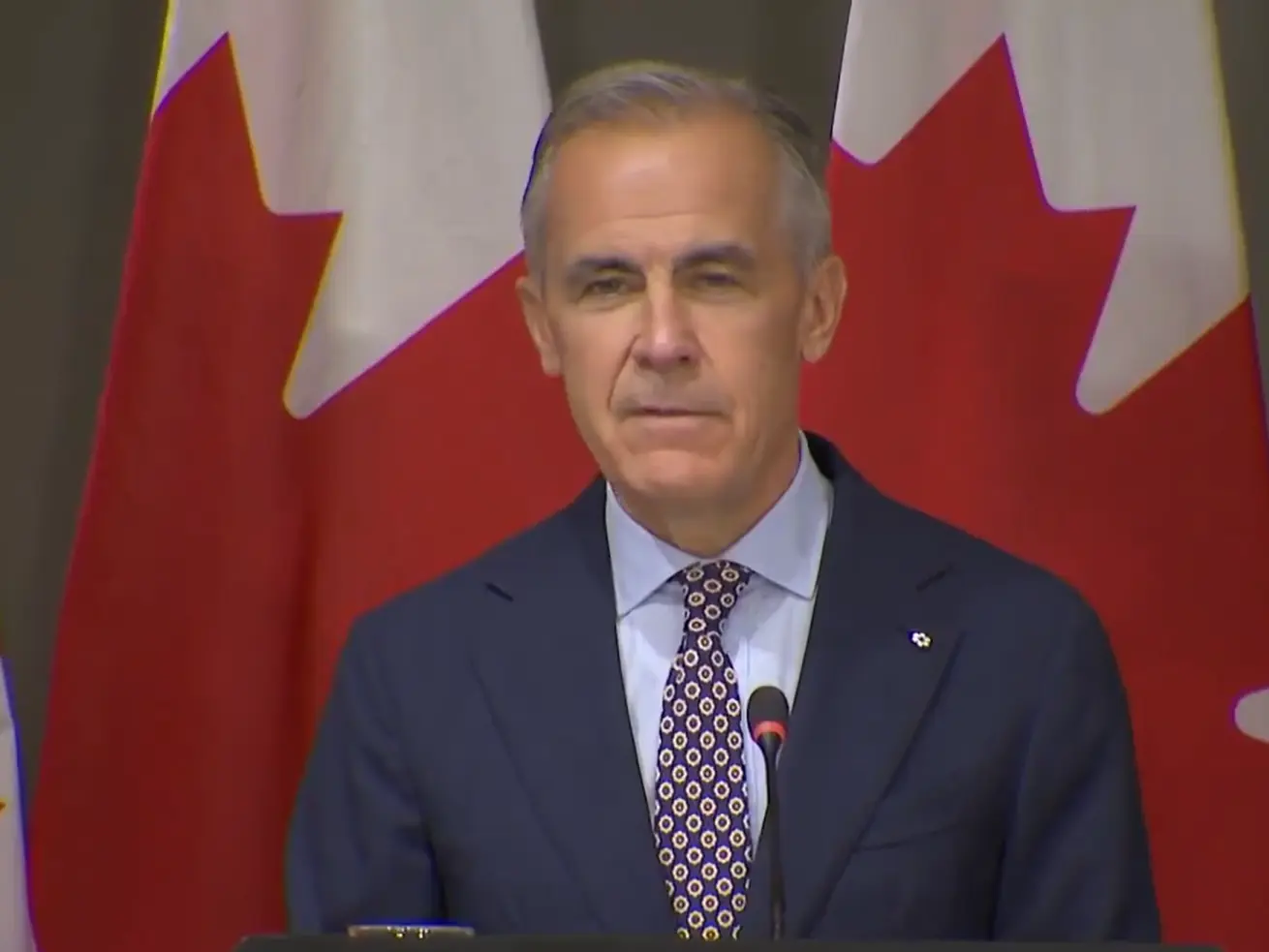)
Mark Carney mimics Trump in hilarious moment over C$70 billion clean-energy investment; room erupts in laughter
)
Pentagon revives mandatory testosterone testing for male troops aged 30 and above
)
FACT CHECK: Why did PM Modi ask Xi ‘is it okay’ at BRICS Summit? New video reveals...
)
Trump defends AI amid growing alarm, announces new 'AI force' and promises an 'AI czar'
)
Iran sets 7 conditions to end war with US: What are Tehran’s demands?
)
Trump announces ‘AI Force’ as debate grows over AI risks and regulation
)
China may have gained access to US's classified F-35 jets; parts meant for repairs diverted to Hong Kong, sparking Pentagon inquiry
)
Gaza under attack: Health chief's son killed in IDF strikes
)
Arvind Kejriwal, family members, Delhi CM Rekha Gupta get SIR notices
)
Cochin shipyard starts building Indian Navy's next-gen missile vessels
)
Saudi vs Houthis: Houthis claim missiles & drones used in attack on key Saudi sites
)
Russia extends ban on Western food imports for two more years in extended sanctions countermeasure
)
Ed Sheeran addresses Macklemore's removal, Gaza conflict during Philadelphia concert: 'I cannot hide how I feel'
)
Brigitte Bardot’s private collection set for Paris auction; key items and prices revealed
)
How did an Australian river with 500 crocodiles pass the Olympic test? Here's how
)
‘Will go to any extent’: Pakistan vows to defend Saudi Arabia amid Houthi attacks
&im=FitAndFill=(700,400))
Ananya Panday to Sharvari: 5 actresses serving major princess vibes
66 years of the Indus Waters Treaty: How India and Pakistan settled a bitter river dispute
)
The Verdict | When precision fails: US commits war crime in Minab school strike, UN finds
)
9 women found dead near Johannesburg: South Africans rally, demand 'enough' to femicide
)
Trump wants to rename ‘Artificial Intelligence’, gives 3 options: Which one would you pick?
)
Reacher star Alan Ritchson opens up about alleged blackmail, suicide attempt during difficult period
)
Africa is splitting, and a lot sooner than estimated, giving way to a new ocean
)
Flying cars in UAE: Ras Al Khaimah signs deal with Chinese company to test new transport
)
Trump bans CNN, MS NOW and Politico from White House over ‘FAKE NEWS’
)
Trump 2.0: Dark days ahead for America’s ‘imperial presidency’
&im=FitAndFill=(700,400))
How many F-35s does Britain, Japan and Israel have?
)
Harry Brook targets long reign at top of T20I rankings after Sri Lanka sweep
)
Russia holds first parliamentary elections since the beginning of the Ukraine war
&im=FitAndFill=(700,400))
Meet top 5 Indian batters with fastest T20I centuries
)
Raphinha hat-trick powers Barcelona to 3-1 win over Sevilla in La Liga
)
While the Bharatiya Janata Party has time and again assured the construction of the temple, the issue will likely not get a concrete layout before the 2019 Lok Sabha polls.
In a recent interview, Prime Minister Narendra Modi has clarified that his government will not take any step in building the temple until the court pronounces its judgement.
“Let the judicial process take its own course. Don't weigh it in political terms. Let the judicial process be over. After the judicial process is over, whatever be our responsibility as a government, we are ready to make all efforts,” PTI reported PM Modi as saying.
Prime Minister’s comments have come at a time when the other Hindutva organisations were demanding for an ordinance for the early building of the Ram Temple.
The Bharatiya Janata Party rose to prominence in the 1990s after it exhibited active support for the construction of the Ram Temple. In the elections that followed, the party garnered huge support and votes from the core Hindu voters. However, even after nearly a decade, the party has not been able to deliver its promise to its voters.
Over the years the land dispute case has become one of the most debated issues in the country leading to escalated tensions in the political environment. The demolition of the mosque had resulted in severe riots in the country killing over 2,000 people.
Here is the series of events that led to the land dispute case in the country:
1528: Babri Masjid built by Mir Baqi, commander of Mughal emperor Babur.
1885: Mahant Raghubir Das files plea in Faizabad district court seeking permission to build a canopy outside the disputed Ram Janmabhoomi-Babri Masjid structure. Court rejects the plea.
1949: Idols of Ram Lalla placed under a central dome outside the disputed structure.
1950: Gopal Simla Visharad files suit in Faizabad district court for rights to worship the idols of Ram Lalla.
1950: Paramahansa Ramachandra Das files suit for a continuation of worship and keeping the idols.
1959: Nirmohi Akhara files suit seeking possession of the site.
1981: UP Sunni Central Waqf Board files suit for possession of the site.
February 1, 1986: Local court orders the government to open the site for Hindu worshippers.
August 14, 1989: Allahabad High Court ordered maintenance of status quo in respect of the disputed structure.
December 6, 1992: Ram Janmabhoomi-Babri Masjid structure demolished.
April 3, 1993: ‘Acquisition of Certain Area at Ayodhya Act’ passed for acquisition of land by Centre in the disputed area.
1993: Various writ petitions, including one by Ismail Faruqui, filed at Allahabad High Court challenging various aspects of the Act.
October 24, 1994: Supreme Court says in the historic Ismail Faruqui case that a mosque was not integral to Islam.
April 2002: High Court begins hearing on determining who owns the disputed site.
March 13, 2003: Supreme Court says, in the Aslam alias Bhure case, no religious activity of any nature be allowed at the acquired land.
March 14, 2003: Supreme Court says interim order passed should be operative till disposal of the civil suits in Allahabad High Court to maintain communal harmony.
September 30, 2010: High Court, in a 2:1 majority, rules three-way division of disputed area between Sunni Waqf Board, the Nirmohi Akhara and Ram Lalla.
May 9, 2011: Supreme Court stays High Court verdict on Ayodhya land dispute.
February 26, 2016: Subramanian Swamy files plea in Supreme Court seeking construction of Ram Temple at the disputed site
March 21, 2017: CJI JS Khehar suggests out-of-court settlement among rival parties.
August 7, 2017: Supreme Court constitutes three-judge bench to hear pleas challenging the 1994 verdict of the Allahabad High Court.
August 8, 2017: UP Shia Central Waqf Board tells Supreme Court mosque could be built in a Muslim-dominated area at a reasonable distance from the disputed site.
September 11, 2017: Supreme Court directs Chief Justice of the Allahabad HC to nominate two additional district judges within ten days as observers to deal with the upkeep of the disputed site.
November 20, 2017: UP Shia Central Waqf Board tells Supreme Court temple can be built in Ayodhya and mosque in Lucknow.
December 1, 2017: Thirty-two civil rights activists file plea challenging the 2010 verdict of the Allahabad High Court.
February 8, 2018: Supreme Court starts hearing the civil appeals.
March 14, 2018: Supreme Court rejects all interim pleas, including Swamy’s, seeking to intervene as parties in the case.
April 6, 2018: Rajeev Dhavan files plea in Supreme Court to refer the issue of reconsideration of the observations in its 1994 judgement to a larger bench.
July 6, 2018: UP government tells the Supreme Court some Muslim groups were trying to delay the hearing by seeking reconsideration of observation in the 1994 verdict.
July 20, 2018 : Supreme Court reserves verdict.
September 27, 2018: Supreme Court declines to refer the case to a five-judge Constitution bench.
October 29, 2018: Newly constituted three-judge bench turns down appeal filed by 14 petitioners challenging the 2010 court verdict. Court also schedules hearing for the first week of January.