

&imwidth=800&imheight=600&format=webp&quality=medium "Amid new US tariff threat, India moves to ban imports made using forced labour")
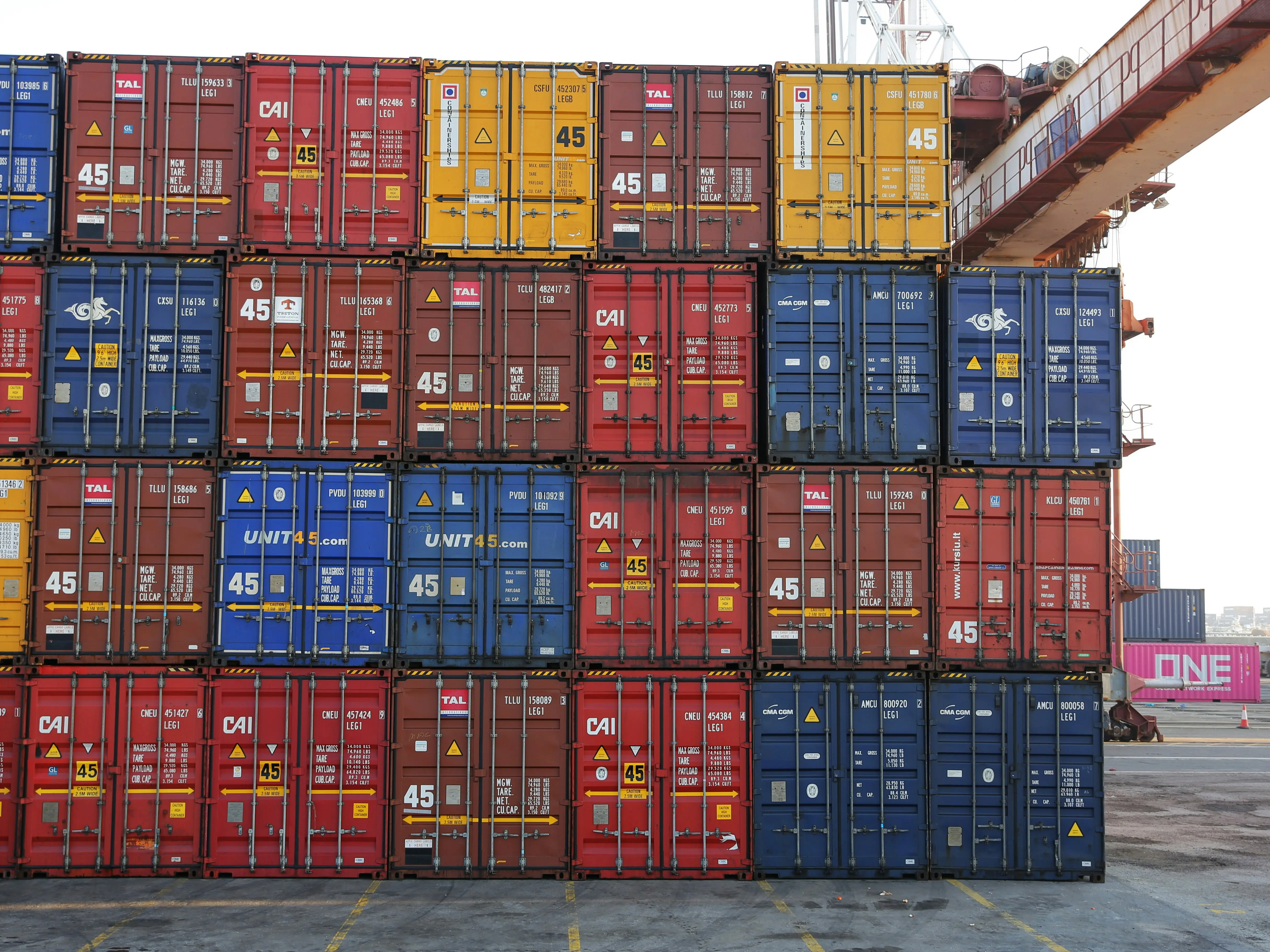
The Commerce and Industry Ministry on Tuesday (July 14, 2026) restricted the import of goods manufactured using forced labour. This comes days after the United States Trade Representative (USTR) proposed 12.5 per cent tariffs on India, connected to the issue. In March, the US had launched two Section 301 investigations against India and later imposed fresh tariffs on June 3 following the result of its first probe, which discovered that India failed to “effectively enforce” a forced labour import prohibition, which had reportedly affected US commerce.
In an order dated July 13, the Directorate General of Foreign Trade (DGFT) has added a new paragraph in the Foreign Trade Policy (FTP) related to “forced labour”, underscoring that the import of goods produced or manufactured partially or completely using forced labour is “prohibited”.
“The Central Government may, from time to time, specify, by notification, the goods whose import shall be prohibited under this paragraph, having regard to the findings of such enquiry or such other material as it may consider appropriate. The procedure for conducting an enquiry by the DGFT into the use of forced labour. The provisions of this notification shall come into effect after the expiry of 30 days from the date of its publication in the Official Gazette,” the notification read.
A senior government official told The Indian Express that existing regulations already contain provisions to address issues such as forced labour, but the July 13 notification makes those powers explicit. The official said the use of "suo motu" makes it clear that authorities can initiate action on their own without waiting for a formal complaint. "We previously had these powers implicitly, but they we are not dependent on a complaint to take action. This could also have implications for the ongoing trade discussions," the official said, hinting at the ongoing negotiations on the proposed trade deal with the United States.
India on elimination of forced labour
Trending Stories
&imwidth=180&imheight=135&format=webp&quality=medium)
Brendan Taylor overtakes Andy Flower to become Zimbabwe’s leading ODI run-scorer
&im=FitAndFill=(700,400)&imwidth=180&imheight=135&format=webp&quality=medium)
What is the real meaning behind Pete Hegseth's tattoos?
&imwidth=180&imheight=135&format=webp&quality=medium)
Kim Jong Un death rumours: State media shares photos to prove dictator is alive amid reports of brain haemorrhage
&imwidth=180&imheight=135&format=webp&quality=medium)
Two Indians among 28 arrested in California over alleged voter registration fraud, DOJ says
&imwidth=180&imheight=135&format=webp&quality=medium)
‘Nuclear-use decision should be taken by humans’: India flags AI risks at UN
&imwidth=180&imheight=135&format=webp&quality=medium)
Flying car race: Alef Aeronautics welcomes Tesla Roadster '11 years' later, but are the two models the same?
&imwidth=180&imheight=135&format=webp&quality=medium)
Shastri backs Shami comeback; lauds Bhuvi and warns Bumrah on format workload ahead of World Cup
&imwidth=180&imheight=135&format=webp&quality=medium)
Netanyahu rival Benny Gantz quits Israel election race, vows to push for unity government
&imwidth=180&imheight=135&format=webp&quality=medium)
US Midterm 2026: What do opinion polls and prediction markets say less than two weeks before voting
&imwidth=180&imheight=135&format=webp&quality=medium)
WATCH | Albania protesters set Supreme Court on fire as anti-Rama riots escalate
&imwidth=180&imheight=135&format=webp&quality=medium)
Indian Air Force turns to homegrown firefighting robot developed under iDEX programme
&imwidth=180&imheight=135&format=webp&quality=medium)
Trump Commerce Secretary Howard Lutnick’s family fortune more than doubles to $7.3 billion, outpacing his boss
&imwidth=180&imheight=135&format=webp&quality=medium)
Pete Hegseth meets Benjamin Netanyahu during unannounced visit to Israel ahead of election
&im=FitAndFill=(700,400)&imwidth=180&imheight=135&format=webp&quality=medium)
Ghaziabad is world's fastest-growing city; Surat, Patna, Rajkot also feature on list
&imwidth=180&imheight=135&format=webp&quality=medium)
'It's a joy to see the makers bring it on such a grand scale': SS Rajamouli on Ramayana
&imwidth=180&imheight=135&format=webp&quality=medium)
‘Spare India from anarchy’: Over 400 Indian-origin academics from MIT, Oxford condemn anti-CEC protests
&imwidth=180&imheight=135&format=webp&quality=medium)
WATCH | Japan launches historic mission to collect samples from Mars' moon Phobos
&imwidth=180&imheight=135&format=webp&quality=medium)
PCB omits Atherton, Hussain from tri-series commentary panel over Imran Khan interview row
&imwidth=180&imheight=135&format=webp&quality=medium)
Trump calls on New Mexico to become 'New America', claims 'home values and incomes would rise'
&imwidth=180&imheight=135&format=webp&quality=medium)
US Congressman Raja Krishnamoorthi describes foiled temple attack as ‘divine intervention’, criticises Vance and MAGA rhetoric
&imwidth=180&imheight=135&format=webp&quality=medium)
Girl 'dead' for 8 hours wakes up at her own funeral, dad insists she wasn't breathing
&imwidth=180&imheight=135&format=webp&quality=medium)
Pujara says 'Samson and Vaibhav cannot be in Playing XI' for India on NZ tour
&imwidth=180&imheight=135&format=webp&quality=medium)
US midterms 2026: From Pooja Sethi to Vivek Ramaswamy, here are Indian-origin candidates to watch out for
&im=FitAndFill=(700,400)&imwidth=180&imheight=135&format=webp&quality=medium)
New OTT releases this week (October 19-25, 2026): Gajab Raat to Chaar Yaar-8 titles to watch during Dussehra week on Netflix, Prime Video and more
&imwidth=180&imheight=135&format=webp&quality=medium)
Baby orangutan rescued in India returns to Indonesia
&imwidth=180&imheight=135&format=webp&quality=medium)
India moves to buy 10,000 more AI chips for a national compute pool open to startups
&imwidth=180&imheight=135&format=webp&quality=medium)
'Not going to let it happen here': From Kansas, Trump ramps up US midterm campaign, points to ‘what’s happening in France’
&imwidth=180&imheight=135&format=webp&quality=medium)
'Whatever I can do to end this war': Trump floats China Summit with Putin and Xi, questions Zelensky's role in peace talks
&imwidth=180&imheight=135&format=webp&quality=medium)
'Paris is going to be a Muslim city very soon': Trump blames immigration for France unrest, urges Macron to tighten border policies
&imwidth=180&imheight=135&format=webp&quality=medium)
WATCH | Viral video shows woman jogging past burning barricade amid Paris unrest, sparks online debate
&imwidth=180&imheight=135&format=webp&quality=medium)
'We feel like Mr India': Gujarat’s undercover SHE team guard garba nights at Navratri
&imwidth=180&imheight=135&format=webp&quality=medium)
Cattle-feed bran in biscuits, detergent in milk: FSSAI acts against 3 companies
&imwidth=180&imheight=135&format=webp&quality=medium)
Priest dies after crucifix falls on his head during livestreamed Mass in Ecuador | VIDEO
&imwidth=180&imheight=135&format=webp&quality=medium)
Ramayana advance booking: Ranbir Kapoor, Yash's film cross $500K ahead of Diwali release
&imwidth=180&imheight=135&format=webp&quality=medium)
AUS vs SA: Boland grabs opportunity with both ends to help Australia dominate
India has also sought a review of the proposed 12.5 per cent US tariffs, arguing that the findings of the Section 301 investigation are inconsistent. During a public hearing last week, Joint Secretary in the Department of Commerce Brij Mohan Mishra said that India considers the elimination of forced labour a constitutional responsibility as well as an obligation under international law and accepted global principles.
Under internationally recognised standards, forced labour refers to any work or service extracted from a person under the threat of punishment and carried out without the person's voluntary consent. Manoj Mishra, Partner and Tax Controversy Management Leader at Grant Thornton Bharat, said the move to prohibit imports of goods produced through forced labour represents a major shift in India's trade policy framework. He stated that the FTP now included a dedicated trade measure aligned with international standards under the ILO Forced Labour Convention.
“Announced amid heightened global scrutiny of supply chains and the ongoing USTR Section 301 investigation, the move strengthens India’s regulatory framework on ethical sourcing. However, its practical impact will largely depend on the enquiry mechanism and implementation framework to be prescribed under the Handbook of Procedures, which will determine the scope of compliance for importers,” Mishra said.

