Could cockpit cameras have made a difference in Air India crash probe? Experts have their say

&imwidth=600&imheight=450&format=webp&quality=medium "Could cockpit cameras have made a difference in Air India crash probe? Experts have their say")
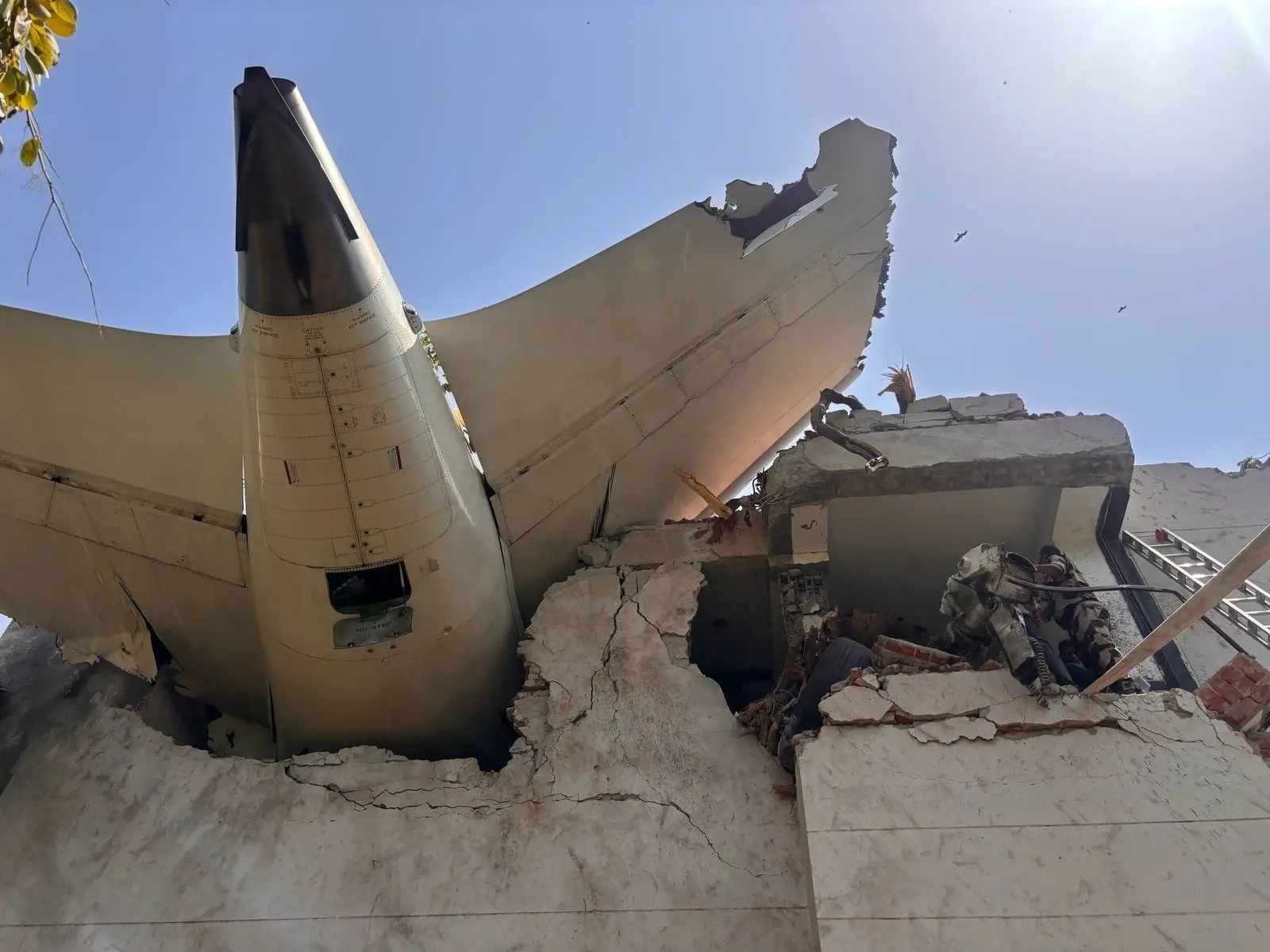
Air India flight AI171 was heading to London's Gatwick from Ahmedabad and was carrying 242 passengers on board Photograph: (X)
Aviation experts have said a preliminary report from India’s Aircraft Accident Investigation Bureau raised questions over whether one of the pilots of Air India flight 171 cut off fuel to the Boeing 787’s engines seconds after takeoff, leading to an irrecoverable situation
The fatal Air India crash last month resuscitated a decade-long controversy in the airline industry over installing video cameras monitoring airline pilot actions to complement the cockpit voice and flight data recorders already employed by crash investigators. One of the world's most powerful voices in the industry, International Air Transport Association chief Willie Walsh, a former pilot, on Wednesday (July 16) said that there was an excellent case for equipping airliner cockpits with video cameras to record pilots' actions to complement voice and flight data recorders currently employed by accident investigators.
Aviation analysts have said an initial report from India's Aircraft Accident Investigation Bureau (AAIB) raised doubts about whether one of the pilots on Air India flight 171 cut off fuel to the Boeing 787's engines seconds after takeoff, resulting in an irrecoverable situation.
The crash at Ahmedabad, India, killed 241 of the 242 passengers, and several individuals on the ground. To date, "given what little we know at this point, it's more than likely that a video recording, along with the voice recording would really help the investigators to carry out that investigation on the matter of mental health," Walsh was quoted saying in an interview.
Advocates of cockpit video cameras argue that the images would provide details missing from the audio and data recorders, while critics argue that privacy issues and abuse potential overshadow what they say are minor benefits for investigations. Video evidence was "invaluable" to Australian crash investigators deciding what caused Robinson R66 helicopter disintegration in flight in 2023, which killed the pilot, the sole occupant, in the Australian Transport Safety Bureau's final report, released 18 days after Air India crash.
The footage showed "the pilot was engaged in non-flying related activities for much of this period, namely mobile phone use and the drinking and eating of food," the report said. The ATSB praised Robinson Helicopters for making the factory-installed cameras available and said it urged other manufacturers and owners to take into consideration the ongoing safety advantage of similar equipment.
In 2000, US National Transportation Safety Board (NTSB) Chairman Jim Hall called on the Federal Aviation Administration to mandate commercial airliners be fitted with cockpit image recorders.
Trending Stories
&im=FitAndFill=(700,400)&imwidth=280&imheight=210&format=webp&quality=medium)
&imwidth=280&imheight=210&format=webp&quality=medium)
&imwidth=280&imheight=210&format=webp&quality=medium)
&imwidth=280&imheight=210&format=webp&quality=medium)
&imwidth=280&imheight=210&format=webp&quality=medium)
&imwidth=280&imheight=210&format=webp&quality=medium)
&imwidth=280&imheight=210&format=webp&quality=medium)
&imwidth=280&imheight=210&format=webp&quality=medium)
&imwidth=280&imheight=210&format=webp&quality=medium)
&imwidth=280&imheight=210&format=webp&quality=medium)
&imwidth=280&imheight=210&format=webp&quality=medium)
&imwidth=280&imheight=210&format=webp&quality=medium)
&imwidth=280&imheight=210&format=webp&quality=medium)
&imwidth=280&imheight=210&format=webp&quality=medium)
&imwidth=280&imheight=210&format=webp&quality=medium)
&imwidth=280&imheight=210&format=webp&quality=medium)
&imwidth=280&imheight=210&format=webp&quality=medium)
&imwidth=280&imheight=210&format=webp&quality=medium)
&im=FitAndFill=(700,400)&imwidth=280&imheight=210&format=webp&quality=medium)
&imwidth=280&imheight=210&format=webp&quality=medium)
&imwidth=280&imheight=210&format=webp&quality=medium)
&imwidth=280&imheight=210&format=webp&quality=medium)
&imwidth=280&imheight=210&format=webp&quality=medium)
&imwidth=280&imheight=210&format=webp&quality=medium)
&imwidth=280&imheight=210&format=webp&quality=medium)
&imwidth=280&imheight=210&format=webp&quality=medium)
&im=FitAndFill=(700,400)&imwidth=280&imheight=210&format=webp&quality=medium)
&imwidth=280&imheight=210&format=webp&quality=medium)
&imwidth=280&imheight=210&format=webp&quality=medium)
&imwidth=280&imheight=210&format=webp&quality=medium)
&imwidth=280&imheight=210&format=webp&quality=medium)
Hall made the suggestion following 1999's Egyptair Flight 990 crash, when the first officer deliberately crashed the Boeing 767, the NTSB said, killing all 217 aboard. "In the weighing of privacy vs. security, the scale is tipped in favor of security, categorically," air safety expert and retired commercial airline pilot John Nance said. "Guarding the flying public is a sacred trust."
Another expert in aviation safety, Anthony Brickhouse, said that as an accident investigator, he supports cockpit video, but recognised that there are real concerns on the part of commercial pilots.
Video of Air India flight 171 "would have provided answers to many questions," he said. Air India refused to comment on the matter. India's AAIB, under global regulations, is to come out with a final report within a year of the crash, but did not respond to a request for comment.

