'Worms' in medicine of Madhya Pradesh government hospital? Investigation launched, 360 Azithromycin bottles for kids recalled

&imwidth=600&imheight=450&format=webp&quality=medium "'Worms' in medicine of Madhya Pradesh government hospital? Investigation launched, 360 Azithromycin bottles for kids recalled")
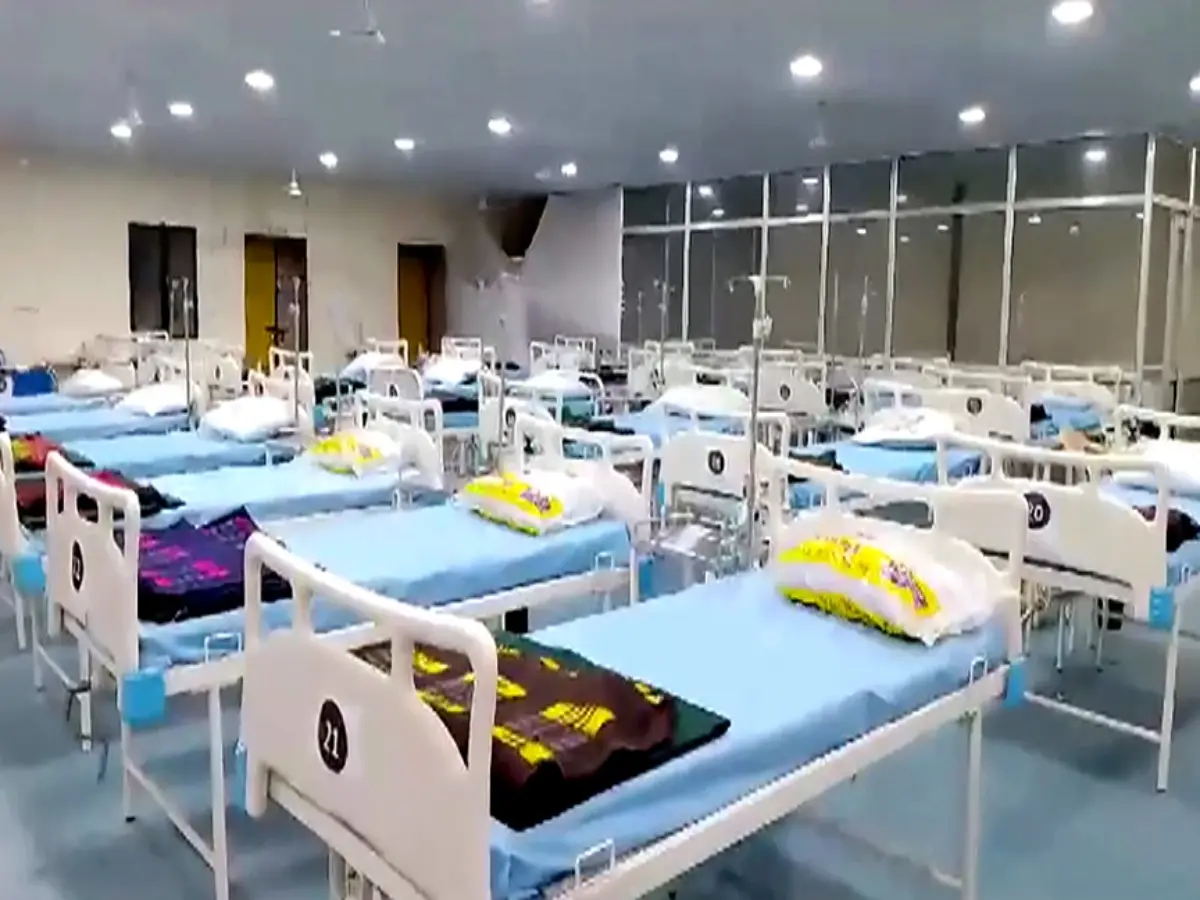
Representative Image Photograph: (ANI)
The samples of the Azithromycin medicine - commonly given to children for various infections - was sent to a laboratory in Bhopal for testing.
After the incident of child deaths linked to toxic cough syrups in Madhya Pradesh, a government hospital in Gwalior is now under scrutiny over worms allegedly found in a bottle of antibiotic medicine given to a child. A woman whose child was admitted in the hospital and administered the medicine allegedly made the complaint after which the entire stock of Azithromycin oral suspension at the government hospital in Morar town has been sealed.
The samples of the Azithromycin medicine - commonly given to children for various infections - was sent to a laboratory in Bhopal for testing. The medicine reportedly generic was manufactured by a Madhya Pradesh-based company.
"A woman at the government hospital in Morar complained of worms in a bottle of Azithromycin oral suspension," Drug inspector Anubhuti Sharma was quoted as saying by PTI.
Sharma further said that the bottle of medicine that the woman brought was already uncapped, however, authorities immediately investigated the matter and 306 bottles of this medicine, distributed and stored at the hospital have been recalled and seized.
Also Read: What is SIG 716 assault rifle? India signs Rs 659-crore defence deal to equip with night sights
Preliminary investigations have so far not revealed any signs of insects, but testing is necessary, said Sharma.
Trending Stories
&im=FitAndFill=(700,400))
)
)
)
)
&im=FitAndFill=(700,400))
)
)
)
)
)
)
)
)
)
)
)
&im=FitAndFill=(700,400))
)
)
)
)
)
&im=FitAndFill=(700,400))
)
)
)
)
)
&im=FitAndFill=(700,400))
)
)
)
The cough syrup case
This incident comes after three contaminated cough syrups manufactured in India were linked to the deaths of 14 children in Madhya Pradesh’s Chhindwara district. The cough syrups in question were Coldrif (Sresan Pharmaceutical), Respifresh TR (Rednex Pharmaceuticals), and ReLife (Shape Pharma).
The World Health Organization (WHO) issued a global health advisory after the incident came to light.
The WHO in its health advisory said that the three cough syrups contained toxic levels of diethylene glycol — nearly 500 times the permissible limit — and warned that the products posed significant, potentially life-threatening risks.
