‘Lungs and gut ruptured, bones broken,’ reveal Delhi blast victims’ post-mortem details

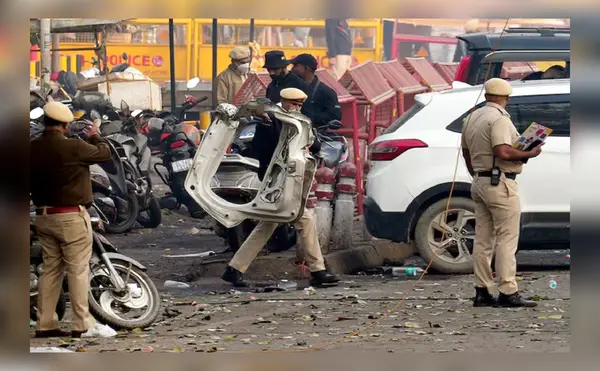
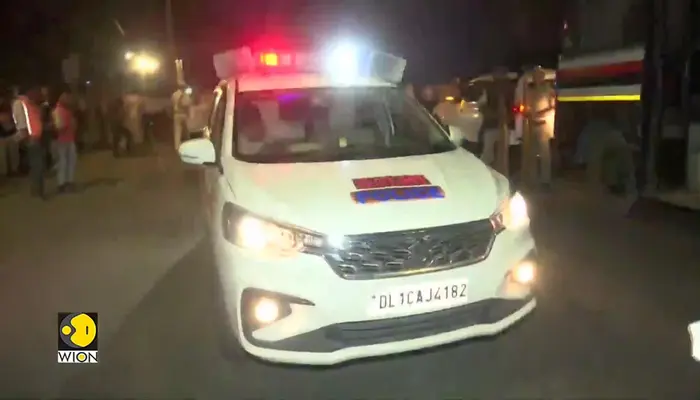
Probe underway at the spot of the car explosion in Delhi Photograph: (PTI)
According to the findings, some victims showed signs of damage in the lungs, ears, intestines, and abdomen, indicating that the explosion was at a very close range. The bodies of the victims had injuries mainly on the torso, head, and chest, forensic experts said.
The victims who died in the massive car explosion near the Red Fort Metro Station in Delhi on Monday evening had ruptured lungs and eardrums, besides damaged intestines and abdomen, revealed forensic experts of the Maulana Azad Medical College. The nature of injuries revealed in the initial post-mortem findings suggests that the blast wave damaged lungs, ears, and abdominal organs, rupturing eardrums, lungs, and intestines. According to the report, some victims showed signs of damage in the lungs, ears, intestines, and abdomen, indicating that the explosion was at a very close range. The bodies of the victims had injuries mainly on the torso, head, and chest, experts said.
Disturbing visuals captured after the explosion showed mangled bodies on the ground and severed body parts. Some of the victims died on the spot, while some others who had severe injuries and excessive bleeding died while undergoing treatment at the hospital.
A cross-injury pattern was also observed on the bodies of some of the victims. A cross-injury pattern means that people collided with a wall or the ground due to the impact of the blast, resulting in broken bones and head injuries, they said.
Experts said no fragments of conventional explosives were found on the bodies or clothing. Preliminary probe indicates that a new or modified explosive material may have been used in the blast.
Also Read: Union Cabinet condemns Delhi terror attack, reiterates policy of zero tolerance against terrorism
Trending Stories
&imwidth=280&imheight=210&format=webp&quality=medium)
&im=FitAndFill=(700,400)&imwidth=280&imheight=210&format=webp&quality=medium)
&imwidth=280&imheight=210&format=webp&quality=medium)
&im=FitAndFill=(700,400)&imwidth=280&imheight=210&format=webp&quality=medium)
&imwidth=280&imheight=210&format=webp&quality=medium)
&imwidth=280&imheight=210&format=webp&quality=medium)
&imwidth=280&imheight=210&format=webp&quality=medium)
&imwidth=280&imheight=210&format=webp&quality=medium)
&imwidth=280&imheight=210&format=webp&quality=medium)
&imwidth=280&imheight=210&format=webp&quality=medium)
&imwidth=280&imheight=210&format=webp&quality=medium)
&imwidth=280&imheight=210&format=webp&quality=medium)
&imwidth=280&imheight=210&format=webp&quality=medium)
&imwidth=280&imheight=210&format=webp&quality=medium)
&imwidth=280&imheight=210&format=webp&quality=medium)
&imwidth=280&imheight=210&format=webp&quality=medium)
&imwidth=280&imheight=210&format=webp&quality=medium)
&imwidth=280&imheight=210&format=webp&quality=medium)
&imwidth=280&imheight=210&format=webp&quality=medium)
&imwidth=280&imheight=210&format=webp&quality=medium)
&imwidth=280&imheight=210&format=webp&quality=medium)
&imwidth=280&imheight=210&format=webp&quality=medium)
&im=FitAndFill=(700,400)&imwidth=280&imheight=210&format=webp&quality=medium)
&imwidth=280&imheight=210&format=webp&quality=medium)
&imwidth=280&imheight=210&format=webp&quality=medium)
&imwidth=280&imheight=210&format=webp&quality=medium)
&imwidth=280&imheight=210&format=webp&quality=medium)
&imwidth=280&imheight=210&format=webp&quality=medium)
&imwidth=280&imheight=210&format=webp&quality=medium)
&imwidth=280&imheight=210&format=webp&quality=medium)
&imwidth=280&imheight=210&format=webp&quality=medium)
&imwidth=280&imheight=210&format=webp&quality=medium)
&imwidth=280&imheight=210&format=webp&quality=medium)
&imwidth=280&imheight=210&format=webp&quality=medium)
An official from the Forensic Science Laboratory (FSL) said that apart from ammonium nitrate, some high-grade explosives were also used in the blast. Over 40 samples, including two cartridges, live ammunition, and explosives, were collected by the FSL team from the site.
“One of the explosive samples appears to be ammonium nitrate. The second explosive sample is believed to be more powerful than ammonium nitrate. Its exact composition will be confirmed after a detailed forensic examination,” an official said.
The blast took place at 6.52 pm on Monday after 2,900 kg of explosives were found just 50 km from the capital, in Haryana’s Faridabad.
WATCH: Breaking: Sheikh Hasina: Pakistan Never Apologized for 1971 | WION Exclusive
Meanwhile, the National Investigation Agency (NIA) has constituted a “dedicated and comprehensive” investigation team to probe the Delhi car blast—a terrorist attack executed by a Jaish-e-Mohammad module, top sources said.