Why your heart benefits from simple daily habits

&imwidth=600&imheight=450&format=webp&quality=medium "Why your heart benefits from simple daily habits")
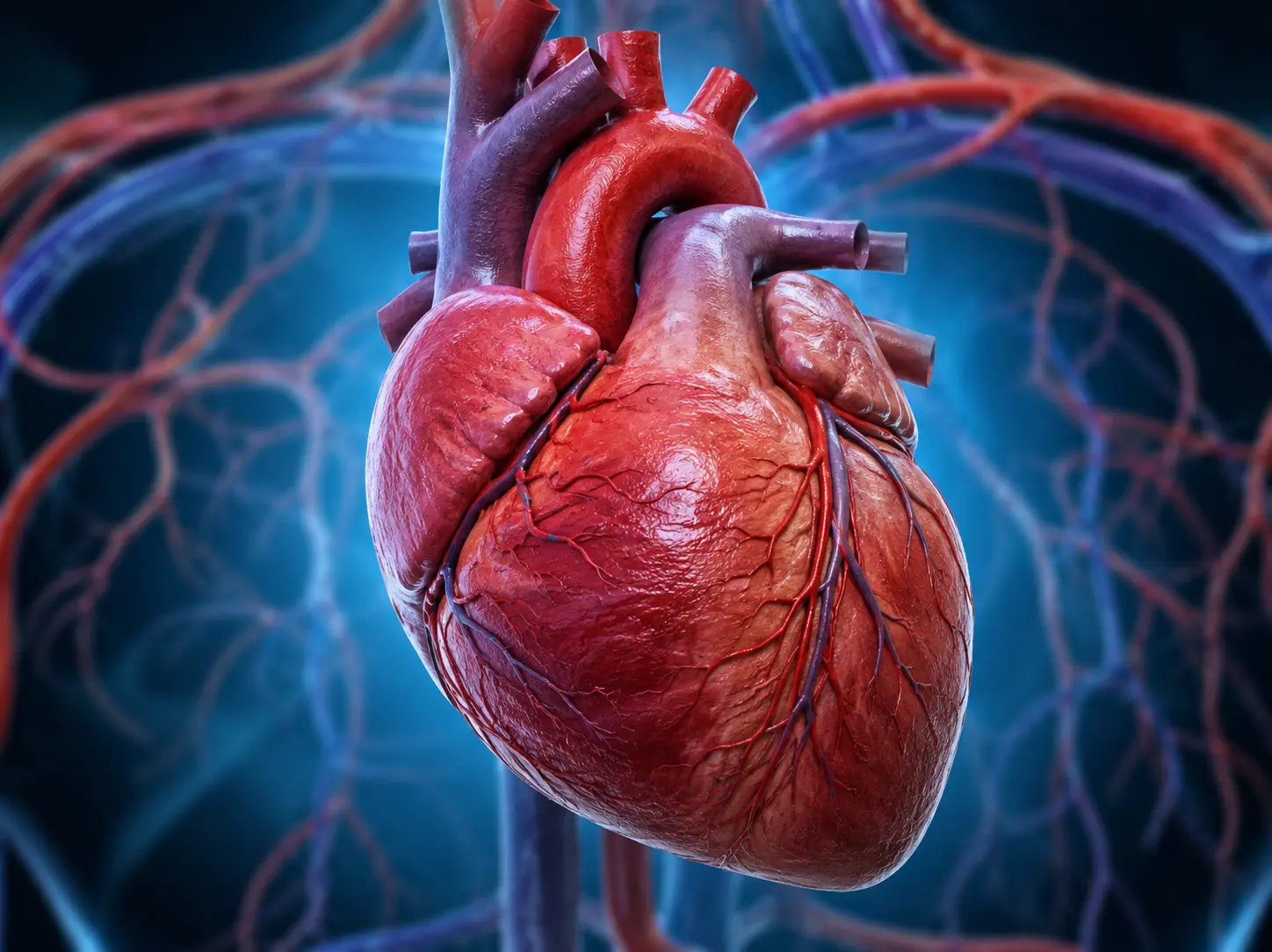
Heart Photograph: (AI)
Cardiovascular health can be significantly improved through basic daily routines. The American Heart Association recommends 150 minutes of weekly walking and seven to nine hours of sleep to lower blood pressure.
Cardiovascular diseases remain a leading health concern globally, but protecting your heart does not require drastic lifestyle overhauls. Small, consistent daily habits play a major role in strengthening the heart muscle and keeping blood vessels clear. Understanding how routine actions impact your cardiovascular system is the best way to prevent long-term complications and maintain steady energy levels throughout the day.
The impact of daily walking on blood pressure
Walking is one of the easiest ways to protect cardiovascular health. The American Heart Association recommends that adults get at least 150 minutes of moderate-intensity aerobic activity, such as brisk walking, every week. This routine helps manage blood pressure, strengthens the heart muscle, and lowers stress levels. Breaking this down into shorter sessions, such as a brisk 10-minute walk a few times a day, still provides the same cardiovascular benefits.
How proper sleep regulates heart rhythms
Resting well is just as important as physical activity for your cardiovascular system. The American Heart Association recently added healthy sleep to its "Life's Essential 8" guidelines, identifying it as a vital factor for heart and brain health. Adults should aim for seven to nine hours of sleep each night. Poor or insufficient sleep puts individuals at a higher risk for high blood pressure, obesity, and heart disease. Establishing a consistent bedtime routine and avoiding screens before bed can help regulate your internal clock and ensure your heart gets the rest it needs.
The role of hydration in maintaining blood volume
Trending Stories
&imwidth=280&imheight=210&format=webp&quality=medium)
&im=FitAndFill=(700,400)&imwidth=280&imheight=210&format=webp&quality=medium)
&imwidth=280&imheight=210&format=webp&quality=medium)
&imwidth=280&imheight=210&format=webp&quality=medium)
&imwidth=280&imheight=210&format=webp&quality=medium)
&imwidth=280&imheight=210&format=webp&quality=medium)
&imwidth=280&imheight=210&format=webp&quality=medium)
&imwidth=280&imheight=210&format=webp&quality=medium)
&imwidth=280&imheight=210&format=webp&quality=medium)
&imwidth=280&imheight=210&format=webp&quality=medium)
&imwidth=280&imheight=210&format=webp&quality=medium)
&imwidth=280&imheight=210&format=webp&quality=medium)
&imwidth=280&imheight=210&format=webp&quality=medium)
&imwidth=280&imheight=210&format=webp&quality=medium)
&imwidth=280&imheight=210&format=webp&quality=medium)
&imwidth=280&imheight=210&format=webp&quality=medium)
&imwidth=280&imheight=210&format=webp&quality=medium)
&im=FitAndFill=(700,400)&imwidth=280&imheight=210&format=webp&quality=medium)
&im=FitAndFill=(700,400)&imwidth=280&imheight=210&format=webp&quality=medium)
&imwidth=280&imheight=210&format=webp&quality=medium)
&imwidth=280&imheight=210&format=webp&quality=medium)
&imwidth=280&imheight=210&format=webp&quality=medium)
&imwidth=280&imheight=210&format=webp&quality=medium)
&imwidth=280&imheight=210&format=webp&quality=medium)
&imwidth=280&imheight=210&format=webp&quality=medium)
&imwidth=280&imheight=210&format=webp&quality=medium)
&imwidth=280&imheight=210&format=webp&quality=medium)
&imwidth=280&imheight=210&format=webp&quality=medium)
&im=FitAndFill=(700,400)&imwidth=280&imheight=210&format=webp&quality=medium)
&imwidth=280&imheight=210&format=webp&quality=medium)
&imwidth=280&imheight=210&format=webp&quality=medium)
&imwidth=280&imheight=210&format=webp&quality=medium)
&imwidth=280&imheight=210&format=webp&quality=medium)
&imwidth=280&imheight=210&format=webp&quality=medium)
&imwidth=280&imheight=210&format=webp&quality=medium)
Drinking enough water directly affects how efficiently your heart pumps blood. A recent study by the National Institutes of Health found that staying well-hydrated may slow down the decline in cardiac function and decrease the risk of heart failure. When fluid levels drop, serum sodium levels in the body increase, which researchers linked to a higher risk of developing heart failure later in life. To maintain healthy fluid levels and support blood vessel function, researchers recommend a daily fluid intake of 1.5 to 2.1 litres for women and 2 to 3 litres for men.
Improving your heart health is about consistency rather than extreme effort. By taking short daily walks, prioritising your sleep schedule, and staying hydrated, you can significantly reduce cardiovascular risks. These straightforward lifestyle habits build a strong foundation for a longer and healthier life.
